Nana
Nana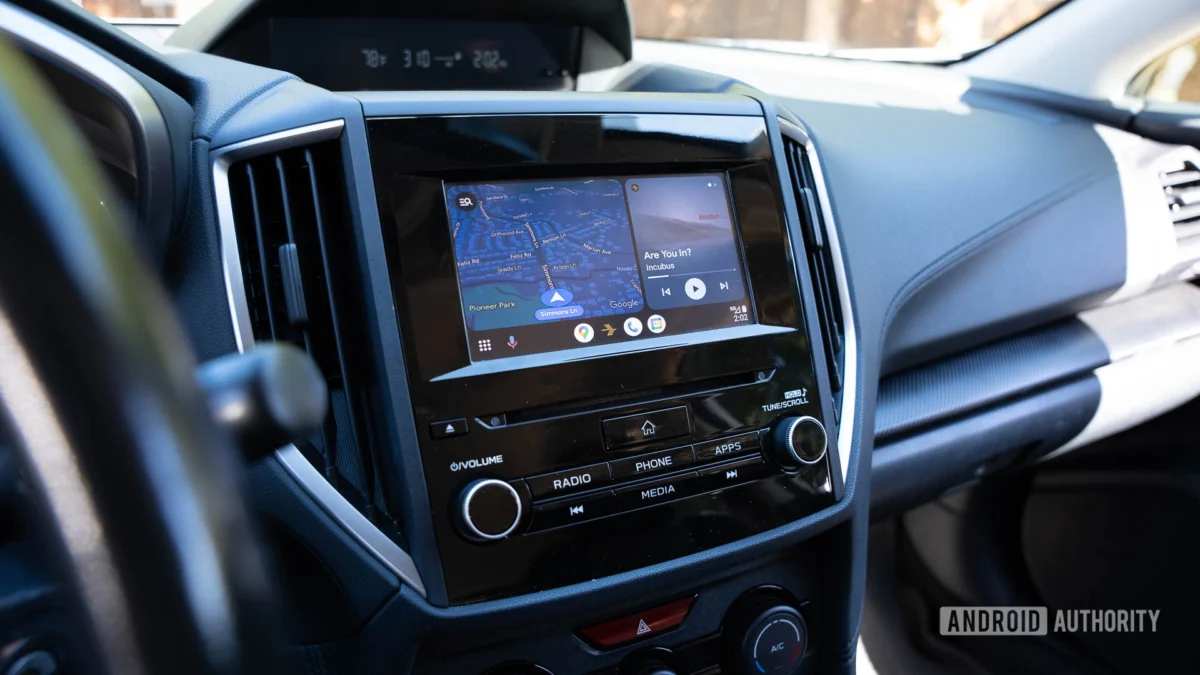
For millions of commuters, Android Auto has become an indispensable companion, transforming the chaotic environment of modern traffic into a streamlined, connected experience. By mirroring the power of the smartphone onto the vehicle’s infotainment screen, the platform allows for seamless navigation, hands-free communication, and integrated media playback. However, when the digital bridge between phone and car fails, the experience quickly shifts from convenience to frustration.
Over the past several weeks, the Android Auto community has been plagued by a wave of unexpected crashes and persistent connection drops, particularly following the rollout of version 17.2. After days of mounting user reports, Google has officially intervened, confirming that a fix is now being deployed to rectify these stability issues.
The Core Issue: When Connectivity Fails
The recent technical turbulence began shortly after the release of Android Auto 17.2. Users across various online forums, most notably the r/AndroidAuto subreddit, began reporting a recurring nightmare: the platform would launch successfully, only to crash or spontaneously disconnect moments later. For drivers relying on GPS navigation in unfamiliar areas or those managing important calls while on the road, the unpredictability of these disconnects posed more than just a software inconvenience—it created a significant safety distraction.
The reports were widespread, affecting a diverse range of hardware configurations. While software bugs are common in the fast-paced ecosystem of Android development, the frequency of these particular reports suggested a systemic issue within the 17.2 build that hampered the communication protocol between the vehicle’s head unit and the mobile device.
A Chronology of the Disruption
To understand the gravity of the situation, it is necessary to look at the timeline of the rollout and the subsequent community response:
- Early October 2024: Google begins the distribution of Android Auto 17.2. The update, initially expected to provide routine stability improvements and minor feature refinements, is met with an immediate influx of negative feedback.
- Mid-October 2024: The volume of reports regarding "random disconnects" reaches a tipping point. Users document their experiences, noting that the issues occur regardless of whether they are using wired USB connections or wireless Android Auto adapters.
- Late October 2024: Technical experts and community moderators begin aggregating the data. It becomes clear that the issue is not limited to a single phone model or car brand, but rather a software-level conflict introduced by the latest version.
- The Resolution Phase: Google’s internal teams identify the root cause as a compatibility conflict with specific aftermarket head units.
- The Patch Release: Google begins a phased rollout of a hotfix, targeting both beta and stable channel users to resolve the connectivity loops.
Understanding the Technical Root Cause
In an official acknowledgment shared by Google’s Mishaal Rahman, the company clarified the nature of the technical failure. According to the communication, the instability was not a blanket failure of the Android Auto platform, but rather a targeted issue affecting "uncertified aftermarket head units."
In the automotive world, head units are categorized into factory-installed (OEM) systems and aftermarket systems. While major brands like Pioneer, Kenwood, and Alpine work closely with Google to ensure compliance with Android Auto protocols, a vast market of "uncertified" or budget-friendly aftermarket head units exists. These units often rely on proprietary implementations of the Android Auto communication protocol.
The 17.2 update seemingly altered how the smartphone handshakes with these specific external devices. When the phone expected a standardized response from the head unit, the uncertified hardware provided a signal the software could not interpret, resulting in an immediate "panic" and subsequent crash of the Android Auto session.
Official Response: The Path to Resolution
Google has been uncharacteristically transparent regarding this particular patch. By engaging directly with affected users on social media and community forums, the company has sought to restore confidence in the platform.
"I wanted to let you know that we’re rolling out an update to Android Auto that should address the disconnecting issue you’ve been facing," Rahman stated in his follow-up to concerned users. "For transparency, we identified an issue with uncertified aftermarket head units that impacted a small number of people during our rollout of Android Auto 17.2."
This level of communication is vital for maintaining the ecosystem’s integrity. By acknowledging the specific hardware segment impacted, Google has effectively narrowed the scope of the problem, allowing users to understand that the issue was not a failure of their own hardware, but a software handshake mismatch.
How to Apply the Fix
Google is currently pushing out the corrective builds through the Google Play Store. To ensure your system is updated and stable, users should verify their current version against the following builds:
For Beta Testers
If you are enrolled in the Android Auto Beta program, you should look for version: 17.3.662813. This version includes the latest stability patches and is designed to address the specific handshake bugs identified in the 17.2 cycle.
For Stable Users
For the general public, the patch is arriving in version: 17.2.662638.
Recommended Action Steps:
- Open the Google Play Store on your Android smartphone.
- Navigate to "Manage apps & device."
- Check for pending updates. If an update for Android Auto is listed, install it immediately.
- Restart your phone after the update completes to ensure all background services are refreshed.
- Reconnect to your vehicle. If you continue to experience issues, verify that your head unit firmware is also updated, as many aftermarket manufacturers release their own patches to remain compatible with Android Auto updates.
Broader Implications: The Challenge of Automotive Fragmentation
The incident highlights a significant hurdle for Google: the fragmentation of the automotive market. Unlike the controlled environment of the smartphone, the vehicle infotainment market is incredibly diverse. Manufacturers utilize different processors, display resolutions, and operating systems. Ensuring that Android Auto remains consistent across a 2018 budget aftermarket radio and a 2024 luxury vehicle is a massive engineering undertaking.
The Risks of "Uncertified" Hardware
While budget aftermarket head units offer a path for older vehicles to gain modern functionality, this episode underscores the risks associated with uncertified hardware. These devices often lack the rigorous testing cycles that OEM and major aftermarket brands undergo. When Google pushes an update to improve security or performance, it does so based on the official Android Auto API specifications. If a manufacturer has built their device using a "workaround" or a non-standard implementation of that API, they are effectively building on a foundation that can be pulled out from under them with any routine software update.
The Evolution of In-Car Software
As vehicles become increasingly software-defined, the reliability of platforms like Android Auto and Apple CarPlay becomes as important as the engine performance itself. For many consumers, the decision to purchase a vehicle is now heavily influenced by the quality of its infotainment system.
Google’s swift response to the 17.2 crash demonstrates an evolving maturity in their automotive software division. By identifying, isolating, and patching the issue within a matter of weeks, they have reinforced the idea that Android Auto is a dynamic, living platform. However, the incident also serves as a reminder that the automotive landscape is far more complex than the mobile one, and the intersection of legacy hardware and modern software will continue to present technical challenges.
Conclusion: Looking Ahead
As users begin to receive the latest updates, the reports of disconnects are expected to subside. For those who were caught in the crossfire of the 17.2 update, the return to stability will be a welcome relief.
Moving forward, it remains to be seen if Google will implement stricter validation checks for head units or if they will continue to maintain broader compatibility at the risk of such "handshake" issues. For now, the takeaway for the average driver is clear: keep your apps updated, be cautious with uncertified third-party hardware, and stay tuned to community channels when technical issues arise. The digital road ahead is never perfectly smooth, but with proactive updates and open communication, it remains a far more navigable experience than ever before.

 Suro Senen
 Nana Wu