

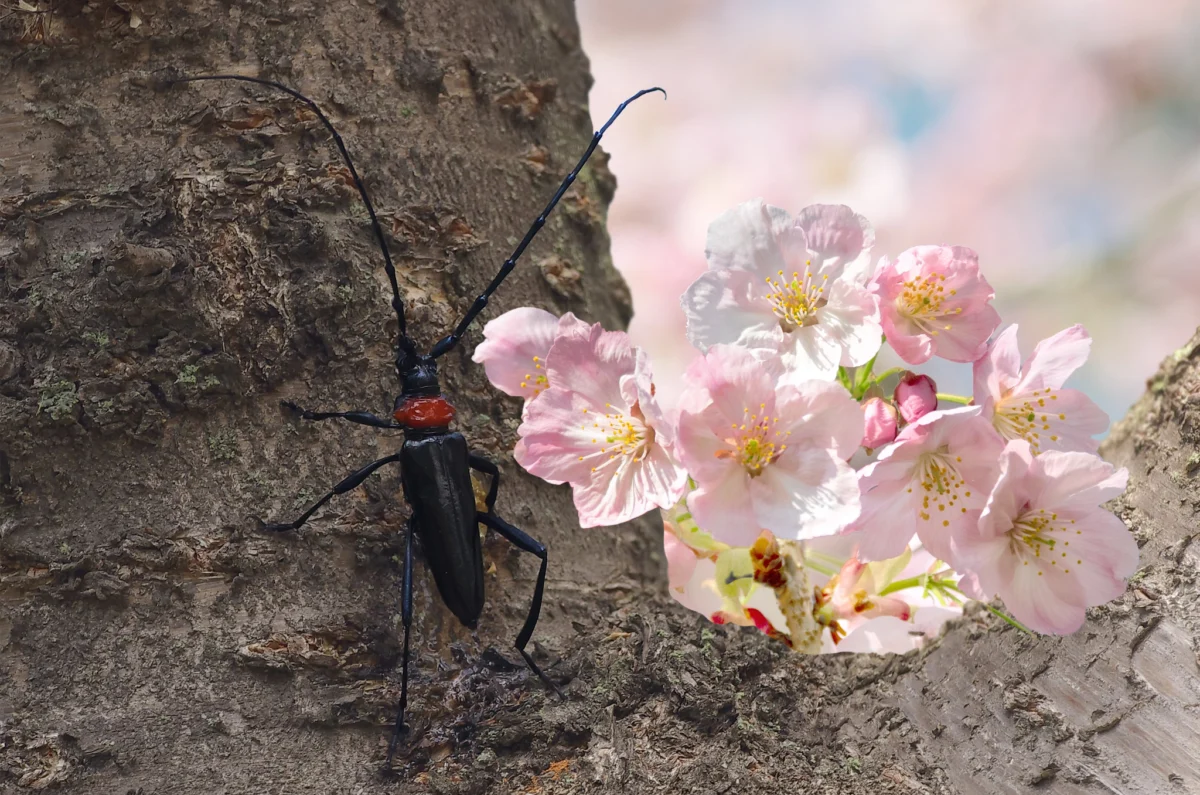
Japan’s iconic landscapes, defined by the ethereal beauty of sakura (cherry blossoms), are facing an existential threat from a silent, wood-boring invader. The red-necked longhorn beetle (Aromia bungii), an invasive species native to East Asia, has sparked a nationwide alarm as it systematically hollows out the country’s most cherished fruit trees. With infestations spreading to 20 municipalities across Tokyo alone—an increase of eight from the previous fiscal year—local governments are turning to an unconventional weapon to stem the tide: cold, hard cash.
The Menace Within: Understanding the Aromia bungii
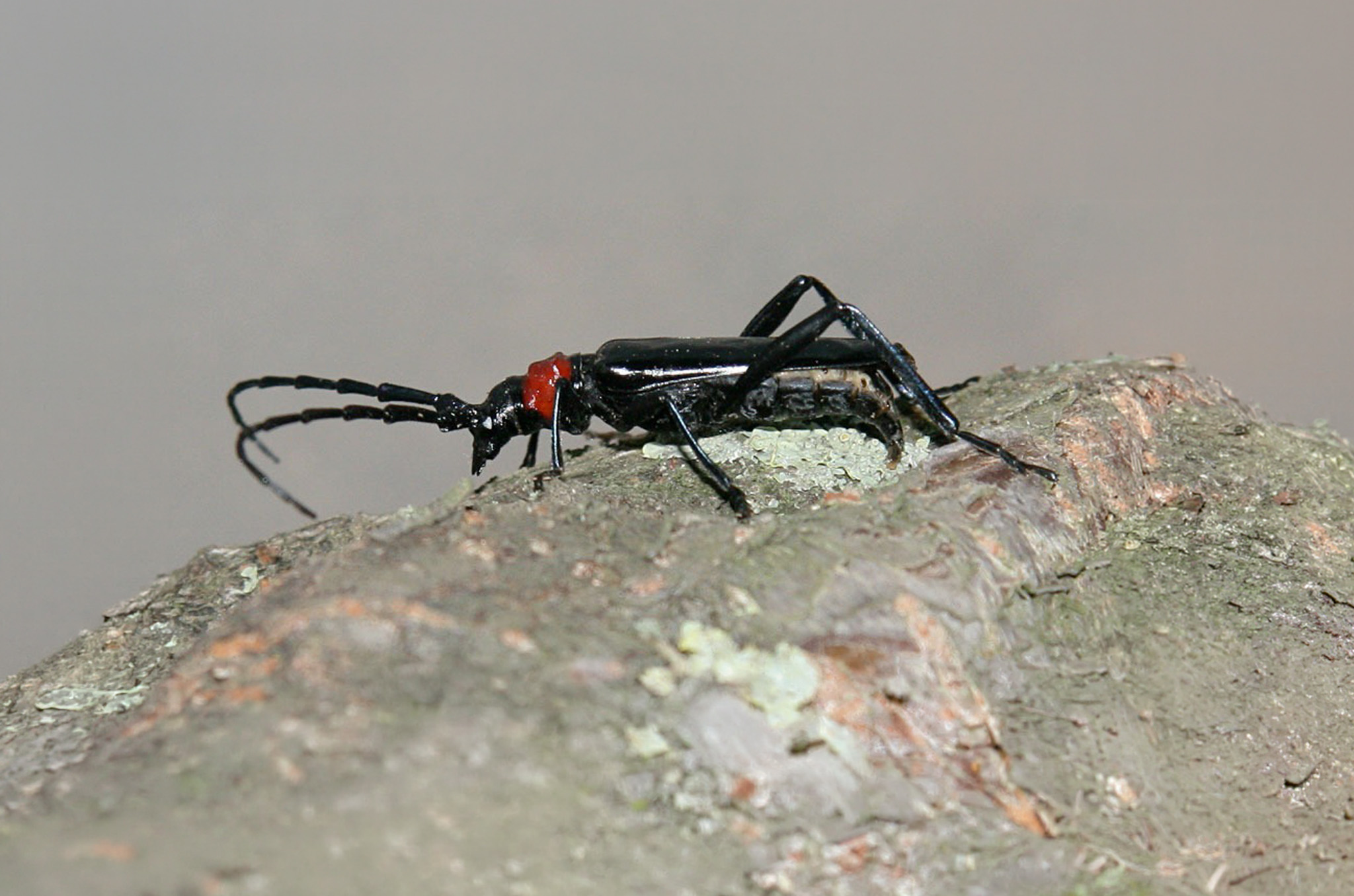
The red-necked longhorn beetle is not merely a garden pest; it is a structural hazard to the Rosaceae family, which includes cherry, peach, and plum trees. The adult beetles, which measure between 2 and 4 centimeters in length, are easily identified by their striking, glossy black wings and a vivid red thorax. However, the true damage is wrought by the larvae.
Once a female deposits her eggs in the crevices of a tree’s bark, the larvae hatch and immediately burrow into the cambium layer. They feed voraciously on the wood, carving complex tunnels that compromise the tree’s structural integrity. Because the larvae spend most of their lives deep within the trunk, the internal damage is often irreversible by the time the tree shows external signs of distress. A severe infestation effectively starves the tree of nutrients and water, turning vibrant, historic specimens into brittle husks that must be culled to prevent further contagion.
A Chronology of Invasion: From 2011 to the Present
The presence of Aromia bungii in Japan is a relatively recent, albeit devastating, development.
- 2011: The beetle is first detected in Japan. Experts believe it arrived via timber imports or wood-based packaging materials from mainland China, the Korean Peninsula, or Mongolia.
- 2012–2017: The population establishes a foothold, spreading quietly through suburban and rural orchards, moving largely undetected until the damage to cherry and peach trees becomes too significant to ignore.
- January 15, 2018: The Japanese government officially designates Aromia bungii as an "Invasive Alien Species" under the Invasive Alien Species Act, reflecting the severity of the threat to both agriculture and national heritage.
- 2024–2025: The rate of spread accelerates. Infestations are no longer localized, but rather jump across prefecture borders, with Tokyo experiencing a sharp 40% increase in affected municipalities within a single fiscal year.
- May 2026: Joint task forces are launched in the border regions of Hyogo and Kyoto, signaling a shift toward regional, collaborative management rather than isolated municipal efforts.
- July 2026: Municipal bounty programs reach a peak in participation as cities like Fussa and Kawajima incentivize civilian reporting and capture.
The Socio-Economic Impact: Why Cherry Trees Matter
For the Japanese public, the threat to cherry trees is not just an agricultural or economic concern; it is a cultural crisis. Hanami, the centuries-old tradition of viewing cherry blossoms, is a pillar of Japanese identity. The loss of historic cherry groves in public parks and temple grounds represents a profound degradation of the country’s aesthetic and spiritual landscape.
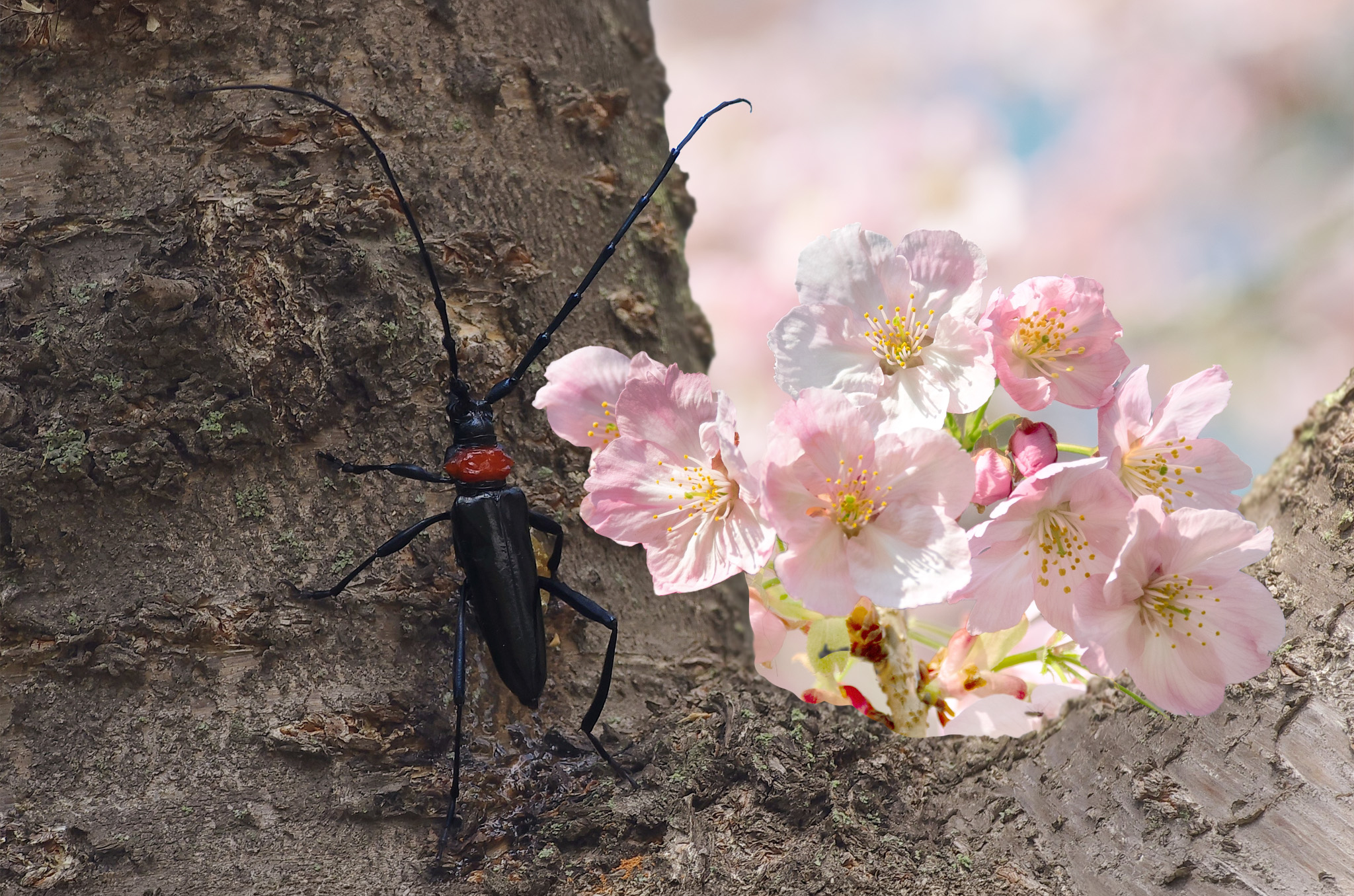
Beyond the cultural loss, the economic implications for the agricultural sector are staggering. Farmers who rely on the yield of peach and plum trees are seeing their livelihoods compromised. Because the beetle targets the very foundation of these fruit trees, a single infestation can force an orchard owner to destroy years of growth, leading to significant financial losses and long-term supply chain instability.
Official Responses: Bounties and Biological Warfare
Recognizing that government resources alone are insufficient to track a pest as elusive as the longhorn beetle, local authorities have adopted a "crowdsourced" approach to pest control.
The Bounty System
Starting in July 2026, cities like Fussa in Tokyo have implemented a direct financial incentive: residents can receive ¥500 in gift certificates for every 10 beetles captured. In Kawajima, Saitama Prefecture, the reward is even more direct: ¥100 for a single specimen. While the monetary reward is modest, its primary function is to mobilize the "eyes on the ground"—the thousands of residents who walk through parks and orchards daily.
Education and Community Patrols
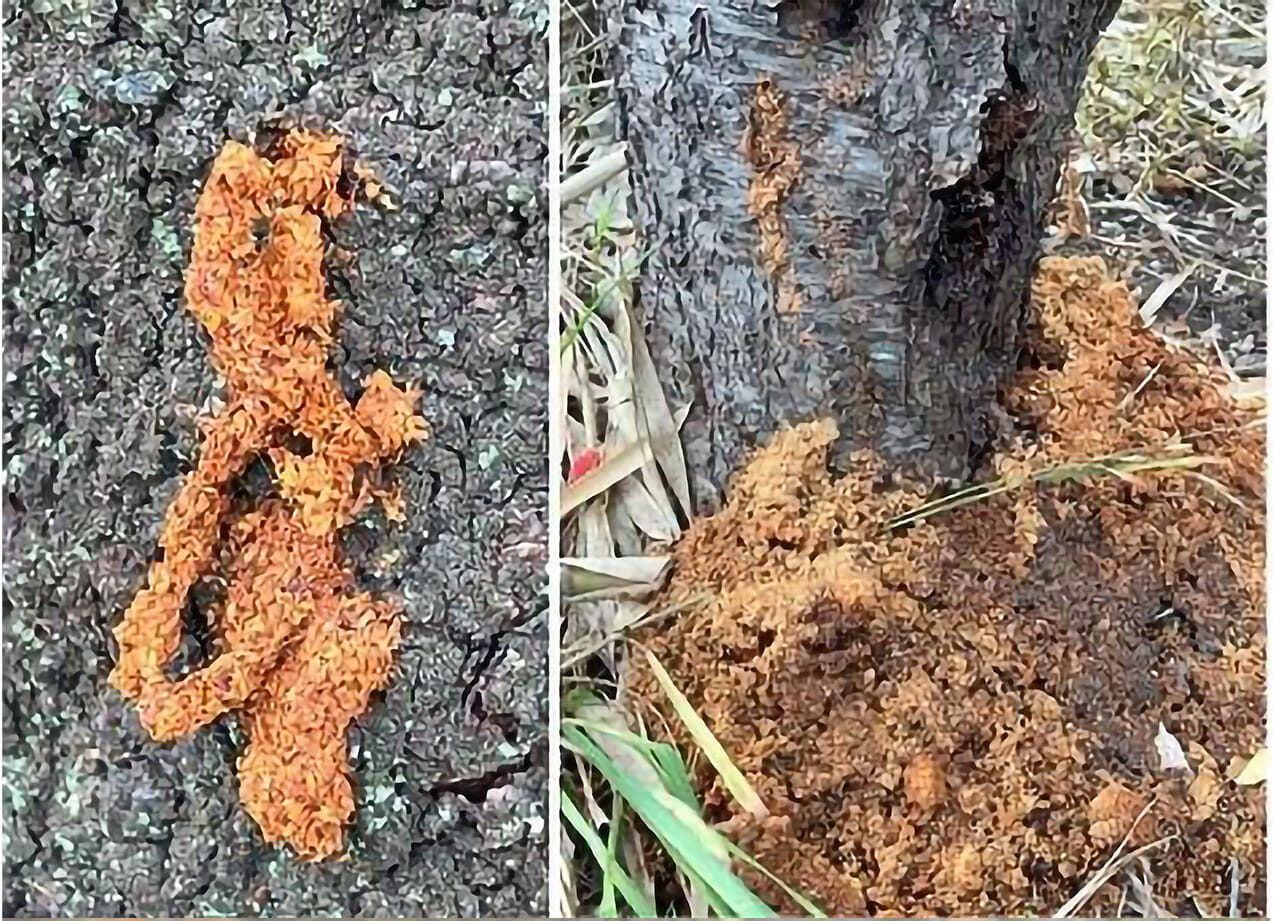
In areas like Tamba and Fukuchiyama, the strategy has moved beyond monetary rewards toward community education. In late May, 30 volunteers joined local experts to conduct the first joint border patrols. Furthermore, schools located within a 3-kilometer radius of known infestation sites have integrated the beetle’s ecology into their curricula. Students are taught how to spot the "frass"—the telltale sawdust-like byproduct of larval tunneling—and are awarded certificates for their roles as "environmental guardians."
How to Identify and Combat the Infestation
Public vigilance is the most effective tool for containment. Authorities emphasize the following identification criteria:
Recognizing the Signs
The most visible indicator of an infestation is frass. This mixture of larval waste and wood shavings collects at the base of the tree or spills from small, circular exit holes in the bark. If you see sawdust accumulating on a tree, it is an urgent red flag.
Adult Beetle Characteristics
The adult beetle is visually distinct. Look for:
- A bright, blood-red thorax (the midsection).
- Glossy, jet-black wing covers.
- Antennae that match the length of the body.
- A "shiny" appearance compared to native wood-boring insects.
The "Sighting Window"
Data from Osaka Prefecture indicates that adult activity peaks between June and August. The final week of June is historically the most critical window for spotting the insects as they emerge to mate. By late July, the primary mating season begins to wane, making late-summer sightings less frequent but still vital for data collection.
Protocols for Residents
If you encounter an adult beetle or find signs of infestation, authorities recommend a specific, cautious protocol:
- Capture and Contain: If safe, use a net or container to capture the adult. Do not handle it with bare hands, as the beetle may release chemical defenses.
- No Release: Under no circumstances should the beetle be released. A single female can lay hundreds of eggs, potentially starting a new colony in a healthy grove.
- Document and Report: Take clear, high-resolution photos of the beetle, the frass, and the tree. Contact your local kankyou-ka (environmental office).
- Hands-Off the Tree: Do not attempt to drill into the tree or apply chemical pesticides yourself. Incorrect treatment can cause the larvae to migrate deeper or cause further stress to the tree. Professional arborists and local government teams are trained to use systemic insecticides and specialized removal techniques that minimize collateral damage.
Implications for the Future
The challenge posed by Aromia bungii is emblematic of the broader struggle against invasive species in an era of global trade. Genetic research suggests that the beetle did not arrive in a single "wave," but through multiple, independent introductions, meaning the beetle is already well-adapted to various climates across the Japanese archipelago.
The ongoing effort to save Japan’s cherry trees is a race against time. While the current bounty programs and community patrols are providing much-needed data and immediate reduction in beetle populations, experts warn that the fight will be a marathon, not a sprint. The long-term survival of the cherry tree in Japan may eventually depend on the development of more sophisticated, targeted biological controls—perhaps including pheromone traps or native predator encouragement—that can operate effectively in the complex urban-forest interface.
For now, the message from local governments is clear: the safety of the sakura is a collective responsibility. By turning residents into a sprawling, vigilant observation network, Japan is attempting to turn the tide against a silent intruder, one beetle at a time. As of July 15, 2026, the success of these programs remains a vital test of the nation’s ability to protect its most precious natural heritage.











