Asro
Asro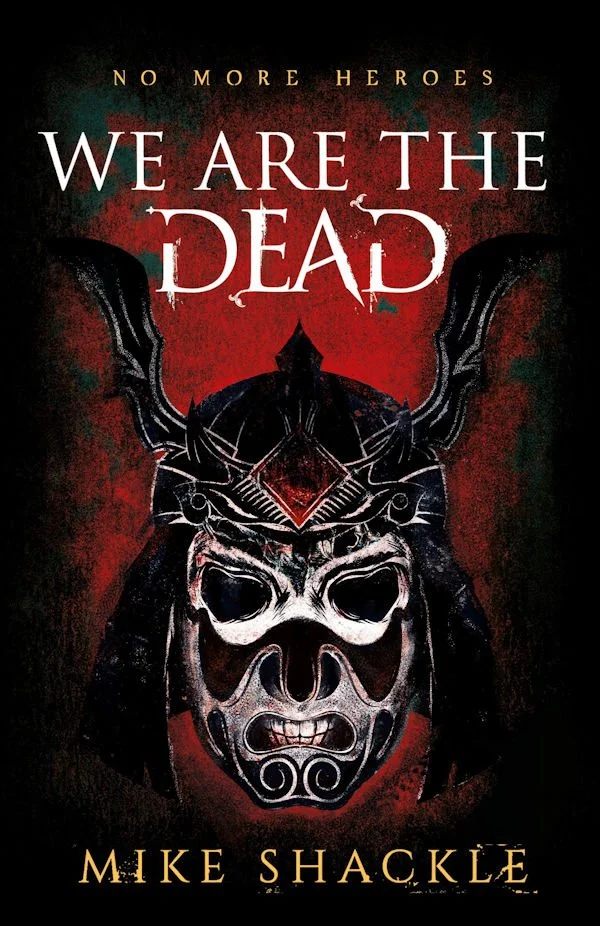
In the landscape of modern fantasy, where epic quests and grand prophecies often dictate the rhythm of the narrative, Mike Shackle’s The Last War trilogy emerges as a stark, uncompromising departure. Comprising We Are the Dead, A Fool’s Hope, and Until the Last, the series trades the tropes of the "chosen one" for a harrowing exploration of life under the crushing boot of an occupying force.
Shackle’s work is not merely a story of war; it is a clinical dissection of societal collapse, the erosion of identity, and the brutal calculus of survival when the possibility of victory has been systematically dismantled. For readers accustomed to the escapism of high fantasy, The Last War offers a visceral, ground-level perspective that feels less like a flight of fancy and more like a historical account of human endurance.
The Chronology of Collapse: A Three-Act Descent
The narrative arc of The Last War is defined by a steady, relentless escalation of tension. Shackle eschews the traditional "hero’s journey" in favor of a chronological slide into desperation.
We Are the Dead: The Initial Shock
The trilogy opens with the sudden, overwhelming fall of the empire of Jia to the Egril invaders. Here, Shackle focuses on the psychological trauma of displacement. The central theme is the dissolution of collective identity; as the Egril regime tightens its grip, the citizens of Jia are forced to confront the reality that their world has been irrevocably altered. The book captures the paralyzing "shock and awe" of occupation, setting the stage for a series that prioritizes the lived experience of the conquered over the tactical maneuvers of generals.
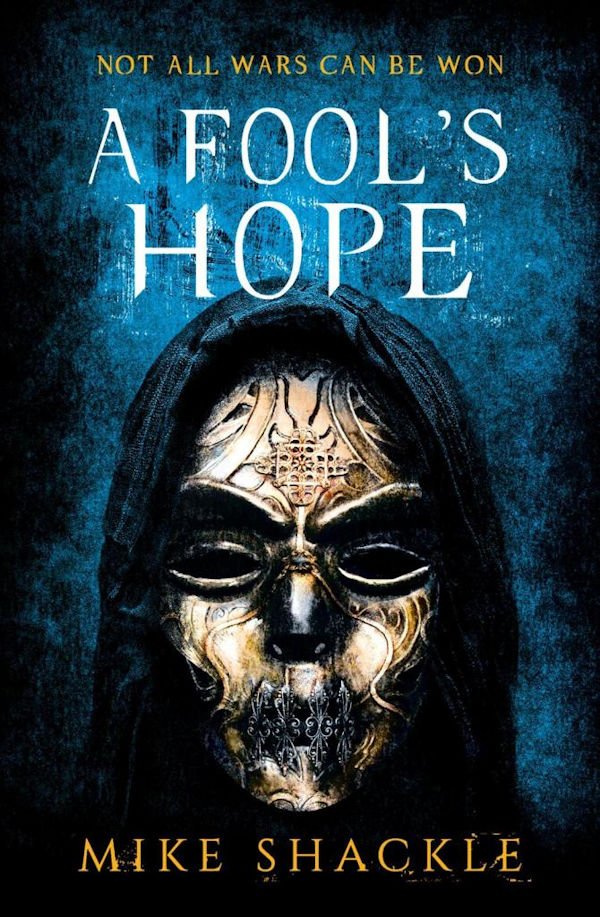
A Fool’s Hope: The Illusion of Resistance
In the second installment, the focus shifts to the inevitable—and often disastrous—attempts to fight back. A Fool’s Hope is aptly titled, serving as a cautionary examination of what happens when the desperate believe they can reclaim their agency. It dissects the mechanics of insurgency, showing how resistance can often lead to further devastation, forcing the protagonists to grapple with the realization that their actions may be causing more harm than good.
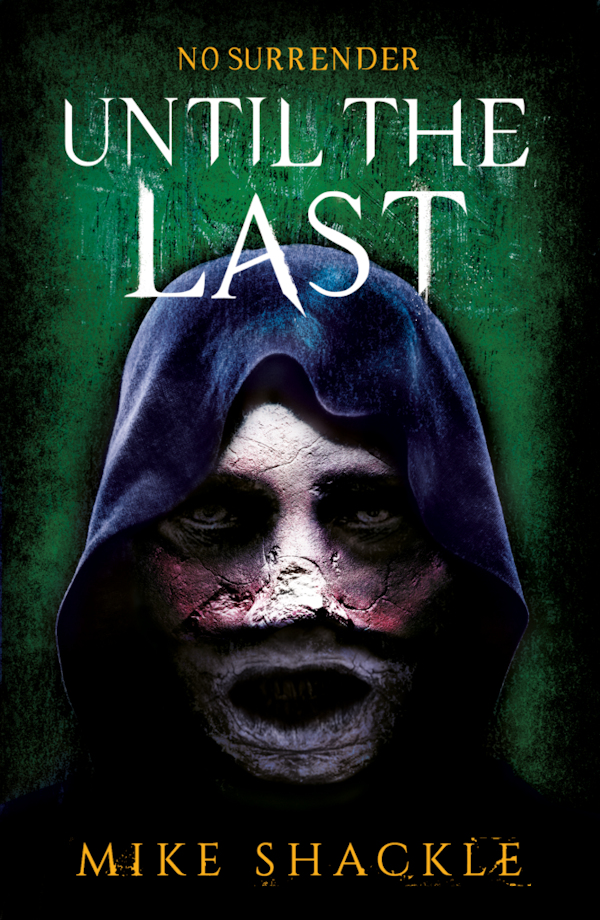
Until the Last: Redefining Victory
The conclusion of the trilogy, Until the Last, does not offer a neat, triumphant resolution. Instead, it pushes the boundaries of the genre by questioning the ultimate cost of resistance. Shackle forces his characters—and his readers—to redefine what "success" looks like. If victory is no longer possible, does survival constitute a win? The series ends on a note of hard-won clarity, cementing its status as a meditation on the ethics of war.
Character Archetypes Under Stress-Test
One of the most compelling aspects of Shackle’s writing is his treatment of traditional fantasy archetypes. He takes the familiar blueprints of the "hero," the "soldier," and the "rebel" and subjects them to extreme environmental pressure until they bend or break.
- Tinnstra: Positioned as the traditional hero, Tinnstra’s arc is defined by a forced evolution into a reactive survivor. Her journey is not one of climbing toward greatness, but of shrinking to fit the narrow confines of her survival.
- Dren: Originally cast in the mold of the noble soldier, Dren’s path is one of moral erosion. As the conflict demands more from him, he is forced to transition into a "compromised battler," highlighting the theme that war rarely allows for purity of character.
- Yas: A world-weary figure, Yas undergoes a transformation from a standard rebel into a voice of cautious dissent. Her role serves as the cynical, grounding force of the narrative.
By making his characters purely reactive to the war, Shackle strips away the agency often afforded to protagonists in epic fantasy. Their growth is not a result of internal ambition, but a direct consequence of the trauma and damage they are forced to endure.
The Mechanics of Narrative Tension
From a technical standpoint, Shackle builds his world through a process of subtraction rather than addition. While many fantasy authors rely on dense "lore dumps" to build their worlds, Shackle constructs the geography and culture of Jia through the act of its destruction.
We learn about the traditions, values, and daily lives of the Jia people only as those elements are being extinguished by the Egril. This "negative worldbuilding" creates an immediate sense of loss. When a structure, a custom, or a life is destroyed, the reader feels the weight of it because they have seen the hole it leaves behind.
The pacing of the novels is deliberate, designed to offer little to no "narrative breathing space." This choice, while potentially divisive, is entirely intentional. It mirrors the experience of a prolonged societal collapse—a state of constant alert where the characters are never permitted to rest. This relentless pressure ensures that the stakes remain visible and immediate throughout all three volumes.
Examining the "Grimdark" Label
While The Last War is frequently categorized alongside the works of Joe Abercrombie or Mark Lawrence, it occupies a distinct space within the grimdark subgenre. It is undeniably dark, and the violence is frequent and consequential, but it avoids the trap of nihilism that sometimes plagues the genre.
Shackle’s work remains anchored by a sincerity that prevents it from glorifying the brutality it depicts. The violence is never "cool" or stylized; it is functional, ugly, and transformative. The author’s prose is lean, prioritizing narrative function over flourish. Much like the torture methods employed by the antagonist Vex, Shackle’s writing is designed to wear the reader down, ensuring that the impact of every event is felt fully.
Implications for the Fantasy Genre
The success of The Last War suggests a shifting appetite among fantasy readers. There is a growing desire for stories that prioritize consequence over spectacle and tension over escapism. By focusing on the street-level realities of war, Shackle demonstrates that fantasy can be a powerful vehicle for exploring real-world issues of occupation, oppression, and the moral ambiguity of survival.
This series challenges the genre to grow up. It asks readers to step away from the comforting power fantasies of the past and instead engage with the uncomfortable, gritty truths of conflict. It serves as a reminder that the most compelling stories are not always those of kings and queens, but those of the individuals caught in the machinery of history, struggling to retain their humanity when everything else has been stripped away.
Conclusion: A Masterclass in Consequence
The Last War is not an easy read. It is a series that demands patience and emotional resilience from its audience. It refuses to provide the traditional dopamine hits of classic fantasy, instead offering a slow, grueling experience that feels authentic to its grim premise.
For those who value character-driven narratives and the exploration of moral gray areas, Shackle’s work is essential reading. It is a testament to the idea that bleakness does not equate to a lack of depth. By committing fully to his vision, Shackle has created a trilogy that stands as a significant contribution to contemporary literature. It is a story that hits with the weight of a well-placed blow—leaving a mark that lingers long after the final page is turned. As the genre continues to evolve, The Last War will likely be remembered as a high-water mark for grounded, consequence-heavy storytelling.

 Basiran
 Lina Irawan