

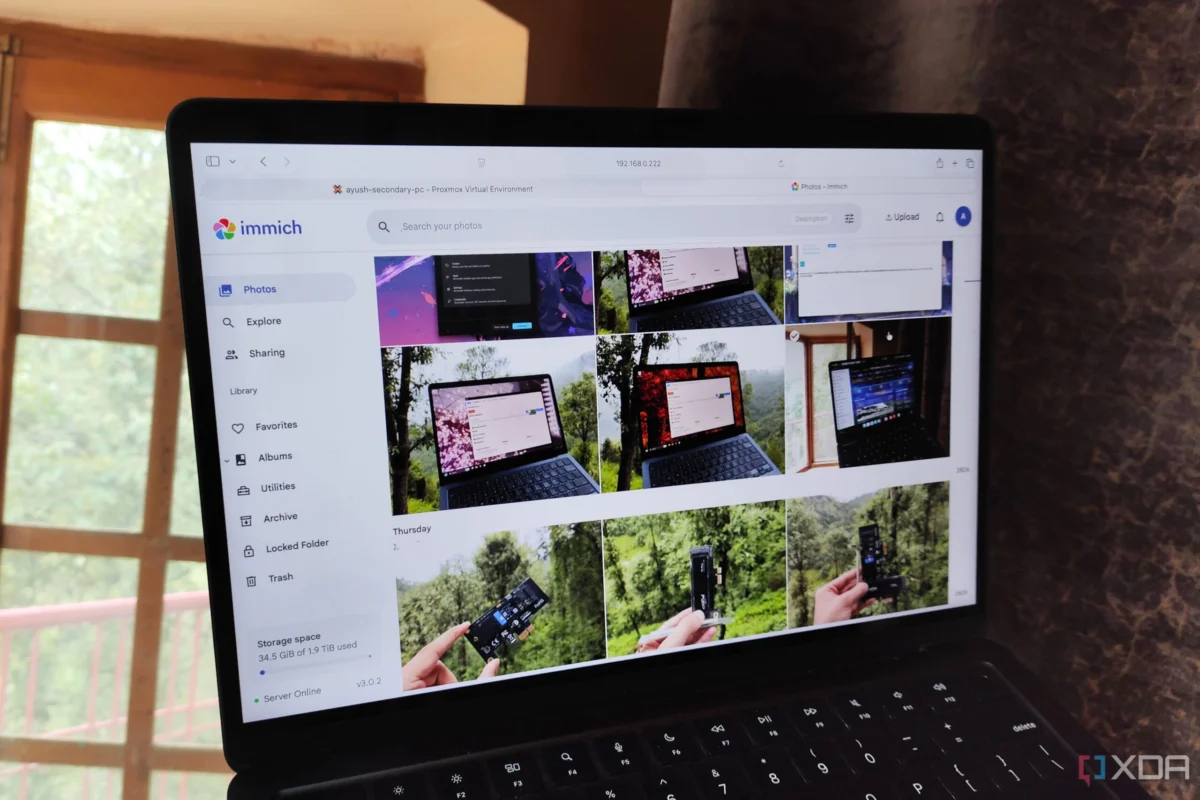
For years, the convenience of cloud-based photo storage felt like a modern necessity. Services like Google Photos offered seamless backups, intelligent search, and automated "memories" that surfaced long-forgotten snapshots. However, as the digital privacy landscape shifts and our photo libraries grow into multi-terabyte archives, the trade-off—giving tech giants unfettered access to our most intimate visual data—has begun to feel increasingly untenable.
I have spent the better part of the last year transitioning my household’s digital archives away from centralized cloud providers. My destination? Immich, a high-performance, self-hosted FOSS (Free and Open Source Software) alternative that offers parity with, and in some cases superiority to, industry-standard solutions. While the initial draw was the promise of local ownership, the real "killer feature" turned out to be its robust, GPU-accelerated machine learning suite.
The Evolution of My Personal Media Infrastructure
The transition to a self-hosted ecosystem did not happen overnight. It began with a simple need for a centralized, reliable backup system that adhered to the 3-2-1 backup rule—three copies of data, on two different media, with one stored offsite.
A Chronology of the Transition
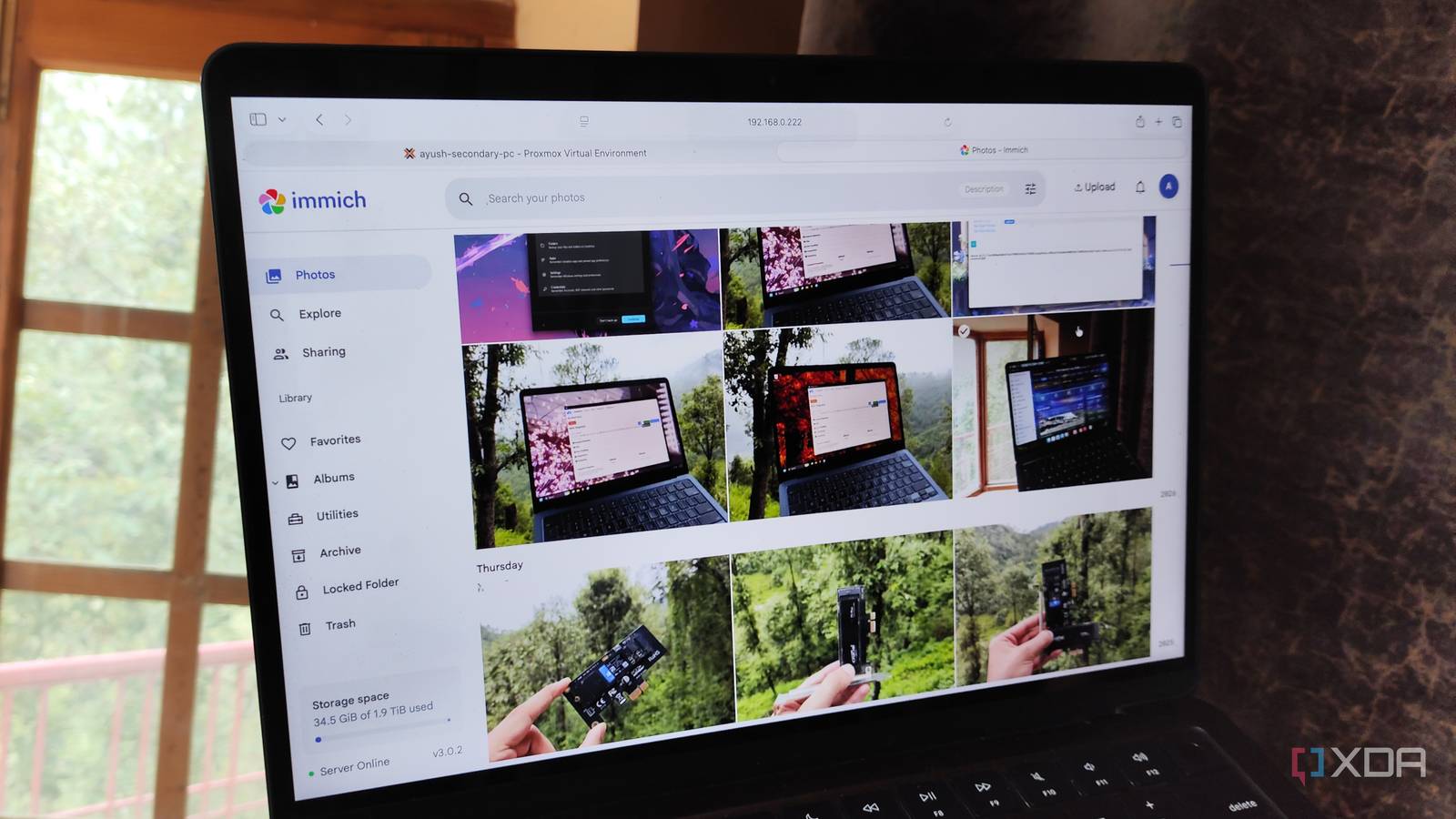
- Phase 1: The Migration. I began by setting up a basic Immich instance, ensuring that my family’s devices were syncing seamlessly. The goal was to replicate the "set it and forget it" nature of Google Photos.
- Phase 2: The Infrastructure Upgrade. As the library grew, so did the need for speed. I moved my Immich instance from a basic Docker container on a general-purpose server to a dedicated Linux Container (LXC) on Proxmox VE. This allowed for better resource isolation and, crucially, GPU passthrough.
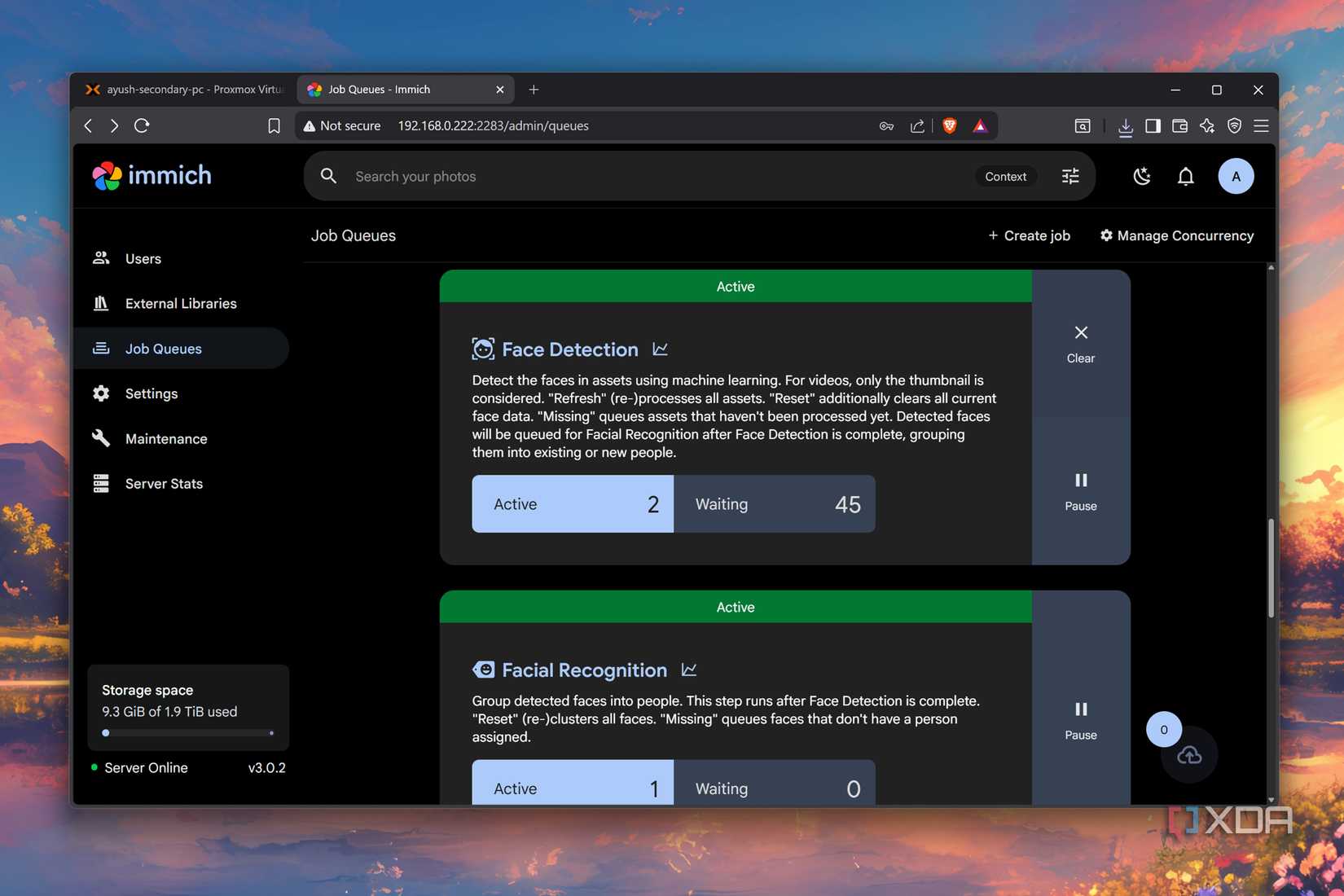
- Phase 3: The AI Integration. Once the infrastructure was stable, I began exploring Immich’s machine-learning capabilities. This involved deploying specific CLIP models for semantic search and configuring facial recognition to categorize years of family archives.
- Phase 4: The Optimization. With the system live, the final stage involved fine-tuning OCR (Optical Character Recognition) and deduplication scripts to ensure the library remained lean and searchable, effectively rendering my subscription to cloud storage redundant.
Harnessing the GPU: Why Local Inference Matters
There is a common misconception that local AI requires massive, enterprise-grade hardware. While training models is a resource-intensive endeavor, inference—the process of running a pre-trained model to tag a photo or search a library—is surprisingly accessible.
By passing a legacy graphics card—in my case, an aging NVIDIA GTX 1080—into my Immich LXC, I unlocked a tier of performance that cloud services usually gate behind subscription fees. The privacy implications are profound. When I use "Smart Search" to find a photo of my dog playing in the snow, the query never leaves my local network. There are no "clankers" (automated algorithms) scanning my images for data mining or advertising profiling.
Smart Search and Semantic Understanding
The Smart Search functionality in Immich is a game-changer. Unlike traditional tag-based systems that rely on manually assigned metadata, Immich utilizes CLIP (Contrastive Language-Image Pre-training) models. I personally use the ViT-L-16-SigLIP-256__webli model. It possesses a sophisticated grasp of natural language queries, allowing me to search for "sunset over the mountains in 2018" and receive accurate, context-aware results. While this process is more computationally expensive than keyword searches, the background processing tasks ensure that my interface remains snappy while the server handles the heavy lifting.

Facial Recognition, OCR, and the Power of Metadata
The value of an image library is defined by its discoverability. Immich excels here by leveraging hardware acceleration to perform complex analysis in the background.
Facial Recognition: Mapping the Family Tree
The facial recognition utility is remarkably precise. By grouping visually similar subjects, the system allows me to tag individuals once, after which the algorithm identifies them across thousands of photos. More impressively, by inputting birthdates for family members, Immich calculates their age at the time of the photo. This metadata-driven approach pairs perfectly with the "Memories" feature, which periodically serves up curated collections of life events, creating a nostalgic experience that rivals commercial alternatives without the privacy compromise.
OCR: Digitizing the Paper Trail
For many, photo libraries serve as de facto document archives. Whether it is a snapshot of a receipt, a menu, or an important contract, text-heavy images are common. By pairing my Immich instance with the PP-OCRv5-server model, I have effectively built a private document-indexing machine. While I utilize dedicated tools like Paperless-ngx for formal document management, having OCR baked into my photo gallery means that a quick search for a keyword found on a physical document buried in my photos yields immediate results.
The Technical Implementation: Proxmox and GPU Passthrough
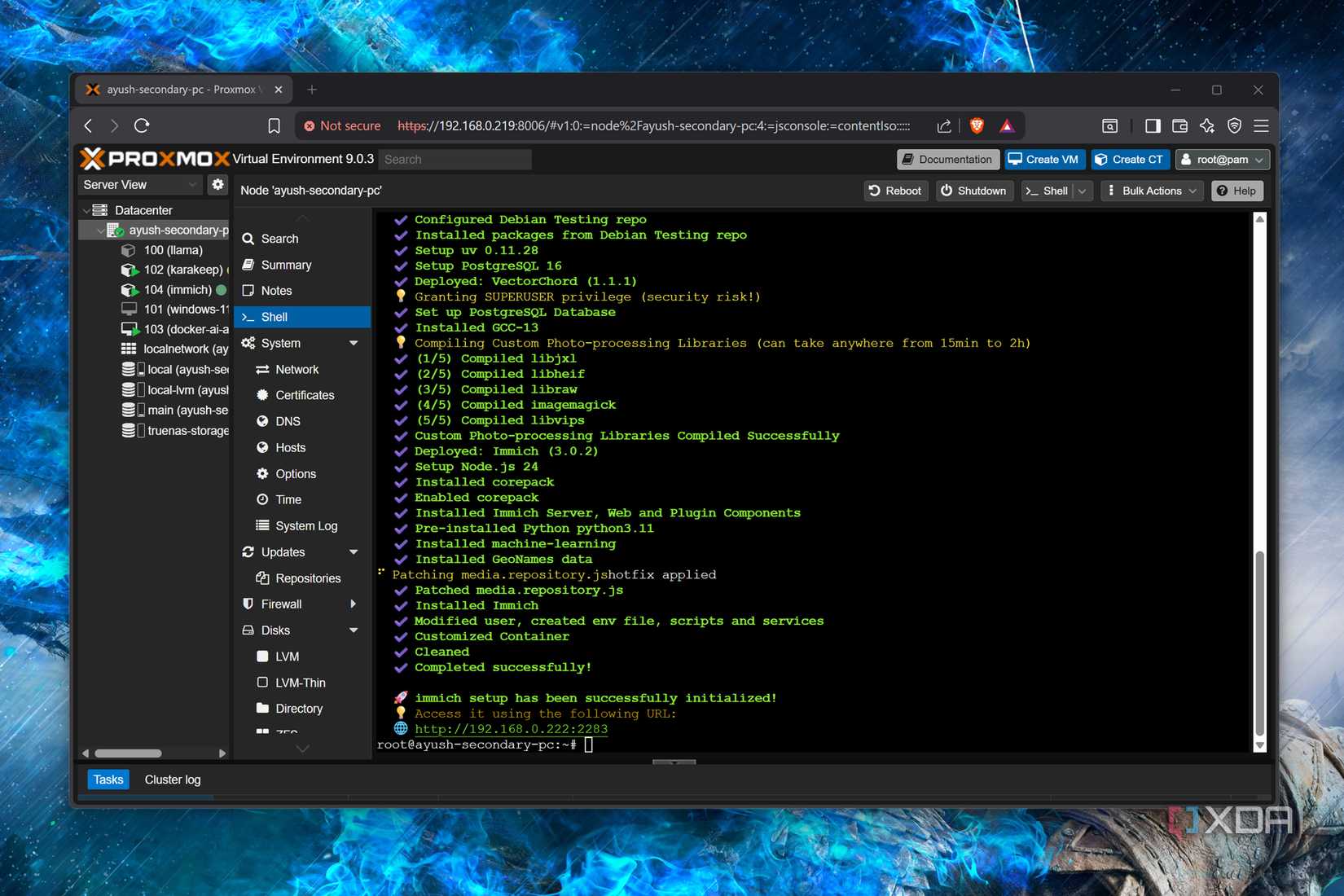
The technical backbone of this setup is Proxmox VE. For users looking to replicate this, the process is surprisingly straightforward, provided one handles the host-level drivers correctly.
Configuring the Host
Because I am using a Pascal-architecture GPU (the GTX 1080), I had to manually install the proprietary NVIDIA drivers on the Proxmox host.
- Driver Acquisition: I pulled the driver package directly from NVIDIA’s repository:
wget https://us.download.nvidia.com/XFree86/Linux-x86_64/580.119.02/NVIDIA-Linux-x86_64-580.119.02.run. - Execution: After setting the appropriate permissions (
chmod +x), I ran the installer to ensure the kernel modules were correctly recognized. - LXC Integration: The most efficient way to pass the GPU to the Immich container is through the community-maintained Proxmox VE-Helper Scripts. Executing the provided bash script automatically configured the container to communicate with the host’s GPU, bypassing the overhead associated with full virtualization (VMs).
Implications: A New Era for Personal Data Sovereignty
The shift toward self-hosted AI services like Immich represents a broader trend in the tech enthusiast community: the reclamation of digital autonomy.
Privacy as a Default
By moving my photo library to a self-hosted, air-gapped or firewall-protected server, I have eliminated the "third-party risk" factor. Google and other cloud providers operate on models that prioritize data harvesting. Even if their AI features are impressive, the cost of entry is the loss of privacy. Immich proves that we can achieve the same level of functionality—if not better—while keeping our data strictly under our control.
Accessibility for All
It is important to emphasize that you do not need a high-end GPU to enjoy Immich. The software is highly optimized. Even on a CPU-only setup, the core features—multi-user support, albums, and the mobile app—work flawlessly. The AI features are simply the "icing on the cake," providing a high-performance experience for those who choose to invest in the hardware.
The Responsibility of the User
With sovereignty comes responsibility. When you host your own data, you are the system administrator. This means you must be diligent about backups. A single-node Immich server is a single point of failure. Implementing a robust 3-2-1 backup strategy—utilizing snapshots, offsite storage, and regular integrity checks—is not optional. It is the price of total control.

Conclusion
My journey with Immich has been more than just a software migration; it has been a paradigm shift in how I view my digital life. By leveraging local machine learning, I have transformed a stagnant, privacy-invasive archive into a dynamic, searchable, and secure personal library.
For anyone who feels uneasy about the direction of commercial cloud storage, I encourage you to consider the path of self-hosting. Whether you have a rack of servers or a single spare PC, the tools available today are more powerful, accessible, and user-friendly than ever before. We no longer have to choose between convenience and privacy; with applications like Immich, we can finally have both.











