It is difficult to believe that ten years have passed since the world seemed to tilt on its axis. In the summer of 2016, city parks, historical landmarks, and quiet suburban streets were suddenly transformed into bustling hubs of activity, populated by millions of people staring intensely at their smartphones. This was the dawn of Pokémon GO, a title that transcended the boundaries of mobile gaming to become a genuine global phenomenon.
A decade later, as the game celebrates its milestone anniversary, it remains not just a successful app, but a masterclass in brand longevity, community building, and the power of nostalgia. To understand why Pokémon GO has defied the typical lifecycle of mobile software, we spoke with leading experts in the branding industry to dissect the psychological and strategic architecture that keeps players returning to the game, day after day.
The Genesis: A Decade of Augmented Reality
When Niantic launched Pokémon GO in 2016, it was the first time that the beloved Pokémon franchise—which had previously lived exclusively on Nintendo handheld consoles—was mapped directly onto the real world. By leveraging GPS technology and augmented reality (AR), the game turned the planet into a giant game board.
The initial rollout was chaotic, characterized by server crashes, overwhelming crowds at local landmarks, and a level of cultural penetration that few apps have ever achieved. However, the true story of Pokémon GO is not its explosive debut, but its quiet, consistent evolution. Over the last ten years, the developers have iterated on the core experience, adding raids, trainer battles, research tasks, and a rotating roster of hundreds of creatures from different generations of the franchise.
The Branding Secret: Emotion Over Utility
For Molly Frampton, Strategy Director at the renowned branding firm Interbrand, the longevity of Pokémon GO is a testament to "the power of emotion."
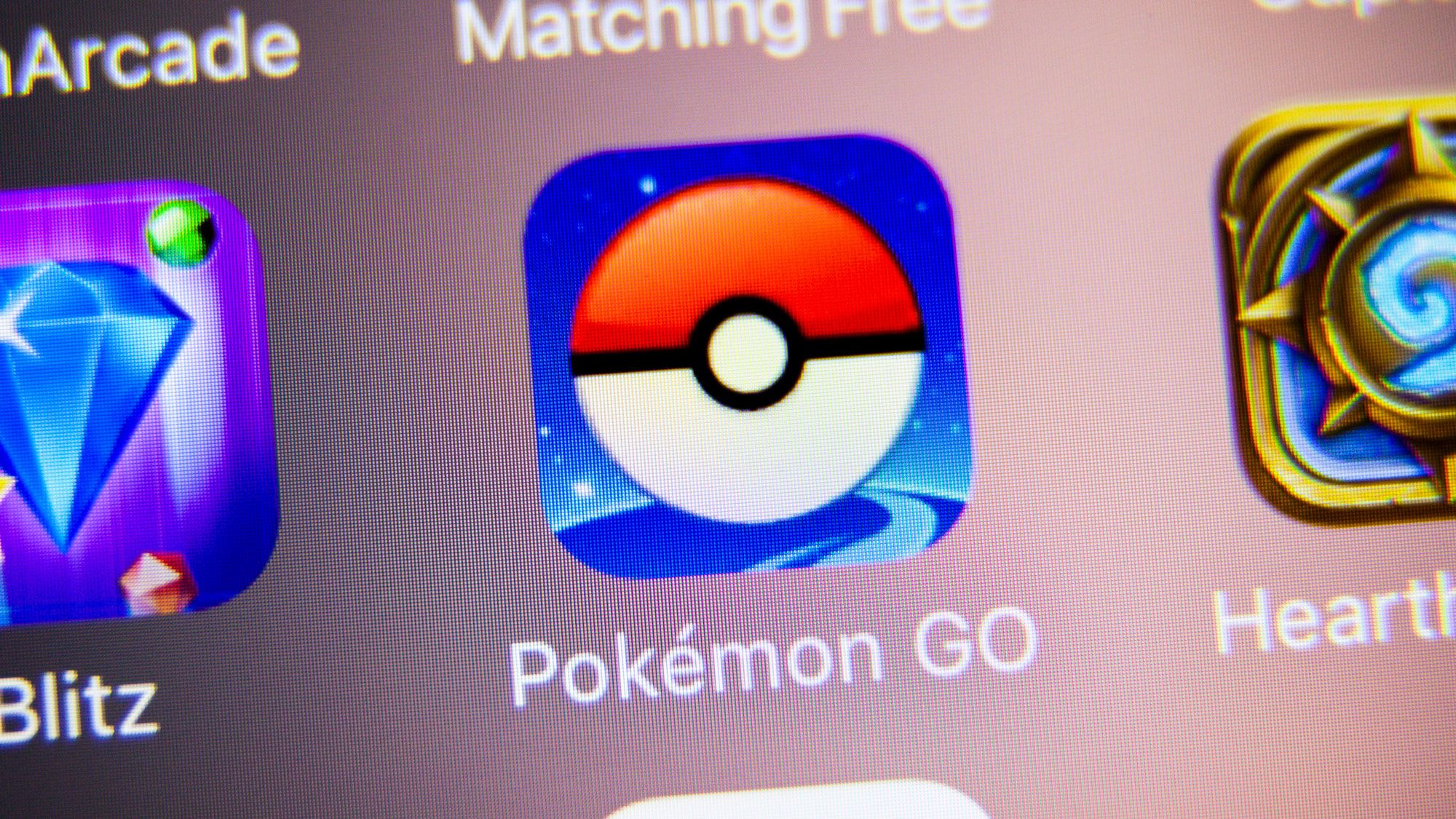
"When nostalgia, love—personally, for me, it’s Pikachu—and community meet, the possibilities are endless," Frampton explains. "A familiar brand or cultural reference can capture initial attention, but staying relevant for a decade requires a brand to continually provide people with new, meaningful reasons to engage. It is emotion that sets strong brands apart from the rest."
Frampton argues that Pokémon GO does not merely offer a product; it offers an identity. By becoming a part of the player’s daily routine, the app acts as a mirror of their values and passions. Once that emotional connection is established, the brand gains "limitless potential"—the ability to build deep, long-term affinity that is far more durable than the fleeting interest usually afforded to mobile games.
Bridging the Digital Divide: A Solution to Modern Loneliness
One of the most profound insights into Pokémon GO’s success lies in the current state of human connection. Despite living in the most hyper-connected era in history, sociologists and psychologists alike have noted a rising tide of loneliness.
"In today’s world, there is an unfortunate truth: we are more connected, but lonelier than ever," says Frampton. "This is why Pokémon GO thrived, and continues to thrive. It offers an organic, low-friction platform for like-minded tribes of people to gather in the real world around a shared passion."
The game effectively transforms consumers into members of a community. By creating opportunities for exploration, competition, and collaborative participation, the app provides an authentic sense of belonging. In a modern landscape where brands struggle to find genuine relevance, Pokémon GO has succeeded by providing a "third space"—a digital-physical hybrid environment where individuals can shed their isolation and engage with others who share their interests.
Design and Fandom: The "90s Kid" Appeal
Ben Gale, a senior designer at the brand consultancy Coley Porter Bell, offers a perspective from the trenches of the gaming community. Having played the game during its 2016 peak, Gale returned to the app for its 10th anniversary and found a significantly expanded landscape.
"I was surprised by how much had been added," Gale admits. "While it felt a little overwhelming as a returning player, I could immediately see why it’s still thriving. Pokémon GO sells a fantasy that 90s kids have been buying into their entire lives: the promise of exploring the world, catching creatures, completing the Pokédex, and making friends along the way."
Gale highlights that the series has always been built on discovery and trading. By moving these core loops into the real world, the game capitalizes on a deeply ingrained behavioral habit. "Some of its biggest challenges and rewards are deliberately designed around playing together," he notes. "When your franchise has more than 1,000 creatures designed to be collected, it’s no surprise the brand has managed to maintain relevance for so long."
The Mechanics of Longevity
Beyond the emotional connection, the game’s success is also a triumph of iterative design. The developers have avoided stagnation by:
- Continuous Content Updates: By introducing new generations of Pokémon, the game keeps the "discovery" element alive.
- Community-Centric Events: Monthly "Community Days" and large-scale, in-person events (like Pokémon GO Fest) create "anchor points" in the calendar, ensuring that the game remains a communal ritual.
- Real-World Integration: By partnering with local businesses and landmarks, the game integrates itself into the physical fabric of cities, making it feel like a part of the world rather than just an app on a screen.
Implications for Future Branding
What can other brands learn from this decade-long run? The lesson is that relevance is not a destination; it is a moving target.

"For brands thinking about longevity, that is the real takeaway," says Frampton. "Relevance isn’t something you achieve once, nor is it a given. It is something you earn and hone continuously through participation, shared experiences, and a clear sense of purpose."
The success of Pokémon GO demonstrates that in a volatile, fast-paced market, the most successful brands are those that can successfully blend digital convenience with physical reality. By fostering a sense of community, tapping into deep-seated childhood nostalgia, and consistently lowering the barrier to social interaction, Pokémon GO has secured its place as a permanent fixture in the digital landscape.
Looking Ahead
As we look toward the next decade, the challenge for Pokémon GO will be to continue evolving without alienating the core user base that has remained loyal for ten years. However, if the past decade is any indication, the game will likely continue to adapt.
The app has proven that it is more than a game; it is a social infrastructure. It has turned millions of people into explorers, collectors, and—most importantly—friends. As the franchise looks to the future, it serves as a powerful reminder that if you give people a reason to connect in the real world, they will show up—and they will stay.
For more insights into the evolution of design and branding, explore the best logos of all time and the most impactful rebrands of the 2020s. Stay tuned to Creative Bloq for the latest news at the intersection of technology, art, and design.