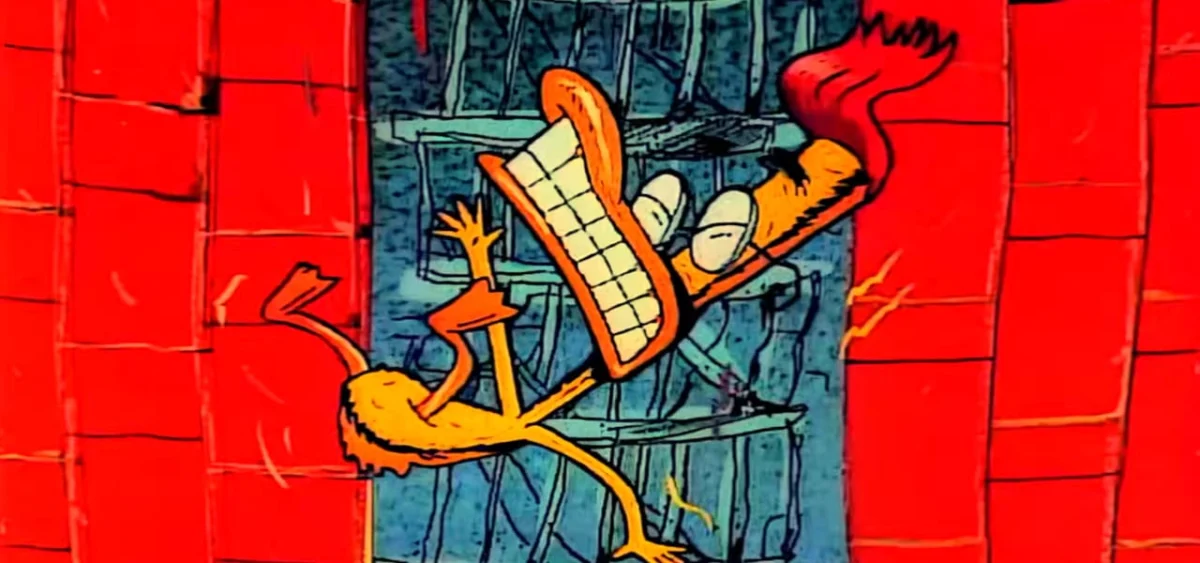
In the landscape of 1990s adult animation, few shows were as transgressive, visually distinct, or acerbic as Duckman: Private Dick/Family Man. Created by Everett Peck and produced by the legendary animation house Klasky Csupo, the series was a masterclass in “ugly-beautiful” design, characterized by a gritty, noir-inspired aesthetic that stood in stark contrast to the polished output of its contemporaries.
However, in July 2026, the legacy of this cult classic faced a jarring update. Gábor Csupó, the co-founder of Klasky Csupo and a titan of the industry, released a pitch video for a potential Duckman revival. The reaction from fans and critics alike has been one of collective bewilderment, raising urgent questions about the future of intellectual property, the role of generative artificial intelligence in professional animation, and the sanctity of nostalgic television.
Main Facts: The Pitch That Divided a Fandom
The central point of contention is a newly uploaded pitch video, intended as a proposed opening title sequence for a Duckman reboot. The clip features updated character models and a re-imagined theme song. Rather than returning to the hand-drawn, surrealist style that defined the original’s four-season run on USA Network, the new footage displays the hallmarks of contemporary AI-assisted animation: glossy, “Botoxed” character designs that lack the original’s jagged, expressive charm.
The video, which also contains inexplicable cameos from The Simpsons—a show Klasky Csupo helped pioneer—has been described by many observers as “soulless.” The aesthetic shift represents a fundamental departure from the original show’s ethos, which thrived on a deliberately unrefined, claustrophobic atmosphere. According to the accompanying video description, the rights to Duckman are currently held by Klasky Csupo and Grand Allure Entertainment, in coordination with CBS. The proposal suggests that the creators are actively seeking either a broadcast order for new episodes or interest from a major streaming platform.
A Chronology of a Cult Classic
To understand why this pitch has caused such a stir, one must examine the trajectory of Duckman.
- 1994 (March 5): Duckman premieres on the USA Network. It becomes an instant success for the fledgling “Cartoon Express” adult programming block, pushing the boundaries of what was considered acceptable for television animation.
- 1994–1997: The show airs for four seasons, cementing itself as a pillar of 90s counter-culture. It earns multiple award nominations and a dedicated following that appreciated its nihilistic, neurotic, and often profound exploration of the human (or, in this case, duck) condition.
- 1997 (September 6): The series finale airs, leaving behind a legacy of uncompromising artistic direction.
- 1998–2025: Duckman transitions into a cult classic, frequently cited by animators and writers as a formative influence on modern adult cartoons like Rick and Morty and BoJack Horseman.
- 2026 (July 16): Gábor Csupó releases the controversial revival pitch, igniting a firestorm of debate across the animation community regarding the intersection of legacy IP and modern digital tools.
Supporting Data: The Aesthetic Chasm
The original Duckman was a testament to the power of artistic limitation. In the 1990s, the “Klasky Csupo house style” was defined by unconventional proportions, muted palettes, and a sense of unease. The original opening sequence was iconic for its frantic, noir-jazz energy—a perfect sonic and visual representation of the protagonist’s descent into chaotic, narcissistic madness.
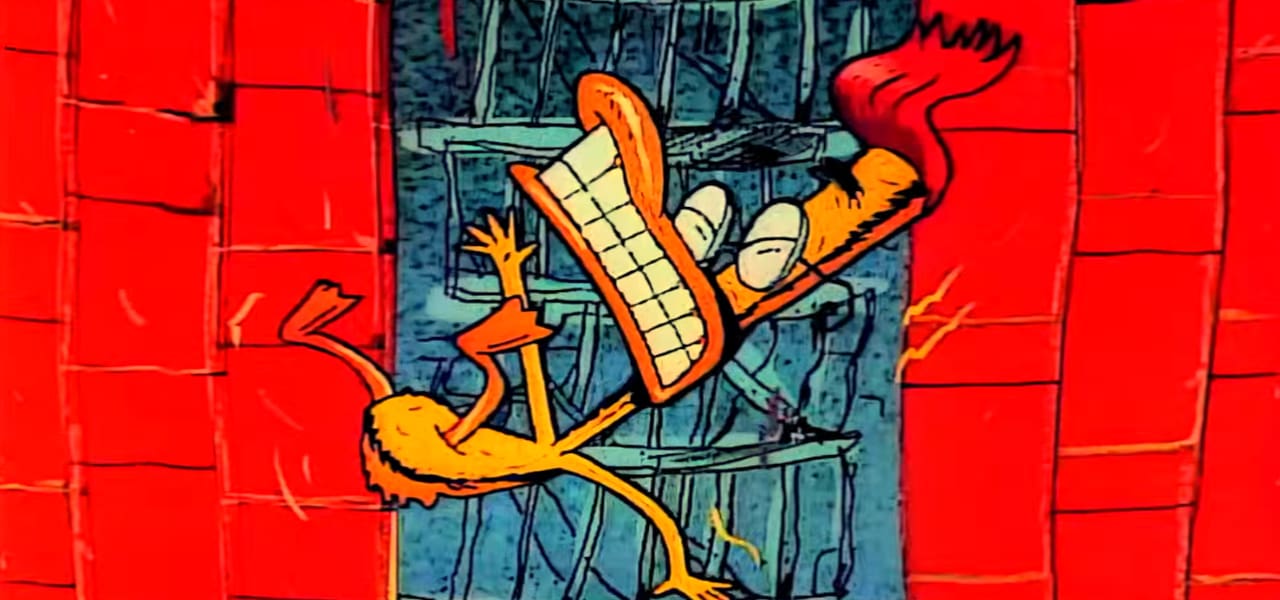
The 2026 pitch, by contrast, relies on a high-gloss, digital aesthetic that appears to flatten the depth of the characters. When comparing the two, the difference is not merely one of technical capability but of intent. The original visuals served the narrative; the new visuals appear to serve a trend. The “painful” new theme song, as noted in initial reporting, lacks the grit of the original composition, opting instead for a generic, high-fidelity sound that fails to capture the character’s inherent misery.
Furthermore, the inclusion of Simpsons cameos suggests a lack of narrative focus, turning what was once a distinct, cynical world into a “crossover product.” This is a common trope in modern studio pitches, where IP is treated as a commodity to be cross-pollinated rather than a contained artistic vision to be honored.
Official Responses and Industry Context
While there has been no formal statement from CBS or the stakeholders at Grand Allure Entertainment, the industry response has been deafeningly skeptical. In the animation sector, the rise of AI tools has been met with both curiosity and deep-seated fear. If a legendary studio head like Csupó is utilizing AI-style aesthetics for a high-profile pitch, it signals a massive shift in how studios perceive “cost-effective” development.
Industry insiders suggest that the pitch may be a “subversive provocation.” Some theories posit that Csupó is intentionally highlighting the absurdity of current trends in Hollywood, where studios prioritize familiar IP above all else. Others fear it is a genuine attempt to modernize a property without a sufficient budget for traditional, hand-drawn excellence. Regardless of the motive, the lack of an official, transparent explanation from the studio has allowed the narrative to be dominated by the negative reaction to the visuals.
The Implications: Why We Should Care
The potential revival of Duckman serves as a case study for the broader challenges facing the entertainment industry in the mid-2020s.
1. The Weaponization of Nostalgia
We are currently living in an era of “IP mining,” where studios look backward for safe bets rather than investing in original content. When a show like Duckman—which was defined by its defiance of norms—is resurrected with the same generic digital aesthetic as every other reboot, the essence of the original is lost. It turns a piece of art into a piece of “content.”
.png)
2. The AI Threat to Artistic Integrity
The use of AI-adjacent imagery in a professional pitch is particularly alarming. It suggests that the future of animation may be defined by algorithmic efficiency rather than human nuance. If the industry moves toward a model where AI is used to “refresh” classic aesthetics, we risk losing the distinct stylistic signatures that made the golden age of television animation so compelling.
3. The Rights Holder Responsibility
Klasky Csupo and CBS have a responsibility to the legacy of the late Everett Peck. Peck’s work was deeply personal, strange, and entirely his own. By presenting a version of Duckman that looks and feels like a sanitized, AI-generated parody, the current rights holders are inadvertently signaling that they do not understand what made the show worth remembering in the first place.
Conclusion: A Better Way Forward?
If Duckman is to return, it must do so on its own terms. It requires the chaotic, uncomfortable, and uniquely "ugly" spirit that defined its four-season run. The current pitch video is a cautionary tale—a reminder that simply holding the rights to a property is not the same as holding its soul.
Perhaps the most poignant aspect of this controversy is the realization that some stories are best left as they were: finite, flawed, and forever lodged in the memories of those who loved them. If a studio truly believes that Duckman deserves a second life, they must prove it by investing in the craft, the artists, and the singular, bizarre vision that made the duck a legend. Anything less is not a revival—it is a desecration.
Until then, fans would be better served by returning to the original opening sequence, a reminder of a time when animation wasn’t afraid to be a little bit messy, a little bit weird, and entirely, authentically human.