Iffa Jayyana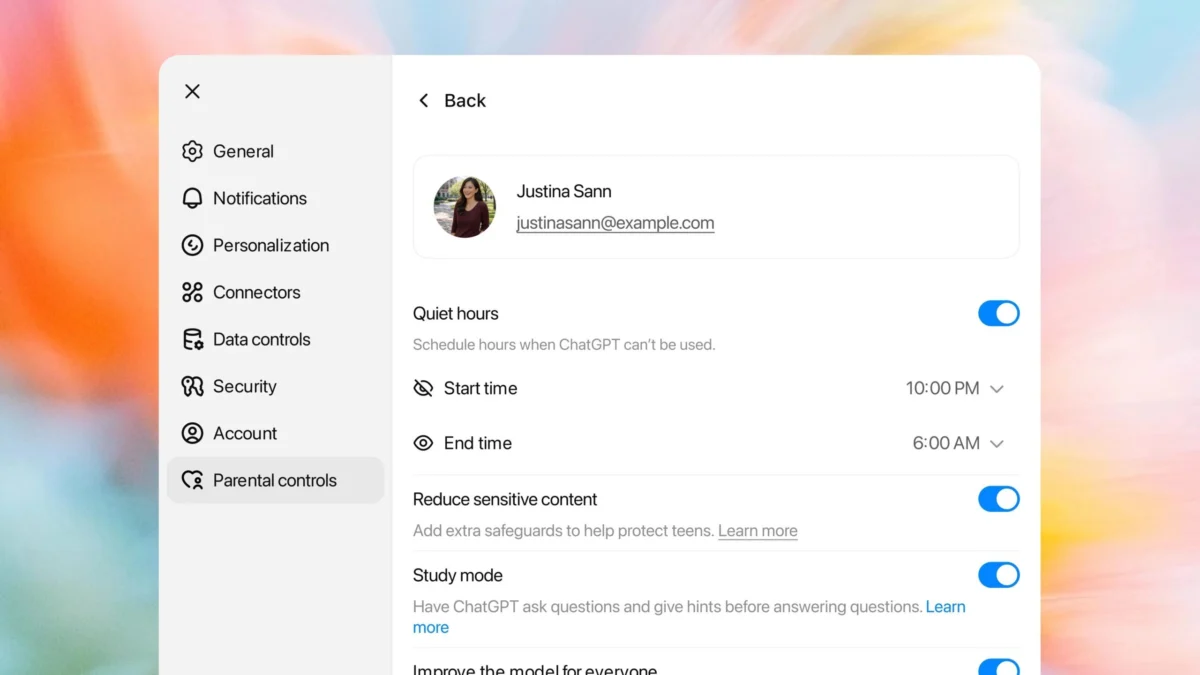
As generative artificial intelligence becomes an inescapable pillar of modern education and digital social life, OpenAI has unveiled a comprehensive suite of safety updates designed specifically for teenage users. Recognizing that nearly 90% of adolescents already utilize ChatGPT on a weekly basis for homework, research, and organizational tasks, the company is pivoting away from simple content restrictions toward a more nuanced, pedagogical approach to AI safety.
This overhaul introduces granular parental controls, mandatory "Study Mode" defaults, and behavioral safeguards aimed at promoting healthy digital habits. The shift represents a significant evolution in how Silicon Valley tech giants manage the intersection of rapid AI adoption and the developmental needs of young users.
The Core Mandate: Protecting the Next Generation
OpenAI’s decision to implement these features stems from a philosophical shift regarding AI in schools. Rather than banning access—a move the company argues would leave students ill-equipped for the future workforce—OpenAI is embracing the role of a digital mentor. By integrating safety directly into the interface, the company aims to bridge the gap between "unrestricted access" and "total prohibition."
The new safety architecture uses sophisticated age-prediction models to classify users under 18. If the system cannot definitively verify a user’s age, it defaults to the most stringent safety protocols, ensuring that younger teens are shielded from potentially harmful content, including graphic violence, imagery associated with eating disorders, or high-risk social media "challenges" that often circulate in digital spaces.
Chronology of the Update
The rollout of these features follows months of internal testing and consultation with child safety advocates and educators.
- Initial Discovery Phase: OpenAI observed that a massive majority of students were bypassing traditional search engines in favor of conversational AI.
- Safety Policy Development: Throughout early 2026, the company collaborated with developmental psychologists to identify "at-risk" behavioral markers in AI interactions.
- Pilot Testing: In the spring of 2026, a limited group of users began testing "Study Mode" and new parental dashboard features.
- Global Implementation (July 2026): The current suite of tools, including Quiet Hours and automated emotional distress alerts, is now being pushed to all eligible teen accounts worldwide.
Supporting Data and User Behavior
The scale of this challenge is reflected in current usage statistics. Over 18 million users interact with OpenAI’s math and science-focused tools on a weekly basis, spanning over 250 distinct academic topics. This high volume of traffic necessitates more than just a firewall; it requires a structural design that encourages "active learning."
The transition from a "shortcut" tool—where a student asks for an answer—to a "tutoring" tool—where the AI acts as a guide—is the primary metric for success. According to internal reports, the introduction of "Study Mode" has successfully shifted user intent. Instead of providing immediate solutions, the AI now breaks down complex problems into conceptual steps, requiring the user to engage with the material rather than simply copy-pasting the output.
Empowering Parents: The New Control Dashboard
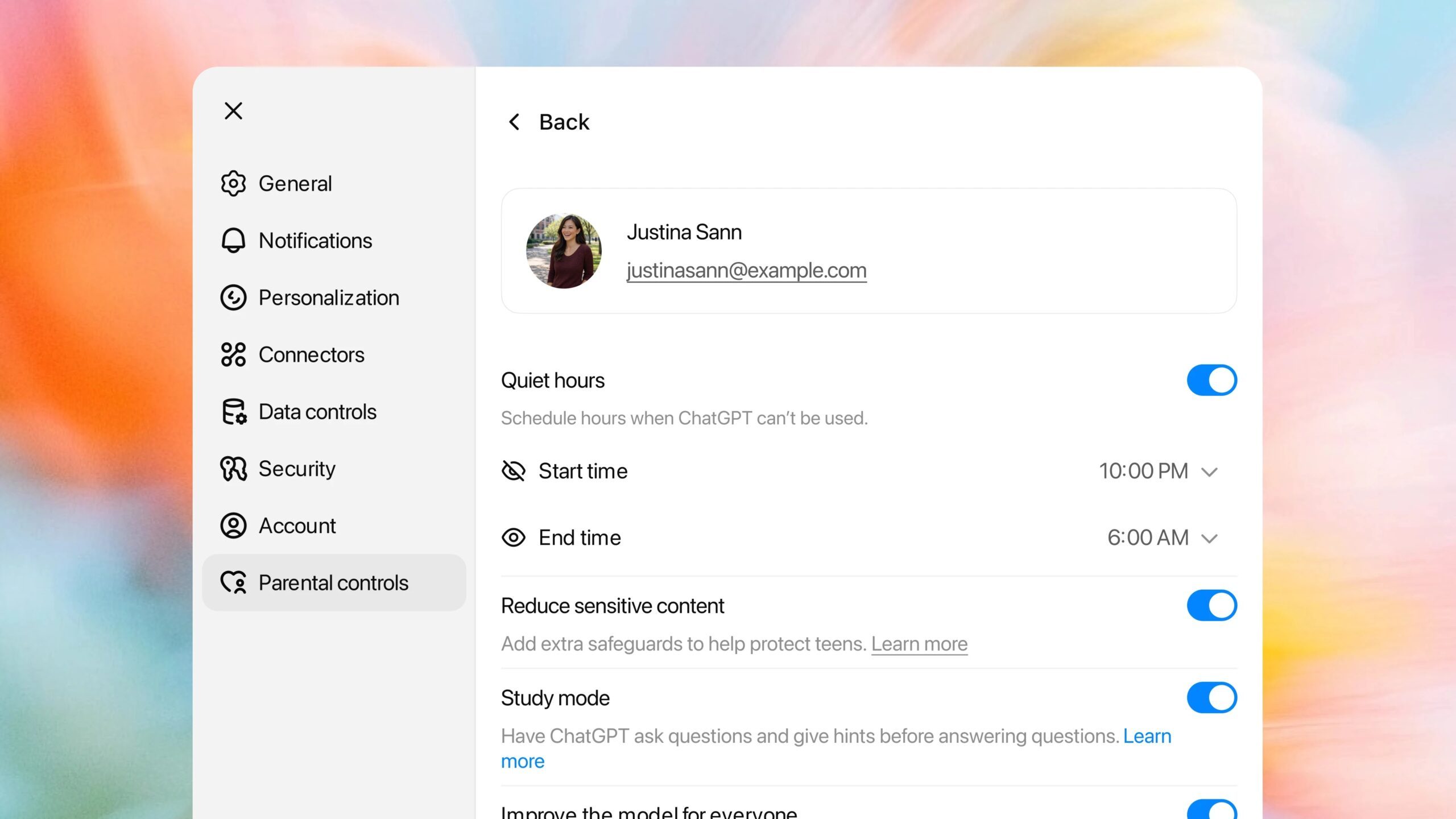
The most significant change for families is the introduction of a robust parental control panel. Parents now possess the autonomy to dictate the parameters of their teen’s digital experience.
Key Parental Features Include:
- Quiet Hours: Parents can now set "blackout" periods during which the ChatGPT interface becomes inaccessible, encouraging sleep and periods of disconnection from screens.
- Voice Mode Restrictions: Recognizing that voice interactions can lead to prolonged, less-monitored sessions, parents can now toggle Voice Mode on or off.
- Image Generation Oversight: To prevent the misuse of AI-generated visuals, parents can restrict or enable the DALL-E image generation features on a per-account basis.
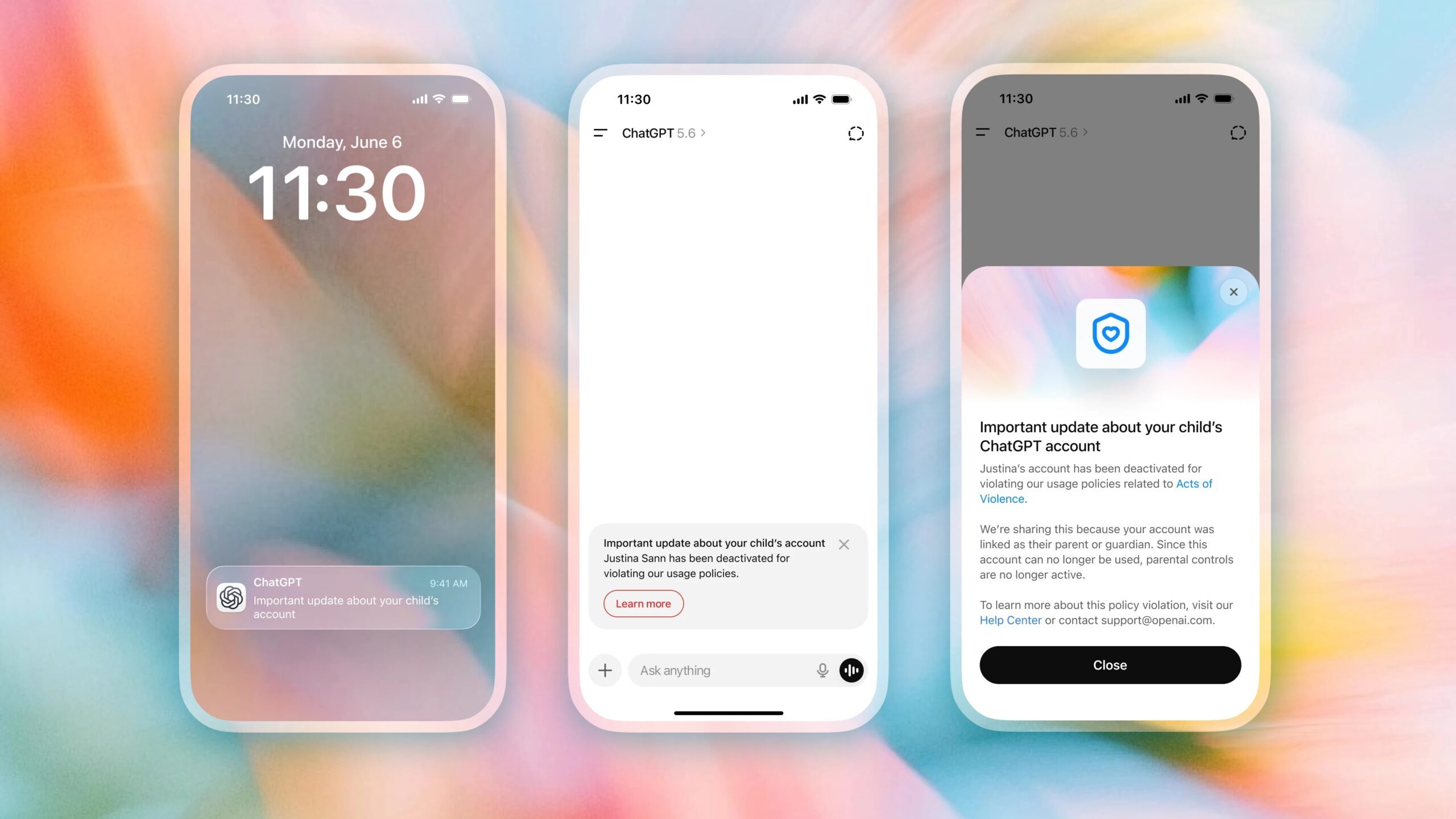
- High-Risk Notifications: In instances where the AI detects signs of acute emotional distress or potential self-harm, the system is designed to alert parents. This feature has been the subject of intense ethical debate, balancing the need for safety with the teenager’s right to privacy.
Official Responses and Ethical Implications
OpenAI’s official stance, as articulated in their recent blog post, emphasizes that "teens deserve access to safe AI." The company argues that because AI is a defining technology of this generation, shielding them from it is a disservice to their future career readiness.
However, the move has drawn scrutiny from digital privacy advocates. Critics argue that the "high-risk notification" system creates a surveillance state within the home. Conversely, proponents argue that the prevalence of mental health crises among teens justifies the inclusion of such "safety nets."
"We are not trying to play the role of a parent," says a spokesperson for OpenAI. "We are providing the tools so that parents can define the boundaries that work best for their specific family dynamics."
Implications for Education and Future Development
The implications of these changes extend far beyond the home. Schools are now looking to adopt these "teen-safe" versions of AI to integrate into their curriculums. By forcing the AI to act as a pedagogical tool—using Study Mode by default—educators hope to mitigate the widespread fears of academic dishonesty that plagued the initial launch of ChatGPT.

Furthermore, these updates signal a broader trend in the tech industry: the "Safety-First" design cycle. As Google, Meta, and others continue to compete in the AI space, the bar for entry for younger users is being raised. Features like those recently introduced by OpenAI will likely become the industry standard, effectively ending the era of the "wild west" in generative AI.
A Broader Digital Context
It is important to view these developments alongside other major shifts in the industry. As noted in recent reports, the ecosystem of digital assistants is becoming increasingly interconnected.
For instance, the recent upgrade to ChatGPT’s search functionality—which allows users to parse through past images, files, and conversations—provides a "memory" to the AI that makes these safety features even more critical. If an AI "remembers" a student’s past struggles or academic history, that data must be managed with extreme care.
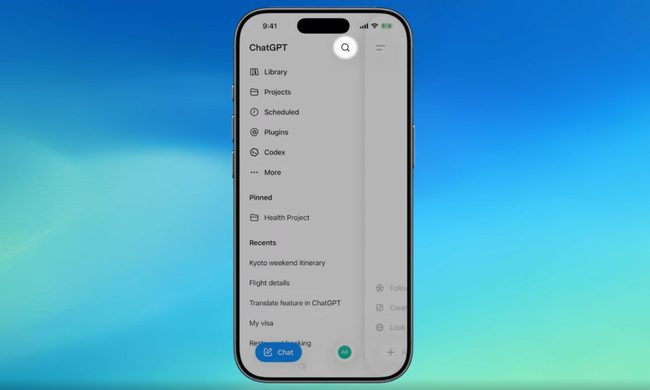
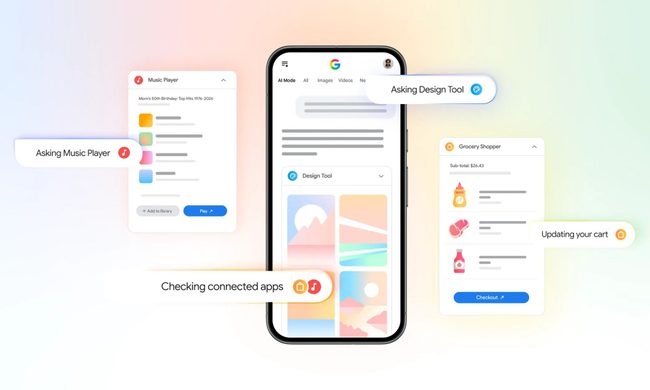
Similarly, Google’s integration of third-party apps like Instacart and Canva into its AI Search suggests that we are moving toward an era of "Action-Oriented AI." When AI can perform tasks—like ordering food or editing videos—the need for parental guardrails becomes even more urgent to prevent unauthorized transactions or inappropriate media creation.
Conclusion: The Path Forward
The path forward for AI in the lives of teenagers is undeniably complex. OpenAI’s decision to lead with these safety features is a recognition that trust is the most valuable currency in the AI market. By giving parents the power to set "Quiet Hours" and by nudging teens toward "Study Mode," OpenAI is attempting to build a product that is not just powerful, but also responsible.
As we look toward the remainder of 2026 and into 2027, the success of these measures will depend on how effectively they are implemented across different cultural and educational contexts. One thing is clear: the conversation around AI has shifted from "Can we use it?" to "How do we use it safely?"
By prioritizing structural design over simple censorship, OpenAI is setting a precedent that other AI developers will likely be forced to follow. For the millions of teens who rely on ChatGPT as a daily digital companion, the AI of tomorrow will be a more structured, guided, and significantly safer experience.
Quick Summary of New Features
- Age-Based Defaults: Automatically applies safety filters for users under 18.
- Study Mode: Shifts the AI from providing answers to facilitating step-by-step learning.
- Quiet Hours: Allows parents to restrict usage during specific times of the day.
- Voice/Image Controls: Granular management of generative media and voice interaction features.
- Distress Alerts: Proactive notifications for parents in high-risk scenarios involving emotional well-being.
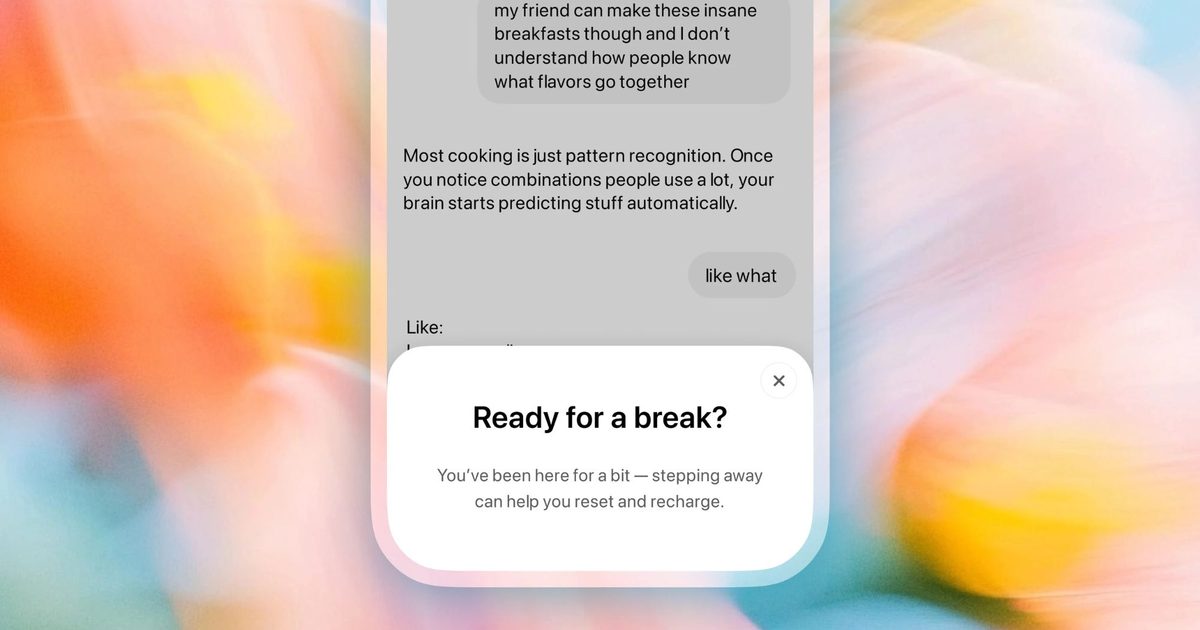
- Mandatory Break Reminders: Encourages digital wellness by prompting users to step away during extended sessions.


 Azzam Bilal Chamdy
 Laily UPN