Jia Lissa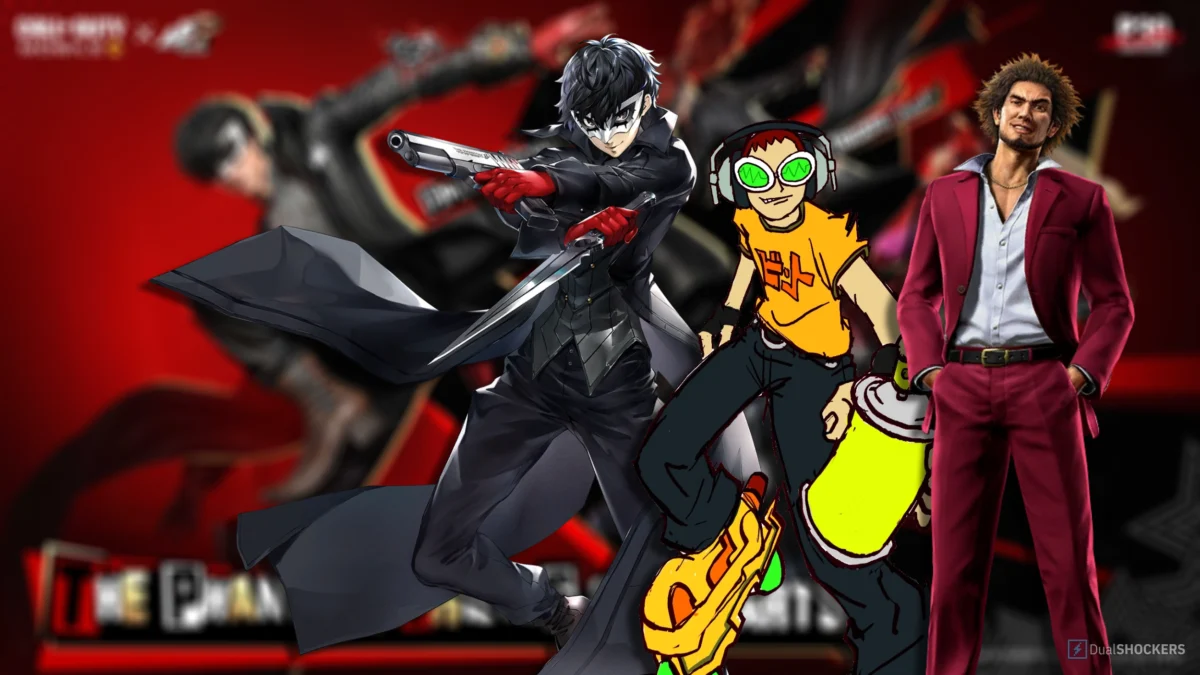
The world of gaming is no stranger to the "crossover event," a marketing strategy designed to bridge fanbases and inject fresh energy into established titles. However, few franchises have embraced this nomadic lifestyle as aggressively as Persona 5. With the recent launch of the Call of Duty: Mobile crossover—featuring iconic Phantom Thief outfits and a specialized “Plunder Treasure Hunter” mode—the industry finds itself at a crossroads. While these collaborations generate immense revenue, they raise significant questions regarding thematic consistency, brand identity, and the long-term impact of "crossover fatigue."
The Mechanics of the Crossover: A Chronological Overview
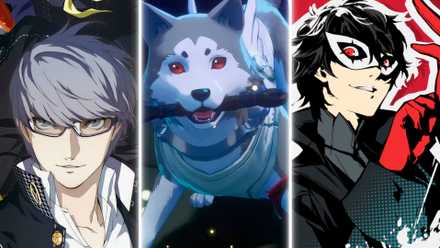
Atlus and Sega have cultivated a strategy that treats the Phantom Thieves not merely as protagonists of a JRPG, but as a recognizable cultural brand. This journey began shortly after the release of Persona 5, with the characters appearing in various mobile titles and spin-offs.
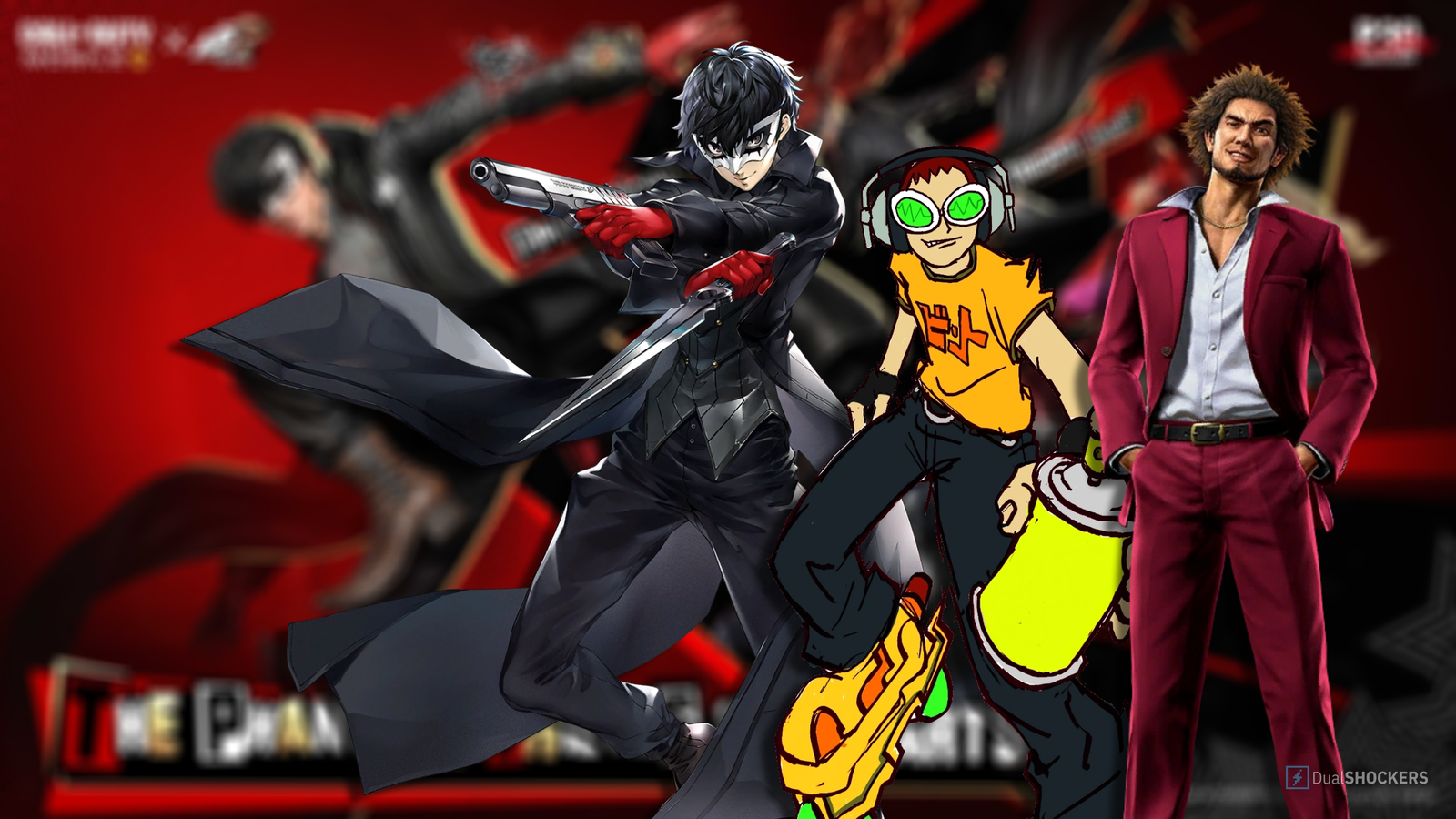
The strategy evolved from simple cameos to full-blown integrated events. By 2025 and 2026, the frequency of these events reached a fever pitch. From Super Monkey Ball to Sonic Racing, and most recently, the controversial integration into the hyper-realistic military combat of Call of Duty: Mobile, the Phantom Thieves have become a ubiquitous presence in the digital landscape.
The Call of Duty: Mobile event represents the most radical departure yet. By placing characters like Joker, Panther, and Queen into a gritty, realistic combat theater, the developers have effectively decoupled the characters from their original source material. This shift highlights a transition from "thematic integration" to "aesthetic commodification," where the visual silhouette of the character is prioritized over the narrative context of their origin.

Supporting Data: Why Developers Choose the Thieves
From a business perspective, the logic is sound. Persona 5 boasts a distinct, high-contrast visual identity—red, black, and white motifs—that translates perfectly into marketing materials. Data from recent fiscal quarters indicates that crossover events involving high-profile JRPG characters significantly boost player retention and microtransaction spending.
However, the cost of this visibility is the dilution of the brand. When the Phantom Thieves appear in a game like Call of Duty, they are stripped of their core motivation: the subversion of corrupt adult authority. In the context of a team-based shooter, they are essentially "skins"—hollow shells of their former selves. The financial incentive, however, remains too strong to ignore. Developers are capitalizing on the "crossover curse" effect: even if players critique the thematic clash, the novelty drives engagement, and engagement drives revenue.
Official Stance and Industry Implications
While Atlus and Sega have remained relatively quiet regarding specific criticisms, their actions suggest a long-term commitment to this "omnipresent" strategy. Industry analysts suggest that the goal is to keep the Persona brand relevant in the years between major mainline releases. By seeding the characters into disparate genres, the publishers ensure that the "Persona" aesthetic remains lodged in the collective consciousness of the global gaming audience.
Critics, however, argue that this strategy risks the "over-saturation" of the brand. There is a growing concern that by allowing the characters to appear in settings that actively clash with their established lore, the publishers are sacrificing long-term brand equity for short-term engagement spikes.
Thematic Dissonance: The "Identity Crisis" of Crossovers
The fundamental issue with recent collaborations lies in the disconnect between gameplay and character. The Phantom Thieves are defined by their covert nature, their rebellion against societal rot, and their reliance on supernatural abilities. In games that focus on raw, tactical firearms combat, these nuances are discarded.
For instance, in Call of Duty: Mobile, the sight of a teenager wielding a high-powered assault rifle to engage in a "Plunder" mode feels jarring to longtime fans. The core of the Persona experience is the psychological and the personal; placing these characters into a game where they are simply "units" on a battlefield undermines the very writing that made them popular in the first place.
Future Possibilities: Where Could the Thieves Go Next?
Despite the critiques, the appetite for these crossovers remains insatiable. If we are to move toward more "thematically appropriate" collaborations, several potential avenues exist that would honor the spirit of the Persona franchise:
1. Infinity Nikki: A Fashion-Forward Collaboration
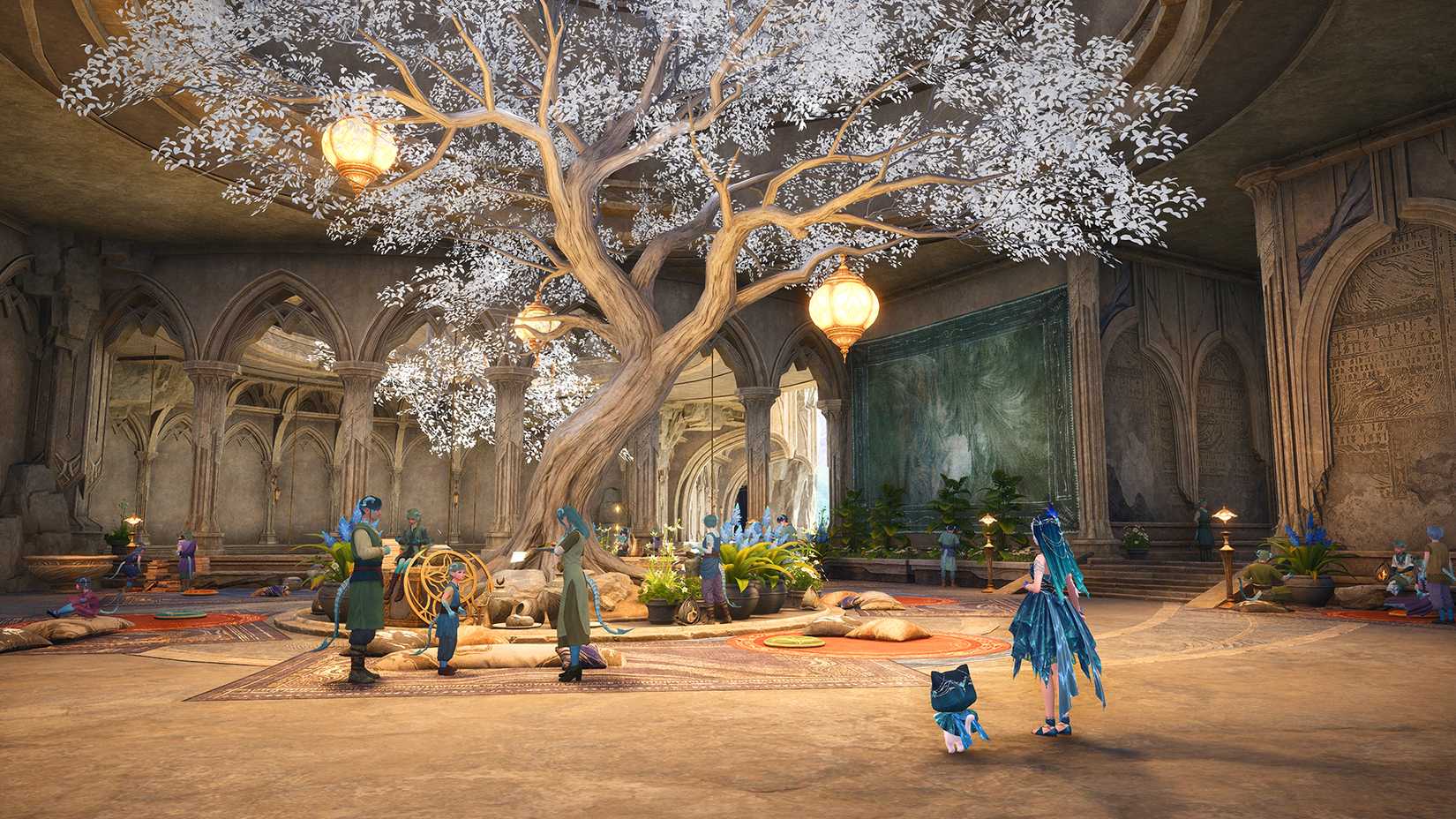
Infinity Nikki offers a unique opportunity. Given that Ann Takamaki is an aspiring fashion model, a collaboration here would feel organic. Instead of guns, the gameplay would focus on the aesthetic presentation and style-offs, allowing the Phantom Thieves to express themselves through the medium of clothing rather than violence.
2. Zenless Zone Zero: Urban Fantasy Synergy
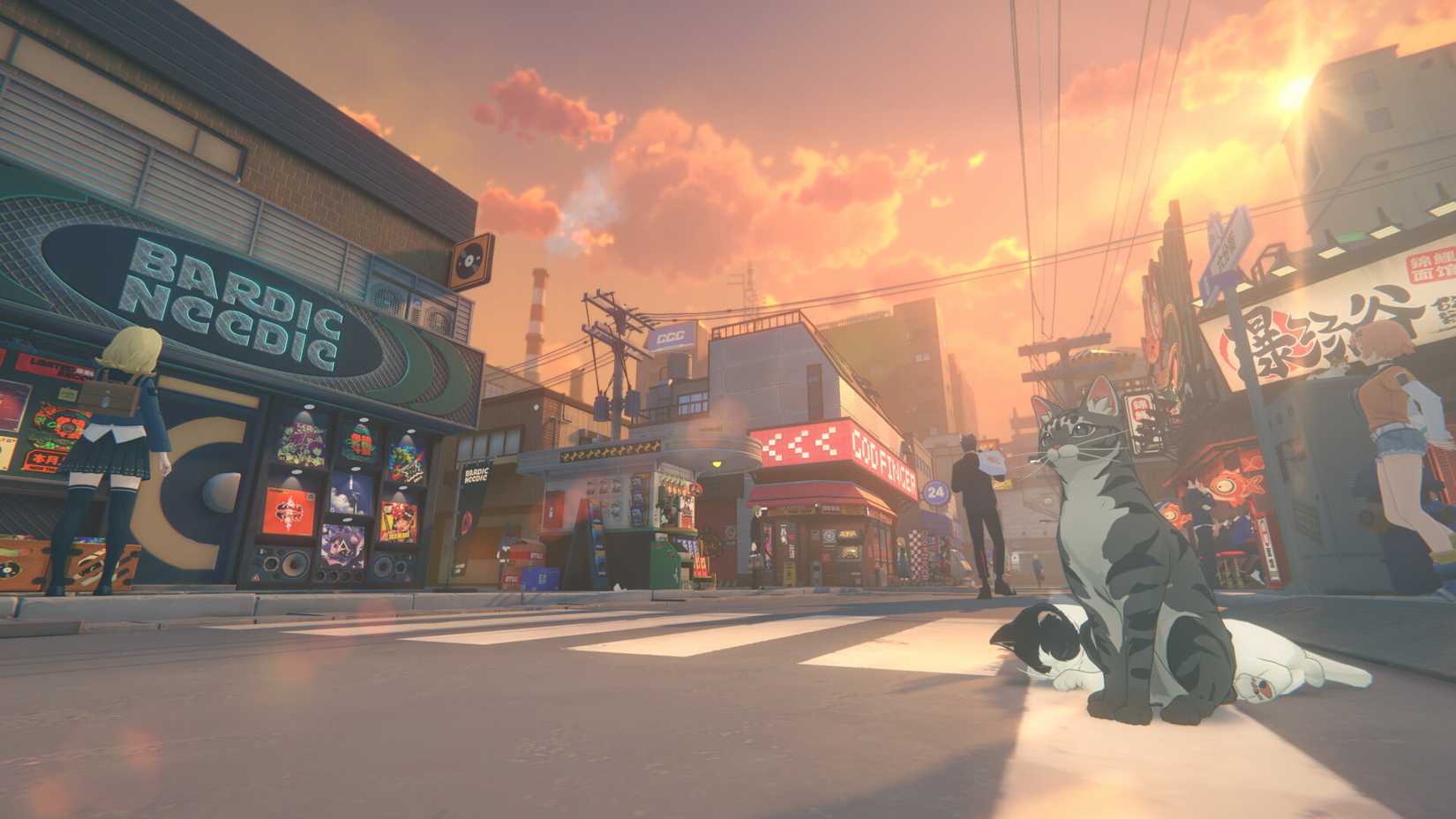
Hoyoverse’s Zenless Zone Zero (ZZZ) is perhaps the most natural fit. Both Persona 5 and ZZZ share a love for high-energy, urban fantasy aesthetics. Integrating Joker and Mona into the world of New Eridu would require minimal thematic gymnastics. The "Metaverse" concept of Persona aligns well with the "Hollows" of ZZZ, allowing for a story-driven event that feels like a natural extension of both universes.
3. Everybody’s Golf: Athletic Prowess
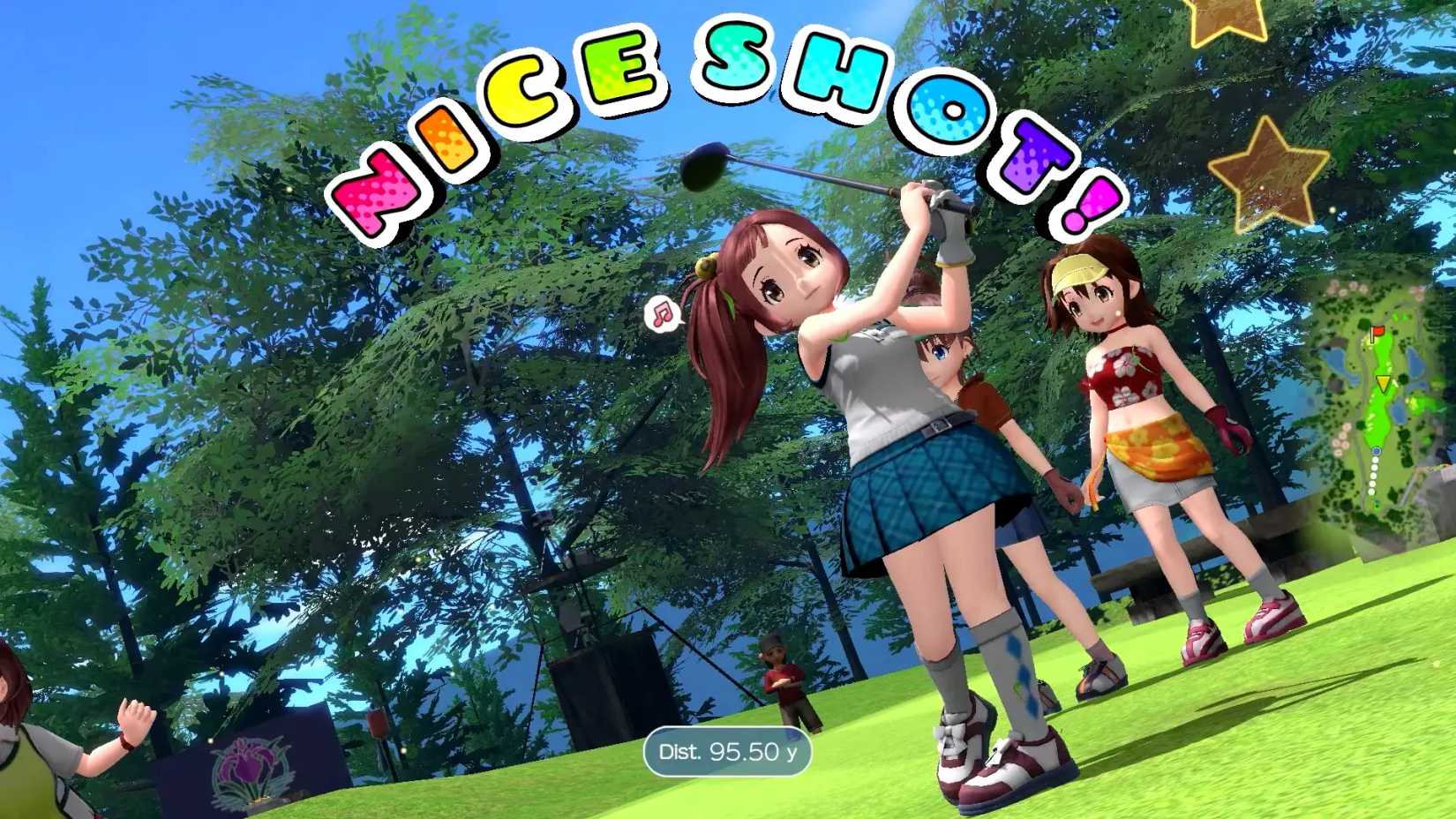
Joker is a character of hidden talents—fishing, batting, and studying. A crossover with Everybody’s Golf could lean into the quirkier side of the character. A Mementos-themed golf course, complete with subway motifs and Eiha particle effects, would be a delightful, low-stakes way to integrate the brand without the baggage of military-themed warfare.
4. Jet Set Radio: The Rebellious Spirit
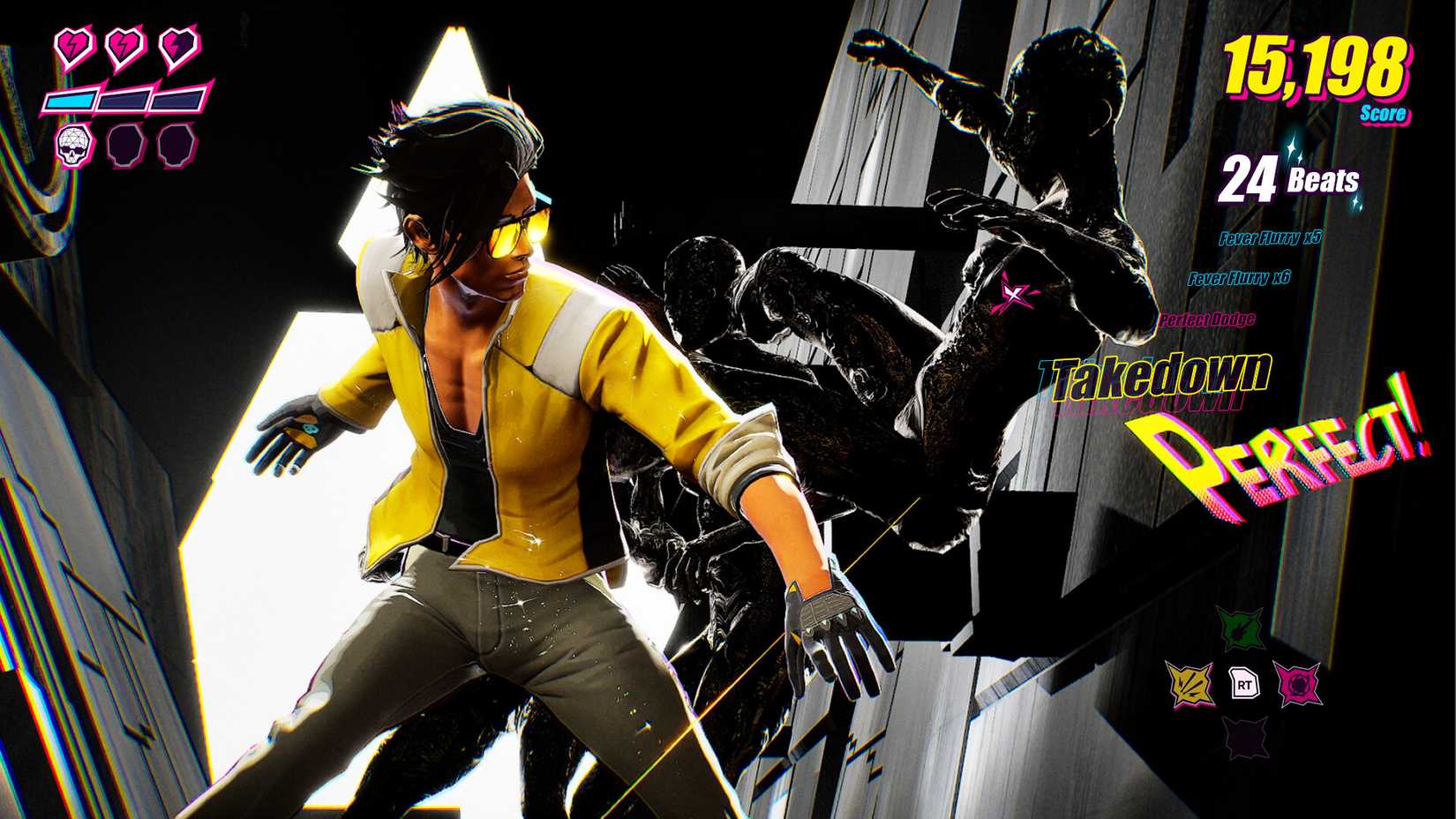
Perhaps the most fitting future collaboration would be with the upcoming Jet Set Radio. Rebellion against the status quo is the beating heart of both franchises. In Jet Set Radio, the act of graffiti is a form of protest against an oppressive government. This mirrors the Phantom Thieves’ mission to change hearts and challenge authority. A guest appearance by the Thieves—complete with Arsene-winged skates—would not only be visually stunning but thematically consistent with the DNA of both series.
Conclusion: A Delicate Balance
The Persona 5 crossover phenomenon serves as a case study for the modern gaming industry. It demonstrates that characters can transcend their original games to become icons of popular culture. However, the path forward requires a more delicate balance.
If the goal is to maintain the prestige of the Persona brand, future collaborations should prioritize thematic resonance over sheer reach. While the profit margins of Call of Duty are difficult to argue with, the long-term health of a creative property depends on the integrity of its characters. As we look toward the future, one hopes that publishers will look for partners that align with the soul of the Phantom Thieves, rather than simply the reach of their player base.
The Phantom Thieves were built to steal hearts—not just to populate the rosters of every shooter on the market. By choosing collaborations that celebrate the style, the rebellion, and the personality of these characters, Atlus can ensure that their legacy remains as sharp and enduring as the blades they carry into the Metaverse.

 Neng Nana
 Pevita Pearce