

By Melissa Sarnowski
Published May 16, 2026, 8:30 AM EDT
The Final Fantasy franchise, a cornerstone of the JRPG genre for decades, is renowned for its epic storytelling, breathtaking visuals, and, of course, its unforgettable villains. While many antagonists are driven by pure malice or a lust for power, a closer examination of the series reveals a fascinating array of antagonists whose motivations, while leading to conflict, often blur the lines between good and evil. These complex characters frequently operate with goals that, at their core, aim to "save" the world or a specific group, only to be deemed villains due to their extreme methods or the devastating consequences of their actions. This nuanced approach to villainy not only deepens the narrative but also prompts players to question the very definition of heroism and villainy.
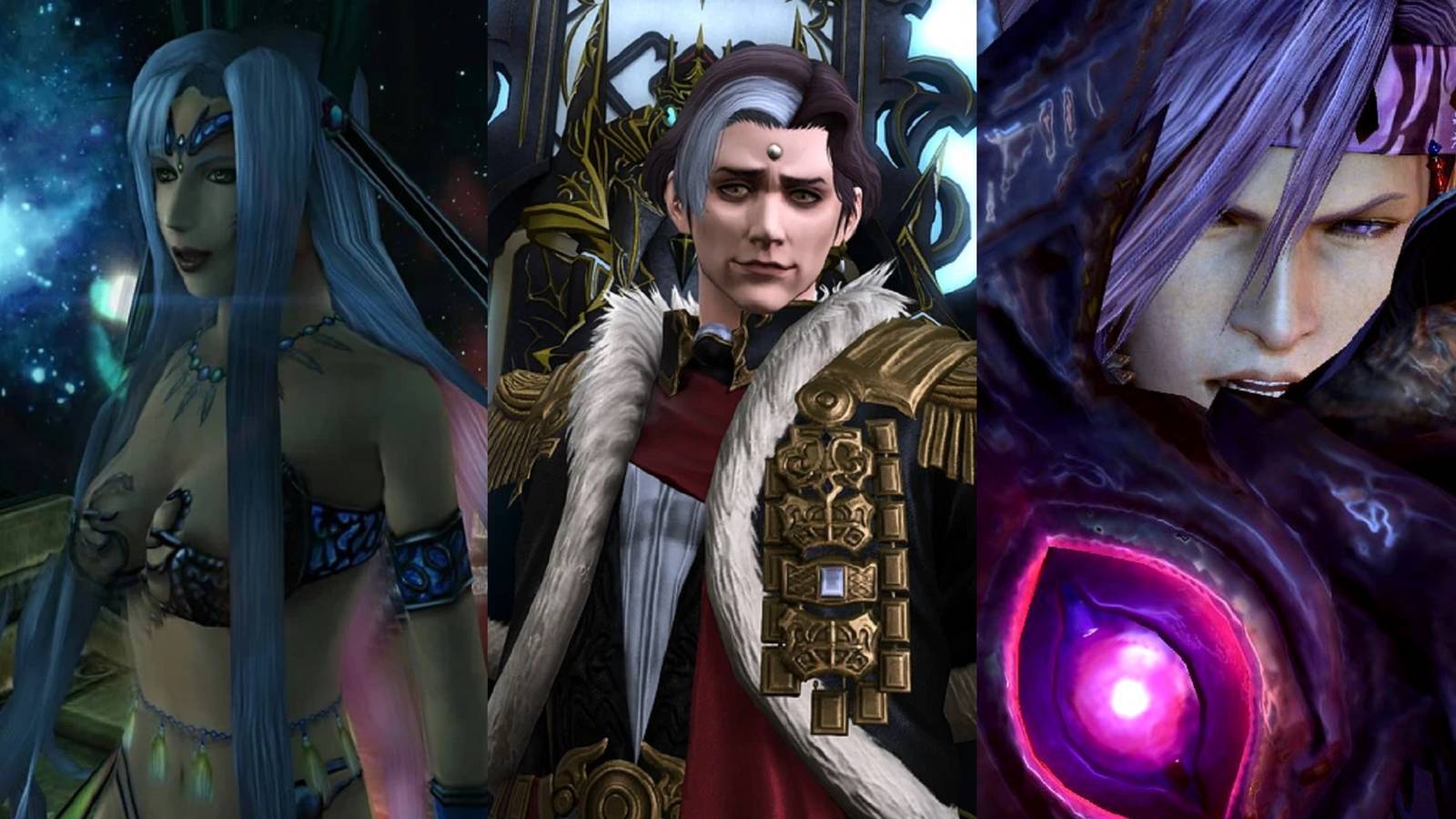
This article delves into some of the most compelling examples of these morally ambiguous antagonists within the Final Fantasy universe, exploring their motivations, the circumstances that shaped them, and why their complexities make them more memorable than many purely malevolent foes.
The Spectrum of Villainy: Beyond Black and White
Final Fantasy’s narrative tapestry is rich with characters who operate in the gray areas of morality. These are not simply evil beings to be vanquished, but often tragic figures whose actions stem from profound loss, a desperate desire for peace, or a misunderstood vision for a better future. Their stories challenge players, forcing them to confront difficult questions about the cost of achieving noble goals and the subjective nature of good and evil.

Key Takeaways:
- Complex Motivations: Many Final Fantasy villains are not inherently evil but are driven by understandable, albeit extreme, desires.
- Tragic Backstories: Often, their villainous paths are a result of personal tragedy, societal corruption, or a flawed understanding of the world.
- Impact on Narrative: These nuanced antagonists elevate the storytelling, making the games more thought-provoking and emotionally resonant.
- Player Empathy: Their motivations can foster empathy, leading players to question who the "true" villains are.
A Chronicle of Antagonists: From Cunning Strategists to Cosmic Doomsayers
The evolution of Final Fantasy villains mirrors the growth of storytelling in video games. Early antagonists might have been more straightforward embodiments of evil, but as the series progressed, so did the depth and complexity of its adversaries. The following characters represent a spectrum of these nuanced villains, each with a unique story and a compelling rationale for their actions.
Delita: The Architect of a "Better" Ivalice
Delita, a central figure in Final Fantasy Tactics, stands as a prime example of an anti-hero whose actions, while morally questionable, are rooted in a deep-seated desire for societal change. Born into a world starkly divided between the privileged nobility and the struggling commoners, Delita experienced firsthand the injustices of the class system. His ambition was not for personal gain, but for the creation of a more equitable Ivalice, a dream he pursued with ruthless political acumen and unwavering determination.
The Path to Kingship:

- Humble Origins, Grand Ambitions: Delita’s commoner background fueled his resentment towards the aristocracy and ignited a vision for a society free from such rigid stratification.
- Strategic Brilliance and Ruthlessness: He masterfully navigated the treacherous political landscape of Ivalice, employing cunning and a willingness to make difficult, even brutal, decisions to achieve his objectives.
- Achieving a Peaceful Reign: Despite his questionable methods, Delita ultimately succeeds in his ultimate goal, ascending to the throne and ushering in an era of peace that is remembered fondly. His actions, though often at odds with conventional morality, were instrumental in creating a more stable and just kingdom.
Caius Ballad: The Sentinel of a Bleak Future
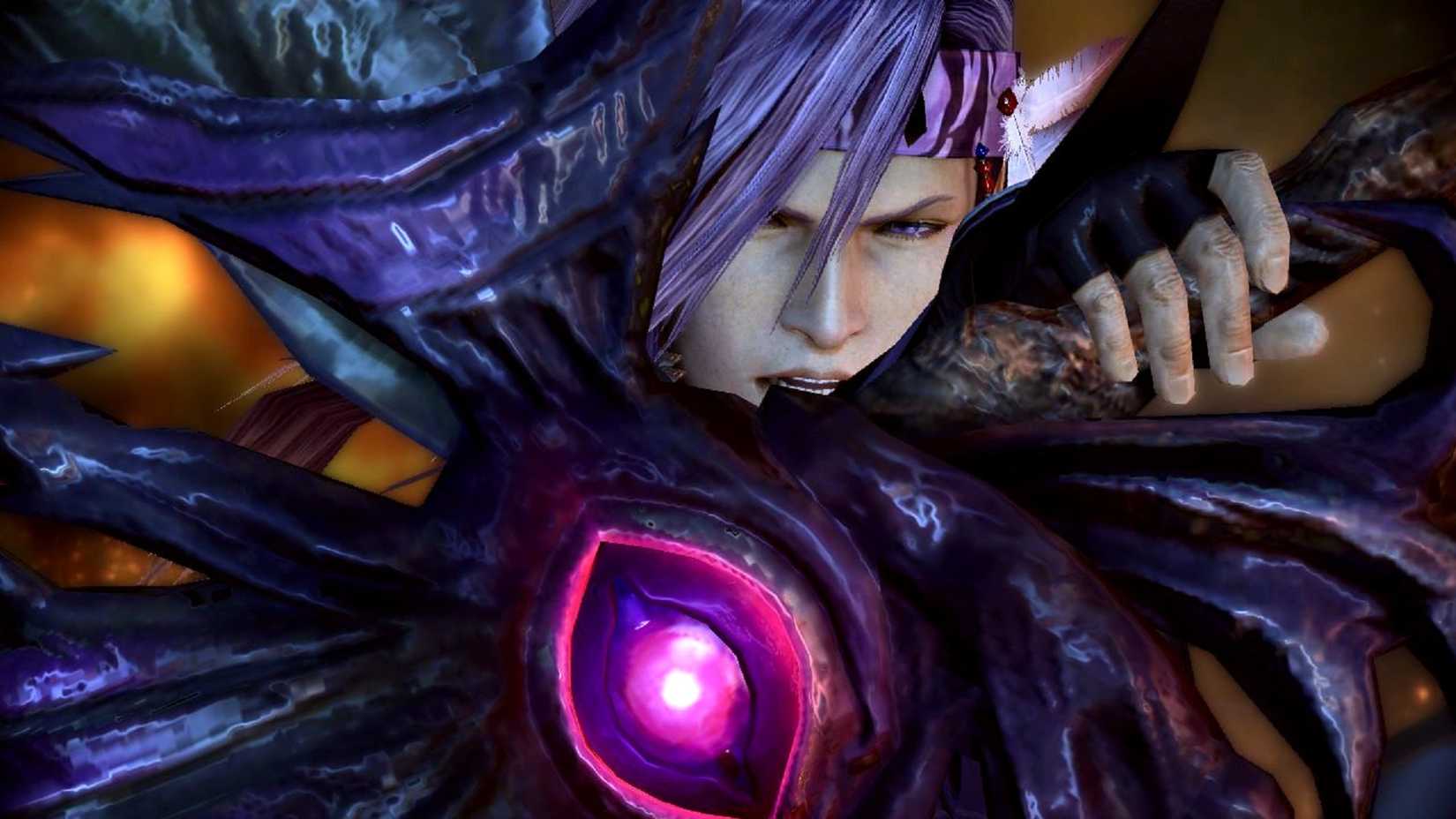
Caius Ballad from Final Fantasy XIII-2 presents a particularly poignant case where the antagonist could easily be perceived as the true hero. Caius is burdened by the agonizing foresight of a dying world and the endless, cyclical death of his beloved, Yuel. As the guardian of Yuel, a seeress whose power to glimpse the future drains her life, Caius is trapped in an eternal loop of witnessing her suffering and eventual demise, only for her to be reborn.
A Prisoner of Time and Prophecy:
- Witness to Endless Suffering: Caius’s unique ability, tied to Yuel’s life force, forces him to relive her deaths countless times, a trauma that shapes his worldview.
- Foreknowledge of Doom: He has seen the potential futures that await humanity – futures devoid of hope and filled with despair.
- A Desperate Plea for Release: His actions, including the manipulation of Noel and Serah, are driven by a profound desire to break free from this predestined suffering. He seeks not destruction for its own sake, but an end to the endless cycle of pain for himself and Yuel, and a chance to prevent the bleak future he has witnessed. His ultimate goal is a liberation from an inescapable fate.
Sephiroth (Remake): A Vision of Unity?
The iconic villain Sephiroth, as reimagined in the Final Fantasy VII Remake series, offers a tantalizing glimpse into a potentially altered destiny. While his original motivation in Final Fantasy VII was world-ending destruction, the Remake narrative suggests a more complex agenda. Sephiroth’s actions, particularly his manipulation of Cloud across different timelines, hint at a desire not to destroy, but to merge realities.
The Convergence of Worlds:
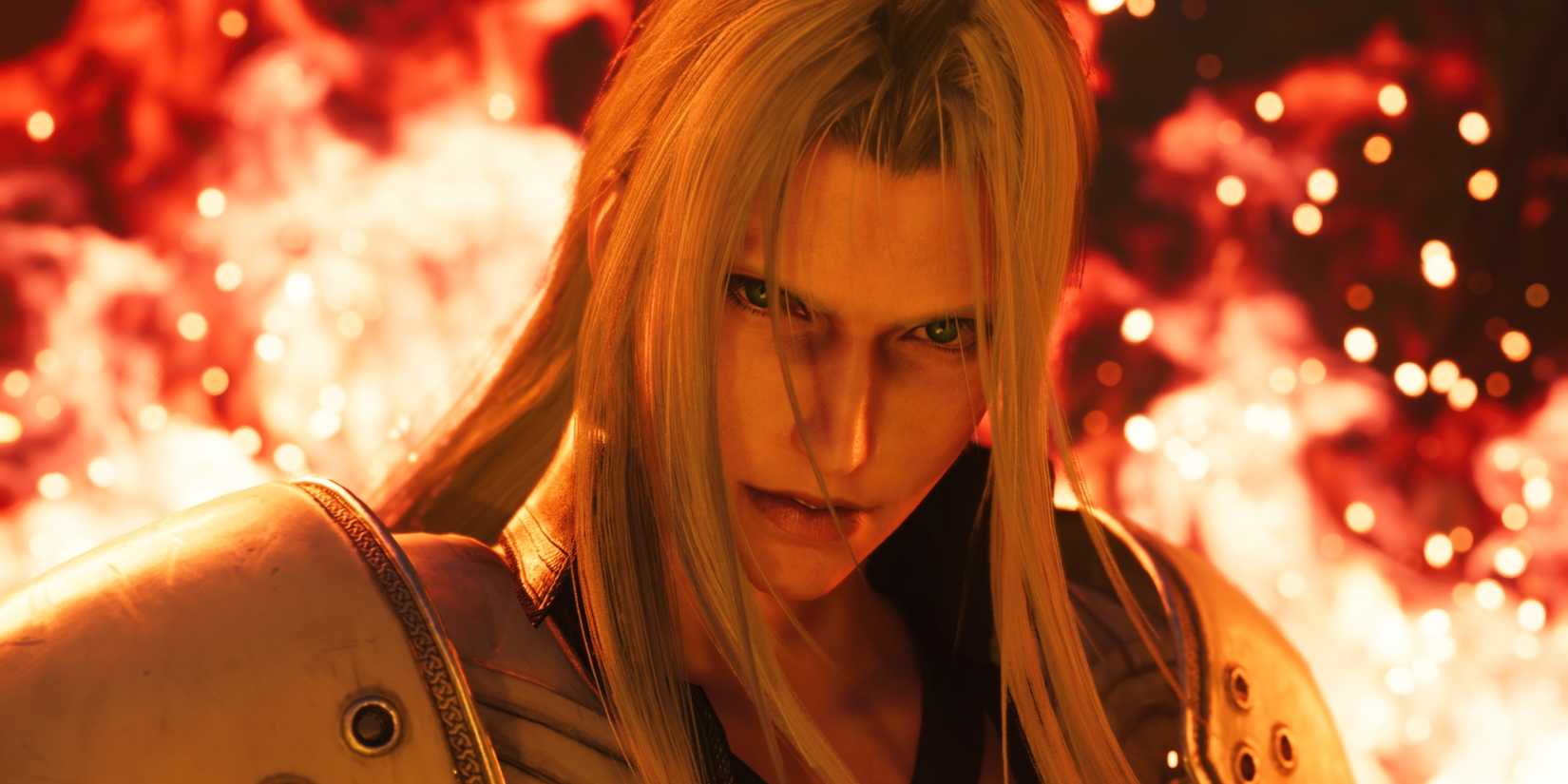
- Beyond the Meteor: Sephiroth’s dialogue and actions in Remake imply a departure from his original plan to summon Meteor. Instead, he speaks of a "reunion" and the potential for combining timelines.
- A "Perfect" World? This suggests Sephiroth might be seeking to create a singular, perhaps even "perfect," world by unifying disparate realities. His motivations could be driven by a warped sense of order or a desire to rectify perceived flaws in the original timeline.
- The Unfolding Mystery: The true extent of Sephiroth’s plan remains a significant narrative thread. His ultimate objective, whether benevolent or catastrophic in its execution, is a key question that continues to drive the Remake saga.
Yu Yevon: A Creator’s Tragic Miscalculation
In Final Fantasy X, Yu Yevon’s story is one of a desperate attempt to preserve a civilization that was facing inevitable annihilation. As the final leader of Zanarkand, he foresaw the impending destruction of his city during the Machina War. In a bid to safeguard his people, he conceived of the dream world of Spira and the summoned beings known as Fayth.
A Guardian’s Unintended Legacy:
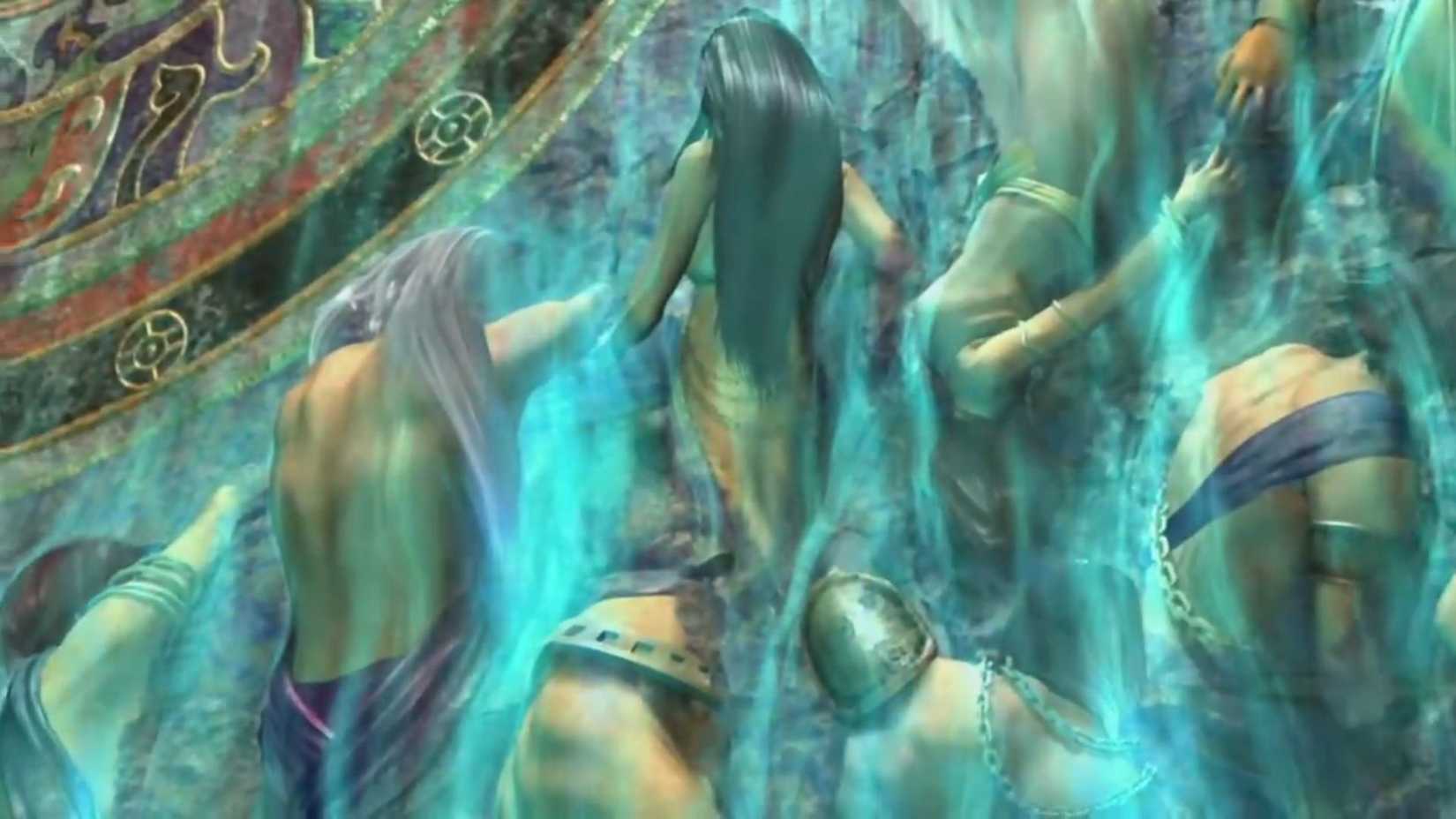
- Preservation Through Sacrifice: Yu Yevon’s initial intention was to shield the people of Zanarkand from their fate by transforming them into Fayth, preserving their spirits within a perpetual dream.
- The Birth of Sin: However, his creation of Sin, intended as a protective entity, became corrupted. Sin evolved into a force of destruction, perpetuating a cycle of death and temporary peace that plagued Spira for generations.
- A Tragic Byproduct: Yu Yevon is technically a villain for creating Sin, but his actions were born out of a desperate, albeit flawed, attempt to save his people. The destructive nature of Sin was an unintended consequence, a tragic byproduct of his desperate efforts rather than a malicious design.
Ultimecia: The Sorceress of Time’s Embrace
Ultimecia, the antagonist of Final Fantasy VIII, is a sorceress from the distant future whose ultimate goal is to compress time itself. Her motivations are deeply intertwined with the themes of fate and the inevitability of death that permeate Final Fantasy VIII. Born into a world where sorceresses were feared and ostracized, Ultimecia’s existence was marked by prejudice, potentially leading to a self-fulfilling prophecy of her own vilification.
The Paradox of Eternal Stasis:
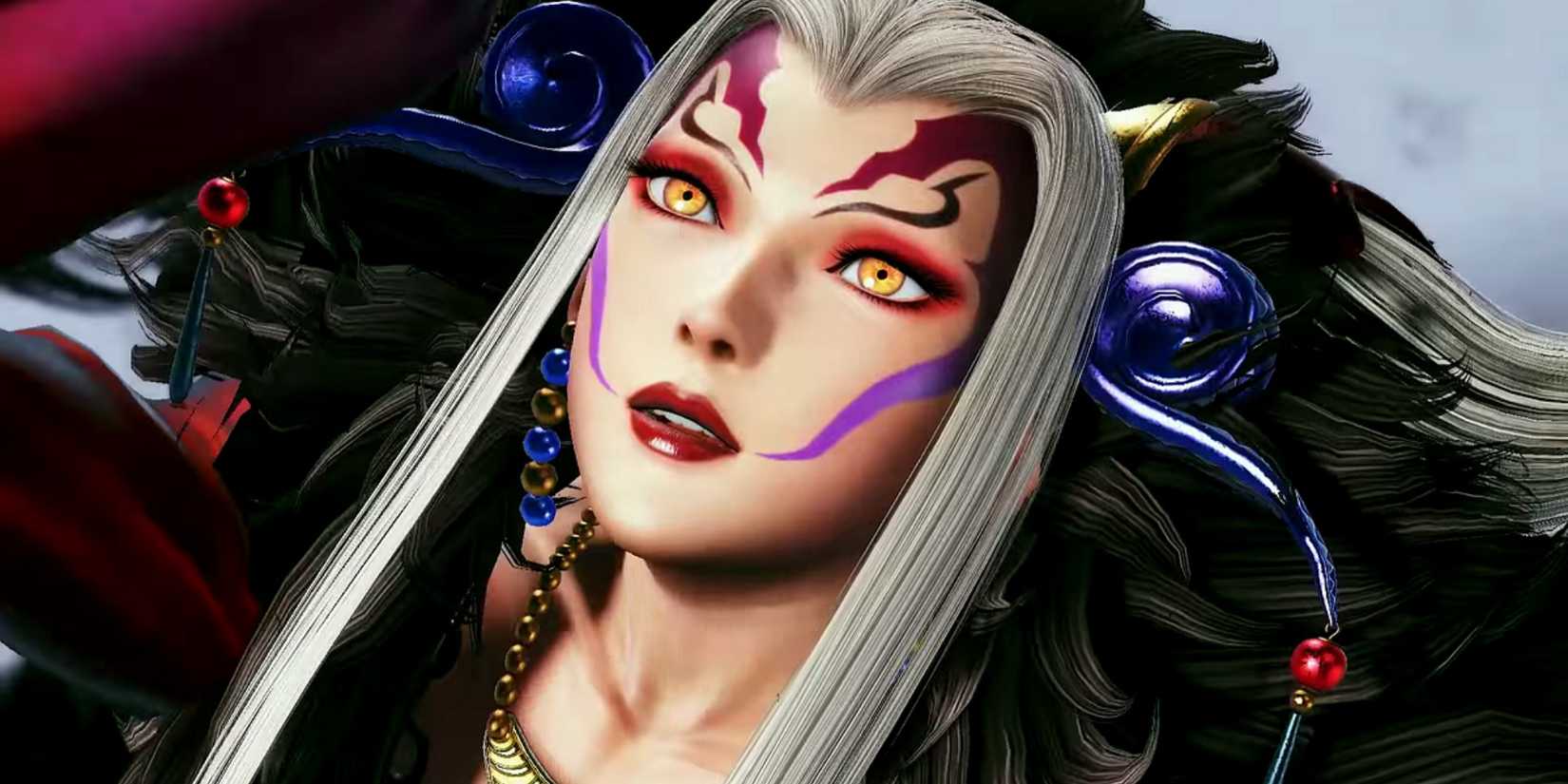
- A Future of Fear: As a sorceress born into a time of fear and persecution, Ultimecia’s life was likely shaped by constant struggle and misunderstanding.
- The Goal of Time Compression: Her ambition to compress time is a complex one. It could be interpreted as a desire to achieve immortality for herself, or, more intriguingly, to halt the passage of time entirely.
- The Implications of Stasis: If time stops, death would cease to exist. This could be her twisted vision of a world free from suffering and loss, a form of eternal peace achieved through absolute stasis. Alternatively, it could be a more nihilistic desire to end all life by freezing it in an eternal, unchanging state. The ambiguity of her goal makes her a deeply unsettling and fascinating antagonist.
Ardyn Izunia: The Cursed Healer
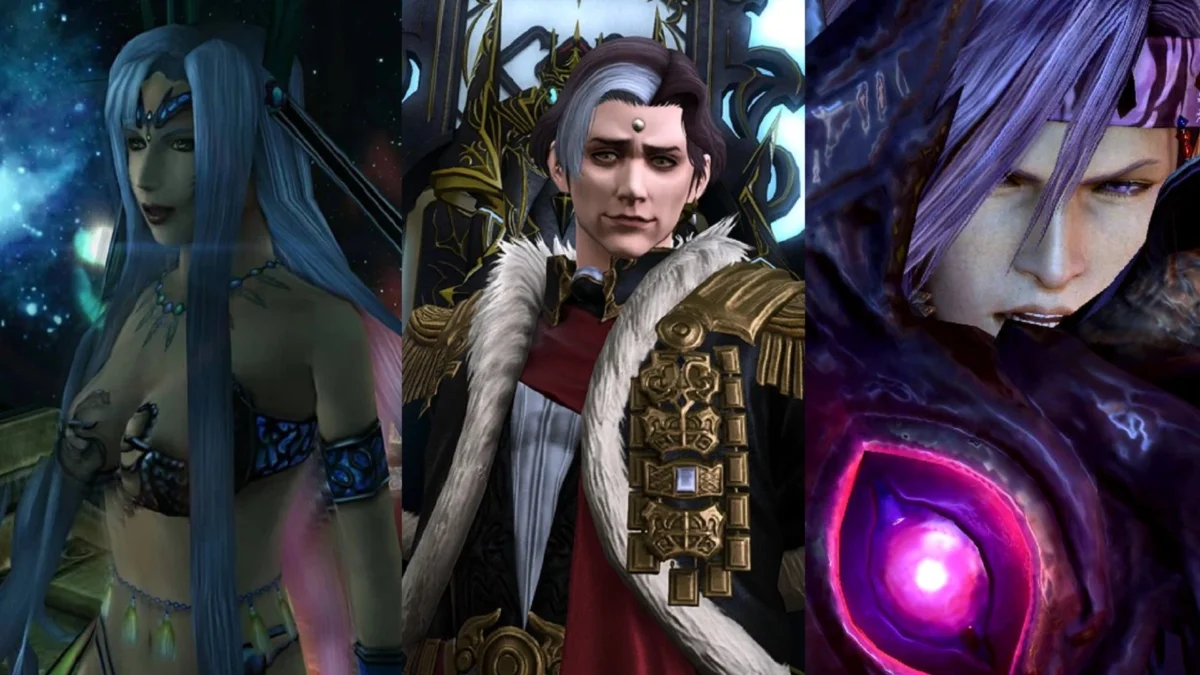
Ardyn Izunia from Final Fantasy XV is a character whose narrative arc is a tragic descent from hero to villain. Initially a benevolent figure chosen by the gods to absorb the Starscourge, a magical affliction plaguing the world, Ardyn’s heroic intentions were twisted by the very power he wielded. His ability to absorb the plague corrupted him, both physically and spiritually.
A Hero’s Betrayal and Descent:
- The Burden of Healing: Ardyn was chosen to be the vessel for the Starscourge, a selfless act intended to protect humanity from a devastating plague.
- Divine Rejection: However, his act of absorbing the taint led to his spiritual corruption, resulting in his rejection by the gods who had chosen him. This betrayal shattered his original purpose and set him on a path of vengeance.
- A Twisted Quest for Salvation: While he ultimately becomes a destructive force, Ardyn’s actions can be seen as a consequence of his initial heroic endeavor and the gods’ perceived injustice. He seeks to eradicate the plague, a goal that was once noble, but his methods have become cruel and destructive, driven by centuries of bitterness and isolation.
Meteion: The Emissary of Existential Despair
Meteion, the primary antagonist of Final Fantasy XIV: Endwalker, represents a philosophical threat born from a misguided directive. Created by Hermes, a scientist driven by a profound existential crisis, Meteion was tasked with traveling to distant stars and discovering the meaning of life. This cosmic journey, however, led to a devastating conclusion.
The Meaning of Death:
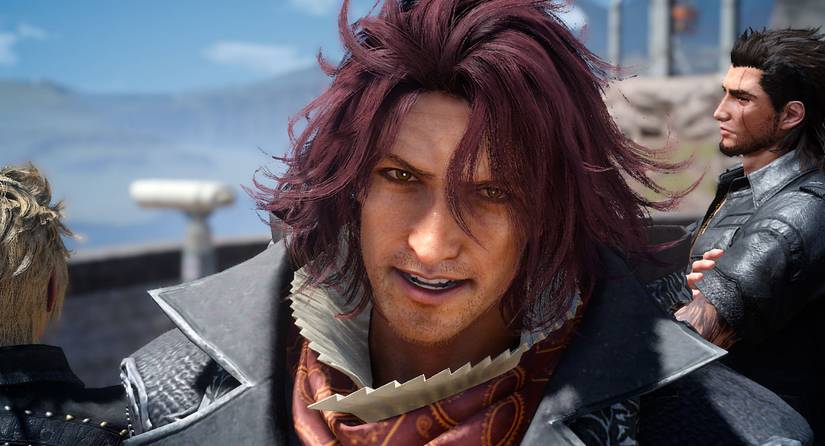
- A Cosmic Mandate: Hermes’s creation was born from a desire to understand the purpose of existence. Meteion’s mission was to find an answer, regardless of the cost.
- The Discovery of Nothingness: Upon witnessing the decline and eventual demise of countless civilizations across the universe, Meteion concluded that the ultimate meaning of life was its inevitable end.
- A Twisted Form of Salvation: Believing that life is inherently suffering, Meteion’s goal became to prevent future generations from experiencing this pain. She sought to "save" the universe by preventing the cycle of life and death altogether, a chilling objective driven by a profound nihilism.
Vayne Carudas Solidor: The Tyrant for Freedom
In Final Fantasy XII, Vayne Carudas Solidor embodies the complex notion of a ruler who believes their tyrannical methods are necessary for the greater good. Vayne’s primary motivation stems from his profound distrust of the Occuria, god-like beings who manipulate the destinies of Ivalice. He sees their interference as an infringement on humanity’s right to self-determination.
Liberation Through Control:
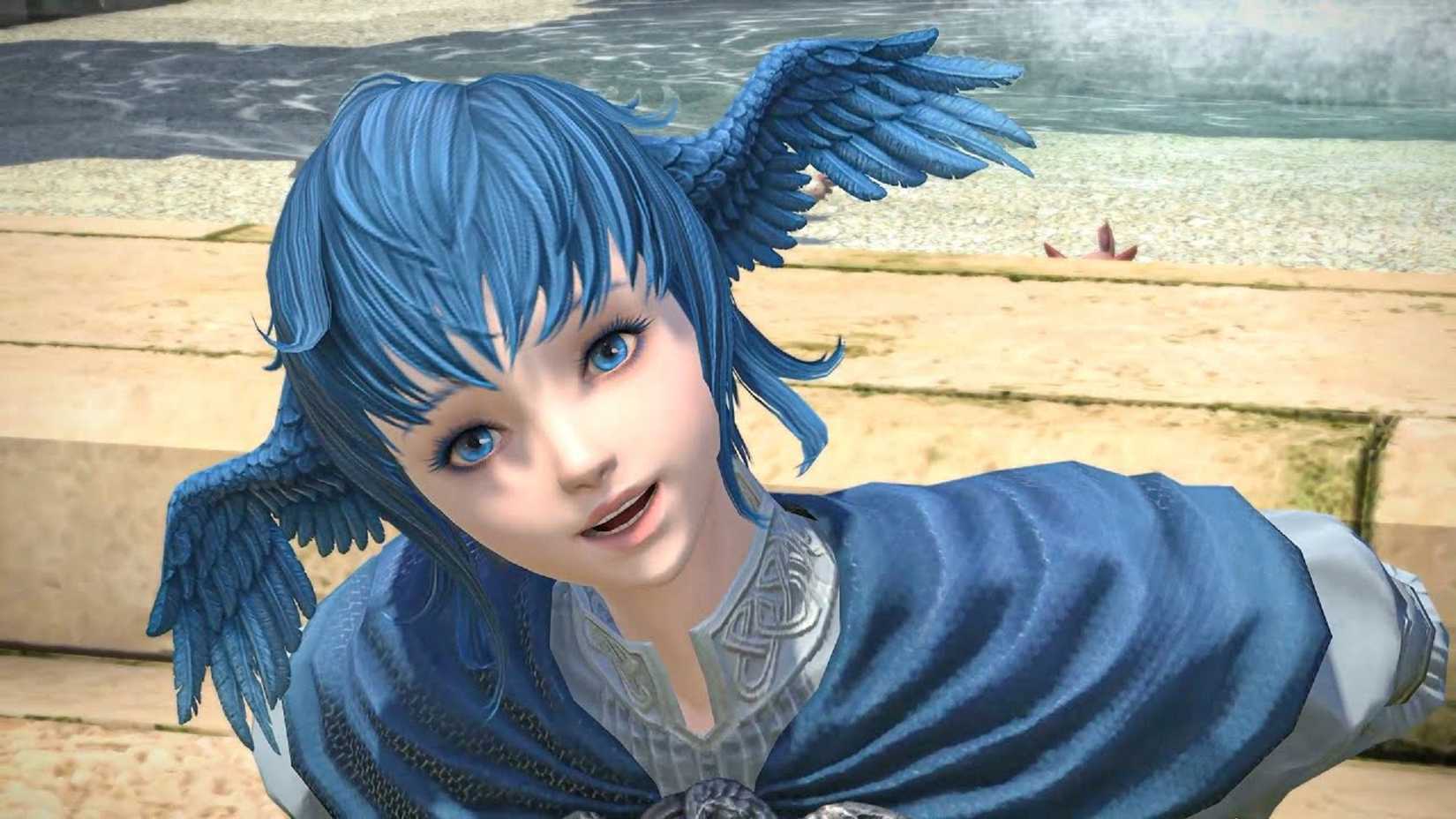
- Challenging Divine Intervention: Vayne learns of the Occuria’s manipulative influence and dedicates himself to freeing Ivalice from their control. He believes that humanity’s fate should be determined by its own will, not the whims of external, god-like entities.
- The Cost of Sovereignty: To achieve this goal of Ivalician independence, Vayne is willing to engage in ruthless tactics, including war and political maneuvering. He is not afraid to make difficult decisions and wield absolute power, believing that such measures are necessary to break free from the Occuria’s grip.
- A Dictator with Noble Intentions: While his methods are undeniably villainous, Vayne’s underlying desire to liberate his people from a perceived divine tyranny makes him a compelling antagonist whose actions are rooted in a desire for self-governance, albeit through authoritarian means.
Yunalesca: The Guardian of a Fragile Peace
Yunalesca from Final Fantasy X is an antagonist encountered late in the game, whose role is to reveal the devastating truth behind the Final Summoning. While she appears to be an ally initially, her true nature and methods quickly become apparent. Yunalesca is a figure who has witnessed the endless cycle of destruction and understands the sacrifices required to maintain the fragile peace of Spira.
The Price of Calm:
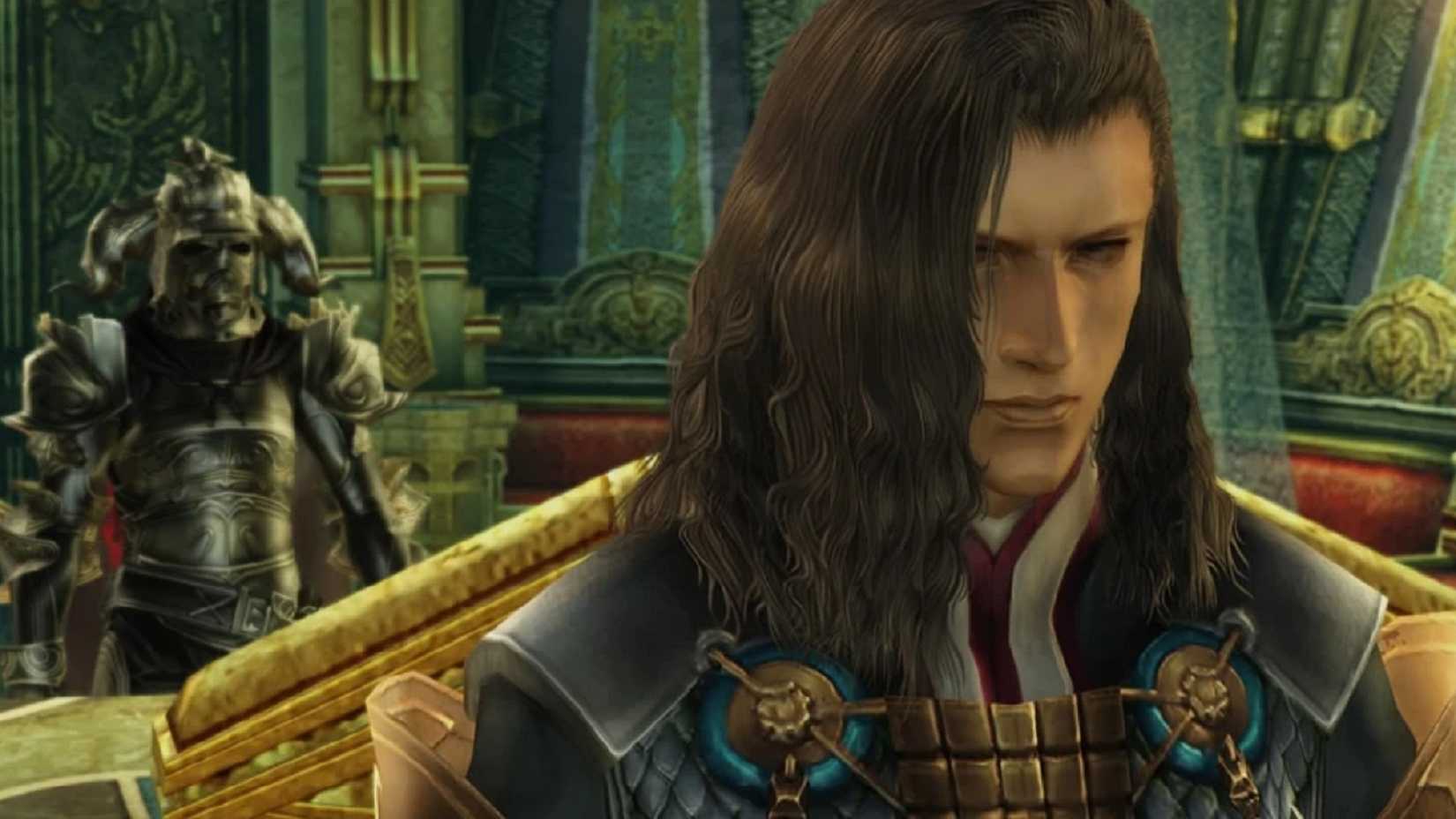
- The Truth of the Final Summoning: Yunalesca is the last of the original group of heroes who defeated Yu Yevon. She possesses the knowledge of how to defeat Sin, but this knowledge comes with a terrible cost.
- Enforcing Silence: She is willing to kill those who refuse to accept her methods or who threaten to expose the cyclical nature of Spira’s "peace." She understands that for the illusion of calm to be maintained, certain truths must remain buried.
- A Necessary Evil: In Yunalesca’s eyes, the death of a summoner and their guardians is a small price to pay for the period of "Calm" that follows. She recognizes that her solution is not perfect, but she believes that any respite from constant death and destruction is preferable to perpetual war, making her a pragmatic antagonist who prioritizes a temporary peace over an unattainable perfect solution.
Emet-Selch: A World Mourned, A Future Reimagined
Emet-Selch, the primary antagonist of Final Fantasy XIV: Shadowbringers, is arguably one of the most nuanced and tragic villains in the entire Final Fantasy saga. As an Ascian, his lineage is steeped in suspicion and fear due to the actions of his brethren. However, Emet-Selch stands apart, willing to explain his motivations and revealing a profound sorrow for a lost world.
The Grief of a Creator:
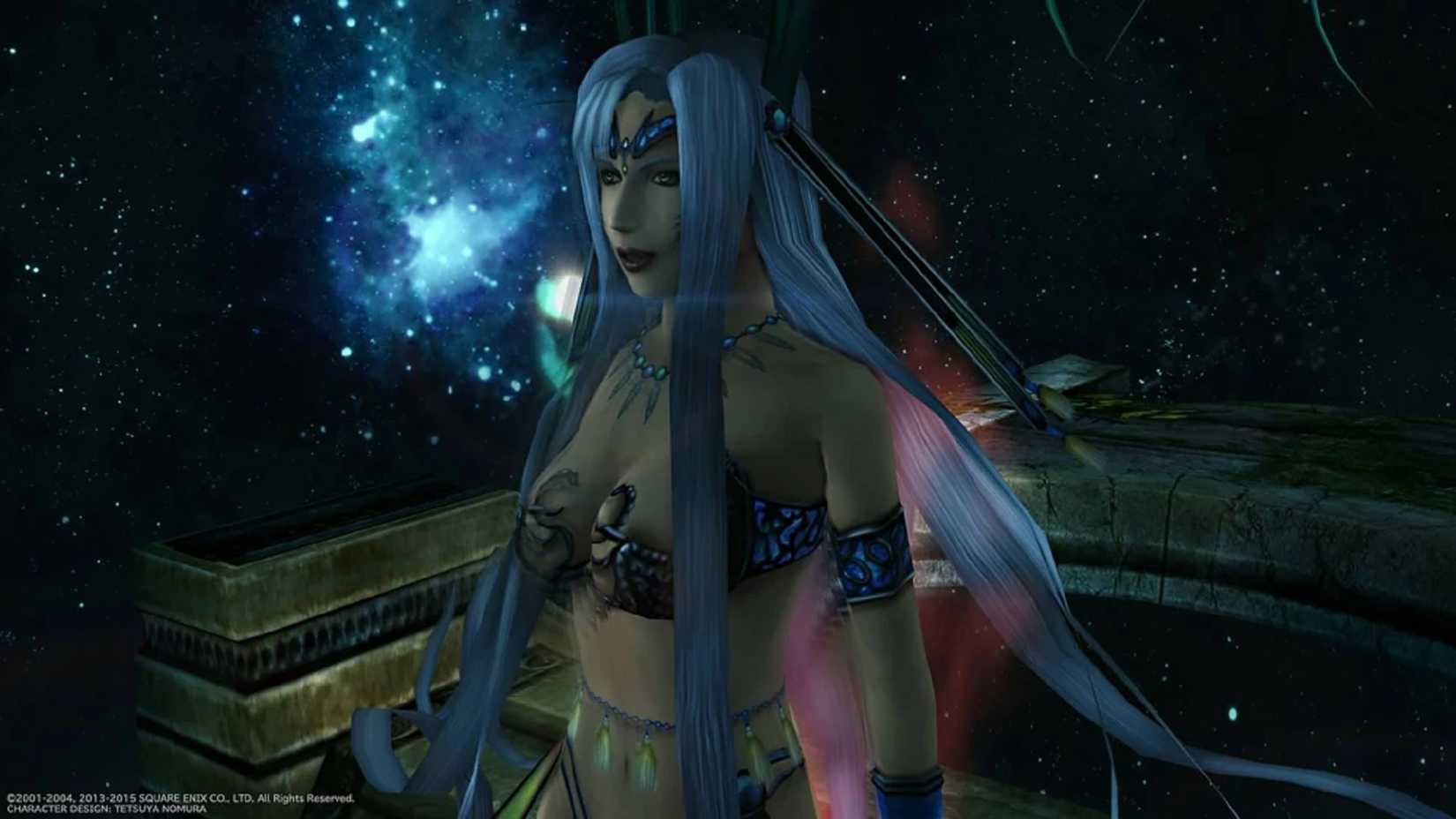
- Witness to Cataclysm: Emet-Selch lived in a time when the world was whole, before it was shattered into fourteen fragmented reflections. He experienced the apocalyptic events that led to this fracturing and carries the immense grief of that loss.
- A Desire for Restoration: His ultimate goal is to reunite these reflections, to restore the original world and, in doing so, to bring back the souls of the people he loved who perished during the cataclysm.
- A Question of Life: However, his vision of restoration comes at a terrible cost. Emet-Selch views the current inhabitants of the fragmented world not as truly alive, but as pale imitations of the beings that once existed. This dehumanizing perspective allows him to justify the repeated slaughter of mortals in his pursuit of his ultimate goal, making him a villain who is driven by love and loss, but whose methods are undeniably horrific.
The Enduring Legacy of Complex Villains
The Final Fantasy series has consistently demonstrated a remarkable ability to craft antagonists who are more than just obstacles to overcome. They are characters with depth, with understandable, if often misguided, motivations, and with backstories that can evoke empathy even as their actions incite conflict. From the political machinations of Delita to the cosmic despair of Meteion and the profound grief of Emet-Selch, these villains enrich the narrative, challenge players’ perceptions of morality, and leave a lasting impact long after the credits roll. Their existence ensures that the Final Fantasy universe remains a place where the lines between hero and villain are not always clearly defined, but are instead a complex tapestry woven with shades of gray.











No comments yet. Be the first to join the conversation!