

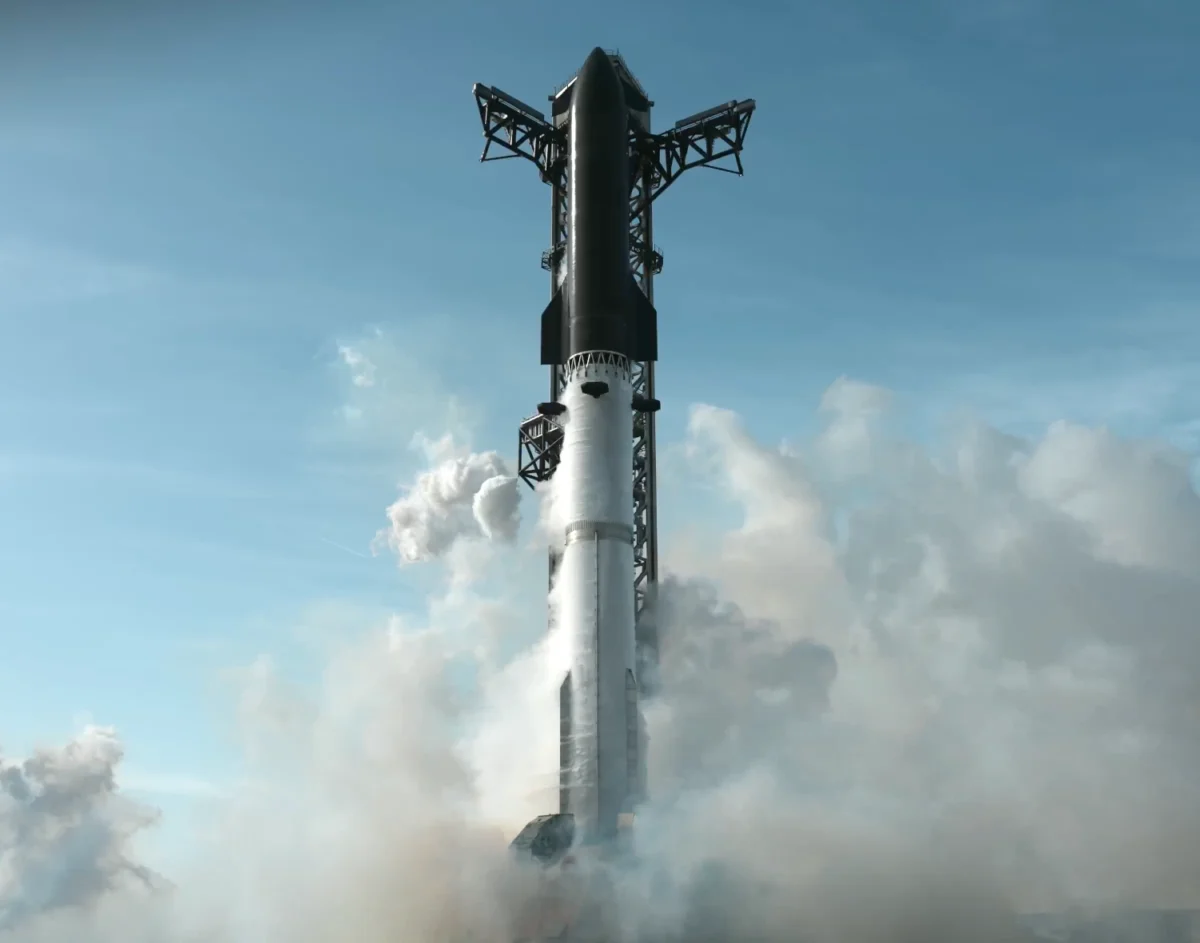
The quest to revolutionize global connectivity and orbital logistics hit a temporary snag on Thursday as SpaceX abruptly aborted the second launch attempt of its upgraded Starship V3 rocket system. The mission, which aimed to deploy the first generation of third-generation Starlink satellites, was halted just moments after the ignition sequence for the massive Super Heavy booster began at the company’s Starbase facility in South Texas.
This setback, while a routine component of aerospace development, carries significant weight given the current climate surrounding SpaceX. As the company navigates its first year as a publicly traded entity, the technical reliability of its flagship launch vehicle has become inextricably linked to investor confidence and its ambitious roadmap for "orbital data centers."
The Chronology of an Aborted Ascent
The countdown to Thursday’s launch began under clear skies in South Texas, with the mission initially appearing to proceed without major complications. A brief, scheduled hold at T-minus one minute was resolved efficiently, and the automated countdown resumed, building anticipation among spectators and investors alike.
As the clock reached zero, the launchpad’s sophisticated water deluge system—designed to dampen the acoustic energy of the Super Heavy booster’s 33 Raptor engines—erupted into a massive cloud of steam. Visually, the booster began its ignition sequence, but the expected lift-off never materialized. Instead, the system underwent an emergency automatic shutdown, freezing the launch sequence in its tracks.
Technical diagnostics from the broadcast indicated that at least four of the Raptor engines failed to initiate their ignition sequence. This triggered the flight computer’s safety protocols, which are designed to detect such anomalies and halt the mission before the vehicle becomes untethered from the pad. SpaceX ground crews immediately shifted into post-abort procedures, which necessitated the time-consuming and hazardous process of de-tanking the propellant from both the massive Super Heavy booster and the Starship upper stage.
Technical Hurdles and the Raptor Engine Challenge
The core of the issue, according to CEO Elon Musk, lies in the ignition reliability of the latest iteration of the Raptor engines. In a series of updates on his social media platform, X, Musk confirmed that the failure of several engines to spark was the direct cause of the automatic abort.
"Some of the engines didn’t start, triggering an automatic launch abort," Musk wrote, adding that the engineering team would proceed with replacing two of the problematic engines. This decision signals a meticulous approach to the recovery process, as the company opts for hardware replacement over simple software recalibration.
This is not the first time the Raptor engine has proven to be the "bottleneck" of the Starship program. During the May test flight, the upper stage experienced an engine loss mid-flight. While that mission was partially successful—achieving a simulated landing over the Gulf of Mexico and deploying Starlink simulators—it left the company under the scrutiny of the Federal Aviation Administration (FAA). The FAA mandated a comprehensive review of the booster’s failure to achieve its planned landing, an obstacle SpaceX only recently cleared to resume operations.
Market Implications: A Stock Under Pressure
The failed launch attempt has cast a long shadow over SpaceX’s financial performance. Since its historic June 12 initial public offering (IPO)—the largest in history, raising over $85 billion—the company has struggled to maintain its initial valuation. At its peak, SpaceX briefly vied with tech giants like Amazon and Microsoft in terms of market capitalization, but the subsequent month has been defined by a steady, persistent decline in share price.
On Thursday, the stock closed below its IPO price of $135. Following the news of the aborted launch, the ticker saw further volatility, sinking more than 4% in after-hours trading. For a company that has long operated with the relative freedom of a private enterprise, the spotlight of public markets has added a new layer of pressure. Investors are no longer merely tracking technological milestones; they are pricing in the frequency of delays, the cost of technical failures, and the timeline for Starlink’s profitability.
The Strategic Importance of Starship V3
The aborted mission was intended to be a major technological milestone: the deployment of third-generation Starlink satellites. These satellites represent the next phase of SpaceX’s core business model. Unlike previous iterations, these units were designed to burn up approximately 20 minutes after deployment, serving as a critical test for the "orbital data center" concept.
Starlink is currently the crown jewel of the SpaceX portfolio—it is the company’s primary revenue generator and the only segment of the business that has achieved consistent profitability. By moving toward orbital data processing, SpaceX aims to shift from being a mere launch provider to becoming a fundamental layer of the global digital infrastructure. However, as the article notes, the program faces a "chicken-and-egg" scenario: Starlink’s expansion requires the massive lift capacity of Starship, but Starship has yet to definitively prove its ability to reach stable Earth orbit with a heavy payload.
Official Responses and Future Outlook
SpaceX has adopted a transparent, albeit measured, posture following the abort. By confirming the engine replacement strategy, the company has communicated a clear, if delayed, path forward. The official word from the company is that no further attempts will be made until at least next week, allowing engineering teams to conduct a root-cause analysis and ensure the mechanical integrity of the engine array.
The FAA, which oversees the safety and environmental compliance of these launches, remains a key stakeholder in the narrative. Having cleared the company to fly just days prior to the failed attempt, the agency will likely expect a full report on the ignition failure before providing the green light for a second attempt.
The Road Ahead
For observers like Sean O’Kane, who has tracked the transportation and technology sectors for a decade, this moment serves as a microcosm of the risks inherent in "move fast and break things" engineering applied to aerospace. The transition from the daring, experimental phase of the Starship program to a reliable, commercial launch cadence is the most difficult pivot any aerospace firm can undertake.
The technical brilliance of the Raptor engine and the sheer ambition of the Starship architecture are undeniable. However, as the company enters its second month as a public entity, the margin for error has vanished. The successful launch of the V3 satellites is not just a test of hardware; it is a test of the company’s ability to transition from a startup that pushes boundaries to an industrial leader that delivers on promises.
As SpaceX technicians work through the weekend to replace the faulty engines, the eyes of the global space industry—and a wary investor base—will remain fixed on South Texas. The next countdown will be the most significant test of the Starship program to date, serving as a litmus test for the company’s ability to navigate both the vacuum of space and the volatility of the stock market.
Disclaimer: This article contains affiliate links. When you purchase through links in our articles, we may earn a small commission. This does not affect our editorial independence.











