

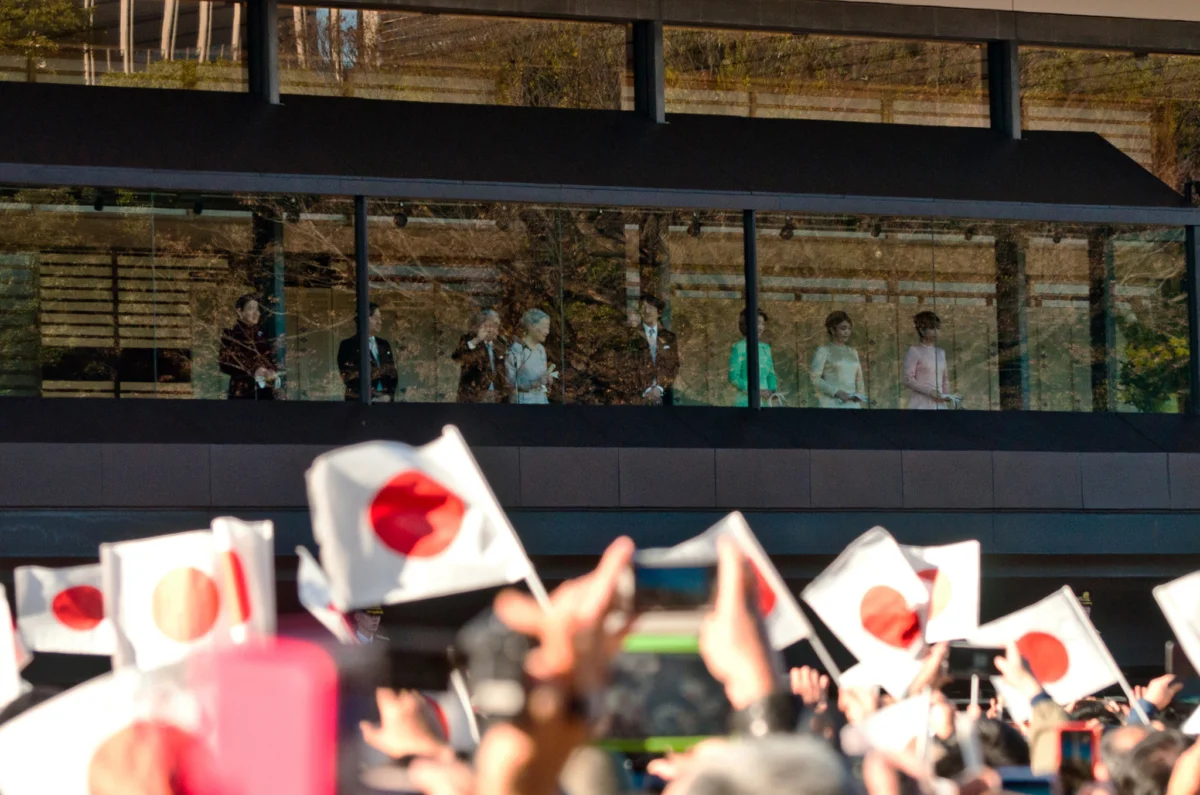
When Sanae Takaichi ascended to the premiership, becoming Japan’s first female head of government, the world watched with anticipation. Her victory was widely interpreted as a watershed moment—a rupture in the glass ceiling of a nation that has historically struggled to reconcile its modern global standing with deeply entrenched patriarchal social structures. Yet, as her administration settles into its tenure, a profound contradiction has emerged. Takaichi, a trailblazer for women in politics, has become the primary architect of a legislative defense of the male-only imperial line, effectively reinforcing a tradition that renders women unfit for the Chrysanthemum Throne.
As her cabinet’s approval ratings hover at a fragile 58% amid mounting public frustration over stagnant economic and social reforms, Takaichi’s insistence on preserving the male-only succession model stands as a glaring testament to the friction between political pragmatism and conservative ideological rigidity.
The Main Facts: A Crumbling Foundation
The Japanese Imperial House, the world’s oldest continuous hereditary monarchy, is facing an existential demographic crisis. The line of succession is remarkably thin. Following the abdication of Emperor Akihito and the ascension of Emperor Naruhito, the pool of eligible male heirs has been reduced to a single individual: the 19-year-old Prince Hisahito.
Under the existing Imperial House Law, the throne can only pass to males in the patrilineal line. If Prince Hisahito fails to produce a son, the imperial line faces an abrupt and total cessation. Rather than modernizing the succession criteria to include female descendants—such as the widely popular Princess Aiko, the Emperor’s daughter—the Takaichi administration has opted for a controversial, complex legislative bypass.
In July 2026, the Diet enacted the first major revision to the Imperial House Law in over 75 years. The legislation allows imperial princesses to retain their status after marrying commoners, but critically, it denies their children any claim to the throne. To "solve" the scarcity of heirs, the government has legalized an adoption scheme, enabling the return of distant male relatives from branches of the family that were stripped of their imperial status during the post-WWII reforms of 1947.
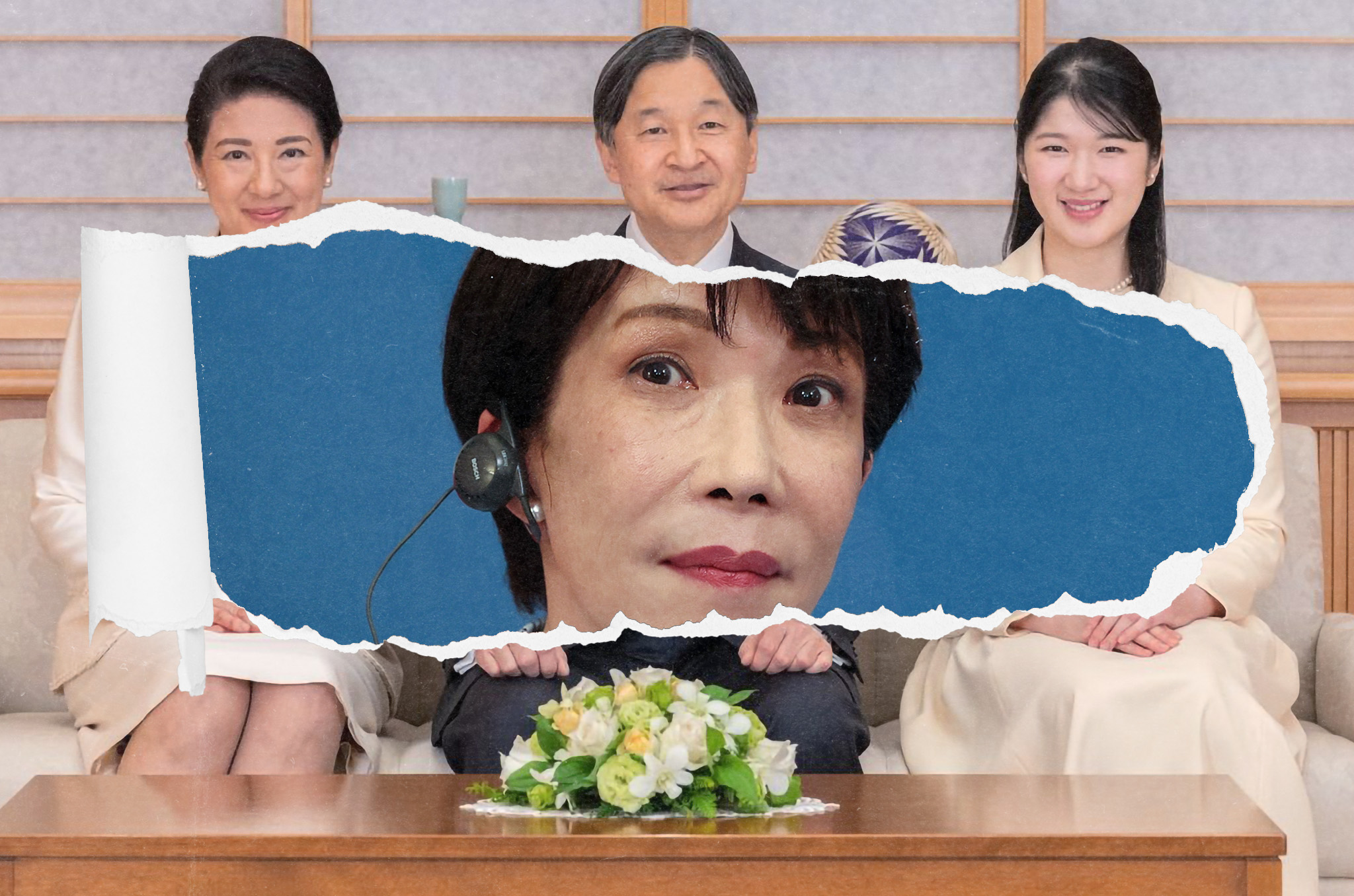
Chronology of a Crisis
To understand the gravity of the current situation, one must look at the timeline of Japan’s imperial legislative evolution:
- 1889: The Meiji-era Imperial House Law is enacted, formalizing a strict male-only succession rule—a departure from centuries of historical precedent where women frequently occupied the throne.
- 1947: Under the post-war Allied occupation, the imperial family is drastically downsized. Many collateral branches are removed from the imperial line to simplify the institution, setting the stage for the current shortage of candidates.
- 2006: A panel of experts recommends allowing female succession, but the birth of Prince Hisahito effectively shelves the debate.
- 2025: Sanae Takaichi becomes Japan’s first female Prime Minister. Expectations for gender-progressive reform are at an all-time high.
- July 2026: The Diet passes the revised Imperial House Law. The legislation preserves the male-only rule while introducing the "adoption of distant relatives" mechanism.
- Present Day: Takaichi faces mounting criticism as the public expresses a clear preference for Princess Aiko over the integration of long-estranged male relatives.
Supporting Data: Public Sentiment vs. Political Will
The disconnect between the government’s actions and the public’s desires is stark. According to consistent polling by the Mainichi Shimbun and other major Japanese outlets, between 60% and 90% of the Japanese citizenry support the enthronement of a female monarch.
The Japanese public has long expressed a deep, almost protective affection for Princess Aiko. Her work with the Japanese Red Cross and her composure during official duties have garnered widespread respect. When contrasted with the prospect of importing distant relatives—individuals who have lived as ordinary citizens for nearly eight decades and have no public profile—the public’s preference for the Emperor’s daughter appears not just sentimental, but logical and stabilizing.
Despite this, the Takaichi administration has doubled down on the "adoption" model. This policy suggests that for the conservative base, the "purity" of the male bloodline is of greater symbolic importance than the stability and continuity of the monarchy as a living, relatable institution.
Official Responses and the "Tradition" Defense
Prime Minister Takaichi has defended her position by invoking the "unparalleled historic fact" of the patrilineal lineage. During parliamentary sessions, her rhetoric has remained consistent: she views the male-only line as an essential, non-negotiable pillar of the Japanese state.
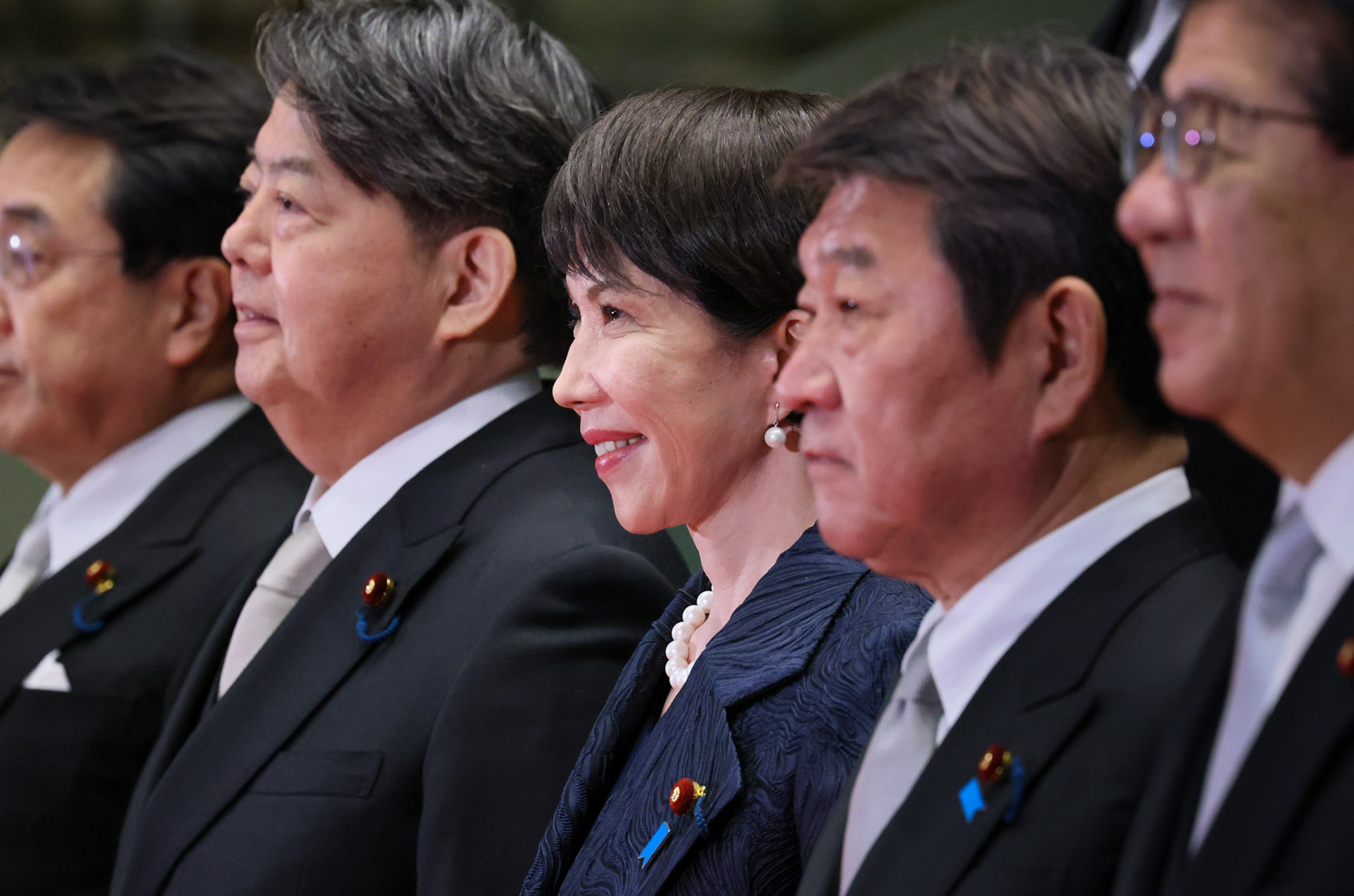
However, historians argue that this is a "fabricated tradition." For much of Japan’s ancient history, female rulers were common. Empress Suiko, who reigned in the 6th century, and Empress Go-Sakuramachi, who reigned in the 18th century, are merely two examples of female sovereigns who held the throne with distinction. The current restriction is a 19th-century imposition—a product of the Meiji period’s attempt to mimic the patriarchal structures of European colonial powers.
When pressed on the constitutional implications, government spokespeople maintain that the Imperial House Law is distinct from the Constitution and that "tradition" justifies the exclusion of women. Yet, this stance places the Prime Minister in a precarious position. By championing a system that views women as incapable of holding the highest position in the land, she is implicitly justifying the very barriers she had to overcome to achieve her own office.
Implications: The Political Irony of the Takaichi Premiership
The irony of Takaichi’s political trajectory cannot be overstated. Her base, particularly among younger voters, supported her with the hope that she would represent a modern, egalitarian Japan. By taking such an uncompromising stance on imperial succession, she has effectively alienated those who saw her as a catalyst for gender equality.
1. The Erosion of Symbolic Capital
Takaichi’s rise was a historic achievement for Japanese women. However, by acting as the primary guardian of an exclusionary imperial system, she has sacrificed the "symbolic capital" that comes with being a female pioneer. For many, the perception has shifted: she is now seen not as a leader challenging the status quo, but as a defender of the most rigid elements of the conservative establishment.
2. The Risk of Institutional Irrelevance
The decision to adopt distant, ordinary male relatives to preserve the line risks making the Imperial Family look like a political project rather than a cultural institution. If the public perceives the monarchy as a manufactured, artificial entity maintained by bureaucratic maneuvering, its prestige and unifying power may diminish. The "will of the people," which the Emperor himself has alluded to in subtle, constitutionally restricted remarks, is being actively ignored.
3. The Future of the Liberal-Democratic Party (LDP)
The LDP’s reliance on conservative orthodoxy has long been its strength in rural, older demographics, but it is becoming an increasing liability in urban, younger sectors. By tethering her premiership to a dying model of succession, Takaichi may be setting the stage for a long-term electoral backlash. The failure to address the succession issue in a way that resonates with modern values may signal a broader inability of her cabinet to handle the complex, evolving needs of 21st-century Japan.
Conclusion: A Nation at a Crossroads
As Japan moves toward the latter half of the 2020s, the debate over the Chrysanthemum Throne is more than a matter of royal lineage—it is a struggle for the soul of the nation’s identity. The Takaichi administration stands at a crossroads. It has chosen to prioritize a narrow, historicist interpretation of tradition over the democratic consensus of its people.
The irony remains: Japan has a female Prime Minister, yet it refuses to have a female Emperor. Whether this paradox will lead to a re-evaluation of the Imperial House Law in the coming years remains to be seen. However, one thing is clear: the current "fix" is merely a delay of the inevitable. As long as the government ignores the potential for female leadership—both in the imperial palace and in the halls of parliament—it risks maintaining a structure that feels increasingly at odds with the people it serves.
For now, the Chrysanthemum Throne remains a symbol of an ancient past, while the nation waits to see if its modern leaders are capable of guiding it into a future that includes all its citizens, regardless of gender.











