Nila Kartika Wati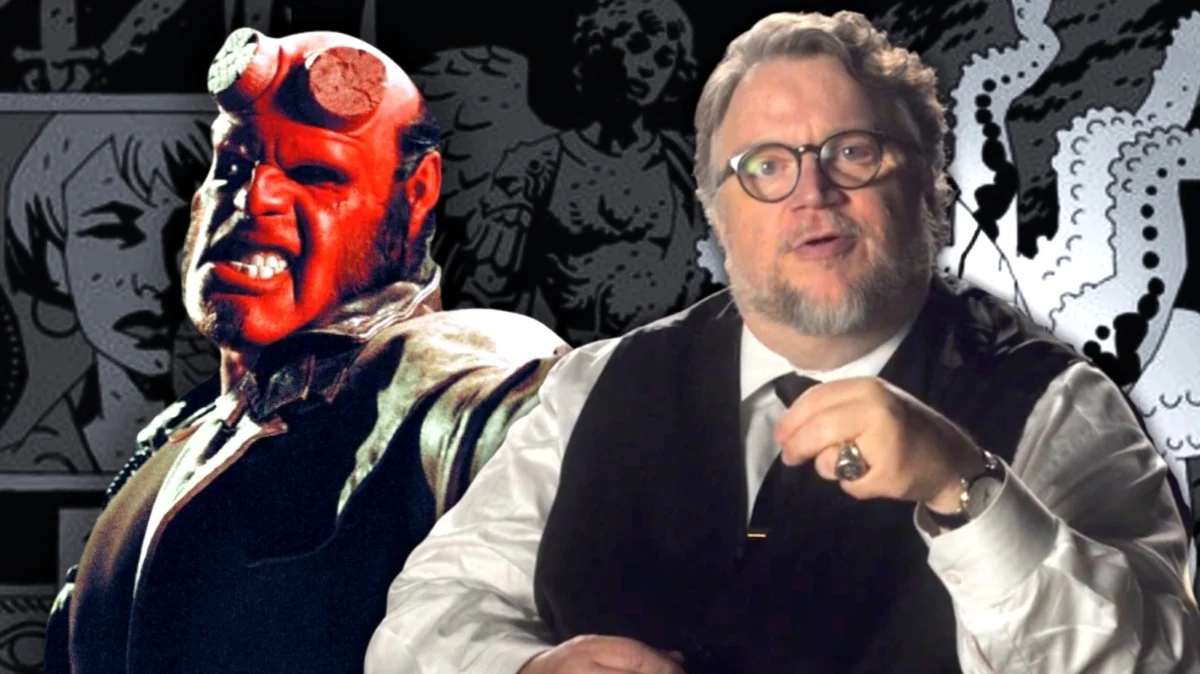
In the annals of modern genre filmmaking, few "what-ifs" carry the melancholic weight of Guillermo del Toro’s unmade Hellboy III. While the superhero landscape today is dominated by interconnected cinematic universes and rigid corporate mandates, the early 2000s offered a brief, fertile window where an auteur could put a distinctly personal, monstrous, and gothic stamp on a comic book property. For fans of the Big Red demon, the cancellation of the trilogy-ender remains a profound disappointment—a severed narrative thread that promised to conclude one of the most inventive superhero arcs in history.
The Foundation: A Match Made in Purgatory
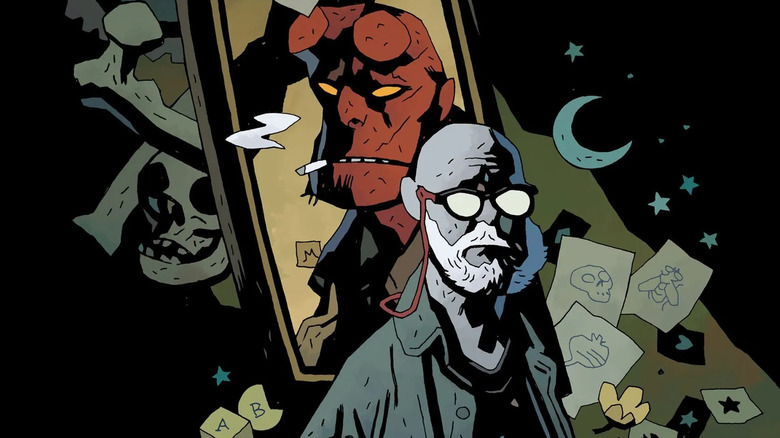
To understand why Hellboy III remains so culturally significant, one must first appreciate the symbiosis between creator Mike Mignola and director Guillermo del Toro. Mignola’s Hellboy was a masterclass in minimalist, shadow-drenched pulp; del Toro, meanwhile, was a maximalist of the grotesque, obsessed with the "monstrous outsider."
When del Toro brought the Bureau for Paranormal Research and Defense (B.P.R.D.) to the screen in 2004, he didn’t just adapt the source material—he infused it with a tender, romantic humanity. By centering the narrative on the domestic and emotional struggles of Hellboy (Ron Perlman), the aquatic intellectual Abe Sapien (Doug Jones), and the volatile pyrokinetic Liz Sherman (Selma Blair), del Toro created a "found family" dynamic that anchored the high-concept supernatural action.
The two films that followed—Hellboy (2004) and Hellboy II: The Golden Army (2008)—were not merely action movies; they were atmospheric, practical-effect-driven fairy tales. As the 2008 sequel reached its conclusion, the stage was set for a grand, cataclysmic finale that would force the hero to confront the very destiny he spent his life fighting against.
A Chronology of a Cancelled Vision
The path toward Hellboy III was paved with good intentions and shifting industry tides. Following the critical acclaim of The Golden Army, del Toro made his intentions clear: he viewed the story as a trilogy. However, as the director transitioned toward massive studio tentpoles like Pacific Rim and the deeply personal Crimson Peak, the window for Hellboy III began to narrow.
- 2008–2016: The "Waiting Period." Fans lived in a cycle of hope. Whenever del Toro would mention the project, excitement would spike, only to be dampened by the reality of his busy production schedule.
- January 2017: A flicker of life. Del Toro took to Twitter to gauge public interest, promising that if he could reach a certain threshold of engagement, he would meet with Mignola and Perlman to discuss the project. The response was overwhelming.
- February 2017: The final blow. Just one month after igniting hope, del Toro returned to social media to deliver the crushing news: "Must report that 100% the sequel will not happen. And that is to be the final thing about it."
The finality of that statement was absolute. Del Toro, clearly heartbroken, emphasized that the decision was not his to make, pointing toward a lack of institutional support that had plagued the franchise since its inception.
The Anatomy of the Apocalypse: What Could Have Been
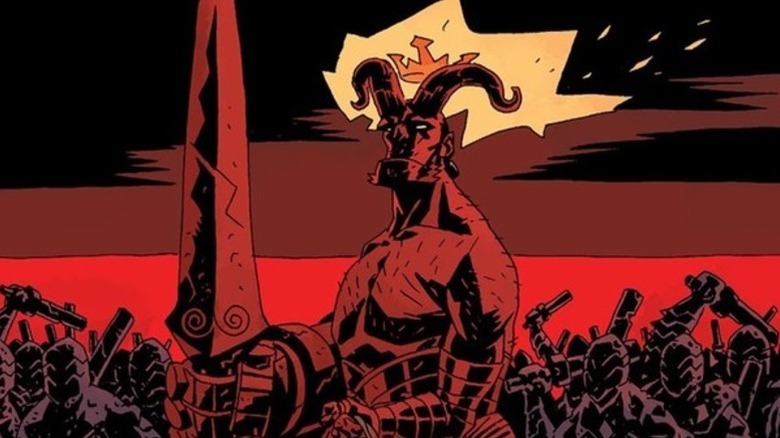
Perhaps the most tantalizing aspect of the lost film is the narrative structure del Toro had planned. Drawing from their shared Catholic backgrounds, both the director and Mignola viewed Hellboy’s arc as inherently biblical.
In a 2014 Reddit AMA, del Toro laid out the core conflict: Hellboy’s inevitable transformation into the Beast of the Apocalypse. The third film was designed to force Hellboy into a position where, to save humanity, he would have to fully embrace his destructive nature. It was a classic "hero’s journey" turned on its head—a man who rejects his destiny only to realize that fulfilling that destiny is the only way to protect those he loves.
Ron Perlman, in various interviews, echoed this "f**ed up" and "cinematic" vision. The film would have introduced the complication of Liz’s pregnancy, mentioned at the end of The Golden Army*. The twin children—one human-looking and one demonic—would have served as the physical embodiment of the conflict between nature and nurture, forcing Hellboy to grapple with his legacy in a way no other superhero film had dared.
Financial Realities and the "Studio Shuffle"
Why did the project fail? The answer is as dry as the film was intended to be lush: money.
The Hellboy franchise was never a blockbuster juggernaut. The first film grossed just under $100 million, and the sequel, despite critical acclaim, pulled in approximately $178 million. While these figures weren’t failures, they were modest by Hollywood standards. The franchise’s move from Columbia to Universal for the second installment came with stricter budget constraints, and by the mid-2010s, the landscape of home media—a primary revenue stream for the first two films—had been decimated by the rise of streaming.
Del Toro explicitly stated that Hellboy III would require a budget of at least $120 million to realize his grand, apocalyptic vision. In an era where studios were becoming increasingly risk-averse, betting that amount on a niche, non-MCU property was a non-starter. As Perlman noted in a 2026 podcast appearance, the momentum simply evaporated as key creatives moved on and the financial safety net disappeared.

The Creative Divide: Mignola vs. Del Toro
The relationship between Mignola and del Toro is a classic case of creative friction. While they maintained a professional and public friendship, their visions for the character began to diverge significantly after the first film.
In the documentary Mike Mignola: Drawing Monsters, Mignola admitted that he "lost all the battles" he fought regarding Hellboy II. He lamented the loss of control, describing the experience as watching his child grow up and move away. Del Toro’s penchant for sentimentality and maximalist world-building clashed with Mignola’s preference for a more stoic, minimalist approach. This creative tension was likely a silent contributor to the project’s stagnation; it is difficult to build a grand finale when the source creator and the filmmaker have fundamentally different ideas of what the ending should look like.
The Legacy: The Shadow of the Reboots
The subsequent attempts to revive the franchise—the 2019 reboot and the 2024 The Crooked Man—only served to underscore the unique magic of the del Toro era.
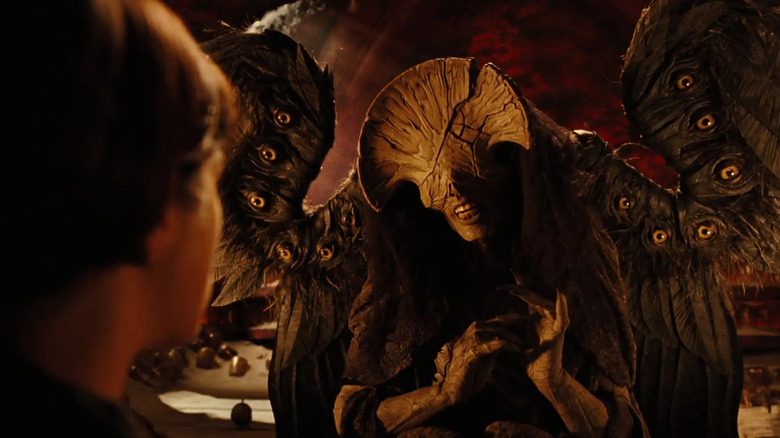
The 2019 film attempted to be "faithful" to the comics, packing in characters like Nimue and Lobster Johnson. However, it lacked the soul and thematic depth that defined the del Toro duology. It was a collection of comic book tropes without the connective emotional tissue. The Crooked Man fared better in terms of tone, but its shoestring budget made it feel like a whisper of the cinematic presence the series once held.
These reboots have not replaced the original films; instead, they have highlighted the vacuum left by the absence of Hellboy III. Del Toro’s version of Hellboy succeeded precisely because it wasn’t trying to be a "comic book movie." It was a gothic, romantic tragedy about a demon who loved humanity more than humanity loved him.
Implications for Future Filmmaking
The failure to launch Hellboy III serves as a cautionary tale for modern Hollywood. It illustrates the fragility of the "auteur-driven" franchise. Today, property management is often prioritized over individual vision, leading to a landscape where characters are endlessly recycled but rarely given a definitive, resonant conclusion.
For the audience, the loss of Hellboy III is a reminder of the ephemerality of art. Great stories require not just vision and talent, but a confluence of timing, budget, and corporate will. Guillermo del Toro’s Hellboy was a lightning-in-a-bottle moment—a unique intersection of horror, heart, and high-stakes action. While the film may never be made, its ghost continues to haunt the genre, serving as a standard against which all other monster-hero stories are measured. We are left with two perfect chapters of a trilogy that was promised, but never delivered, leaving us forever wondering how the Beast of the Apocalypse would have saved the world.


 Neng Nana
 Rifan Muazin