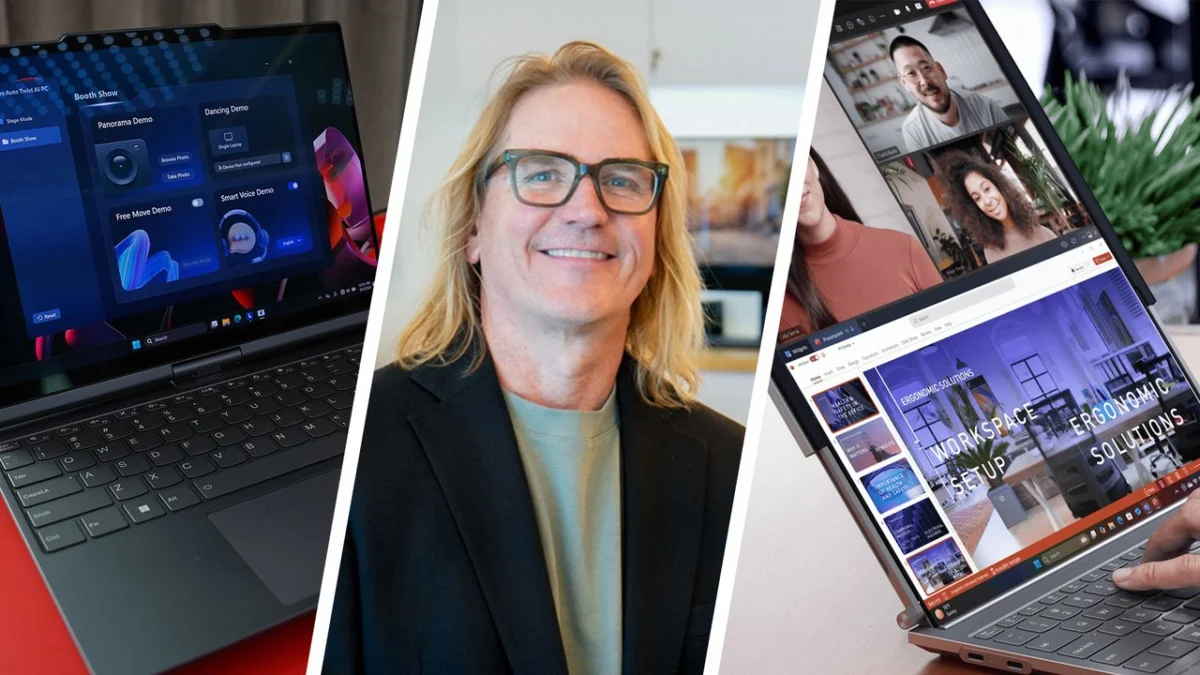
What does it mean to design a laptop in an era when the very concept of a laptop may be obsolete within a decade? As artificial intelligence (AI) fundamentally rewires the relationship between humans and their digital tools, the architects of our hardware are facing an unprecedented existential challenge: creating physical objects for digital experiences that do not yet exist.
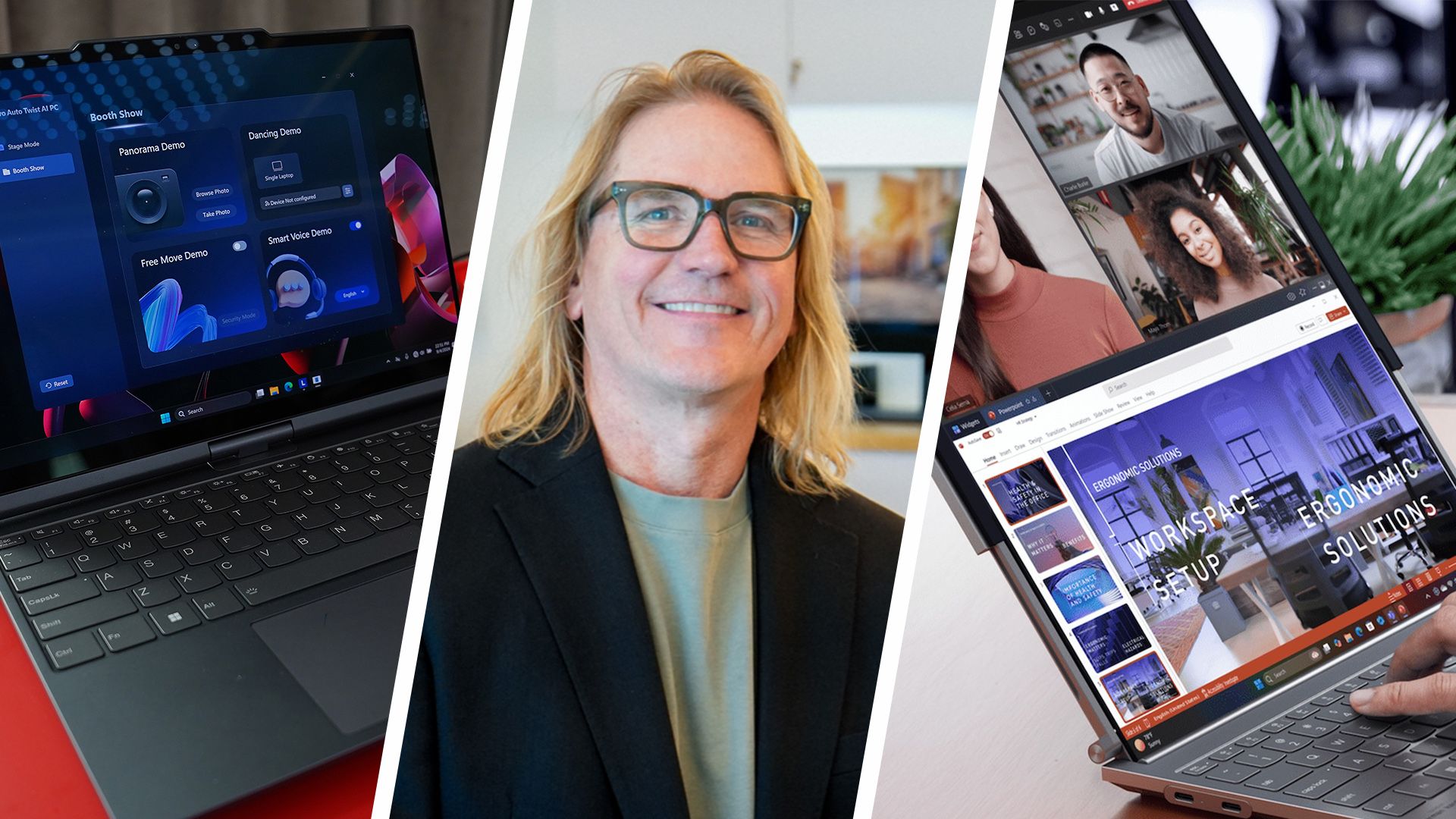
Brian Leonard, Vice President of Design at Lenovo, sits at the nexus of this transition. With a career spanning the design of nearly 800 notebook models, Leonard is uniquely positioned to observe the pivot from the "thin-and-light" obsession of the last twenty years to a future defined by intelligence, modularity, and human-centric adaptability.
The End of the "Thin and Light" Era
For the better part of two decades, the laptop industry was governed by a singular, rigid mantra: make it thinner, make it lighter, and make it cheaper. It was a race toward miniaturization that defined the aesthetic of the 2010s. According to Leonard, that era has officially drawn to a close.
"If we look back a couple of years ago, we were focused on how do we make it thinner, how do we make it lighter," Leonard explains. "And now it’s completely different, because we have the opportunity to change the way we use computers every day."
The shift is not merely cosmetic. The integration of high-level generative AI has fundamentally altered the purpose of hardware. Historically, computing was a manual process—a series of keystrokes and mouse clicks designed to produce predictable outputs. AI is now shifting the paradigm from "doing" to "directing." Users are moving away from manual input toward expressing intent, with AI acting as the bridge that understands the user’s identity and goals to deliver highly personalized outcomes.
Chronology of a Design Shift: From IBM Roots to AI Future
The evolution of Lenovo’s design philosophy is rooted in its heritage. As the steward of the iconic ThinkPad line—a brand inherited from IBM—Lenovo has always prioritized utility and tactility.
- The IBM Legacy: The lineage of the ThinkPad keyboard, inspired by the IBM Correcting Selectric typewriter, established a gold standard for tactile feedback.
- The Ultra-Thin Decade: Between 2010 and 2020, the industry pivoted toward the "ultrabook" aesthetic, often sacrificing ports, repairability, and battery modularity for the sake of portability.
- The Experimental Phase (2020-2024): With the introduction of the Yoga Book and various dual-screen concepts, Lenovo began to move away from the traditional clamshell form factor, driven by observational research of how professionals actually work in modern environments like cafes and co-working spaces.
- The AI Integration Era (2025 and beyond): Lenovo is currently integrating its "Qira" personalization platform, which aims to fuse hardware, software, and AI into a singular, cohesive user experience.
The Hardware-Software-AI Triangle
Leonard emphasizes that a designer’s role today is no longer confined to the chassis. It is about managing the "triangular relationship" between hardware, software, and artificial intelligence.
"When we look at what the future is, it’s not just about hardware," he says. "It’s about this relationship between hardware, software, and AI. So it’s no longer just about what it looks like and what it did, but what are those possibilities?"
This strategy is epitomized by Qira, a platform designed to prevent the generic, one-size-fits-all AI experience. By leveraging the data captured through integrated hardware sensors and software workflows, Lenovo aims to create a machine that learns the user’s specific workflow, effectively "knowing" what is needed before the user explicitly asks for it.
Supporting Data: Innovations in Form Factor
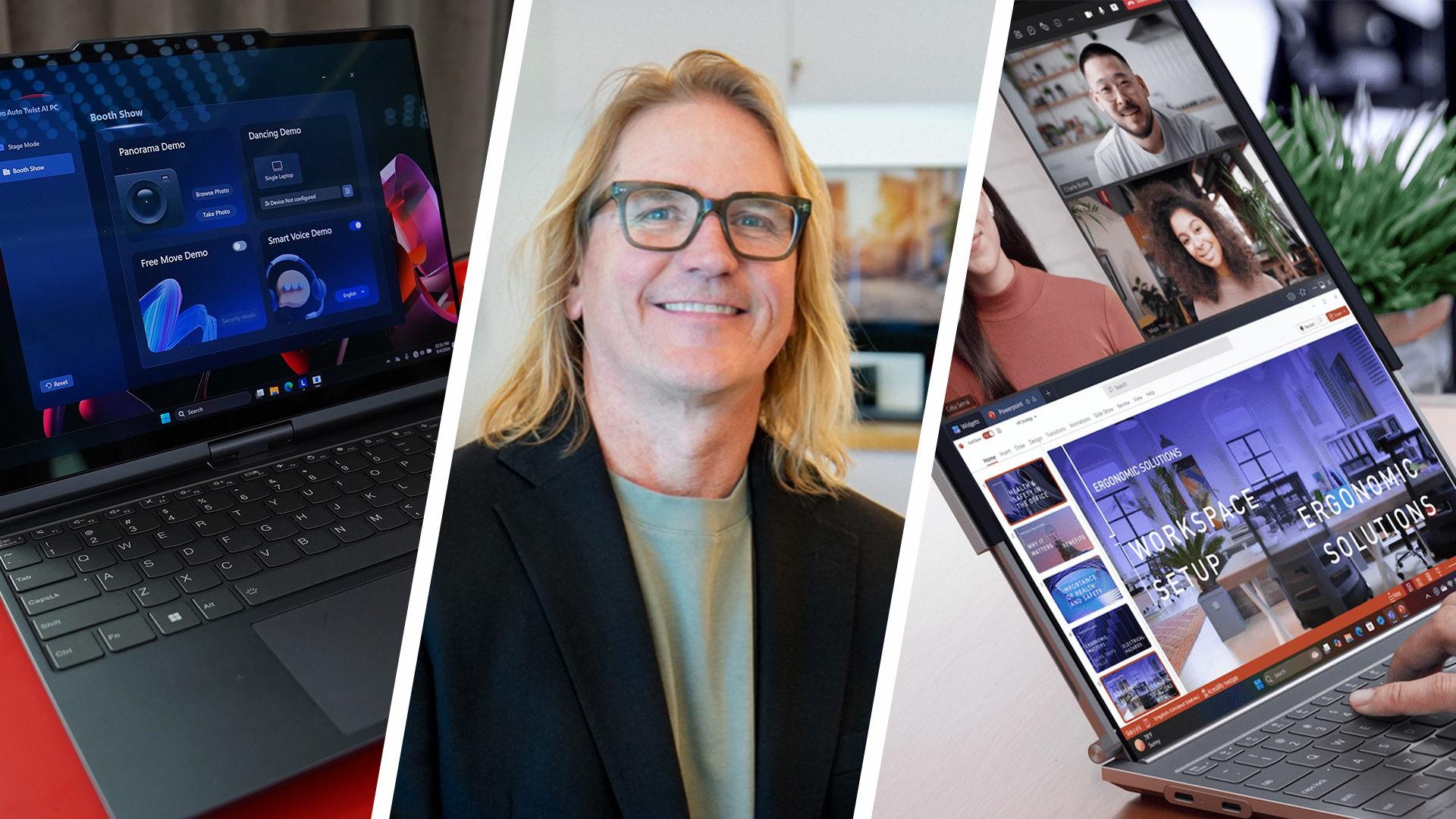
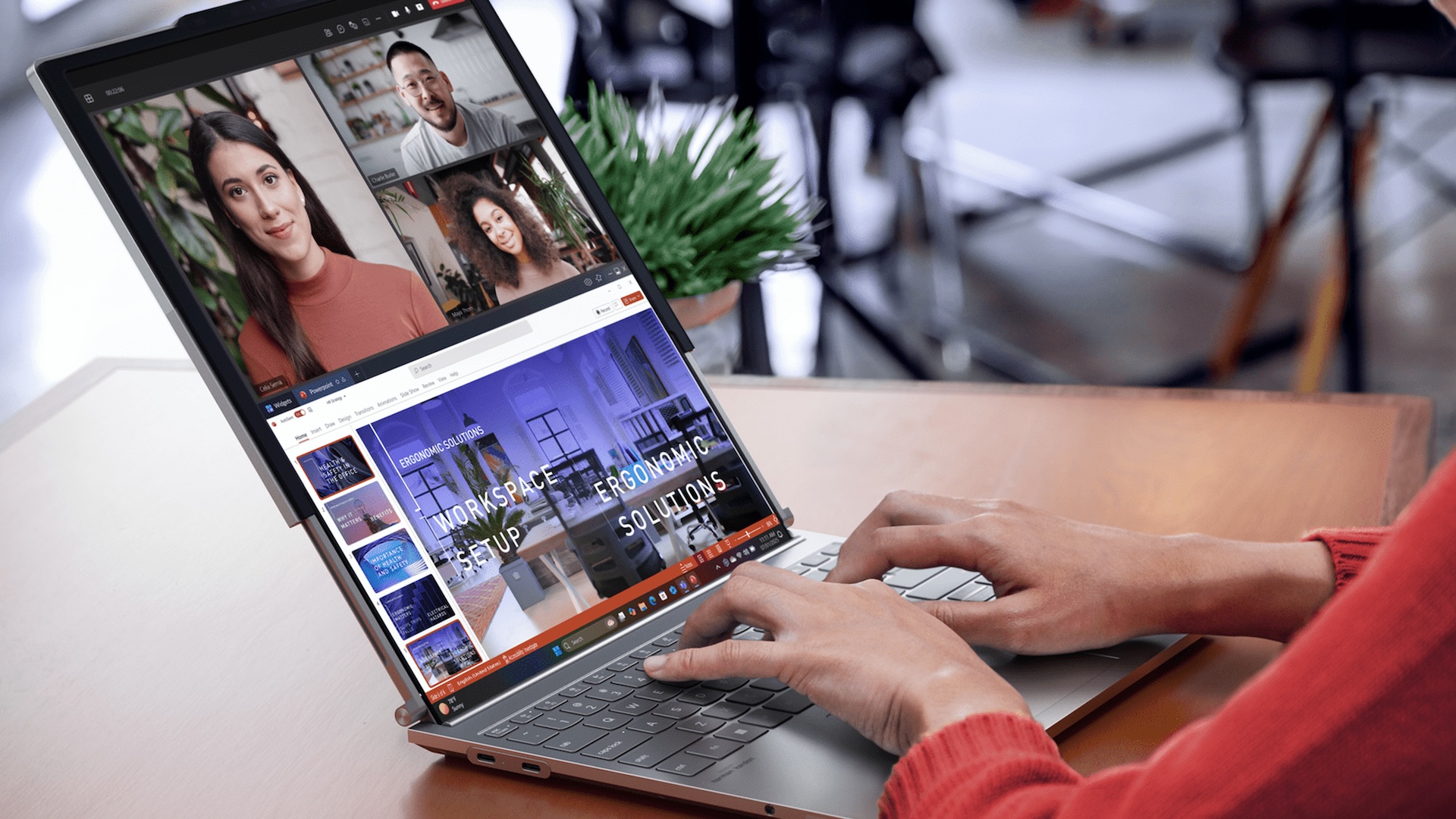
Lenovo’s recent experiments, such as the Auto Twist and the ThinkBook Plus Gen 6 Rollable, serve as concrete evidence of this departure from traditional design. These are not merely tech demos; they are functional investigations into how screen real estate can adapt to human behavior.
- Adaptive Workflows: The Yoga Book was born from watching users cobble together external keyboards and stands on small cafe tables. The realization was simple: if a user is going to carry accessories, the hardware itself should provide the solution.
- Modular Keyboards: Leonard views the physical keyboard as an increasingly optional component. In his vision, the keyboard is a modular piece of the puzzle—essential for intense writing, but replaceable by digital interfaces for quick edits or consumption.
- Rollable Displays: The ThinkBook Plus Gen 6’s rollable screen offers a glimpse into a future where physical footprint and digital display size are decoupled, allowing for a compact device that expands only when the task demands it.
The Ecosystem Imperative
A significant challenge in current hardware design is the "silo effect," where a phone, a tablet, and a laptop exist as isolated islands. Lenovo’s Smart Connect software is the company’s attempt to dissolve these boundaries.
The goal is seamless continuity. If a user sketches an idea on a tablet, it should be instantly available on the desktop for a presentation. This is not just about cloud syncing; it is about functional integration. Leonard argues that the "ecosystem imperative" requires that designers stop thinking about individual objects and start thinking about the workflow as a fluid, multi-device experience.
Repairability: A Return to Roots
Perhaps the most welcome trend in Leonard’s vision is the return of repairability. The industry’s past obsession with "thin and light" often necessitated glued-in batteries and soldered memory, which created a "disposable" tech culture.
"I can remember opening up the palm rest on a historical ThinkPad, and inside there are blue tabs to take out the hard drive, the optical drive, the memory," Leonard recalls. "At that point, it was table stakes."
He acknowledges that the industry is correcting course, driven by consumer demand for sustainability and longevity. The "Framework" movement has proven that users want to own their hardware, not just lease it. Lenovo is increasingly aligning its design language with this, focusing on ease of serviceability and component-level upgrades.

The Return of Tactility
In a surprising critique of modern design, Leonard expressed a strong desire to see the end of the "all-touchscreen" era. The trend of moving all controls to software-driven interfaces—a staple of the automotive industry’s recent design language—is, in his view, a mistake.
"I really hope we’re done with: all we have to do is give you a screen, and you press and do things on the screen," Leonard says. "I love the trend in automotive where they put the buttons back."
He advocates for a return to "multimodal" interaction, where physical buttons, haptic feedback, and natural movement play as large a role as the screen itself. The tactility of a device provides a sense of craft and value that a flat pane of glass simply cannot replicate.
Implications: Designing the "Cockpit"
When asked to imagine a world free from commercial constraints, Leonard’s vision shifts away from the device entirely. He envisions a "cockpit"—an environment-focused workspace where the technology fades into the background, supporting the user’s needs like the controls of a high-end vehicle.
This implies a future where the "laptop" as we know it—a folding, hinged clamshell—might become just one component of a broader, AI-augmented workspace. Whether it is through rollable displays, intelligent environments that adapt to the user’s presence, or a return to meaningful physical controls, the trajectory is clear: the era of the generic computer is ending.
The future of personal computing, according to Lenovo’s design lead, is one that is fundamentally, irrevocably personal. The challenge for the next decade will be to ensure that as our devices become smarter and more predictive, they remain tools that serve human intent, rather than masters that dictate it.