In an era where artificial intelligence dominates the creative conversation, the fundamental building blocks of professional design remain firmly rooted in traditional craftsmanship. While AI-generated imagery can create impressive layouts in seconds, the industry standard for high-end branding continues to rely on the precision, scalability, and structural integrity of fully editable PSD (Photoshop) files.
This article explores the enduring relevance of professional-grade design assets, highlighting a new, high-quality, free business card template designed by industry veteran Yasir Jawaid for Graphic Design Junction (GDJ).
Main Facts: The Intersection of Efficiency and Control
The debate surrounding AI in design often overlooks a critical distinction: the difference between an "image" and a "design asset." AI tools are exceptional at generating conceptual visuals, but they often lack the granular control required for professional print production. A truly professional business card requires precise CMYK color profiles, high-resolution vector-based elements, and a layer hierarchy that allows a designer to manipulate every aspect of the brand identity—from typography to logo placement—without degrading the quality.

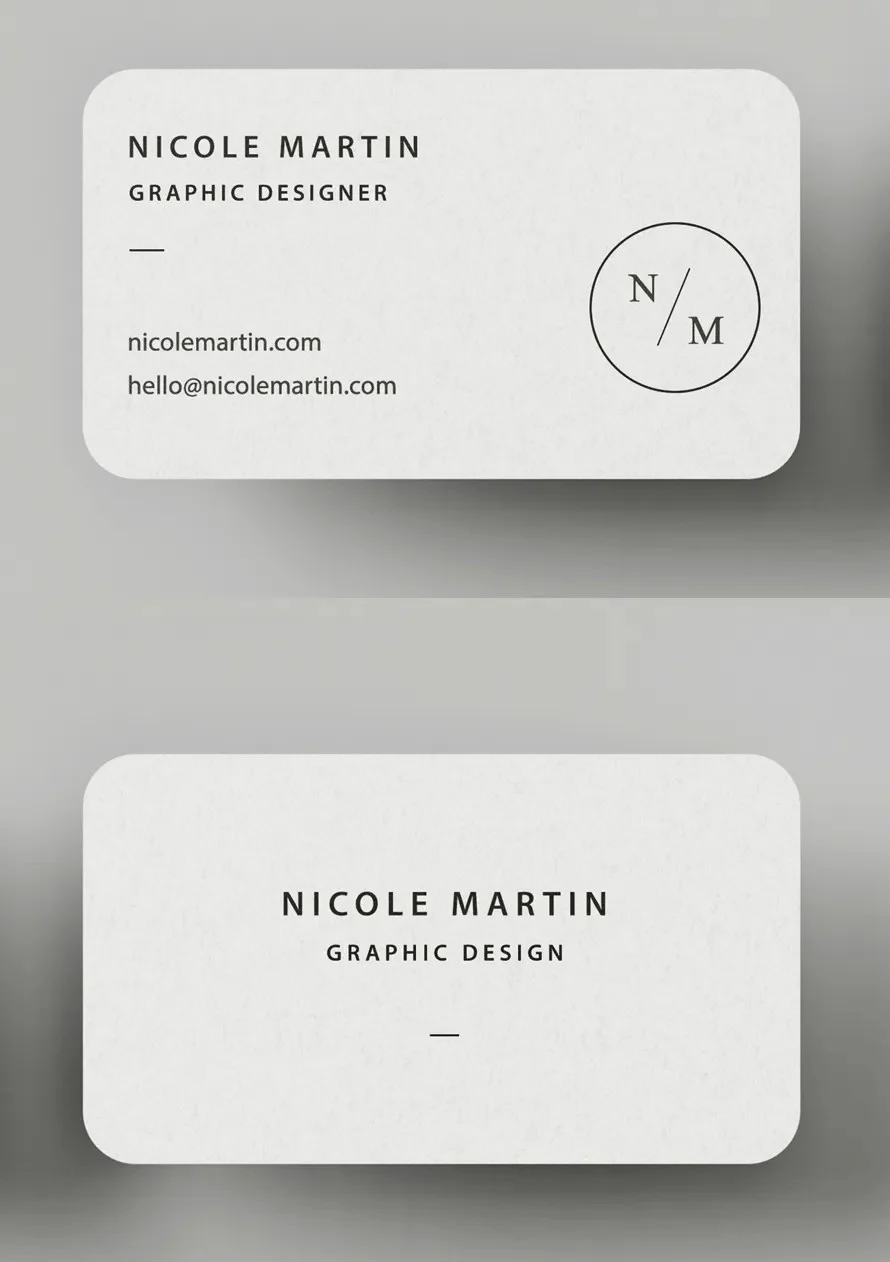
The "Minimal Free Business Card PSD Template" provided by GDJ represents the gold standard for this workflow. It is not merely an image; it is a structural framework. By utilizing organized, editable layers, designers, freelancers, and small business owners can maintain complete control over their branding. This ensures that when a card reaches the printing press, the results are crisp, professional, and brand-consistent.
Chronology: From Concept to Professional Implementation
The lifecycle of a professional design asset typically follows a rigorous path, distinct from the ephemeral nature of AI-generated prompts.
- The Conceptual Phase: The process begins with identifying a specific need in the market—in this case, the demand for "minimalist" branding that conveys professionalism without clutter.
- Structural Design: Unlike AI generation, which often produces "flattened" results, professional designers like Yasir Jawaid build these templates from the ground up. This includes setting up industry-standard dimensions (typically 3.5 x 2 inches with bleed areas), defining color palettes, and establishing font hierarchies.
- Refinement: The file is optimized for Photoshop, ensuring that layers are named and grouped. This allows the end-user to swap out contact details, job titles, and logos in minutes rather than hours.
- Distribution: Once finalized, the template is released as a high-resolution, print-ready asset, serving as a permanent tool in a designer’s toolkit.
Supporting Data: Why Templates are Indispensable
Research into design workflows indicates that while creative inspiration is faster than ever, the technical execution remains the primary bottleneck for small businesses. According to industry surveys, over 70% of professional designers utilize pre-existing templates or base layers to expedite client projects.

The rationale is simple: Time is the designer’s most valuable currency. By leveraging a high-quality, pre-built structure, a freelancer can focus their energy on customizing the brand identity rather than wrestling with technical specifications like bleed, safe zones, and CMYK color conversion.
Furthermore, the "Minimal Free Business Card PSD Template" provides a masterclass in clean, modern aesthetics. By stripping away unnecessary ornamentation, the design emphasizes the core information, which is the primary goal of any business card. For students, this template serves as an educational resource—a way to "reverse engineer" how a professional layout is constructed, from the placement of whitespace to the selection of typography.
Official Perspective: The Designer’s Role in the Digital Age
Yasir Jawaid, the creator behind this resource, emphasizes that while technology evolves, the core principles of design—clarity, hierarchy, and professional output—remain constant. "Designing is my hobby and my profession," Jawaid notes. "My expertise is in creating assets that don’t just look good on a screen but perform flawlessly in the real world."

For Jawaid and the GDJ community, the goal is to democratize high-quality design. By offering these assets for free, they are providing small businesses and emerging designers with the same tools used by agencies, thereby leveling the playing field in an increasingly competitive market.
This approach also highlights the importance of licensing. Unlike many AI-generated assets, which often exist in a legal gray area regarding copyright and commercial usage, this template comes with a clear, professional license. It allows for both commercial and non-commercial usage, provided the user credits the original creator, ensuring that the creative ecosystem remains sustainable and respectful of intellectual property.
Implications for the Future of Branding
What does this mean for the future of the design industry? The rise of AI will likely lead to a bifurcation in the market. On one side, we will see a flood of rapid, AI-generated content used for social media and temporary digital displays. On the other side, we will see a reinforced value for "professional-grade" assets.

Clients are becoming increasingly savvy. They can spot the limitations of automated design. When it comes to something as tactile and permanent as a business card—a physical token of a person’s reputation—there is no substitute for the intentionality of a human-designed, fully editable PSD template.
Key Features of the Minimalist Template:
- Full Editability: Every layer, shape, and text box is accessible, allowing for total customization.
- Print-Ready Standards: Designed in high-resolution with CMYK color modes, essential for accurate color reproduction during the printing process.
- Versatility: The minimal design aesthetic is adaptable to various industries, from corporate law and architecture to creative consulting and freelance photography.
- Educational Value: Ideal for those looking to understand the technical requirements of professional print design.
Conclusion: Investing in Your Toolkit
In conclusion, the "Minimal Free Business Card PSD Template" is more than just a freebie; it is a testament to the enduring power of professional design tools. As designers navigate an environment saturated with automated tools, the ability to maintain, edit, and perfect a high-quality file remains a critical skill.
For those looking to elevate their branding, the path forward is clear: integrate these high-quality, professional-grade templates into your workflow. They provide the perfect balance of efficiency and creative control, ensuring that your business cards are not just pieces of paper, but powerful, professional introductions to your brand.

To access this resource and add it to your design library, you can download the files directly from the GDJ portal. By utilizing these tools, you are not just saving time; you are ensuring that your professional identity is built on a foundation of quality, precision, and design excellence.
For those interested in exploring further resources, GDJ hosts a massive library of over 1,500,000+ fonts, mockups, and design assets, ensuring that designers at all levels have the materials they need to succeed in a competitive digital landscape.