

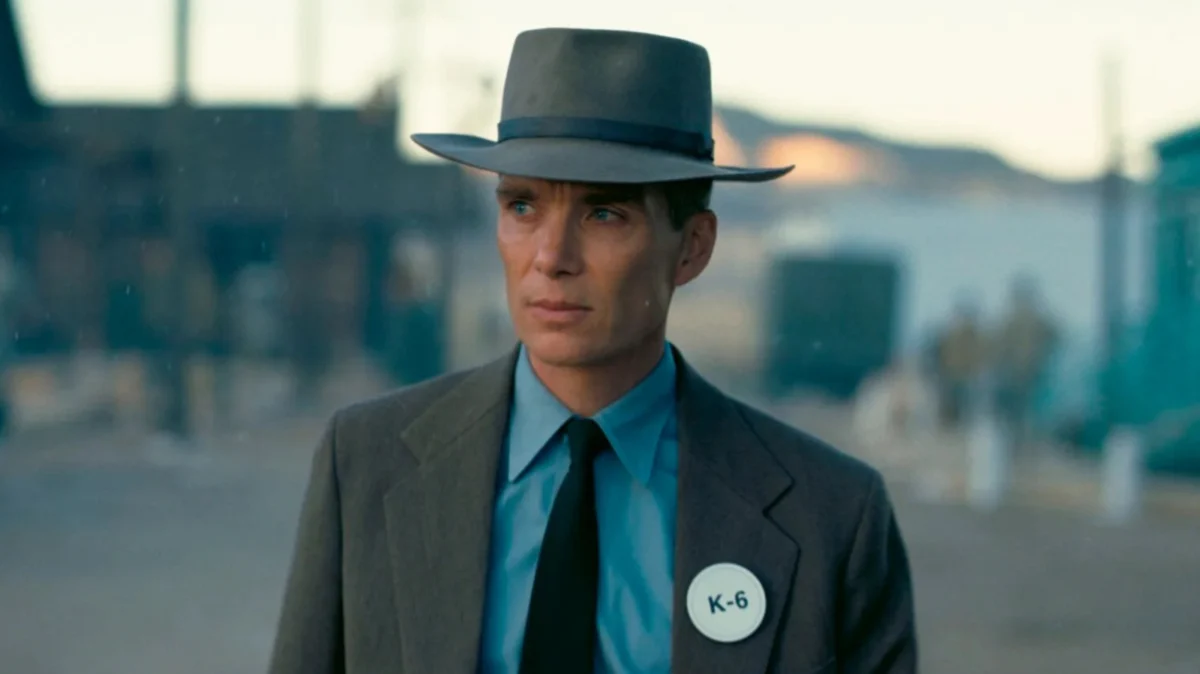
Christopher Nolan has carved out a singular space in the landscape of contemporary filmmaking. Since his 1998 feature debut Following, the London-born auteur has evolved from a master of micro-budget neo-noir into the industry’s foremost architect of "event cinema." Nolan’s career is defined by a relentless obsession with the mechanics of time, the fragility of memory, and the moral weight of human ambition.
While critical reception remains a subjective endeavor, the data provided by review aggregator Rotten Tomatoes offers a "scientific" glimpse into the consensus surrounding his filmography. As the dust settles on the release of his latest epic, The Odyssey, we take a deep dive into the five most highly-regarded films in Nolan’s body of work, tracing their production history, their cultural impact, and the artistic choices that cemented their status as modern classics.
The Chronology of an Auteur
Christopher Nolan’s trajectory is a study in consistent escalation. After the gritty, experimental nature of Following and the breakout success of Memento, Nolan moved into the realm of high-concept blockbusters. However, he never abandoned his structural idiosyncrasies. Whether he is dissecting a comic book mythos or recreating the horrors of the Manhattan Project, his films share a common DNA: non-linear storytelling, an emphasis on practical effects over CGI, and a profound philosophical inquiry into the nature of existence.
From the claustrophobic tension of a World War II beach to the vast, mythological scope of ancient Greece, Nolan has demonstrated an unmatched ability to scale his vision without losing the intimacy of his characters.
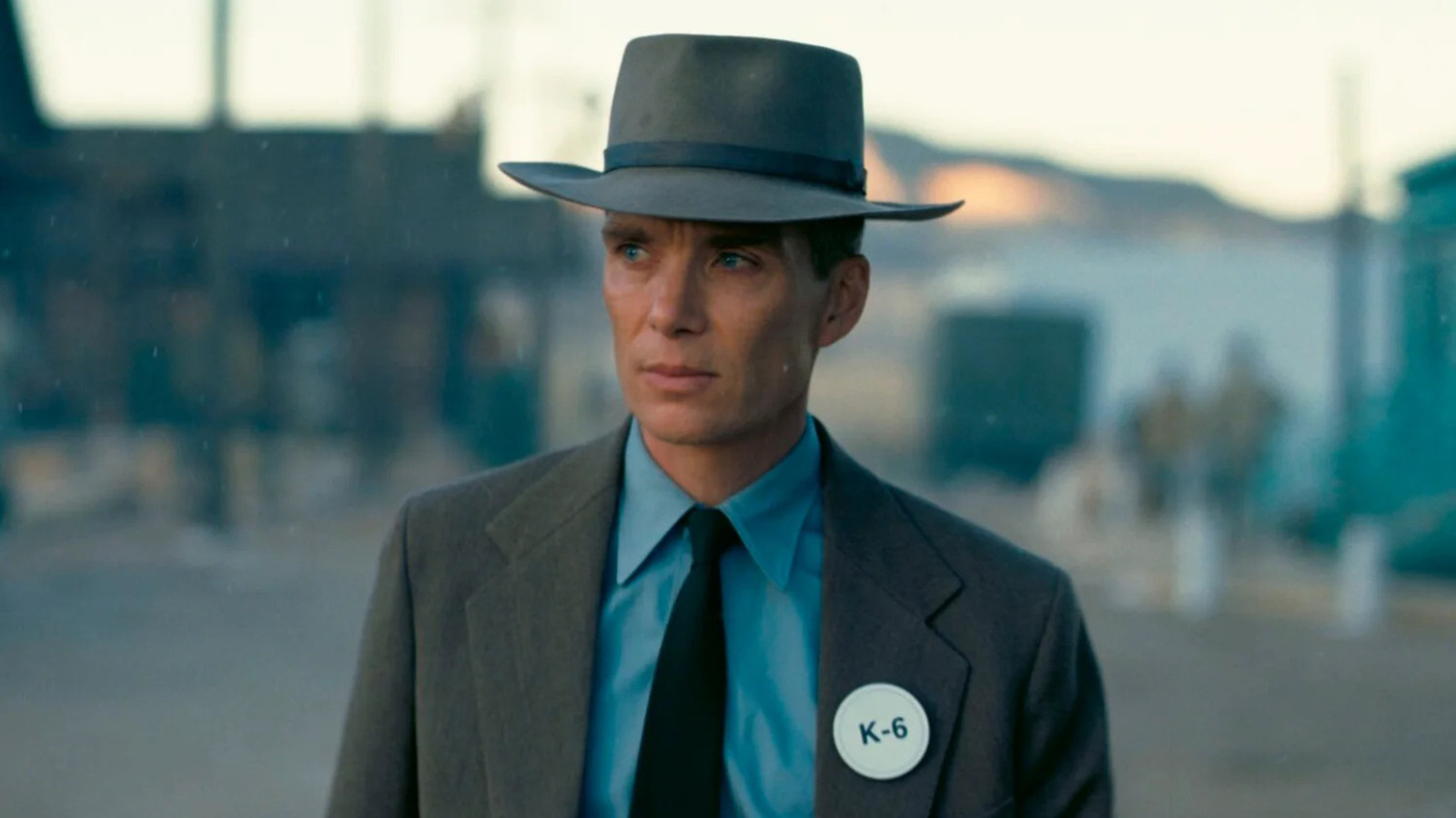
1. The Odyssey (96%): A Mythic Masterpiece
Nolan’s most recent offering, The Odyssey, currently sits at the pinnacle of his Rotten Tomatoes ranking with a staggering 96% approval rating. This adaptation of Homer’s epic poem is widely viewed as the culmination of Nolan’s life’s work—a project that synthesizes his interest in historical trauma, displacement, and the heroic journey.
The Scope of the Production
Starring frequent collaborator Matt Damon as the weary, world-worn Odysseus, the film charts the hero’s arduous return from the Trojan War. Nolan avoids the pitfalls of historical cliché by grounding the supernatural elements in visceral, tactile reality. The ensemble cast—featuring Anne Hathaway as the stalwart Penelope, Tom Holland as the maturing Telemachus, and Zendaya as a haunting, ethereal Athena—elevates the narrative from a mere period piece to a profound exploration of human endurance.
Critical Implications
The film’s success highlights a shift in audience appetite for high-brow, long-form storytelling. By weaving in a massive roster of talent, including Robert Pattinson, Lupita Nyong’o, and John Leguizamo, Nolan creates a world that feels lived-in and historically dense. Critics have noted that The Odyssey represents a "totalizing" cinematic experience, one that requires the viewer to engage with the text on multiple levels, much like the original epic itself.
2. The Dark Knight (94%): Redefining the Genre
Few films have fundamentally altered the DNA of Hollywood as drastically as 2008’s The Dark Knight. Serving as the centerpiece of Nolan’s Dark Knight trilogy, the film transcended the superhero genre to become a crime drama of Shakespearean proportions.
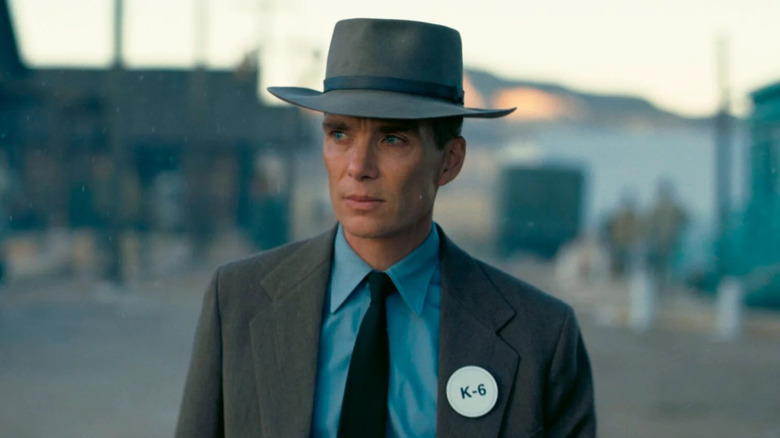
The "Oscars Effect"
It is no secret that The Dark Knight is the reason the Academy Awards expanded the Best Picture category. Following the film’s snub, the industry realized that ignoring a work of such immense cultural and financial gravity was no longer sustainable. The film’s legacy is inextricably linked to the late Heath Ledger, whose portrayal of the Joker remains the gold standard for cinematic villainy.
Philosophical Depth
Beyond the action sequences, the film functions as a stark interrogation of human nature. Through the lens of the Joker, Nolan explores the fragility of order and the thin line between civilization and chaos. It is a bleak, uncompromising look at hubris and morality, anchored by Christian Bale’s stoic Bruce Wayne and Gary Oldman’s weary Jim Gordon.
3. Memento (94%): The Blueprint for Brilliance
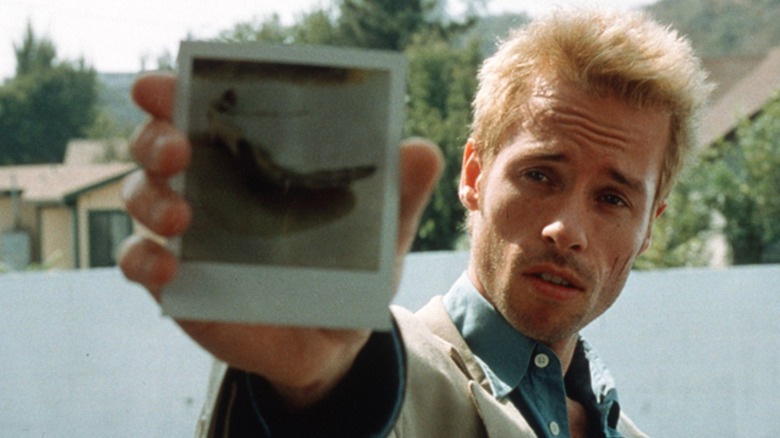
If The Dark Knight represents the peak of Nolan’s technical ambition, Memento remains the bedrock of his stylistic identity. With a 94% Rotten Tomatoes score, this 2000 release was the film that truly "put him on the map."
Narrative Architecture
Adapted from a short story by his brother, Jonathan Nolan, Memento utilizes a reverse-chronological structure to place the audience inside the mind of Leonard Shelby (Guy Pearce), a man suffering from anterograde amnesia. By forcing the viewer to experience the confusion of a protagonist who cannot form new memories, Nolan turns the act of watching a movie into a puzzle.

Impact on Nolan’s Career
This film introduced the world to the "Nolan style": the non-linear narrative, the focus on grief, and the demand for audience participation. It remains a masterclass in low-budget efficiency, proving that a compelling concept and a tight script are more potent than any amount of visual effects.
4. Oppenheimer (93%): The Moral Weight of Innovation
Released in 2023, Oppenheimer serves as a sobering meditation on the consequences of scientific advancement. Holding a 93% rating on Rotten Tomatoes, the film eventually earned Nolan his long-overdue Academy Award for Best Director.
The "Most Nolan" Movie
Based on the biography American Prometheus, the film centers on J. Robert Oppenheimer, the father of the atomic bomb. Cillian Murphy’s performance is a masterwork of restraint, capturing the internal decay of a man who realized too late that he had handed humanity the tools for its own extinction.
Technical Feat: The Trinity Test
The recreation of the Trinity Test remains one of the most discussed sequences in modern cinema. By eschewing CGI, Nolan achieved a sense of scale and dread that felt terrifyingly real. The film’s success—both critically and commercially—confirmed that audiences are still willing to engage with dense, dialogue-heavy historical epics if they are helmed by a director with a clear, uncompromising vision.
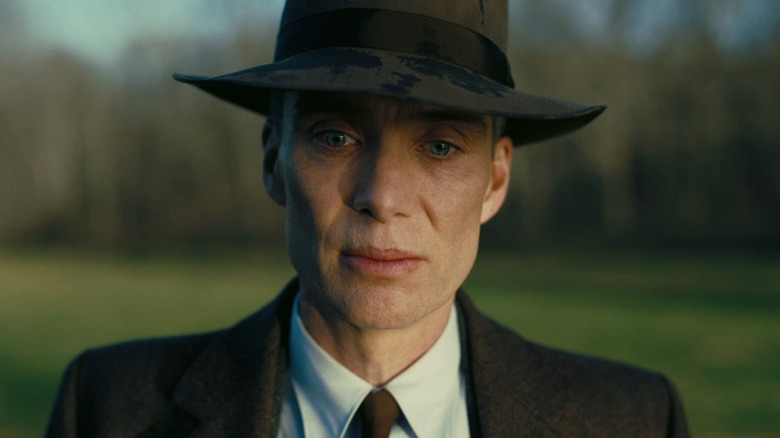
5. Dunkirk (92%): A Sensory Experience
Rounding out the top five is Dunkirk (92%), a film that prioritizes visceral experience over traditional character development. By chronicling the evacuation of Allied soldiers from the beaches of France during World War II, Nolan stripped away the melodrama of the war genre to focus on the raw mechanics of survival.
Land, Sea, and Sky
Nolan’s narrative strategy for Dunkirk was unique: he split the timeline across three different environments. This allowed him to manipulate time, creating a sense of mounting dread that builds to an agonizing crescendo. With cinematography by Hoyte van Hoytema and a relentless score by Hans Zimmer, Dunkirk is a "dizzying visual feast" that functions more like a heartbeat than a traditional screenplay.
Implications for Future Filmmaking
The consistent success of these films suggests a clear trend: audiences are hungry for "difficult" cinema. Christopher Nolan has proven that it is possible to maintain a high level of intellectual rigor while operating within the confines of the studio system.
The Role of Rotten Tomatoes and Data
While some critics argue that review aggregation services can homogenize opinion, the data consistently reflects a reality that fans have long known: Nolan’s films are not just entertainment; they are events. Whether through the innovative use of IMAX cameras, the challenging of temporal norms, or the casting of high-caliber actors in complex roles, Nolan has set a high bar for what a blockbuster can be.
Looking Ahead
As we evaluate these top five entries, it becomes clear that Nolan’s strength lies in his ability to evolve. From the intimate, mind-bending puzzles of Memento to the sweeping, historical scale of The Odyssey, he has remained a restless creator. His body of work serves as a reminder that the most successful films are often those that refuse to talk down to their audience, instead demanding their full attention and rewarding their curiosity with a cinematic experience that resonates long after the credits roll.
In an era where streaming and short-form content dominate the landscape, Christopher Nolan’s films stand as a testament to the enduring power of the theater-going experience. He is, quite simply, an auteur who has mastered the art of the spectacle, ensuring that his place in film history is not just secure, but constantly expanding.










