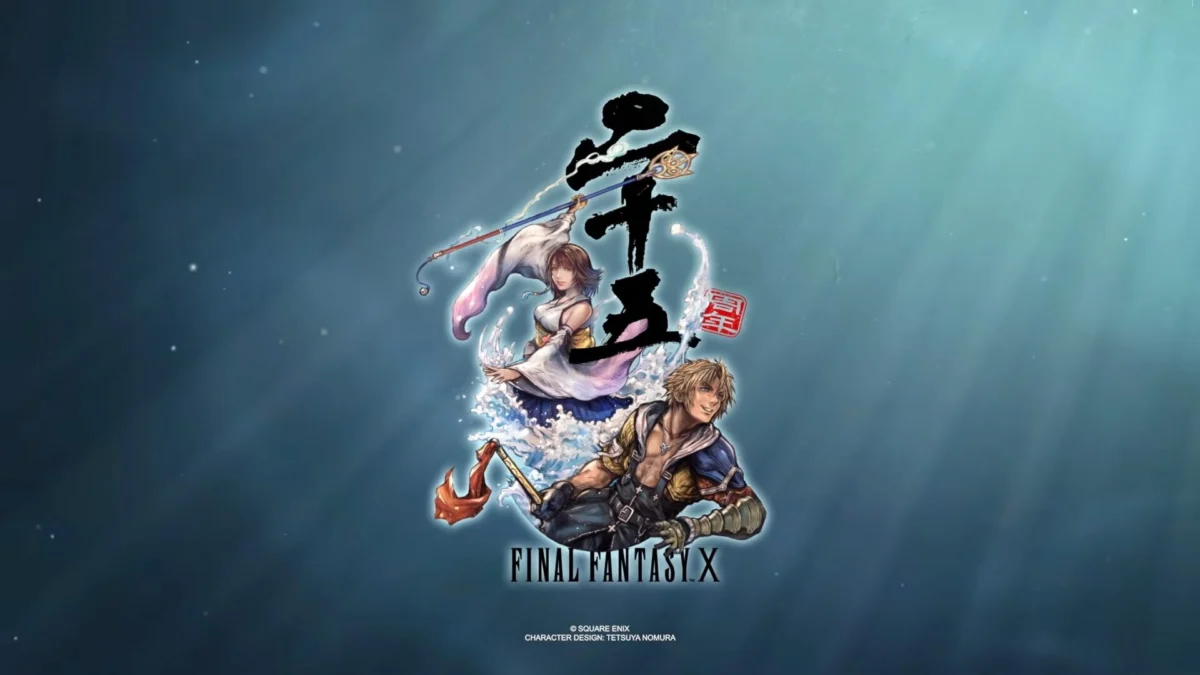
TOKYO, Japan – Twenty-five years after its groundbreaking debut, Square Enix has unveiled a special commemorative trailer for Final Fantasy X, marking a quarter-century since the iconic JRPG first captivated players worldwide. Launched on July 19, 2001, for the PlayStation 2, Final Fantasy X quickly cemented its place as a pivotal title in the storied Final Fantasy series, remembered for its compelling narrative, innovative gameplay, and emotional depth. The release of this celebratory trailer underscores the game’s lasting impact and its continued relevance to both veteran fans and a new generation of players.
The announcement comes as Final Fantasy X | X-2 HD Remaster, a package that includes high-definition versions of Final Fantasy X and its direct sequel Final Fantasy X-2, continues to be widely available across multiple platforms. Currently playable on PlayStation 4, Xbox One, Nintendo Switch, PC, PlayStation 3, and PlayStation Vita, the remastered collection is also slated for a release on the upcoming Nintendo Switch 2 on July 23, further extending the journey of Tidus and Yuna to an even broader audience.
The commemorative trailer, a poignant montage of key moments and beloved characters, serves as a powerful reminder of the game’s enduring appeal. It invites fans to reflect on the epic pilgrimage through Spira and the timeless themes of sacrifice, destiny, and love that define Final Fantasy X.
A Quarter-Century of Spira’s Saga
The journey of Final Fantasy X is a rich tapestry woven through two main titles and multiple re-releases, each contributing to its legendary status. Understanding its chronology is key to appreciating its monumental impact on the gaming world.
The Dawn of a New Era: Original PlayStation 2 Release (2001)
When Final Fantasy X arrived on the scene on July 19, 2001, it wasn’t merely another installment in a beloved franchise; it was a bold leap forward for the entire industry. As the first main series Final Fantasy title to grace the PlayStation 2, it ushered in a new era of graphical fidelity and narrative presentation. The gaming landscape of 2001 was ripe for innovation, and Final Fantasy X delivered on multiple fronts. It was the first Final Fantasy game to feature full voice acting for its main cast, a monumental undertaking that brought an unprecedented level of emotional immersion to its characters and story. This technological advancement allowed for more nuanced performances and deeper character development, resonating powerfully with players.
Beyond voice acting, the game introduced a fully 3D environment, departing from the pre-rendered backgrounds of its predecessors. This allowed for a more dynamic camera and a greater sense of exploration within the vibrant world of Spira. The combat system, known as the Conditional Turn-based Battle (CTB) system, offered a strategic twist on traditional turn-based combat, allowing players to see the turn order and swap party members mid-battle. Character progression was reimagined with the innovative Sphere Grid, a non-linear leveling system that offered unparalleled customization and freedom in developing party members.
Upon its release, Final Fantasy X was met with universal critical acclaim. Reviewers lauded its breathtaking graphics, unforgettable soundtrack, and, most importantly, its deeply moving story. Themes of religious dogma, the cycle of death and rebirth, forbidden love, and the courage to defy destiny were explored with a maturity and depth rarely seen in video games at the time. Its commercial success was immediate and profound, selling millions of copies worldwide and solidifying its position as one of the defining titles of the PlayStation 2 era.
Expanding the Narrative: Final Fantasy X-2 (2003)
Two years later, Square Enix took an unprecedented step with the release of Final Fantasy X-2 in 2003. Historically, main Final Fantasy titles were standalone narratives set in distinct worlds with new characters. Final Fantasy X-2 broke this tradition by offering a direct sequel, continuing the story of Spira and its inhabitants two years after the events of the original game. This decision was met with a mix of excitement and apprehension from fans, who wondered if a sequel could capture the magic and gravitas of its predecessor.
Final Fantasy X-2 adopted a lighter, more adventurous tone, focusing on Yuna’s new role as a sphere hunter and her quest to uncover lingering mysteries. The gameplay also saw significant changes, most notably the "Dressphere" system, which allowed characters to change their jobs and abilities dynamically mid-battle by switching outfits. This active combat system was a departure from FFX’s strategic CTB and injected a new level of pace and customization. While its narrative and tone received a more mixed reception compared to the original, Final Fantasy X-2 further enriched the lore of Spira and offered a different perspective on its post-Sin era. It provided a sense of closure for many characters and explored the aftermath of such profound societal change.
The HD Era: Remasters and Re-releases (2013-Present)
The enduring popularity of Final Fantasy X and X-2 led to their inevitable return in high-definition. In 2013, Final Fantasy X | X-2 HD Remaster was announced and subsequently released for PlayStation 3 and PlayStation Vita. This comprehensive package breathed new life into the beloved games, featuring enhanced graphics, revamped character models, and a choice between the original and a newly arranged soundtrack. The remaster also included "Final Fantasy X: Eternal Calm" and "Final Fantasy X-2: Last Mission," additional content previously exclusive to the Japanese international versions, providing even more narrative insights for fans.
The success of these initial HD releases prompted further ports to a wider array of modern platforms. In subsequent years, the collection made its way to PlayStation 4, Xbox One, PC, and Nintendo Switch, ensuring that new generations of players could experience Tidus and Yuna’s epic journey without needing older hardware. Each re-release was met with enthusiasm, proving the timeless appeal of the games. The upcoming release on the Nintendo Switch 2 on July 23 is a testament to Square Enix’s commitment to keeping these classics accessible and relevant, ensuring that the saga of Spira continues to enchant players on the latest hardware. These continuous efforts highlight the unique position Final Fantasy X holds within the pantheon of gaming history.
The Enduring Legacy of Final Fantasy X
Beyond its chronological journey through various platforms, the true measure of Final Fantasy X‘s significance lies in its profound and lasting impact on the gaming world and its dedicated community.
Critical Acclaim and Sales Milestones
From its initial release, Final Fantasy X was a critical darling. It holds an impressive Metacritic score of 92/100, a testament to its widespread critical praise. Publications lauded its compelling narrative, stunning visuals for the time, memorable characters, and innovative gameplay systems. It garnered numerous "Game of the Year" awards and nominations, solidifying its status as one of the greatest role-playing games of all time.
Commercially, Final Fantasy X was a colossal success. It sold over 2 million copies in its first four days in Japan alone, and by March 2002, it had sold over 3 million units worldwide. The game went on to sell over 8 million copies on the PlayStation 2 globally, making it one of the best-selling titles on the platform. The HD Remaster collection also achieved significant sales, exceeding 1.4 million units by 2014, further underscoring the enduring demand for the title. These sales figures are not just numbers; they represent millions of players who invested countless hours into exploring Spira and connecting with its story.
Cultural Impact and Fan Dedication
The impact of Final Fantasy X extends far beyond sales charts and critical scores. Its characters have become iconic figures in gaming history. Tidus, the star blitzball player thrust into an unknown world; Yuna, the serene summoner on a perilous pilgrimage; the stoic Auron; the fierce Lulu; the cheerful Rikku; the loyal Wakka; and the silent but powerful Kimahri – each is etched into the memories of players. Their relationships, personal struggles, and collective journey form the emotional core of the game.

Final Fantasy X is replete with unforgettable moments that have become touchstones for fans: the now-famous "laughter scene" that, despite its initial awkwardness, reveals a deep character moment; the poignant pilgrimage through Spira; the reveal of Sin’s true nature; and the emotional climax in the Zanarkand ruins. These scenes, coupled with the game’s powerful narrative, have fostered a deeply passionate fan base. Discussions about character motivations, thematic interpretations, and speculative theories continue to thrive online, decades after its release. Fan art, cosplay, and tribute videos are abundant, showcasing the enduring love and dedication of the community.
The game’s soundtrack, primarily composed by Nobuo Uematsu, Masashi Hamauzu, and Junya Nakano, is considered one of the finest in video game history. Tracks like the melancholic "To Zanarkand," the serene "Suteki Da Ne" (sung by Rikki), and the various battle themes evoke powerful emotions and are instantly recognizable to fans. The music plays a crucial role in enhancing the narrative and creating the unique atmosphere of Spira, further solidifying the game’s cultural footprint.
Technical and Artistic Innovations
For its time, Final Fantasy X pushed technical boundaries. The implementation of full voice acting was a monumental undertaking, requiring extensive scriptwriting, casting, and recording, which significantly elevated the storytelling experience. The character models boasted expressive facial animations and detailed designs, allowing for a broader range of emotions to be conveyed. This, combined with cinematic cutscenes, created a truly immersive experience that felt like an interactive movie.
Artistically, Spira is a marvel. The world design masterfully blends ancient, spiritual aesthetics with futuristic technology, creating a unique visual identity. From the tropical tranquility of Besaid Island to the bustling metropolis of Luca and the desolate beauty of the Zanarkand ruins, every location is distinct and memorable. The art direction, coupled with the technical prowess, created a cohesive and believable fantasy world that invited players to lose themselves within its confines.
The Conditional Turn-based Battle (CTB) system was a clever evolution of turn-based combat, providing a strategic layer by making the turn order visible and allowing for party member swaps. This encouraged players to think tactically about their moves. The Sphere Grid, a revolutionary character progression system, offered unprecedented flexibility, allowing players to tailor each character’s stats and abilities to their preferred playstyle, fostering a deep sense of ownership over their party’s development. These innovations ensured that Final Fantasy X was not just a beautiful story but also a deeply engaging gameplay experience.
Voices from Square Enix and Beyond
The 25th anniversary trailer serves as Square Enix’s official acknowledgment and celebration of Final Fantasy X‘s monumental milestone. While specific new quotes from developers were not immediately available with the trailer release, such commemorations typically carry a collective message of gratitude and pride.
Commemorative Trailer and Messaging
The 25th-anniversary trailer is more than just a promotional video; it’s a nostalgic journey. It carefully curates iconic scenes, character interactions, and glimpses of Spira’s breathtaking landscapes, designed to evoke powerful memories for long-time fans. The selection of footage likely emphasizes the game’s core themes: Yuna’s pilgrimage, the fight against Sin, the tragic love story between Tidus and Yuna, and the camaraderie of the party. The overall tone is one of reverence and celebration, reflecting the game’s beloved status.
Square Enix, as the publisher and developer, consistently expresses pride in the Final Fantasy series’ enduring legacy. For a title like Final Fantasy X, which has seen multiple re-releases and sustained popularity, such anniversaries are moments to acknowledge the dedication of the development team and the unwavering support of the fan base. Past statements from key developers, such as producer Yoshinori Kitase, director Motomu Toriyama, and scenario writer Kazushige Nojima, often highlight the challenges and rewards of creating Final Fantasy X. They frequently speak of the game’s experimental nature, particularly with voice acting and the fully 3D world, and the profound connection they feel to the story and characters. The anniversary trailer is an implicit "thank you" to the millions who have embarked on this journey over the past two and a half decades.
Looking Back and Forward
Within Square Enix’s vast portfolio, Final Fantasy X occupies a unique and revered position. It represents a bridge between the classic PlayStation-era Final Fantasy games and the more technologically advanced titles that would follow. It was a game that dared to innovate while retaining the core essence of what made Final Fantasy special. The continuous efforts to remaster and re-release Final Fantasy X | X-2 HD Remaster across various platforms signify Square Enix’s commitment to game preservation and accessibility. These efforts ensure that the game remains available and visually appealing to contemporary audiences, preventing it from being lost to outdated hardware.
The impending release on the Nintendo Switch 2 is particularly significant. It demonstrates that Square Enix sees Final Fantasy X not just as a historical artifact, but as a living, breathing experience that can still resonate with players on the newest gaming systems. This forward-looking approach, while celebrating the past, reinforces the idea that true classics transcend technological generations and continue to offer valuable entertainment and storytelling.
The Road Ahead for Spira and Final Fantasy
The 25th anniversary of Final Fantasy X is more than just a look back; it also provides an opportunity to reflect on its continued relevance and what it signifies for the future of the Final Fantasy franchise and narrative-driven games as a whole.
Continued Relevance in a Modern Gaming Landscape
In an era dominated by open-world experiences, live-service games, and hyper-realistic graphics, Final Fantasy X continues to hold its own. Its linear, story-focused approach, while different from many modern blockbusters, is precisely what makes it appealing to many players seeking a concentrated, impactful narrative. The themes of confronting oppressive systems, questioning faith, and the power of individual choice remain as potent today as they were in 2001. New players, encountering the game through its HD Remaster, consistently praise its storytelling, character development, and emotional resonance, proving that a well-crafted narrative and memorable characters can transcend graphical advancements. Final Fantasy X stands as a testament to the enduring power of classic JRPG design and its ability to captivate audiences regardless of current trends.
The Potential for Further Exploration
While Final Fantasy X-2 provided a definitive conclusion to Yuna’s story, the lore of Spira is rich enough to potentially inspire future spin-offs or adaptations, although a full-scale remake in the vein of Final Fantasy VII Remake seems unlikely given its existing HD versions. However, the consistent popularity of the series and the anniversary celebrations could spark interest in other forms of media, such as animated series, novels, or even stage productions, further expanding the universe. These milestones serve as powerful reminders of the untapped potential within beloved franchises, and while Square Enix has not indicated any new content for FFX, the community’s passion remains fertile ground for creative endeavors. The mere act of celebrating such an anniversary reinforces the value of preserving and occasionally revisiting these foundational works.
The Broader Final Fantasy Universe
Final Fantasy X‘s success contributed significantly to the overall evolution and diversification of the Final Fantasy series. Its innovations in voice acting and 3D environments set new benchmarks for subsequent titles. Its blend of traditional fantasy with unique technological elements influenced the aesthetic direction of future installments. The game’s narrative depth, particularly its exploration of complex societal and philosophical themes, encouraged the series to continually push boundaries in storytelling. As Square Enix moves forward with new Final Fantasy titles, the legacy of games like Final Fantasy X serves as a constant reminder of the series’ roots in compelling narratives, unforgettable characters, and innovative gameplay. It establishes a high bar for quality and emotional impact that every new Final Fantasy game strives to achieve.
In conclusion, the 25th anniversary of Final Fantasy X is a powerful testament to a game that transcended its medium. From its pioneering voice acting and stunning visuals to its deeply moving story and innovative gameplay, Final Fantasy X carved out an indelible space in gaming history. The release of a commemorative trailer and its continued availability on current and upcoming platforms underscore its timeless appeal. As players revisit Spira or discover it for the first time, they are reminded of the profound impact a well-told story, coupled with inspired game design, can have on a generation of fans. Final Fantasy X remains a shining example of storytelling, innovation, and the enduring power of a dedicated community.