

As the mid-summer heat intensifies, the gaming industry is experiencing a seismic shift in how titles are delivered, accessed, and eventually archived. Sony has confirmed that its PlayStation Plus Extra and Premium subscription services will undergo a significant "refresh" this August, resulting in the removal of nine notable titles. While the monthly rotation of games is a standard component of the subscription model, this particular wave of departures highlights the precarious nature of digital libraries and the ongoing industry-wide transition toward a cloud-first, subscription-based future.
Main Facts: The August 2026 Departures
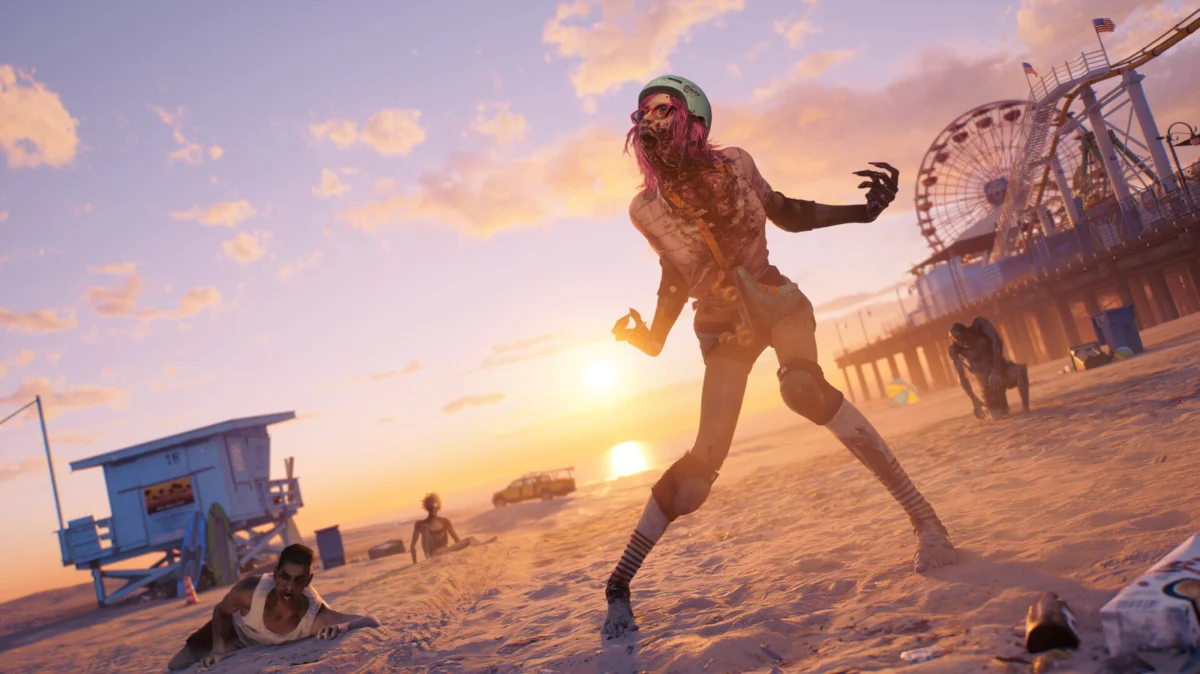
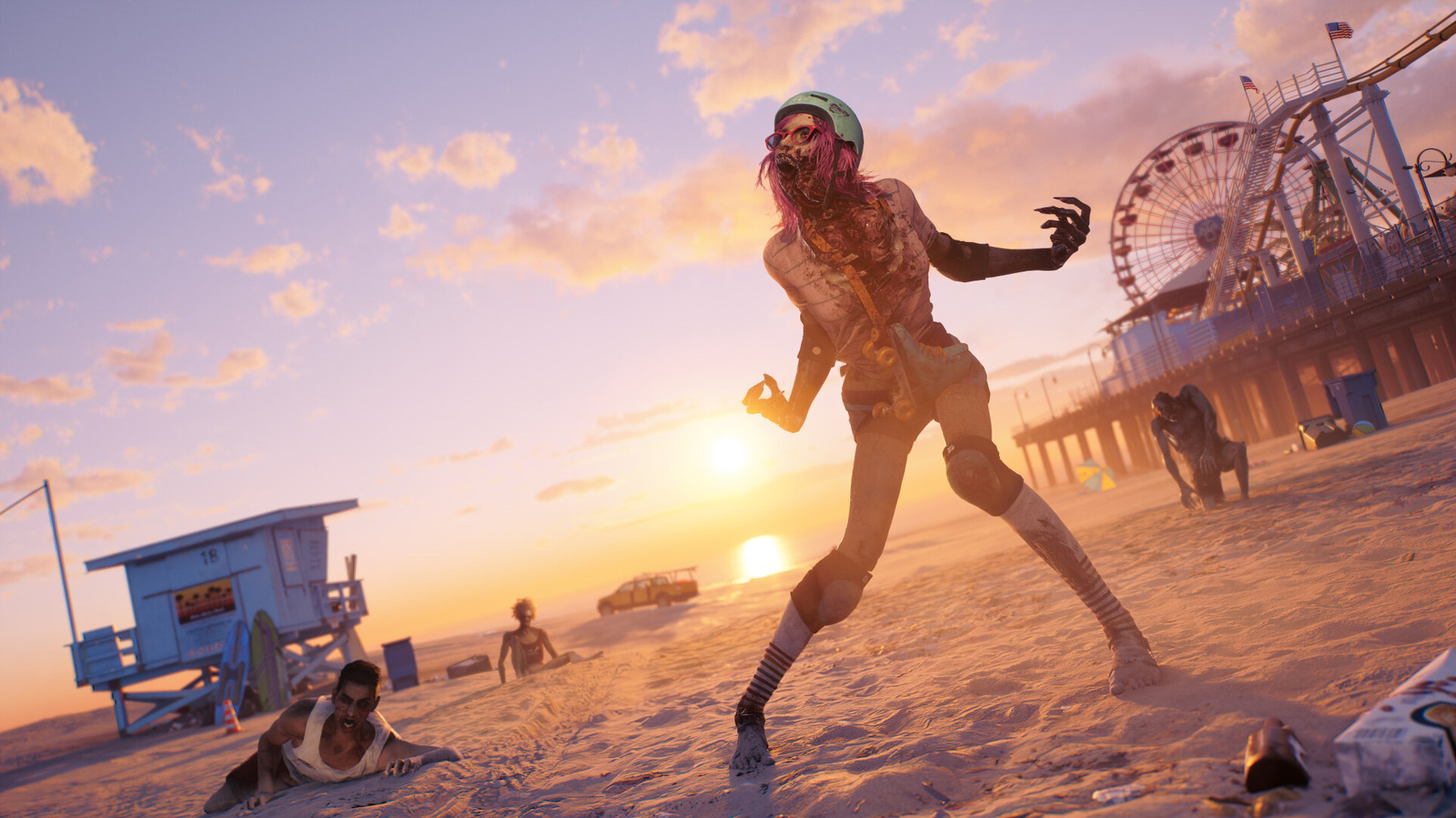
For subscribers to the Extra and Premium tiers of PlayStation Plus, the clock is officially ticking. On August 18, 2026, nine games will be scrubbed from the service’s rotating game catalog. Among the most high-profile losses are the visceral zombie-slasher Dead Island 2 and the critically acclaimed, hand-painted narrative adventure Harold Halibut.
The removal is notably larger than previous months, largely because Sony opted to grant a "summer reprieve" to five of these titles, which were originally slated to depart in July. By extending their stay through August, Sony provided a brief window of extra time for players to complete these experiences. However, come mid-August, these titles will transition out of the library, meaning users will no longer be able to stream or download them as part of their active subscription.
The list of games departing on August 18 includes:
- Dead Island 2
- Harold Halibut
- (Plus seven additional titles to be finalized in the coming days)
For those who have been making steady progress through these titles, the next few weeks represent a "sprint to the finish." Once these games leave the catalog, the only way to continue playing them will be to purchase the digital or physical versions outright—assuming the player does not mind the inherent risks of digital licensing.
A Chronology of the Digital Catalog Refresh
To understand the current state of PlayStation Plus, one must look at the recent cadence of library updates. The service operates on a cyclical basis, where new games arrive around the 21st of each month, while others depart.
- July 7, 2026: Sony initiated the monthly games drop for all tiers, including Call of Duty: Modern Warfare III, For the King II, and CrossCode. These titles remain available for as long as a user maintains an active subscription, distinct from the rotating "Catalog" titles.
- July 21, 2026: The service saw a significant influx of new content, including Avatar: Frontiers of Pandora, Rise of the Ronin, Firefighting Simulator: Ignite, Mighty Morphin Power Rangers: Rita’s Rewind, Dying Light, Citizen Sleeper 2: Starward Vector, and Snow Bros. Wonderland. Premium subscribers also gained access to retro-classics Psi-Ops: The Mindgate Conspiracy and Indigo Prophecy.
- August 18, 2026: The scheduled "exit date" for the aforementioned nine titles.
This cadence serves as a reminder that "owning" a subscription is fundamentally different from owning a product. The games arriving in July offer a momentary distraction from the games leaving in August, a strategy known in the industry as the "churn-and-refresh" model, designed to keep subscriber engagement high by constantly rotating the available library.
Supporting Data: The Value of the Current Rotation
The rotating catalog is a core value proposition for PlayStation Plus Extra and Premium. By providing access to hundreds of games for a flat fee, Sony incentivizes users to jump into titles they might otherwise ignore.
The inclusion of high-caliber titles like Citizen Sleeper 2: Starward Vector and the perennial favorite Dying Light provides a compelling argument for the service. Citizen Sleeper 2, in particular, has been praised for its deep, narrative-driven exploration of human identity in a post-capitalist future—ironically mirroring the very themes of digital autonomy currently being debated by the gaming community.
However, the volatility of these lists is a point of contention. Data from subscriber forums and social sentiment analysis suggests that while users enjoy the volume of games, the "fear of missing out" (FOMO) creates a sense of anxiety. Players feel compelled to finish games on a timeline dictated by a corporate licensing agreement rather than their own leisure, potentially diminishing the enjoyment of the medium.
Official Responses and Corporate Strategy
Sony has maintained a relatively quiet stance on the specific reasons for these removals, generally attributing them to "licensing agreements" with third-party publishers. In a digital landscape, the cost to keep a game on a subscription service is not static. As agreements expire, publishers must decide whether to renew, move to a different platform, or focus on direct sales.
When questioned about the future of game preservation, Sony representatives have often pointed toward their ongoing efforts in cloud streaming and backward compatibility. Yet, the broader corporate strategy—as evidenced by the industry’s pivot toward digital-only ecosystems—is clear: the focus is on service-based revenue models. By prioritizing digital distribution, Sony and its competitors are able to exert tighter control over the consumer experience, ensuring that revenue streams remain continuous through recurring subscriptions rather than one-time physical sales.
Implications: The Death of the Disc and the Future of Ownership
The August 2026 departures are a microcosm of a much larger, more troubling trend for game preservationists. The industry is currently moving toward a point of no return. Sony’s reported internal plans to phase out disc-based gaming by 2028 suggest that the PS6 may be a strictly digital-only console.
The Erosion of Digital Ownership
When a game leaves a service like PlayStation Plus, the consumer loses access. This is a direct consequence of Digital Rights Management (DRM). Unlike a physical disc, which can be played indefinitely (provided the console hardware remains functional), a digital license is subject to the whims of the platform holder. If a server is shut down, a license is revoked, or a game is pulled from a store, the consumer is left with nothing but the memory of the experience.
The Competitive Landscape
Sony is not acting in a vacuum. The entire industry is synchronizing its transition:
- Microsoft/Xbox: Has doubled down on the Game Pass ecosystem, essentially creating a "Netflix for games" that is heavily reliant on cloud infrastructure.
- Nintendo: While traditionally the bastion of physical media, they have begun to experiment with digital-first pricing and hardware that requires online verification for game-key cards.
- Valve/PC: Through Steam, Valve has set the gold standard for the digital marketplace, yet even here, the concept of "ownership" is increasingly replaced by "access rights."
The Preservation Crisis
The implications for history are profound. If the industry moves entirely to a subscription and cloud-based model, the ability for future generations to access, study, and enjoy the games of the 2020s will be entirely dependent on the corporate goodwill of a few massive conglomerates. When titles like Dead Island 2 or Harold Halibut cycle out of the public eye, they risk being "lost" to the average player, existing only in the digital archives of those who managed to purchase them before they became unavailable.
Conclusion: A Call for Caution
As we look toward the remainder of 2026, the message to the gaming community is one of vigilance. The August refresh is a reminder that in the digital era, access is fleeting. For those who value the titles currently in the PlayStation Plus catalog, it is wise to prioritize playing them before the August 18 deadline.
Moreover, as the industry marches toward 2028 and the end of the physical media era, players must demand better solutions for game preservation. Whether through better legislation regarding digital ownership or a pushback against the "service-only" model, the future of the medium depends on ensuring that games remain as enduring as the stories they tell. For now, enjoy the games while they are here, but understand that in the current market, the only thing you truly own is the time you spend playing them.











