Nana
Nana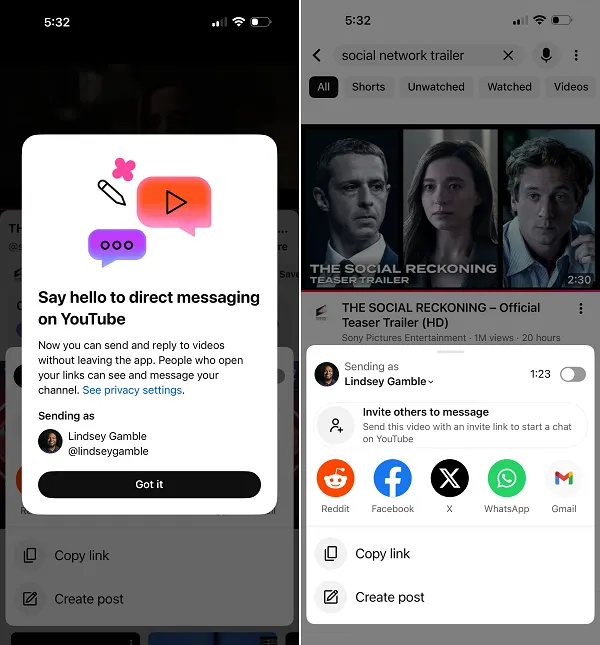
In an aggressive move to solidify its dominance as a holistic entertainment ecosystem, YouTube has announced a significant expansion of its native in-app messaging feature. This initiative, designed to integrate private communication directly into the video-watching experience, marks a pivotal shift in how the platform manages user interaction. By allowing users to share, discuss, and react to videos without migrating to third-party messaging services like WhatsApp, iMessage, or Telegram, YouTube is positioning itself as a "one-stop-shop" for both content consumption and social connection.
The expansion follows successful pilot programs in Ireland and Poland, signaling that YouTube is now ready to roll out its "YouTube Chat" functionality to the United States and other key global markets.
The Genesis of YouTube Chat: A Chronology of Integration
The journey toward a fully integrated messaging experience did not happen overnight. For years, YouTube served primarily as a content repository where the social aspect—commenting—was largely public and asynchronous. Recognizing that users were increasingly taking content "offline" (or into private, encrypted channels) to discuss videos, the platform began experimenting with ways to bring that engagement back into the fold.
- November 2023: YouTube launched its initial beta test of the in-app messaging feature in Ireland and Poland. The early interface offered basic direct messaging (DM) capabilities, allowing users to share links and chat in real-time.
- Early 2024: Following positive feedback from the initial cohorts, YouTube engineers refined the user interface to ensure the chat feature felt like a natural extension of the video player rather than an intrusive overlay.
- Late 2024/Early 2025: Social media experts, including industry analyst Lindsey Gamble, began surfacing evidence of the rollout on platforms like Threads, confirming that the feature was gaining traction beyond the initial test markets.
- Current Status: YouTube has officially confirmed the expansion to the U.S. and a wider array of international territories, marking the transition from an experimental feature to a core product offering.
How the Feature Works: A Frictionless Experience
The core philosophy behind YouTube Chat is simplicity. The feature is designed to reduce the "friction" of sharing. Traditionally, a user watching a video would have to click "Share," copy a link, switch applications, find a contact, and paste the URL.
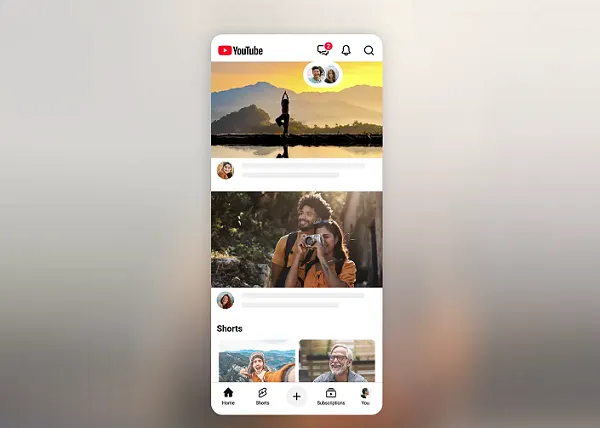
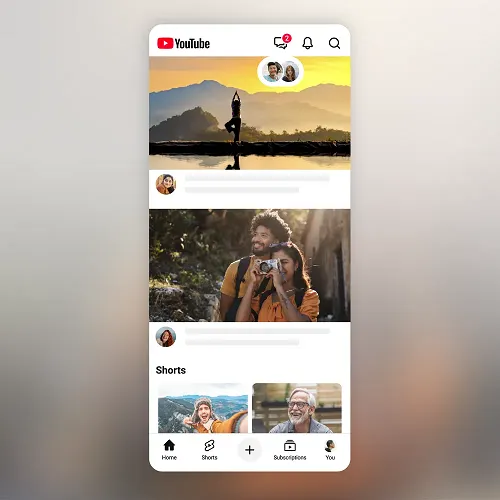
With the new update, users can click a dedicated messaging icon directly within the YouTube app. To initiate a conversation, a user must send an invite to a contact. Once the recipient accepts this invitation, a private, persistent chat thread is established. Within these threads, users can share new music videos, educational tutorials, or viral Shorts, reacting to them in real-time. This eliminates the need to jump between apps, keeping the user within the YouTube environment for the entirety of their viewing and social experience.
The Rise of "Dark Social" and Why YouTube is Acting Now
To understand why YouTube is investing heavily in messaging, one must look at the broader shift in digital consumer behavior. Analysts refer to this phenomenon as "Dark Social"—the transition of sharing activity from public, trackable social feeds to private, encrypted, or semi-private messaging channels.
For years, platforms like Facebook and X (formerly Twitter) relied on public sharing to drive viral growth. However, users are increasingly wary of public scrutiny and are moving their conversations into DMs, where they feel safer and more comfortable sharing content.
Data Retention and Audience Analytics
By capturing these conversations within its own walls, YouTube is solving a massive data blind spot. When a user shares a video link via iMessage, YouTube loses the ability to track the context of that share. Was the video funny? Was it controversial? Did it lead to a debate? By keeping the conversation in-app, YouTube gains:
- Enhanced Sentiment Analysis: Understanding how users talk about content in real-time.
- Improved Recommendation Algorithms: Using private chat interactions to refine the "Up Next" and "Home" feed suggestions.
- Increased Session Time: Every minute spent chatting is a minute spent within the YouTube ecosystem, a critical metric for advertisers.
Official Responses and Strategic Intent
YouTube has been transparent about its motivations. In its official statement regarding the expansion, the company noted: "Our community loves to share videos with their friends and family, and we want them to be able to do it in one place."
The company emphasizes that the update is designed to meet users where they already are. "Whether it’s a new music video, a helpful tutorial, or a funny Short, this update will give users a new way to share right where they’re watching," a spokesperson stated. "Simply click the new messaging icon directly within the YouTube app to send an invite to share videos and react in real-time."

This is not just a feature update; it is a defensive strategy against the fragmentation of the user experience. By weaving social utility into the fabric of the video player, YouTube is attempting to preempt the influence of standalone messaging apps that currently act as "distribution hubs" for its content.
Implications for Marketers and Creators
The shift toward in-app messaging carries profound implications for the creator economy and digital marketing professionals.
For Creators
Creators thrive on virality. If the new messaging feature encourages "private sharing," creators may see a shift in how their metrics are reported. While public "shares" have traditionally been a vanity metric, the ability to stimulate private discussion could lead to higher "intent-to-watch" signals. Creators might soon find themselves creating content specifically designed to be "shareable" in a DM context—short, punchy, and highly conversational.
For Marketers
Advertisers should view this development with interest. If YouTube eventually introduces ad placements within or alongside these chat threads, it opens up a new frontier for hyper-targeted advertising. Imagine a brand sponsoring a conversation thread or providing "reaction packs" that users can send to one another. Furthermore, the first-party data gathered from these private interactions will allow YouTube to offer brands deeper insights into the demographics and interests of their audience.
The Challenges Ahead: Can YouTube Compete with Dedicated Apps?
Despite the strategic logic, YouTube faces a significant hurdle: App Fatigue.
Users have already established long-standing, habitual private messaging groups on platforms like WhatsApp, Messenger, and Discord. The "social graph" (the network of people you communicate with) is already deeply entrenched in these third-party apps. Convincing users to migrate those conversations—or maintain a secondary set of conversations within YouTube—is a tall order.
- The Utility Test: Will the chat feature offer enough "value-add" (such as synchronous playback, AI-assisted summaries, or exclusive reaction tools) to warrant its use?
- Privacy Concerns: In an era of heightened awareness regarding digital privacy, users may be skeptical of YouTube’s intent in monitoring their private messages, even if the data is used for algorithm refinement.
- Interface Overload: YouTube is already a complex app, housing long-form videos, Shorts, live streams, and community posts. Adding a robust messaging layer risks cluttering the user interface and potentially alienating power users who prefer a clean, video-first experience.
Looking Ahead: The Future of In-App Community
The expansion of YouTube Chat is a clear signal that the platform is not content to remain a passive utility. It aspires to be a social network in the truest sense of the word. By bridging the gap between passive consumption and active communication, YouTube is betting that the convenience of an integrated experience will eventually outweigh the inertia of moving to other apps.
If successful, this will create a tighter loop of engagement that keeps users glued to the platform, further cementing YouTube’s status as the internet’s primary destination for video. However, the true test will be in the adoption rates of the "invite" system. If users find the process of inviting friends to be cumbersome, the feature may languish as a niche tool.
As the rollout continues to accelerate, the tech industry will be watching closely to see if YouTube can successfully pivot from being the world’s video library to becoming the world’s most active video-centric social hub. Whether this change represents a new golden age of engagement or an unnecessary complication remains to be seen, but one thing is clear: the battle for the user’s attention is increasingly moving into the private, quiet spaces of our digital lives.

 Ammar Sabilarrohman
 Nana Wu