Raul Delapena Setiawan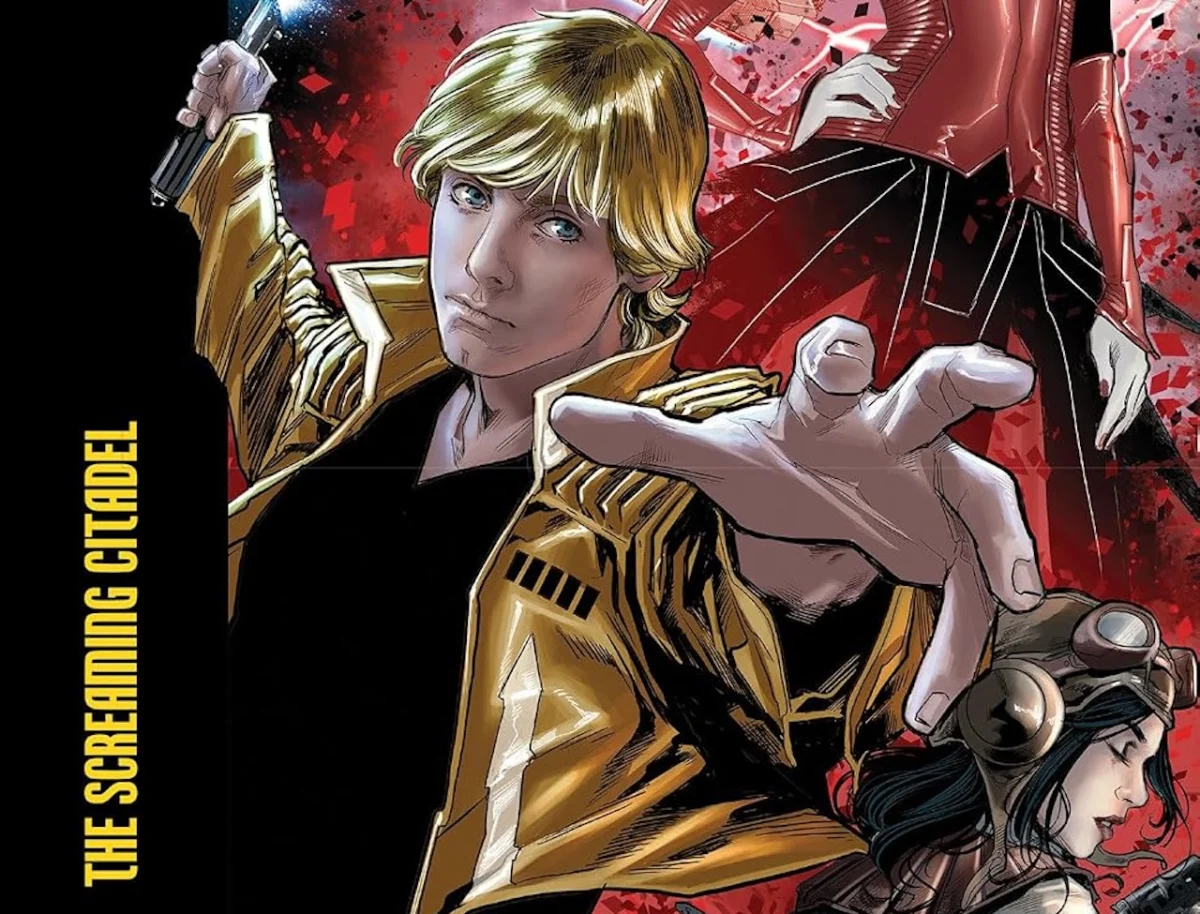
The Star Wars comic book universe has undergone a massive evolution since Marvel reclaimed the license, but few story arcs encapsulate the sheer range of this creative expansion as effectively as the Star Wars Modern Era Epic Collection: The Screaming Citadel. By bringing together the industry-defining talents of Jason Aaron and Kieron Gillen, this collection serves as a definitive roadmap for how the franchise can pivot from space opera blockbuster to visceral, atmospheric horror without losing the heart of its iconic characters.
The Architectural Foundation: Aaron and Gillen’s Masterclass
At the core of this collection lies the creative synergy between Jason Aaron and Kieron Gillen. During their tenure on the flagship Star Wars and Darth Vader titles, these writers redefined the post-A New Hope landscape. Aaron focused on the growth of the Rebel trio—Luke Skywalker, Leia Organa, and Han Solo—forcing them to grapple with the growing weight of their galaxy-altering decisions.
Gillen, conversely, provided a masterclass in villainy. His work on Darth Vader did more than just depict the Sith Lord as a powerhouse; it humanized the cold machinery of the Empire through the eyes of unique, morally ambiguous figures like Doctor Aphra. By the time these two titans of the industry decided to collaborate on The Screaming Citadel, the audience was already primed for an intersection of these two distinct worlds. This collection isn’t just a reprint; it is a vital archival project that captures the zenith of modern Star Wars comic storytelling.
Chronology and Narrative Scope: From Horror to History
The collection’s structure is carefully curated, moving through the essential narrative beats that define this era of the Rebellion.
The Screaming Citadel: A Genre Shift
Unlike their previous crossover, Vader Down—a high-octane Fugitive-style pursuit set on a moon—The Screaming Citadel marks a jarring and welcome shift into cosmic horror. The story hinges on an unlikely alliance between Luke Skywalker and the roguish archeologist Doctor Aphra.
Luke, still in the nascent stages of his Jedi journey, is desperate for knowledge. Aphra, sensing an opportunity, offers him a trade: help her unlock a mysterious Jedi-related crystal at the heart of the Screaming Citadel, and she will aid his training. The location itself, the planet Ktath’atn, serves as a dark, rainy purgatory. The queen of this world acts as a psychic predator, draining the life force of her guests. The narrative successfully traps its heroes in a claustrophobic nightmare, forcing Luke to rely on his instincts and his unwavering faith in others to survive.

The Ashes of Jedha and the End of an Era
Following the horrors of the Citadel, the collection pivots toward the wreckage of Jedha. As the story moves into the "Ashes of Jedha" arc, we see a bridge between the core comics and the cinematic stakes of Rogue One: A Star Wars Story. Here, Gillen highlights the desperation of the Rebellion. Watching Leia interact with Saw Gerrera’s Partisans provides a sobering look at the cost of war. It is a brilliant expansion of the film’s lore, showing that the fight against the Empire is rarely black and white.
Rounding out the collection are the final issues of Jason Aaron’s main run and various vignettes, including a standout story from Star Wars Annual #3 by Jason Latour and Michael Walsh. This specific story provides the necessary connective tissue for Han and Leia’s relationship, grounding their budding romance in the harsh reality of a frozen wasteland.
Supporting Data: The Artistic Dichotomy
The visual presentation of The Screaming Citadel is a study in contrasts. The collaborative nature of these issues allows for a diverse range of artistic styles, which—while generally impressive—is not without its points of contention.
The Horror Aesthetic
Marco Checchetto, Salvador Larrocca, and Andrea Broccardo deliver some of the most haunting imagery in the franchise’s history. Checchetto, in particular, excels at establishing the mood on Ktath’atn. The imagery of the queen—with her blood-red robes and spectral, pale complexion—contrasts sharply against the rain-slicked darkness of her domain. The introduction of brain-parasites and the hulking, monstrous "Mountain-like" guardian adds a layer of visceral dread that is rarely seen in the Star Wars sandbox.
The Controversy of Photorealism
A critical point of discussion for long-term fans is Salvador Larrocca’s approach to art. While he is capable of producing stunning layouts, his reliance on traced, photorealistic imagery for certain character faces has drawn criticism. In a medium that thrives on kinetic energy and stylized movement, these "cut and paste" style faces can feel disjointed. However, when contrasted with the moody, stylized work of Andrea Sorrentino on the Tusken Raider standalone story or the grounded, emotional weight of Michael Walsh’s work, the inconsistencies serve to highlight the varying tones of the different chapters.
Character Implications: Luke and Aphra
Perhaps the most enduring legacy of this collection is the character development of Doctor Aphra and her influence on Luke Skywalker. Aphra is intentionally difficult to categorize—she is selfish, brilliant, and often amoral. Yet, her rapport with Luke is undeniably electric.

The story forces us to ask: what makes a hero? Luke’s refusal to abandon Aphra, even when she is clearly a liability, demonstrates the core tenet of the Jedi philosophy. He sees the potential for redemption where others see only a scoundrel. This dynamic elevates the collection from a mere series of action sequences into a genuine character study of what it means to lead in a galaxy that is often cruel and indifferent.
Industry Implications and Future Legacy
The success of The Screaming Citadel proved that Marvel could take significant risks with the Star Wars license. By blending genres—horror, war drama, and character-focused vignettes—Marvel demonstrated that the franchise was not beholden to the rigid structure of the films.
The inclusion of the Rogue One tie-ins also paved the way for more interconnected storytelling between the cinematic and publishing arms of Lucasfilm. Readers today look back at this era as a "Golden Age" of the Star Wars comics precisely because it didn’t just retell stories we already knew; it expanded the margins of the galaxy.
Conclusion: A Must-Own for the Modern Fan
Star Wars Modern Era Epic Collection: The Screaming Citadel is more than just a trip down memory lane. It is a dense, rewarding, and occasionally terrifying look at the versatility of the Star Wars mythos. Despite minor frustrations with specific artistic choices, the emotional resonance of the writing and the sheer ambition of the narrative make it an essential addition to any library.
Whether you are a fan of the psychological horror elements, the political maneuvering of the Rebellion, or simply the complex, evolving relationships of the original trio, this collection offers something for everyone. It serves as a poignant reminder that even in a galaxy defined by the Force, the most compelling stories are often found in the darkest, most unexpected corners of the map.

 Sagoh
Sagoh
 Ammar Sabilarrohman