Lina Irawan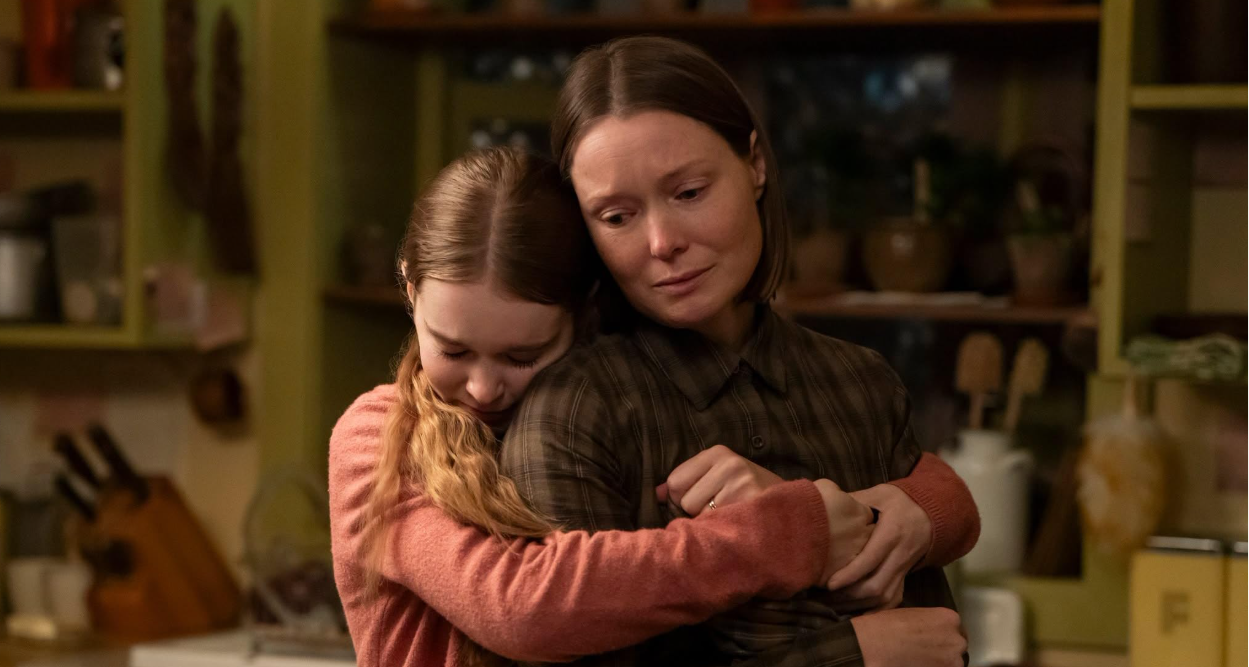
When Stephen King published his debut novel Carrie in 1974, he introduced the world to one of the most chilling archetypes in modern horror literature: the religious zealot mother. Margaret White, with her puritanical fervor and pathological obsession with sin, has long been cemented as the primary architect of Carrie White’s tragic trajectory. However, as visionary filmmaker Mike Flanagan prepares to bring his own interpretation of the seminal story to Prime Video, he has signaled a radical narrative departure. Flanagan intends to peel back the layers of Margaret White, presenting a version of the character that is not merely a monster, but a deeply, painfully human figure.
For fans of the source material and the iconic 1976 Brian De Palma film, the news has been met with both intense curiosity and skepticism. Can one of horror’s most irredeemable villains be transformed into a sympathetic character without losing the bite that makes the story so effective?
The Core Conflict: A Departure from Tradition
In the traditional Carrie mythos, Margaret White is an obstacle—a wall of iron-clad dogma that traps her daughter in a cycle of repression and abuse. Her villainy is clear, her motivations are binary, and her presence is the catalyst for the telekinetic eruption that eventually consumes the town of Chamberlain, Maine.
Flanagan’s approach, however, aims to shift the focus from "pure evil" to "profound misunderstanding." By exploring the internal landscape of a woman driven by fear, he hopes to offer a nuanced look at the cycle of trauma. The challenge, as Flanagan acknowledges, is that Margaret’s actions are objectively horrific. Recontextualizing them as acts of "love" is a high-wire act that risks alienating a horror audience that craves the classic, unambiguous antagonist.
Chronology of a Reimagining
The announcement of the Carrie series, which is currently slated for an October release, has been a slow-burn revelation.
- Initial Concept: Early reports confirmed that Flanagan would be at the helm of the series, aiming to update the narrative for a contemporary audience.
- The Casting Reveal: The decision to cast Samantha Sloyan—a frequent collaborator of Flanagan’s known for her ability to play complex, often morally grey characters—as Margaret White set the stage for a new interpretation.
- The Narrative Shift: During recent press cycles, Flanagan and Sloyan began articulating the "why" behind the shift, emphasizing that this version of Margaret isn’t driven by malice, but by a distorted, militaristic sense of protection.
- The Promotional Push: As the October release date approaches, the dialogue has turned toward the philosophical underpinnings of the show, focusing on how a "global cultural war" shapes Margaret’s worldview and her subsequent treatment of her daughter.
Supporting Data: Why Change a Proven Formula?
The "if it isn’t broken, don’t fix it" argument is the primary hurdle for this adaptation. The 1976 film remains a masterpiece of the genre, and the 2013 remake, while less universally praised, still adhered to the traditional beats of King’s novel.
However, media scholars and industry analysts note that modern audiences are increasingly demanding "elevated" horror—stories that prioritize internal psychological realism over simple shock value. By framing Margaret White as a woman who believes she is protecting her daughter from a "cruel world," Flanagan is tapping into contemporary anxieties regarding polarization, misinformation, and the "us vs. them" mentality that dominates modern discourse.
The statistics on genre television show that audiences gravitate toward character-driven narratives. By transforming Margaret from a caricature of religious extremism into a woman who possesses a coherent (if deeply flawed) worldview, the series creates a more complex dynamic. The conflict becomes one of clashing ideologies—Carrie’s innate optimism and desire for connection versus her mother’s suffocating, fearful paranoia.
Official Perspectives: Into the Mind of Margaret White
In an exclusive interview with Entertainment Weekly, Samantha Sloyan provided a window into the psychological framework she is using to inhabit the role.
"She loves Carrie more than anything in the world, but like many family members, we’re bound to each other, but we don’t exactly see the world the same way," Sloyan explained. According to the actress, the key to unlocking the character was understanding that Margaret views the world through a lens of existential threat. She believes there is a global campaign against her values, and in that high-stakes environment, Carrie—who is different, who is "gifted," and who is ultimately uncontrollable—becomes a liability that must be shielded, even at the cost of her humanity.
Mike Flanagan has doubled down on this perspective. "I went into this determined not to hate Margaret White," he stated. "I wanted to understand her. And part of the importance of that is Margaret’s not entirely wrong. There’s a lot she has to say in the show that I agree with, and that makes it even more complicated."
This statement is arguably the most controversial part of the pre-production discourse. By suggesting that Margaret is "not entirely wrong," Flanagan is inviting the audience to engage in a difficult intellectual exercise: acknowledging the grain of truth in a fanatic’s argument without endorsing their radical, abusive actions.
Implications: The Risks and Rewards
The implications of this creative decision are twofold. On one hand, the show risks losing the visceral, cathartic experience of watching a true villain get their comeuppance. If the audience is encouraged to pity Margaret, the final climax—where Carrie’s powers are unleashed—might lose some of its righteous fury.
On the other hand, if Flanagan pulls this off, he will have created a definitive version of the story for the 21st century. By grounding the horror in the tragedy of a parent who genuinely believes they are doing the right thing, the show could elevate Carrie from a simple revenge story into a profound meditation on the failures of communication and the destructive power of fear.
The Challenge of Modernity
The "cultural war" framing is particularly relevant today. In an era where echo chambers and radicalization are common, the story of a mother who retreats into a private reality to "protect" her child is more resonant than ever. If Margaret acts out of a belief that the world is actively trying to destroy her family, her abuse of Carrie transforms from a personal failing into a systemic one.
Audience Reception
Horror fans are famously protective of the classics. The pushback against the "sympathetic Margaret" is a direct result of the character’s legacy. However, Flanagan has a proven track record of handling legacy intellectual property with nuance and respect. His work on The Haunting of Hill House and Midnight Mass demonstrates a unique ability to weave themes of faith, family trauma, and moral ambiguity into high-stakes horror.
Conclusion: A High-Stakes Bet
As we approach the October premiere on Prime Video, the question of whether this "big swing" will land remains the central point of contention. Is it possible to find the humanity in a monster without trivializing the suffering of their victims?
Mike Flanagan is betting that the answer is yes. By shifting the focus of Carrie from a story about a girl who destroys her town, to a story about a mother and daughter trapped by their inability to reconcile their realities, he is attempting to reframe a classic in a way that feels urgent and necessary. Whether this shift results in a masterpiece or a miscalculation, one thing is certain: the conversation surrounding Margaret White will be irrevocably changed.
The story of Carrie White has always been about the dangers of being an outsider. In this new iteration, it seems it will also be about the dangers of being an insider—someone who is so convinced of their own righteousness that they cannot see the suffering they cause the one person they claim to love most. We will find out if this radical departure resonates with the audience when the series makes its debut this fall.

 Asro
Asro
 Asep Darmawan