Basiran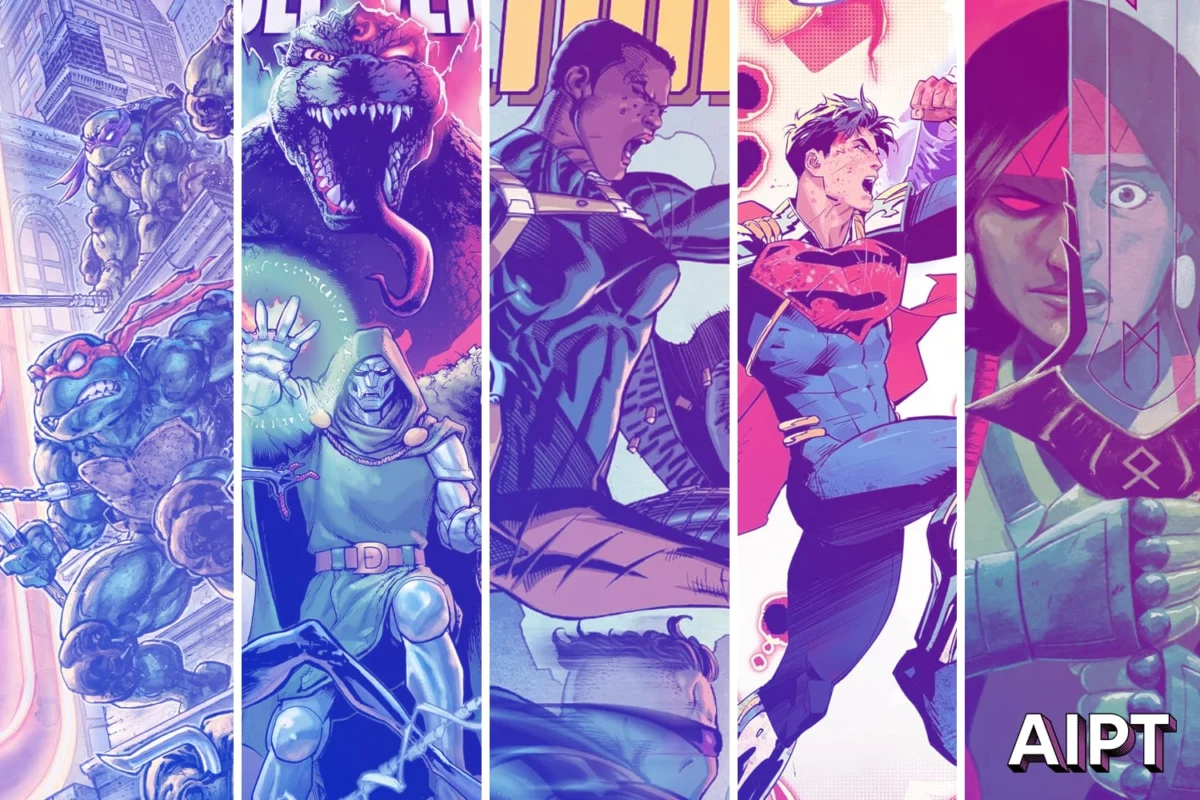
As the comic book industry descends upon San Diego for the 2026 San Diego Comic-Con (SDCC), the retail shelves have provided a quiet, powerful counter-narrative to the convention floor’s high-energy marketing. This week’s release cycle was marked by a blend of long-standing milestone celebrations, the launch of ambitious new universes, and the conclusion of deeply personal character studies.
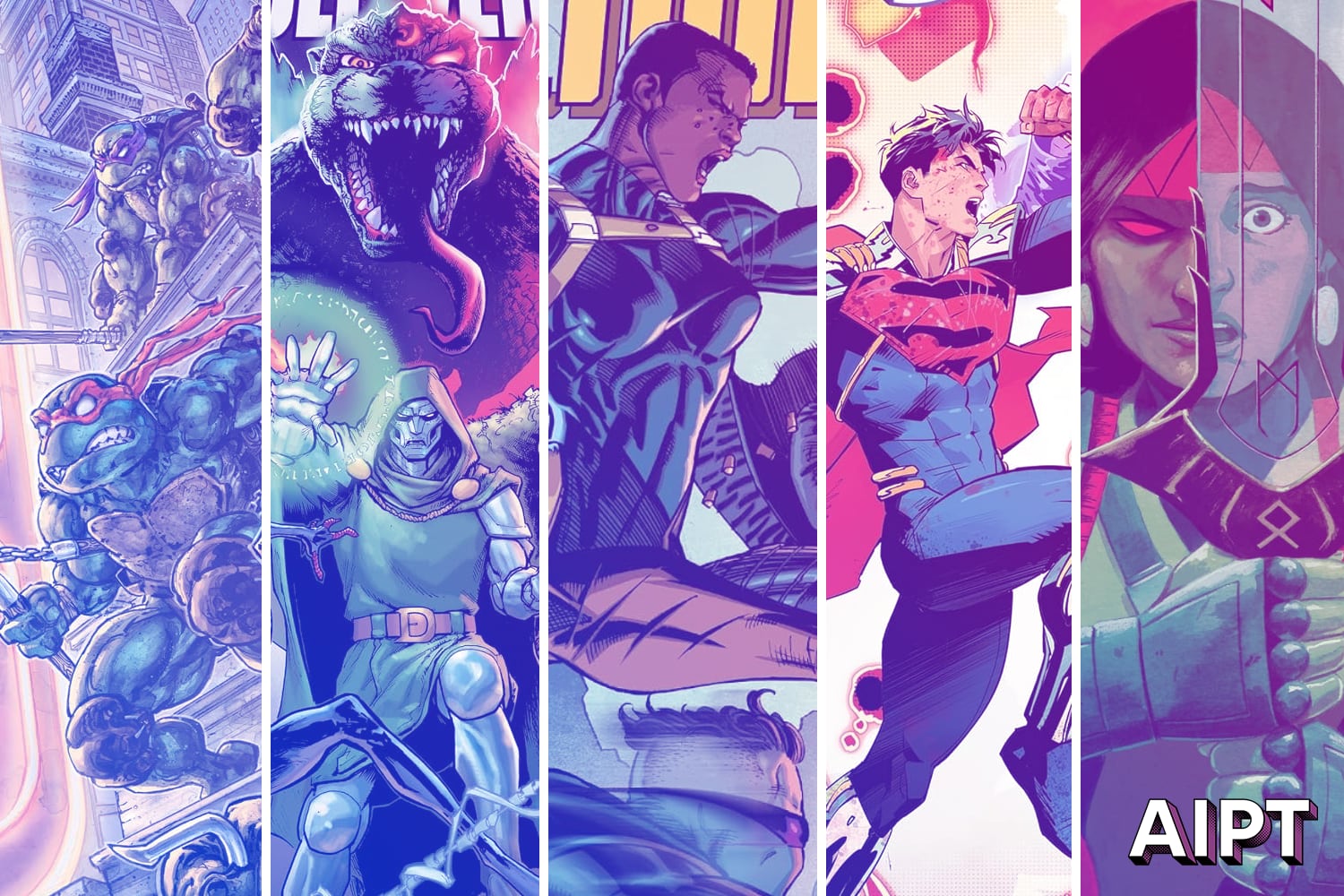
The week of July 22, 2026, serves as a microcosm of the current state of the medium: a healthy balance of established intellectual property (IP) legacy and the bold, experimental storytelling that keeps the industry evolving. From the monumental 300th issue of Teenage Mutant Ninja Turtles to the high-stakes debut of a new superhero landscape, here is the breakdown of the five most essential titles hitting local comic shops.
1. Main Facts: The Week’s Top Performers
The industry’s performance for the week of July 22, 2026, was defined by "event-level" releases that managed to transcend niche reader bases. While the industry buzz was understandably dominated by SDCC-related news, the comic book market itself demonstrated significant vitality.
The "Fantastic Five"—our curated list of the week’s top releases—highlights a diverse spread of publishers, including Marvel, DC, IDW, and fresh entrants into the shared-universe space. The consensus among critics is that this week offered a rare intersection where legacy titles (like TMNT and Superman) and fresh launches (like Terminal) co-existed harmoniously.

2. Chronology of Releases and Critical Reception
The release schedule for the week followed a staggered cadence, starting with the massive milestone of Teenage Mutant Ninja Turtles #300 and the debut of Terminal #1 on July 21. By July 22, the remaining titles—Moonstar #5, Superman #40, and Godzilla Conquers the Multiverse #1—completed the week’s critical landscape.
- July 21: Teenage Mutant Ninja Turtles #300 and Terminal #1 set the tone.
- July 22: Moonstar #5, Superman #40, and Godzilla Conquers the Multiverse #1 rounded out the week with thematic depth and blockbuster action.
The Breakdown:
- #5: Moonstar #5: Ashley Allen’s character study of the X-Men member concludes, providing a masterclass in how to treat non-A-list characters with the gravitas usually reserved for headliners.
- #4: Teenage Mutant Ninja Turtles #300: A landmark achievement for IDW, this issue proves that even decades-old indie properties can evolve and pivot in ways that feel both organic and game-changing.
- #3: Superman #40: A deep dive into the redemptive arc of Superboy-Prime. The narrative effectively bridges the gap between the character’s controversial history and his potential future in the DC Universe.
- #2: Godzilla Conquers the Multiverse #1: A triumph of excess. Gerry Duggan and Javier Garrón lean into the inherent "comic-book-ness" of the kaiju genre, proving that giant monsters and multiverse-spanning crossovers are a recipe for high-octane fun.
- #1: Terminal #1: A standout debut that avoids the trap of excessive exposition. By leaning into mystery and the artistic prowess of Andy Kubert, it establishes a new superhero universe that feels both immediate and expansive.
3. Supporting Data: Why These Titles Resonated
The success of these specific titles can be attributed to a shift in reader demand. Modern audiences are increasingly gravitating toward "event-light" storytelling—books that feel significant but do not necessarily require the reader to have purchased a dozen tie-ins to understand the plot.
- Character-Driven Success: Moonstar #5 demonstrates that fans are hungry for psychological depth. As the industry moves further into 2026, the "A-List treatment" is being applied more democratically, allowing secondary characters to carry the weight of major narrative arcs.
- Visual Narrative Strength: In Terminal #1 and Godzilla Conquers the Multiverse, the synergy between writing and art is the primary driver of engagement. The market data suggests that when top-tier artistic talent is paired with clear, hook-driven premises, sales velocity increases significantly during the initial week of release.
- Milestone Fatigue Avoidance: TMNT #300 succeeded because it prioritized story development over mere celebration. While the number "300" serves as a marketing tool, the creative team focused on moving the needle of the plot, ensuring that the milestone felt earned rather than gimmicky.
4. Official Responses and Industry Context
The creative teams behind these titles have largely emphasized the importance of reader trust in the current market. In discussions surrounding Terminal #1, creators noted that "earning the reader’s trust" is more valuable than front-loading a story with lore.
Furthermore, the industry’s shift toward more experimental crossovers, exemplified by Godzilla Conquers the Multiverse, reflects a desire to move away from the "grim and gritty" tropes that dominated the early 2020s. Publishers are leaning into the "fun factor," recognizing that as movie franchises struggle with franchise fatigue, comic books can serve as a space for high-concept, unburdened storytelling.
Regarding the conclusion of the Superboy-Prime arc in Superman #40, editorial statements have hinted that the character remains a volatile variable in the DC landscape. This deliberate ambiguity is a strategy designed to keep the conversation going long after the book hits the spinner racks.
5. Implications for the Future of Comics
The success of the week of July 22, 2026, holds several implications for the industry at large:
The "Mystery" Model
The debut of Terminal #1 suggests a shift away from the "infodump" pilot. By trusting the audience to piece together the world-building, publishers can cultivate a more engaged and dedicated readership. This "mystery-first" approach is likely to become a blueprint for new IP launches throughout the remainder of 2026.
The Value of Indie-to-Mainstream Pipelines
Teenage Mutant Ninja Turtles #300 reminds the industry of the power of independent roots. The trajectory of TMNT—from an indie gamble by Kevin Eastman and Peter Laird to a global pop-culture pillar—serves as a constant inspiration for publishers looking to identify the next breakout hit.

The Multiverse as a Sandbox
While "multiverse fatigue" has been cited in film criticism, Godzilla Conquers the Multiverse proves that in comics, the trope remains a vital sandbox. When handled with the right level of irreverence and visual ambition, the multiverse allows for combinations that simply cannot be replicated in other media formats.
Final Thoughts
As the industry turns its eyes toward the upcoming announcements at SDCC 2026, the week of July 22 stands as a testament to the medium’s resilience. Whether it is through the quiet introspection of a character study like Moonstar or the bombastic, scale-defying energy of Godzilla, the comic book industry continues to prove that it is not merely a precursor to film or television—it is a sophisticated, standalone medium capable of delivering profound, enduring entertainment.
Readers who haven’t yet picked up these titles are encouraged to visit their local comic book shops. As the creative teams involved have proven, the most compelling stories are often the ones that respect the reader’s intelligence and lean into the unique strengths of the printed page. Whether you are a long-time collector or a newcomer looking for a jumping-on point, this week provided a rare, high-quality spread that caters to almost every reader profile.

 Sagoh
Sagoh
 Ammar Sabilarrohman