Ammar Sabilarrohman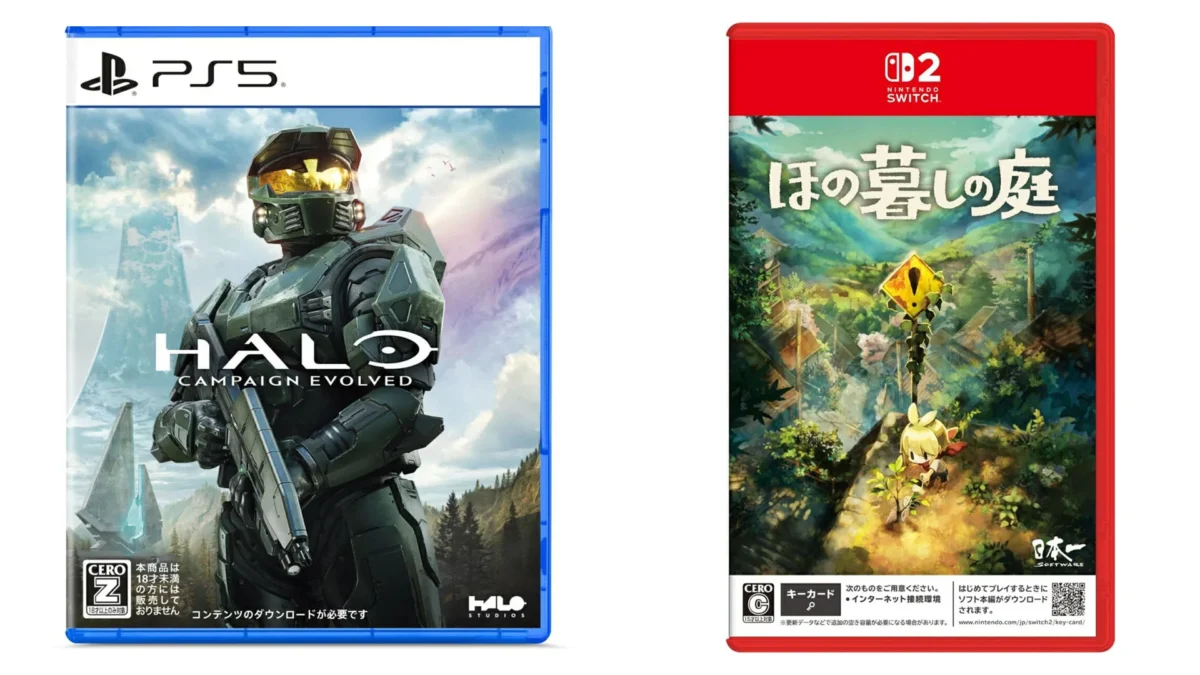
TOKYO, Japan – The Japanese video game market is poised for a significant week of new releases, showcasing a vibrant blend of established franchises, highly anticipated multi-platform launches, and intriguing revivals. Headlining the digital and physical storefronts are Halo: Campaign Evolved for PlayStation 5, Xbox Series, and PC, marking a historic multi-platform expansion for the iconic sci-fi shooter, and Village in the Shade, a mysterious new title arriving on PlayStation 5, the anticipated Switch 2, Nintendo Switch, and PC. This week’s lineup underscores a dynamic industry landscape, characterized by strategic platform expansions, a renewed focus on classic tributes, and the ever-present excitement surrounding new console generations.
Beyond these prominent entries, players can look forward to the latest installment in a beloved JRPG series, Blue Reflection Quartet, launching across PlayStation 5, Switch 2, Switch, and PC. Fans of strategic card-battling will welcome Culdcept The First Saturn Tribute, a nostalgic nod to a cult classic, while arcade enthusiasts can anticipate the high-octane action of Truxton Extreme. Both titles will be available on PlayStation 5, Xbox Series, Switch, and PC. Perhaps most notably, the week also features Xenoblade Chronicles 2 – Nintendo Switch 2 Edition, a definitive signal of the next-generation hardware’s imminent impact and its potential to revitalize acclaimed titles.
This diverse slate of releases offers something for every type of gamer, from hardcore FPS fans to JRPG aficionados and retro enthusiasts. As the industry continues to evolve, embracing both broad accessibility and targeted niche markets, these titles represent the ongoing pulse of Japanese gaming culture. Gaming news portal Gematsu, a key observer of these trends, notes its participation in affiliate programs, receiving a small percentage from purchases made through Play-Asia links, further underscoring the global interconnectedness of game distribution. Shoppers can also leverage the multi-use coupon code "GEMATSU2025" for a five percent discount on Play-Asia purchases, highlighting the growing synergy between content creators and digital retailers.
Main Facts: A Glimpse into the Week’s Gaming Offerings
The current week in the Japanese video game market is defined by a fascinating confluence of titles, each poised to capture specific segments of the gaming populace. The most striking entry is undoubtedly Halo: Campaign Evolved. For decades, the Halo franchise has been synonymous with Microsoft’s Xbox ecosystem, defining console generations and shaping the first-person shooter genre. Its arrival on PlayStation 5, alongside its traditional Xbox Series and PC homes, represents a significant strategic pivot by Microsoft, aiming to broaden the reach of its flagship intellectual properties beyond console exclusivity. This move is not merely a port; the "Campaign Evolved" moniker suggests potential enhancements, modernizations, or even additional content designed to entice both new players and returning veterans on new platforms.
In stark contrast to Halo‘s established legacy, Village in the Shade emerges as a more enigmatic highlight. Slated for a wide release across PlayStation 5, the yet-to-be-officially-detailed Switch 2, Nintendo Switch, and PC, its title evokes a sense of mystery or horror, potentially leaning into the narrative-driven or atmospheric genres. Its availability on the presumed next-generation Switch 2 immediately elevates its profile, hinting at graphical fidelity or gameplay mechanics that might push the boundaries of current-gen Switch capabilities, while also ensuring a broader install base with the current Switch and PC.
The week also delivers a treat for JRPG enthusiasts with Blue Reflection Quartet. As a continuation or expansion of the Blue Reflection series, known for its unique blend of magical girl themes, emotional storytelling, and turn-based combat, Quartet is expected to deepen the lore and character development that fans have come to appreciate. Its multi-platform launch across PlayStation 5, Switch 2, Switch, and PC ensures maximum accessibility for its dedicated fanbase and offers an entry point for newcomers.
For those with a penchant for classic gaming experiences, Culdcept The First Saturn Tribute and Truxton Extreme offer a compelling dose of nostalgia. Culdcept, a unique hybrid of board game and collectible card game, first gained a cult following on the Sega Saturn. This "First Saturn Tribute" suggests a faithful remaster or remake, bringing its intricate strategic gameplay to modern audiences on PlayStation 5, Xbox Series, Switch, and PC. Similarly, Truxton Extreme revisits the classic arcade shoot ’em up (shmup) Truxton (also known as Tatsujin). The "Extreme" suffix implies a significant upgrade, potentially featuring enhanced graphics, new modes, or even a reimagined control scheme, catering to both veteran shmup fans and those new to the genre’s intense action on the same array of platforms.
Finally, the release of Xenoblade Chronicles 2 – Nintendo Switch 2 Edition stands out as a pivotal moment. Xenoblade Chronicles 2 was a critically acclaimed and commercially successful JRPG for the original Nintendo Switch. The existence of a "Switch 2 Edition" not only confirms the widely anticipated new hardware but also implies that existing beloved titles will receive significant enhancements, whether through improved graphics, faster load times, or other performance boosts, making them definitive versions for the next-gen platform. This specific title’s appearance on the release schedule provides tangible evidence of Nintendo’s forward-looking strategy.
These releases collectively paint a picture of a diverse and robust Japanese gaming market, capable of embracing both global blockbusters and uniquely Japanese niche titles, all while navigating the exciting transition to new hardware.
Chronology: A Historical Context for This Week’s Releases
Understanding the significance of this week’s Japanese game releases requires a brief journey through the historical trajectories of their respective franchises and the broader industry trends they represent.
The arrival of Halo: Campaign Evolved on PlayStation 5 marks a watershed moment in the console wars. For over two decades, Halo has been Microsoft’s console flagship, a tentpole franchise that drove Xbox console sales and defined online multiplayer experiences. Its origins trace back to Bungie’s vision, launching with the original Xbox in 2001 and quickly becoming a cultural phenomenon. Subsequent iterations, developed by 343 Industries, continued its legacy on Xbox 360, Xbox One, and Xbox Series X/S, with PC releases typically following later or as part of collections like The Master Chief Collection. The decision to bring a Halo campaign to PlayStation is a direct consequence of Microsoft’s evolving strategy under Xbox head Phil Spencer, prioritizing Game Pass subscriptions and IP accessibility over strict console exclusivity. This shift, which began with some first-party titles appearing on PlayStation and Switch, accelerates with Halo, reflecting a growing industry trend towards multi-platform publishing for even the most sacred of franchises. This specific release builds upon a chronology of careful platform diversification by Xbox, making this week a key milestone in that strategy.
Village in the Shade, while lacking a historical lineage as a known franchise, represents the perennial importance of new intellectual property (IP) within the Japanese market. Historically, Japanese developers have excelled at creating compelling new worlds and narratives, from the early days of console gaming to the modern era. The simultaneous launch across multiple current and next-gen platforms (PS5, Switch 2, Switch, PC) suggests a confidence in the title’s broad appeal and a strategic attempt to maximize its install base from day one. This reflects a contemporary trend where developers seek to minimize risk by targeting as many viable platforms as possible, especially for new ventures that lack a pre-existing fanbase. Its existence on the nascent Switch 2 positions it as a potential early adopter showcase for the new hardware, following in the footsteps of previous console launches that often featured a mix of brand-new IPs and enhanced ports.
The Blue Reflection series, with Blue Reflection Quartet being the latest entry, traces its roots back to 2017 with the original Blue Reflection on PlayStation 4 and PC, followed by Blue Reflection: Second Light in 2021. Developed by Gust (a subsidiary of Koei Tecmo), the series carved out a niche with its unique blend of slice-of-life high school drama, magical girl transformation sequences, and strategic turn-based combat, all presented with a distinct anime aesthetic. Chronologically, Quartet builds upon the established narrative and gameplay mechanics, aiming to evolve the formula while retaining the charm that attracted its initial fanbase. Its consistent multi-platform strategy (PS4/PC, then PS4/Switch/PC, now PS5/Switch 2/Switch/PC) demonstrates a clear understanding of its target audience across different ecosystems.
The inclusion of Culdcept The First Saturn Tribute speaks to the enduring power of nostalgia and the growing trend of game preservation and re-releases. The Culdcept series originated in 1997 on the Sega Saturn, gaining a dedicated following for its innovative fusion of board game mechanics (like Monopoly) with collectible card game strategy. Subsequent titles appeared on PlayStation, PlayStation 2, Nintendo DS, Xbox 360, and 3DS, maintaining a loyal, albeit niche, fanbase. A "Saturn Tribute" specifically harks back to its foundational entry, promising to introduce a new generation to its complex yet rewarding gameplay, while also satisfying long-time fans who cherished the original. This follows a broader industry chronology of publishers leveraging their back catalogs, often enhancing them for modern hardware, to tap into both retro and contemporary markets.
Similarly, Truxton Extreme resurrects a classic arcade legacy. The original Truxton (or Tatsujin in Japan) was a popular vertically scrolling shoot ’em up released in arcades by Toaplan in 1988, later ported to the Sega Genesis/Mega Drive. Known for its challenging difficulty and vibrant pixel art, it became a benchmark for the genre. The "Extreme" iteration suggests a modern reinterpretation or a heavily enhanced port, aligning with a chronological trend where iconic arcade experiences are given new life with contemporary polish, new modes, or even full 3D remakes. This allows a new generation of players to experience the foundational thrills of arcade gaming, updated for modern sensibilities and platforms.
Finally, Xenoblade Chronicles 2 – Nintendo Switch 2 Edition is perhaps the most forward-looking entry. Xenoblade Chronicles 2 first launched in December 2017 as a major exclusive for the then-nascent Nintendo Switch. Developed by Monolith Soft, it continued the legacy of the Xenoblade series, known for its vast open worlds, intricate narratives, and innovative combat systems. Its critical and commercial success made it a cornerstone of the Switch’s early library. The announcement of a "Switch 2 Edition" provides a concrete chronological link between the current and next-generation Nintendo hardware, signifying that beloved Switch titles will not be left behind but rather enhanced to leverage the new console’s capabilities. This mirrors historical console transitions where popular games received "definitive" or "enhanced" editions for the new hardware, serving both as a launch title and a showcase for the new system’s power. This confirms a crucial step in Nintendo’s hardware release chronology.
Supporting Data: Market Dynamics and Player Anticipation
The current week’s releases offer compelling insights into the underlying dynamics of the Japanese video game market and the broader global industry. Data suggests a growing appetite for diverse gaming experiences, with specific trends influencing sales and player engagement.
Multi-Platform Strategy and Market Expansion: The most significant trend highlighted is the aggressive multi-platform strategy, particularly evident with Halo: Campaign Evolved. Historically, Japan has been a challenging market for Xbox, with PlayStation and Nintendo dominating console sales. By bringing Halo to PS5, Microsoft is explicitly targeting a market segment that traditionally hasn’t had access to its flagship IP. This move is supported by data indicating the PS5’s strong performance in Japan since its launch, outselling Xbox Series consoles by a significant margin. Similarly, the PC gaming market in Japan has seen substantial growth in recent years, driven by esports, streaming culture, and the availability of global titles. Releasing games like Halo and Blue Reflection Quartet across PS5, Xbox Series, and PC maximizes their potential reach and revenue streams, reflecting a global publishing paradigm shift.
Nostalgia and Tribute Titles: The success of remastered and tribute titles like Culdcept The First Saturn Tribute and Truxton Extreme is rooted in the strong cultural value placed on gaming history in Japan. Sales data for retro consoles, compilation packs, and modern remakes consistently show a dedicated fanbase eager to revisit classics. These titles appeal to an older demographic with disposable income and provide a gateway for younger players to experience foundational games with modern conveniences. The "Tribute" moniker often implies a faithful recreation with quality-of-life improvements, rather than a radical overhaul, which is a key selling point for purists.
The Power of JRPGs: The consistent presence of JRPGs like Blue Reflection Quartet and Xenoblade Chronicles 2 underscores the genre’s enduring popularity in Japan and increasingly, globally. JRPGs often feature deep narratives, complex characters, and strategic combat, resonating strongly with Japanese players. Data from companies like Famitsu consistently shows JRPGs topping sales charts, especially on Nintendo and PlayStation platforms. The Blue Reflection series, while perhaps not reaching the sales heights of a Final Fantasy or Dragon Quest, has cultivated a loyal audience, proving the viability of niche JRPGs with distinctive aesthetics and themes. The Xenoblade series, with its epic scope, has become a flagship JRPG for Nintendo, and the "Switch 2 Edition" is expected to attract both existing fans for a definitive experience and new players drawn to next-gen enhancements.
Anticipation for New Hardware (Switch 2): The inclusion of "Switch 2" as a platform for Village in the Shade, Blue Reflection Quartet, and most notably, Xenoblade Chronicles 2 – Nintendo Switch 2 Edition, is a clear indicator of the immense anticipation surrounding Nintendo’s next-generation console. While Nintendo has yet to officially unveil the "Switch 2," its repeated appearance in release schedules from multiple developers serves as a strong signal to the market. This creates a dual effect: driving speculative interest in the new hardware and potentially boosting sales of games that will offer enhanced experiences on it. Developers are strategically aligning their releases to capitalize on the launch window of a new, highly anticipated console, aiming to be among the first wave of titles showcasing its capabilities.
Digital vs. Physical Distribution: The article also subtly touches upon the evolving distribution landscape. While physical releases remain important in Japan, the increasing prominence of digital-only titles and the mention of PlayStation Network and Nintendo eShop prepaid cards highlight the growing shift towards digital purchases. This trend is supported by industry data showing year-over-year increases in digital game sales, offering convenience to players and lower distribution costs for publishers. Play-Asia’s role as an international retailer with affiliate links further emphasizes the global nature of game sales, allowing players worldwide to access Japanese releases.
Developer Intent: While specific developer statements are absent, the platform choices and titles themselves convey developer intent. For Halo, the intent is clear: market expansion and IP diversification. For Village in the Shade, it’s about launching a new IP with maximum reach, potentially leveraging new hardware. For the JRPGs, it’s about nurturing existing fanbases and attracting new ones with evolving narratives and updated experiences. For the "Tribute" and "Extreme" titles, the intent is to preserve and revitalize gaming history, catering to a demographic that values classic gameplay. This data-driven approach to publishing decisions underpins the varied and strategic nature of this week’s Japanese game releases.
Official Responses: Navigating the Silence and Strategic Messaging
In the fast-paced world of video game releases, official responses from developers and publishers are often carefully orchestrated, especially when dealing with sensitive topics like new hardware or strategic platform shifts. While the provided article doesn’t contain direct quotes, the very existence and nature of these releases serve as powerful, albeit indirect, "official responses" to market trends and player expectations.
For Microsoft and the Halo: Campaign Evolved release on PlayStation 5, the move itself is a resounding "official response" to their broader multi-platform strategy. While Microsoft has not issued a direct statement specifically addressing the Japanese market’s reception of Halo on PS5 this week, their overarching corporate messaging has consistently emphasized "reaching players where they are." This initiative, championed by Xbox head Phil Spencer, aims to grow the Game Pass ecosystem and the overall reach of Xbox Game Studios’ IPs. The release of Halo on a rival console in Japan, a market where Xbox has traditionally struggled for console dominance, is a tangible demonstration of this commitment. It’s a strategic concession of console exclusivity in favor of broader audience engagement and potentially, new revenue streams from a platform with a significant install base. This "response" speaks volumes about the evolving competitive landscape, where traditional console barriers are increasingly being dismantled for select titles.
Regarding Nintendo and the "Switch 2 Edition" titles like Xenoblade Chronicles 2 – Nintendo Switch 2 Edition, the company has maintained its characteristic silence on specifics regarding its next-generation hardware. However, the appearance of "Switch 2" as a platform in official release lists from third-party publishers (and presumably, internal Nintendo planning documents) acts as a powerful, indirect "official response." It signals to the industry and consumers that the new hardware is indeed on the horizon and that developers are actively preparing titles for it. This calculated non-response, allowing third parties to leak or confirm details through their own release schedules, is a common Nintendo tactic to build anticipation without making formal announcements prematurely. It allows them to control the narrative of the console reveal while still validating the widespread rumors and industry speculation. The "Switch 2 Edition" confirms Nintendo’s intent to offer enhanced versions of beloved Switch titles, ensuring a strong software lineup from day one for the new console.
For publishers of games like Blue Reflection Quartet, Culdcept The First Saturn Tribute, and Truxton Extreme, their "official response" is embedded in their continued investment in these franchises and genres. For Gust/Koei Tecmo, the ongoing development of the Blue Reflection series is a commitment to their niche JRPG audience, demonstrating a belief in the series’ storytelling and gameplay appeal. Their multi-platform approach (PS5, Switch 2, Switch, PC) is an "official response" to market demand for accessibility across various systems. Likewise, the companies behind the Culdcept and Truxton tributes are officially responding to the demand for game preservation and retro gaming. Their decision to invest in these remasters/tributes is an "official response" to a passionate fanbase and a recognition of the cultural and historical significance of these titles. They are signaling that classic gaming has a vital place in the modern market.
Even for a new IP like *Village in the Shade*, its multi-platform launch including the "Switch 2" is an "official response" from its developers and publishers. It’s a statement of confidence in their new title and a strategic move to position it as a potentially significant early release for Nintendo’s next console, while also ensuring broader reach on existing platforms. This approach demonstrates a proactive stance in navigating the upcoming console transition.
Finally, Gematsu’s mention of its affiliate partnership with Play-Asia is an "official response" to the evolving media landscape and the economics of online journalism. By transparently disclosing their commercial relationship and offering a discount code, Gematsu officially acknowledges the need for diverse revenue streams in content creation, while simultaneously providing value to its readership. This model of content creators directly supporting game sales via partnerships is an increasingly common "official response" to the challenges of sustaining independent gaming journalism.
In essence, while direct quotes may be scarce, the strategic choices made by publishers and the very nature of the listed releases serve as comprehensive "official responses" to the current state and future trajectory of the Japanese, and indeed global, video game market.
Implications: Shaping the Future of Japanese Gaming
The confluence of titles releasing this week in Japan carries significant implications for the future trajectory of the country’s vibrant gaming market, influencing everything from console competition to player habits and developer strategies.
1. Erosion of Console Exclusivity and Market Convergence: The most profound implication stems from Halo: Campaign Evolved‘s PlayStation 5 release. This move accelerates the erosion of traditional console exclusivity, a cornerstone of the industry for decades. For the Japanese market, where Xbox has historically struggled, this could mean increased competition for PlayStation in terms of software sales, even if hardware sales remain dominant. More broadly, it signals a potential future where many major third-party and even some first-party titles become truly platform-agnostic, focusing on ecosystem subscriptions (like Game Pass) or direct sales across all viable hardware. This convergence implies a less fractured market for players, offering more choice regardless of their preferred console, but also presents challenges for platform holders to differentiate their offerings beyond exclusive content.
2. The Dawn of the Switch 2 Era: The repeated appearance of "Switch 2" in official release schedules, particularly with a high-profile title like Xenoblade Chronicles 2 – Nintendo Switch 2 Edition, has monumental implications. It concretely establishes the impending arrival of Nintendo’s next-generation hardware. This will likely trigger a pre-launch frenzy of speculation and anticipation, affecting current Switch sales as consumers potentially hold out for the new system. Post-launch, the Switch 2 will redefine expectations for handheld-console hybrid gaming, likely bringing significant graphical and performance enhancements. The existence of "enhanced editions" of existing games like Xenoblade Chronicles 2 implies a forward-compatible strategy, allowing players to upgrade their experiences without repurchasing entirely new software, a consumer-friendly move that could smooth the transition. Developers will increasingly shift resources to optimize for Switch 2, potentially leading to a new wave of innovative titles leveraging its capabilities.
3. Revitalization of Back Catalogs and Gaming Heritage: The success of "tribute" and "extreme" versions of classic games like Culdcept and Truxton implies a continued strong market for revitalized retro titles. This has several implications:
- Preservation: It encourages publishers to invest in preserving their historical IP, making classic games accessible to modern audiences.
- Cross-Generational Appeal: These titles bridge generational gaps, allowing older players to revisit cherished memories and introducing younger players to foundational games.
- Diversified Revenue: Back catalogs represent significant untapped revenue for publishers, especially when enhanced for modern platforms. This trend suggests that "new" releases aren’t just about brand-new IPs but also about intelligently leveraging existing ones.
4. Sustained Strength of JRPGs and Niche Genres: The consistent presence of JRPGs like Blue Reflection Quartet and the potential for a new narrative-driven experience in Village in the Shade underscores the enduring appeal and commercial viability of uniquely Japanese genres. This implies continued investment from developers in these areas, ensuring a steady stream of content that caters to a passionate global fanbase. Furthermore, the multi-platform approach for these titles (including PC) signifies that these traditionally console-centric genres are finding new audiences and revenue streams beyond their traditional ecosystems, bolstering their long-term sustainability.
5. Evolution of Digital Distribution and Global Access: The prominence of digital-only releases and the emphasis on platforms like Play-Asia with affiliate links highlight the ongoing evolution of game distribution. This implies:
- Greater Accessibility: Players globally can more easily access Japanese titles, reducing the barriers of regional exclusivity.
- Direct-to-Consumer Models: Publishers can increasingly bypass traditional retail channels, offering greater control over pricing and promotions.
- New Revenue Models for Media: Gaming news sites like Gematsu integrating affiliate programs demonstrate a broader implication for media outlets, evolving their business models to adapt to the digital age and directly support the industry they cover.
6. Increased Competition Across the Board: With more games on more platforms, competition for player attention and spending will intensify. Developers will need to innovate further to stand out, focusing on unique selling points, strong narratives, or compelling gameplay. This competitive environment ultimately benefits consumers, driving quality and variety.
In conclusion, this week’s Japanese game releases are not just a snapshot of current trends but a powerful harbinger of the industry’s future. They signal a market that is more open, more connected, and constantly evolving, driven by technological advancements, strategic business decisions, and the enduring passion of players and creators alike. The implications suggest a more dynamic, accessible, and potentially more competitive gaming landscape for years to come.


 Lina Irawan
 Sagoh
Sagoh