Nila Kartika Wati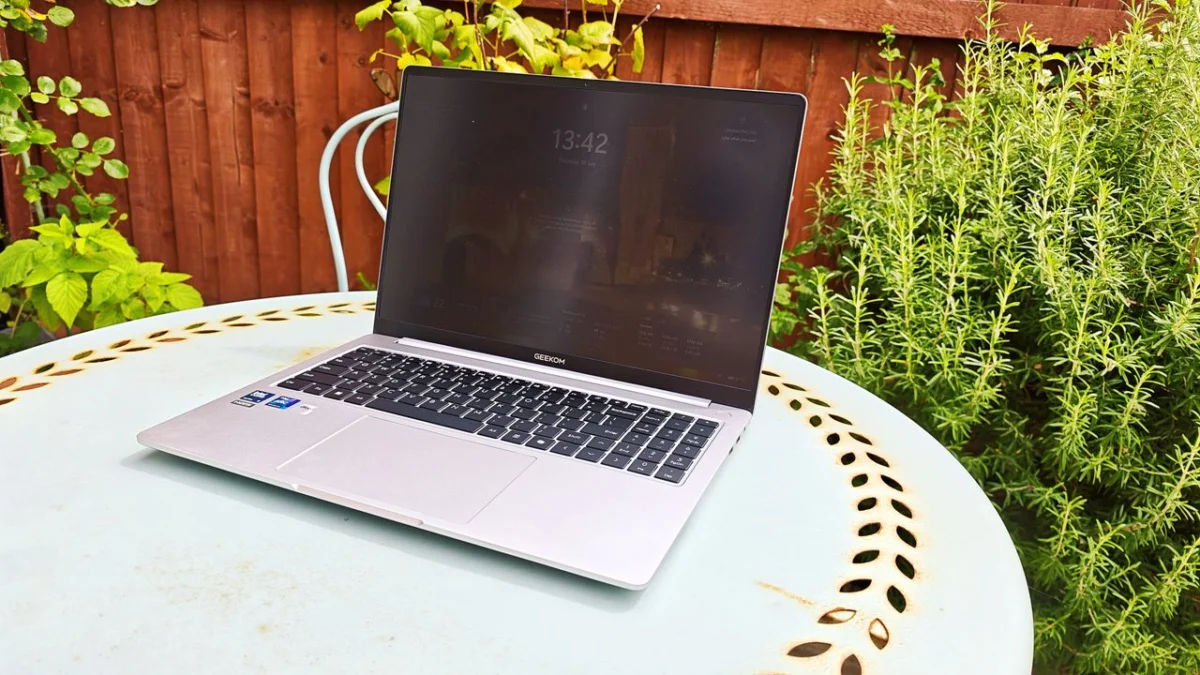
In an increasingly crowded laptop market where the word "value" is often deployed as a marketing euphemism for "compromised," the emergence of the Geekom GeekBook M16 represents a rare, tangible shift in consumer electronics. As buyers become more discerning, the pressure on manufacturers to provide premium build quality alongside high-tier performance—without breaching the $1,000 threshold—has never been higher.
The Geekom GeekBook M16 arrives with a bold proposition: it aims to serve as the definitive "all-rounder" for creators, remote professionals, and power users who have grown weary of the plasticky, disposable nature of budget-tier hardware. Having put this machine through its paces, it is clear that Geekom is not merely participating in the mid-range segment; they are actively disrupting it.
Main Facts: The Anatomy of a Disruptor
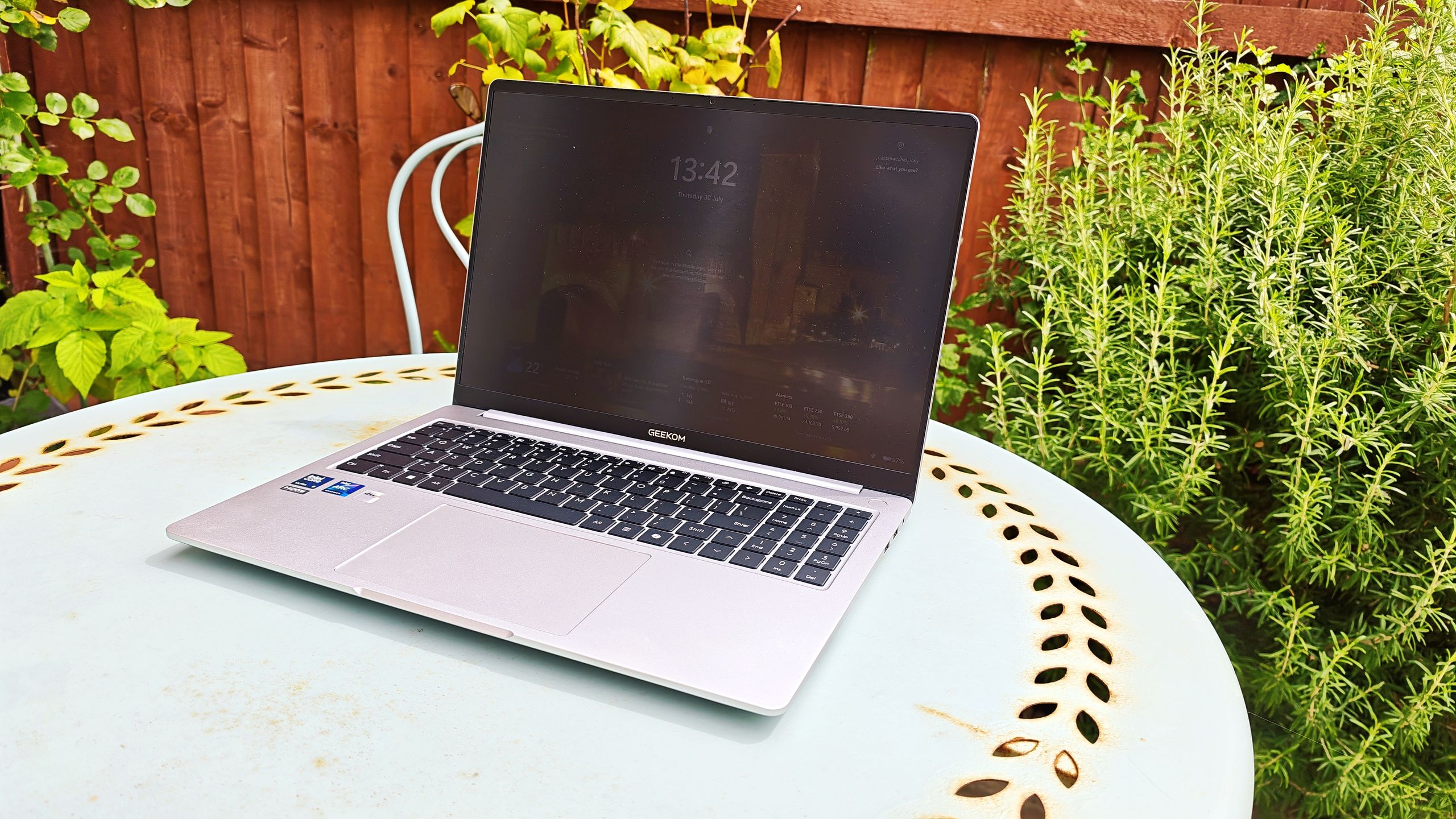
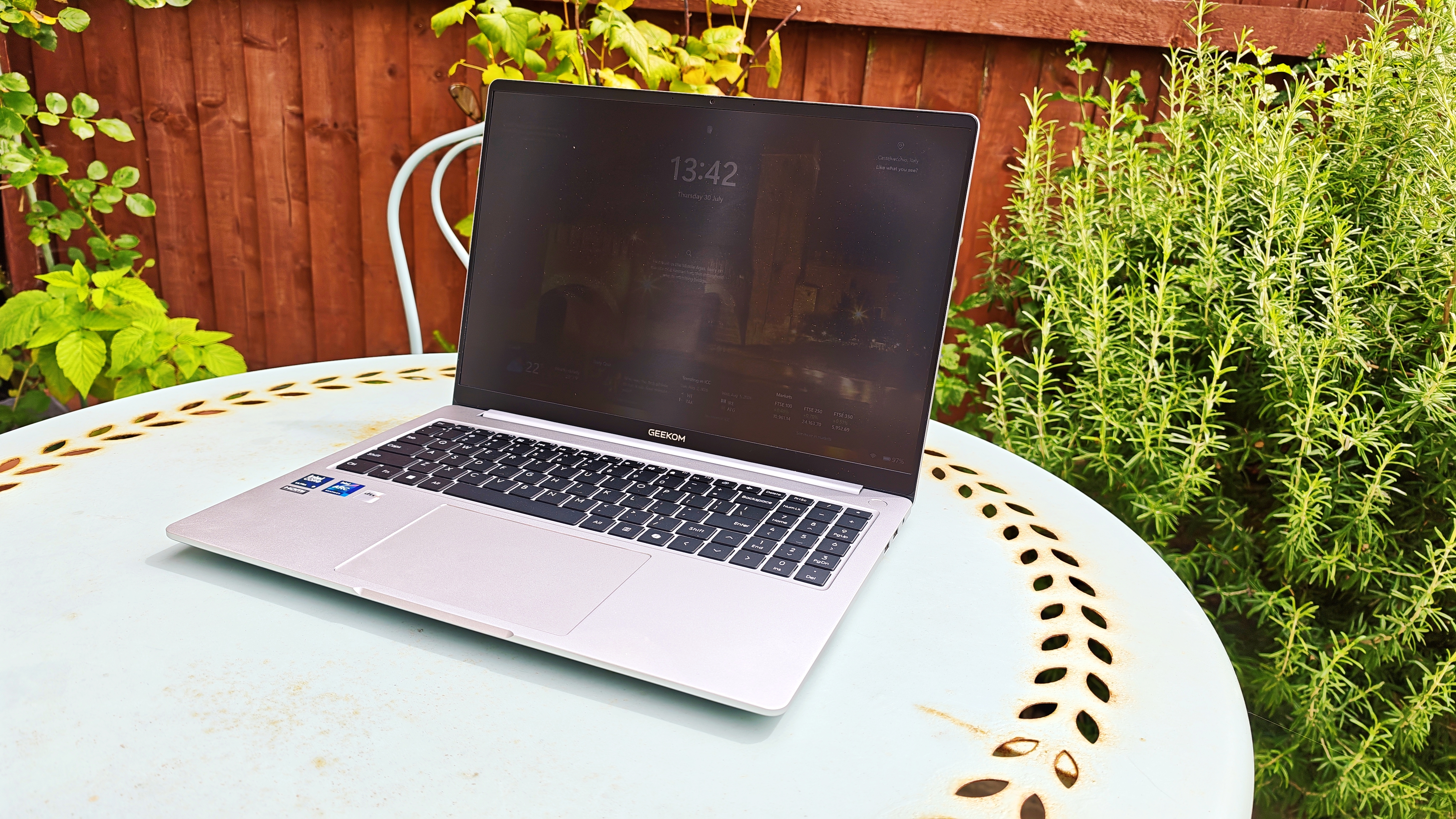
The GeekBook M16, retailing at an aggressive $899, manages to punch significantly above its weight class by prioritizing structural integrity and internal processing power. The most immediate point of differentiation is the chassis: it is constructed entirely from aerospace-grade aluminum. While many competitors opt for metal lids with plastic bases, Geekom has committed to a full-metal unibody in a sophisticated "Iceberg Silver" anodized finish.
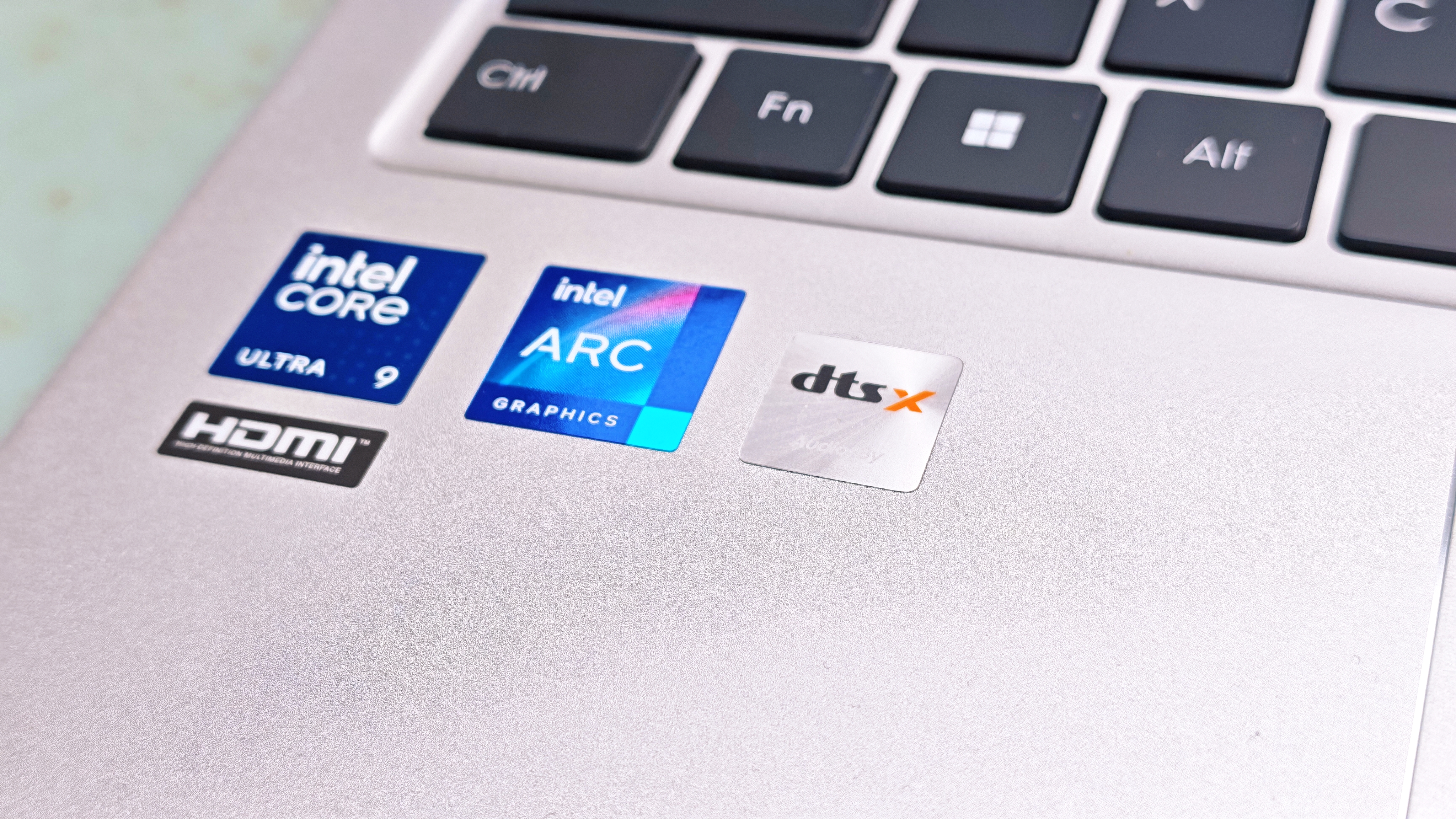
Internally, the device is anchored by Intel’s Meteor Lake Ultra 9-185H processor. This 55W chip is a powerhouse for the price point, designed to handle the heavy lifting of modern creative workflows—including photo editing, multi-threaded multitasking, and light gaming. When paired with LPDDR5 memory running at 7500MB/s, the system achieves a level of responsiveness that was, until very recently, reserved for workstations costing nearly double.
Beyond raw power, the M16 addresses the most common pain point for mobile professionals: energy anxiety. It features a 99.9Wh battery, which is the maximum legal capacity permitted for air travel. Coupled with 100W fast-charging capabilities—offering three hours of utility from a mere 10-minute charge—it represents a significant leap in functional design.
Chronology of the M16 Development
The journey of the GeekBook M16 reflects a broader trend in the PC industry: the democratization of high-end components.
- Q1 2025: Geekom begins R&D on a new "Value-Premium" laptop series, focusing on a balance between the Intel Meteor Lake architecture and a high-durability chassis.
- Q3 2025: The "IceBlade 3.0" thermal system enters final validation. Recognizing that high-performance chips require superior cooling, Geekom prioritizes quiet, dual-fan thermal dissipation to appeal to office environments.
- Early 2026: Beta units are distributed to select reviewers to validate claims regarding the 24-hour battery life and thermal management.
- Mid-2026: Official market launch. The device is positioned not as a direct competitor to the high-end MacBook Pro or specialized workstations, but as the premier choice for the "prosumer" demographic.
Supporting Data and Technical Specifications
To understand why the M16 is creating such a stir, one must look at the granular technical specifications that distinguish it from the competition.
Display and Ergonomics
The 16-inch display utilizes a 16:10 aspect ratio, providing significantly more vertical workspace than the standard 16:9 panels found in budget machines. While the resolution sits at 1920×1200—a choice likely made to preserve battery life and keep costs down—the 90% screen-to-body ratio provides an immersive experience.
Input and Privacy
Geekom has included a 98-key backlit keyboard with a dedicated number pad, a feature often omitted in 16-inch laptops in favor of smaller footprints. The touchpad, a frequent point of failure in budget units, is highly responsive. Notably, the inclusion of a physical camera shutter demonstrates a level of attention to the privacy concerns of modern users that is often ignored by larger, more established OEMs.
Connectivity Flexibility
The I/O port selection is surprisingly generous, featuring:
- USB4 and Full-function USB-C: Supporting power delivery and triple 4K monitor outputs.
- HDMI 2.0: For seamless legacy display connectivity.
- Wireless: Wi-Fi 6E and Bluetooth 5.4.
- Storage Expansion: Two SSD slots, including a 2280 bay supporting up to 4TB, allowing users to scale their storage as their projects grow.
Official Responses and Market Positioning
Geekom has framed the M16 as an "honest" machine. In various industry briefs, the company has emphasized that they are not attempting to chase the "latest" standards—such as Wi-Fi 7 or Thunderbolt 5—which would necessitate a price hike beyond the reach of the target demographic. Instead, they have focused on "proven" high-performance standards that provide the most utility for the average user.
"We aren’t trying to out-spec a $3,000 workstation," noted a Geekom spokesperson during the initial product reveal. "We are trying to ensure that a student, a designer, or a consultant can walk into a meeting with a laptop that looks professional, performs flawlessly, and lasts the entire workday without needing to hunt for a wall outlet."
Implications for the Laptop Industry
The success of the GeekBook M16 carries significant implications for the future of the mid-range laptop market.
The End of the "Plastic Era"
For years, the sub-$900 price point has been synonymous with chassis flex and poor thermal performance. If the M16 proves that an all-aluminum build can be profitable at this price, it will force larger brands like Dell, HP, and ASUS to reconsider their material choices for entry-to-mid-tier devices.
A Shift in Performance Expectations
Intel’s Meteor Lake chips are becoming the new baseline for performance. By integrating the Ultra 9-185H into a device at this price point, Geekom has effectively raised the "performance floor." Consumers are unlikely to be satisfied with lower-tier processors in the $800+ category going forward, creating a "performance arms race" that benefits the end-user.
The Rise of "Prosumer" Pragmatism
The M16 suggests that the market is moving away from the aesthetic-first design philosophy popularized in the early 2010s. Instead, there is a renewed focus on utility: battery longevity, storage expandability, and physical security features.
Final Assessment
The Geekom GeekBook M16 is a testament to the idea that thoughtful engineering can triumph over aggressive marketing. It is not perfect—the fingerprint reader, while functional, lacks the precision of industry-leading biometric sensors—but it is remarkably consistent.
For those currently in the market for a reliable, powerful, and aesthetically pleasing workhorse, the M16 is perhaps the most compelling value proposition of 2026. By balancing high-end internal components with a robust, professional chassis, Geekom has created a benchmark for what "value" should actually mean in the modern era. As we continue to track its performance in real-world scenarios, one thing is certain: the competition now has a very serious challenge on their hands.

 Basiran
 Asro
Asro