

The world of cryptocurrency is littered with "lost treasure" narratives—tales of digital fortunes trapped behind forgotten passwords, corrupted hard drives, and lost mnemonic phrases. For over a decade, these stories have followed a tragic, predictable arc: a user buys Bitcoin when it is worth pennies, loses access to the private keys, and watches from the sidelines as the asset’s value balloons into the millions, forever out of reach.
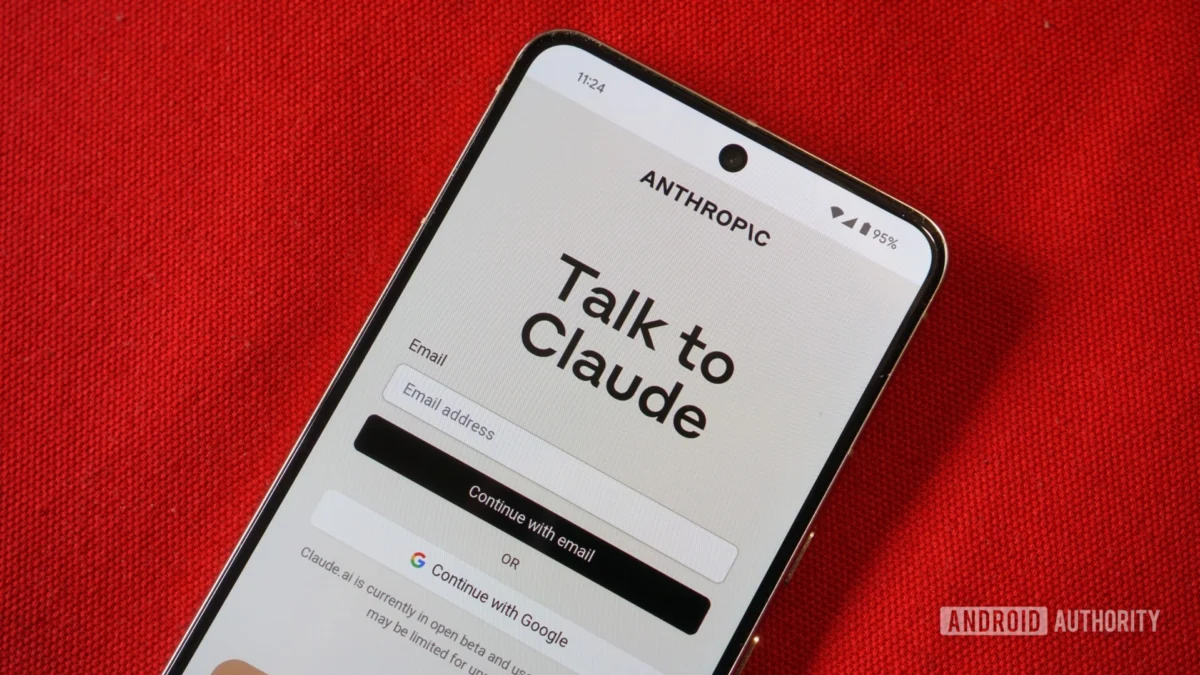
However, a recent breakthrough has added a new, technological chapter to this genre. A user on X (formerly Twitter), known by the handle @cprkrn, recently announced the recovery of 5 BTC—a digital windfall currently valued at approximately $400,000—after being locked out of a Blockchain.com wallet for 11 years. The key to this recovery wasn’t a supercomputer or a clandestine hacking ring, but Anthropic’s AI chatbot, Claude.
Main Facts: A Modern Treasure Hunt
The saga began over a decade ago. The user, who had purchased 5 BTC for roughly $1,250 in the early days of the cryptocurrency boom, found himself locked out of his account following a series of unfortunate events. According to his public account, the lockout occurred after he, in an altered state of mind, changed the password to his wallet and subsequently failed to record it correctly.
For 11 years, the fortune sat in digital limbo. During this time, the user attempted various recovery methods, including running through trillions of potential password combinations, all to no avail. The breakthrough occurred when he shifted his strategy from brute-force decryption to intelligent data analysis. By uploading archived files from an old college computer into Claude, he utilized the AI’s ability to parse, organize, and cross-reference massive amounts of disparate data.
Claude acted as a digital archivist, identifying a specific, neglected wallet file that, when paired with a recovered mnemonic phrase found in a physical notebook, unlocked the long-dormant account. The result was a successful retrieval of the 5 BTC, transforming a decade-long source of anxiety into a life-changing financial gain.
A Chronology of the Lost Fortune
To understand the gravity of this recovery, it is necessary to look at the timeline of the 11-year lockout:
- 2013-2014: The user acquires 5 BTC at a total cost of roughly $1,250. Shortly thereafter, while under the influence, he changes his wallet password and loses the ability to access the funds.
- 2014–2024: The "Lost Years." The user attempts various manual and automated recovery efforts, including custom scripts to brute-force the password. As Bitcoin’s price rises from hundreds of dollars to tens of thousands, the emotional toll of the inaccessible wallet increases significantly.
- Early 2025: The user retrieves an old laptop from his college years. He decides to feed the raw file directories and miscellaneous documents into Anthropic’s Claude chatbot.
- February 2025: Claude identifies a correlation between an obscure wallet configuration file and a cryptic note found in a physical journal.
- The Breakthrough: The user enters the recovered password—which, ironically, was a profane and "unserious" string of characters—and successfully regains access to the 5 BTC, now worth nearly $400,000.
Supporting Data: Why AI Succeeded Where Scripts Failed
It is vital to clarify a common misconception emerging from this story: Claude did not "hack" Bitcoin. The encryption protecting a Bitcoin wallet—AES-256 or similar standards—is mathematically robust and cannot be cracked by current-generation LLMs.
The success here lies in the "Human-in-the-Loop" paradigm. Brute-force scripts failed because they were looking for a password that the user thought he knew. The user’s memory was flawed; he was searching for a logical variation of a password he believed he had created. Claude, however, was not limited by the user’s cognitive biases.
By feeding the AI the actual file structure of the wallet software and the disorganized notes from his past, the user allowed the AI to identify patterns and potential mnemonic sequences that a human—or a rigid script—would have overlooked. The AI served as a "tireless assistant," capable of holding the entire context of the user’s fragmented digital history in its "working memory" (the context window). It could compare thousands of files against the wallet’s requirements, effectively connecting the dots between a forgotten file path and a scribbled password in a notebook.
Official Responses and Industry Perspectives
While Anthropic has not issued a formal press release regarding this specific case, the event has resonated within the AI and cybersecurity communities. Industry analysts suggest that this case highlights a shift in how individuals interact with their own digital archives.
Dario Amodei, CEO of Anthropic, has often spoken about the "reasoning capabilities" of Claude, emphasizing that the model is designed to handle complex, multi-step problem solving. While the user in this story jokingly offered to name his future child after Amodei, the underlying sentiment reflects a growing reliance on AI to solve problems that were previously deemed "impossible" due to the sheer volume of data involved.
Security experts, however, caution against the "AI-as-a-Magic-Bullet" narrative. "AI is an excellent tool for data synthesis," says one cybersecurity consultant. "But users should not start uploading their private keys or seed phrases to third-party chatbots. In this case, the user was piecing together his own files. If he had uploaded his raw private keys to a server, he could have been the victim of a sophisticated phishing attack or a data breach."
Implications for Digital Asset Management
The implications of this incident are twofold:
1. The Rise of the "Digital Archaeologist"
As we generate more data, we are increasingly losing the ability to track our own digital footprints. AI models like Claude represent a new frontier in "digital archaeology." These tools can help users recover assets, restore corrupted documents, and organize lives that have been fragmented across multiple devices and cloud services over the course of decades.
2. Security Risks and Responsible Use
There is a profound irony in using a cloud-based AI to recover a decentralized asset. While the user succeeded, he took a significant risk. The incident serves as a reminder that as we delegate more of our problem-solving to AI, we must be cognizant of data privacy. Recovering a password is one thing; exposing a mnemonic seed phrase to an LLM provider is another.
Furthermore, this story highlights the fragility of self-custody. Had the user not possessed a physical notebook with a clue, no amount of AI processing would have been sufficient. The "human" element—the physical record—remains the bedrock of secure asset management.
Conclusion
The story of the $400,000 recovery is less a tale of AI hacking and more a testament to the power of context. By synthesizing the user’s disorganized, decade-old digital life, Claude acted as the bridge between a forgotten past and a prosperous present.
As we move forward, we will likely see more individuals turning to Large Language Models to navigate the "digital landfill" of their own making. While it is a powerful use case, it is one that requires caution, foresight, and a healthy respect for the security of one’s own data. For now, one lucky user is $400,000 richer—and perhaps a little more careful about what he chooses to write down in his notebooks.












No comments yet. Be the first to join the conversation!