Reynand Wu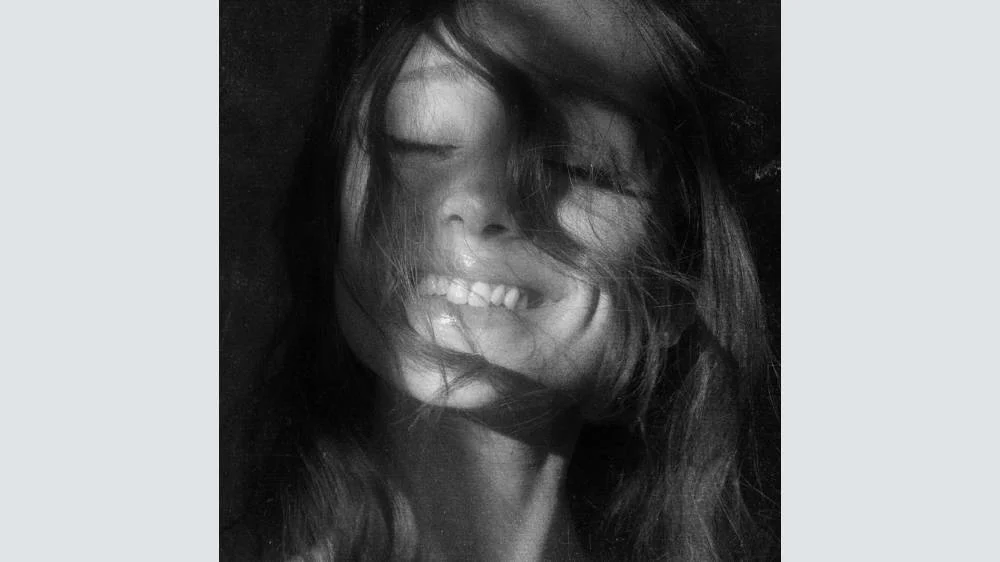
Ariana Grande has long been the gold standard for pop perfection. From her early R&B-infused bubblegum roots to the sophisticated, melancholic introspection of 2024’s Eternal Sunshine, she has navigated the industry with a singular, pristine soprano and a knack for genre-bending. However, with the surprise arrival of Petal—a project billed as a "sister album" to its predecessor—Grande has opted for a sonic and thematic demolition of her own established tropes.
While Eternal Sunshine was a meditation on heartbreak and recovery, Petal is something far more volatile. It is an exploration of unfiltered rage, uninhibited desire, and a blatant disregard for the polished "pop star" image that has defined her career for over a decade.
A Chronology of Artistic Departure
To understand the weight of Petal, one must look at the trajectory of the last two years. In early 2024, Grande released Eternal Sunshine, an album that signaled a maturation in her songwriting, focusing on internal processing and the aftermath of public scrutiny. Many critics assumed that her next move would be a continuation of this narrative thread.
The production cycle for Petal began almost immediately following the completion of Eternal Sunshine. Keeping her core creative inner circle intact, Grande returned to the studio with collaborators Ilya Salmanzadeh and Max Martin. While this trio has historically been responsible for some of the most radio-friendly hits of the century, the decision to maintain the same team was a deliberate "Trojan Horse" strategy. Fans expected a "Chapter Two"—a collection of B-sides or melodic extensions of the previous record. Instead, they received a radical experimental departure.
By the time Grande began teasing the project in early 2025, the tone had shifted. In a widely circulated interview, she hinted at the shift in energy. "I think [fans] will feel familiarity and comfort in it," she noted. "Yet at the same time, it’s very experimental and different for me, and also I wrote from a place that I don’t usually, which is unfiltered rage." Her laughter during the interview served as a warning: the shyness that once prevented her from expressing true anger had been discarded.
The Anatomy of ‘Petal’: A Sonic and Lyrical Shift
If Eternal Sunshine was the sound of a woman finding her footing, Petal is the sound of a woman burning the garden down. Musically, the album occupies a space that feels closer to the industrial, experimental textures of FKA Twigs or the nocturnal, synth-heavy atmosphere of The Weeknd than the pop-R&B fusion of her previous work.
Production and Arrangement
Ilya Salmanzadeh, who serves as executive producer, brings an adventurous, slightly abrasive edge to the record. The album is replete with what can only be described as "malfunctioning-computer" synth lines, jagged rhythms, and complex, layered vocal arrangements that showcase Grande’s evolution as a melodicist.
The lead single, "Hate That I Made You Love Me," provides the perfect entry point. It features a crinkling synthesizer hook layered over a spare, haunting beat. The track highlights her growth as a vocalist, particularly in a multisyllabic middle section that feels technically daring.
Other tracks push the boundaries further. "Like I Do" begins with a deceptive, lovely eight-note figure before collapsing into an ominous, hulking rhythm section. The title track, "Petal," is perhaps the most jarring, pairing a complex, busy melody with a thudding, Portishead-inspired trip-hop rhythm that sounds as if two separate songs are fighting for dominance within the same stereo field.
The Lyrical Transformation
Lyrically, the album is a manifesto of self-preservation and sharp-tongued retribution. The "heartbroken but resilient" Ariana is gone, replaced by a persona that is overtly sexual, vengeful, and unapologetically blunt.
Gone are the days of veiled references. In Petal, the lyrics are explicit and biting. Lines like "Just know that I will find my way from you like flowers from a tomb" and "Good luck on your way to hell" mark a shift toward a darker, more cynical perspective. The sexual content has also been recalibrated; tracks featuring lyrics such as "Pussy so sweet a tear fell from his eye" and "No one fucks you like I do" place the record firmly in the NSFW category, stripping away the sugar-coated innocence that once clung to her brand.
Perhaps the most definitive mission statement appears midway through the album: "Keep my heels tall, my ego small, but I’m still Grande." It is a declaration of power, acknowledging her status while subverting the expectations of humility often placed upon female pop icons.
Supporting Data: The Musical Landscape of the Album
The album’s structure follows a deliberate arc, alternating between the familiar and the avant-garde. While tracks like "Kiss Me" and "Freak" offer a nod to the Grande sound that fans recognize, they are surrounded by experimental compositions that challenge the listener.
- "Never Get Over Me": An icy, funk-infused track that evokes the cinematic tension of Quentin Tarantino’s Kill Bill, complete with a subtle siren-like sonic motif.
- "Bad Thing (Bunny Hop)": A fast-paced, new-wave-influenced track that features a driving synth pulse reminiscent of The Weeknd’s "Blinding Lights."
- "Big Feelings": A rare exploration of raw, unfiltered sultriness that serves as a bridge between her vocal acrobatics and a new, moodier aesthetic.
- "Nowhere, Nobody": The album’s closer serves as the lone exception to the rule of rage. It is a wistful, echo-drenched ballad that brings the album to a quiet, lingering conclusion. By finishing the sentence with a dangling preposition—"There’s nowhere else and there is nobody else/ that I’d rather be … with"—Grande leans into a conversational intimacy that feels deeply personal, even after the chaos of the preceding tracks.
Official Responses and Public Reception
The music industry’s reaction to Petal has been one of stunned curiosity. Critics have noted that while the album is undeniably a pop record, it is a pop record that refuses to play by the rules of the genre.
Grande’s own commentary on the album suggests a level of artistic liberation she has not previously allowed herself. By tapping into "unfiltered rage," she has bypassed the PR-heavy, carefully manicured emotional states that dominate modern pop music. The industry, often obsessed with "growth" and "relatability," has found in Petal a case study of what happens when a global superstar stops trying to be liked and starts trying to be honest.
On social media, the discourse has already begun, with fans dissecting every lyrical barb to identify the potential subjects of her ire. This, in itself, is a testament to the album’s impact; it has successfully transitioned the conversation from her vocal prowess to the provocative, narrative-driven reality of her life.
Implications for the Future of Pop
What does Petal mean for the future of Ariana Grande’s career? It is, by all accounts, a massive risk. It is not an "easy" album; it is not designed for background listening, nor is it aimed at the casual listener who wants a radio-friendly anthem.
However, it is arguably her most accomplished work to date. It proves that Grande is not just a performer but a curator of her own sound. She has successfully navigated the transition from child star to pop icon, and now, to an experimental artist who views her own history as something to be challenged rather than preserved.
The implications for the industry are significant. As streaming algorithms favor safe, middle-of-the-road pop, Petal acts as a disruptive force. It suggests that even at the height of fame, an artist can choose to deviate from the formula, lean into the weird, and still produce something that resonates with the core of their audience.
Eight albums into her discography, Ariana Grande has achieved something rare: she has remained relevant by refusing to stay the same. Petal is a jagged, beautiful, and profoundly angry masterpiece that cements her status not just as a vocalist, but as a fearless navigator of the modern musical landscape. Whether or not it will spawn radio hits is irrelevant—the project exists as a testament to the fact that when Grande chooses to discard her filters, the result is nothing short of transformative.


 Sagoh
Sagoh
 Nana Wu