Iffa Jayyana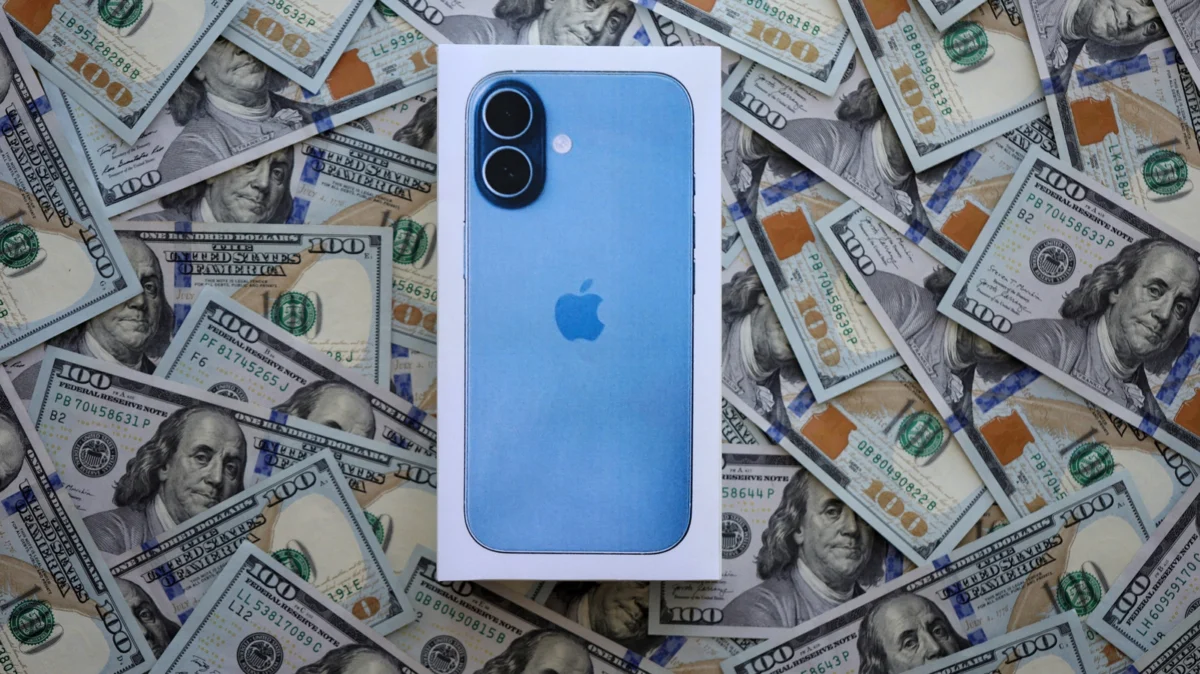
In the rapid-fire cycle of modern consumer technology, the transition from "cutting-edge" to "obsolete" often happens in the blink of an eye. For many, this leaves behind a graveyard of forgotten hardware—smartphones, tablets, and wearables tucked away in junk drawers, slowly losing their chemical integrity and market value. However, a closer look at Apple’s official trade-in program reveals that those aging devices may hold more utility than their owners suspect. Even hardware that feels like a relic from a bygone era can be leveraged to offset the significant cost of a modern upgrade, proving that in the Apple ecosystem, expiration dates are more flexible than they appear.
Main Facts: What You Should Know
The core premise of Apple’s Trade In program is simple: consumers can exchange eligible older hardware for credit toward a new purchase or an Apple Store gift card. While users are often aware that recent models carry trade-in value, there is a persistent misconception regarding the cutoff point for older devices.
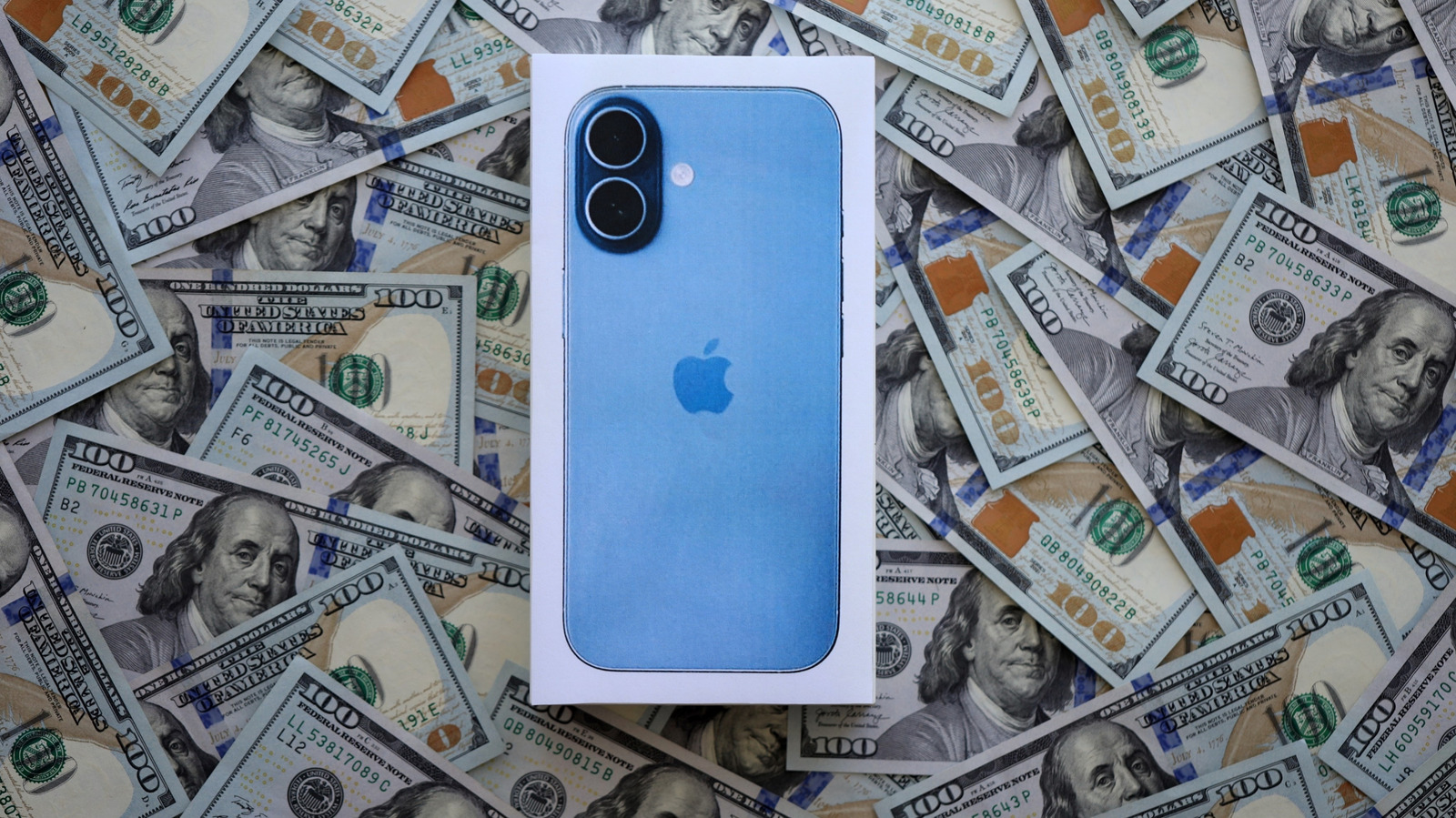
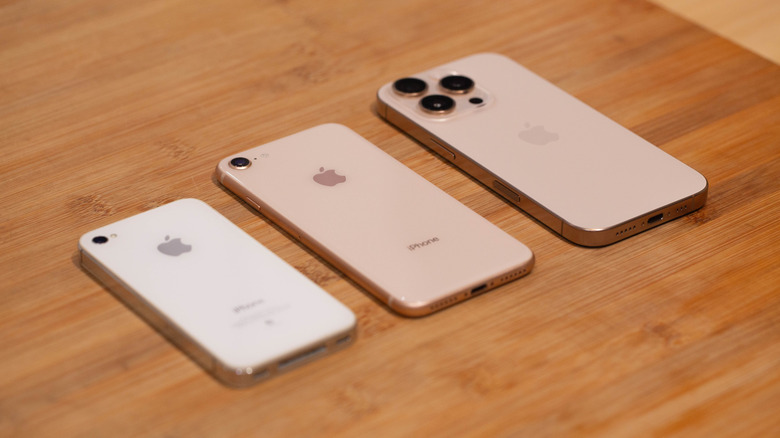
Currently, Apple accepts the iPhone 8 (released in 2017) as the oldest model eligible for a trade-in credit. While this device is now several generations removed from the current flagship, it remains a viable currency for those looking to shave a modest amount off a new device purchase. It is essential, however, to manage expectations regarding value. An iPhone 8 in "good" condition—defined by Apple as a device with minor cosmetic wear but full functionality—typically nets roughly $35. While this won’t cover the cost of a new iPhone 16 Pro, it serves as a tangible incentive to recycle responsibly rather than letting the device gather dust.
The Chronology of Value: From iPhone 5 to 16
To understand the lifecycle of an iPhone in the secondary market, one must look at the sliding scale of depreciation. Apple’s internal valuation algorithm is built on a "decay" model that tracks the device’s age against its remaining software support lifespan and demand for spare parts.
- The Obsolete Tier (iPhone 5 through 7): These models are the "end of the line" for trade-in credits. While Apple will gladly accept these devices for free, responsible recycling, they no longer carry monetary value. The hardware is largely considered legacy, lacking the processing power to support current versions of iOS and modern security protocols.
- The Baseline Tier (iPhone 8, 8 Plus, X): These represent the "entry-level" for cash credit. As of the latest updates, the iPhone 8 is valued at $35, the 8 Plus at $40, and the iPhone X at $60. These valuations are contingent on the device being in "Good" condition. If the device is classified as "Damaged," the value often drops to zero, though the company will still facilitate the recycling of the unit.
- The Modern Tier (iPhone 11 through 16): This is where the bulk of the trade-in economy resides. Newer devices retain significantly higher value, with top-tier models like the iPhone 16 Pro Max commanding values upwards of $700, depending on the market and the specific promotional cycle.
Supporting Data: Understanding Market Variations
The discrepancy between Apple’s official trade-in values and those found on the secondary market is a critical point for consumers to consider. Apple’s model prioritizes convenience and "frictionless" transactions. By trading directly with the manufacturer, the user avoids the risks associated with private sales—such as meeting strangers, potential scams, or haggling over condition.
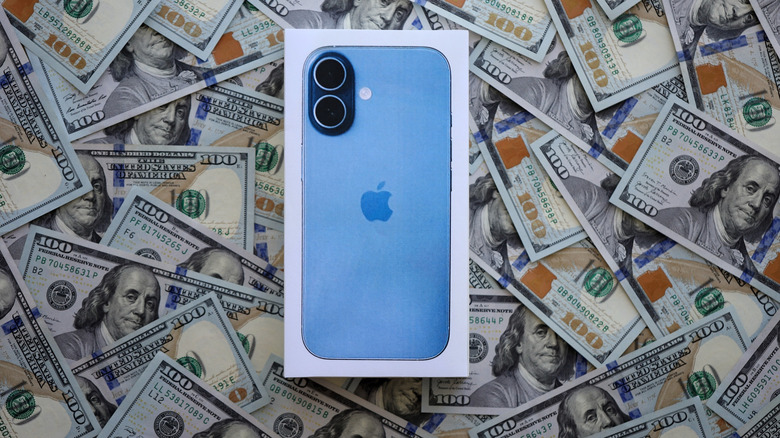
However, the "convenience tax" is real. Data from third-party aggregators like SellCell and direct resale platforms like Mac Me An Offer consistently show that private-market buyers or specialized third-party resellers often pay 20% to 40% more than Apple’s internal trade-in credit. For example, while Apple might offer $320 for a pristine iPhone 15, a third-party reseller might offer $425. This creates a clear bifurcation in the consumer strategy: trade in with Apple for ease of use, or sell to third parties for maximum capital extraction.
Official Guidelines and Procedures
Apple has streamlined the trade-in process to ensure it can be managed both physically and digitally.
The Online Process
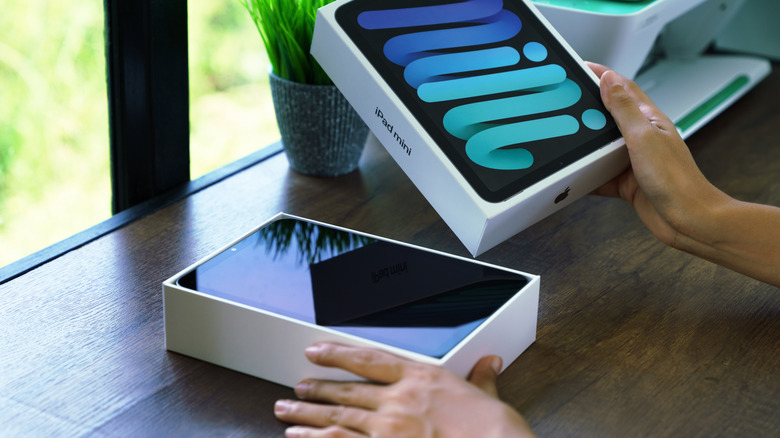
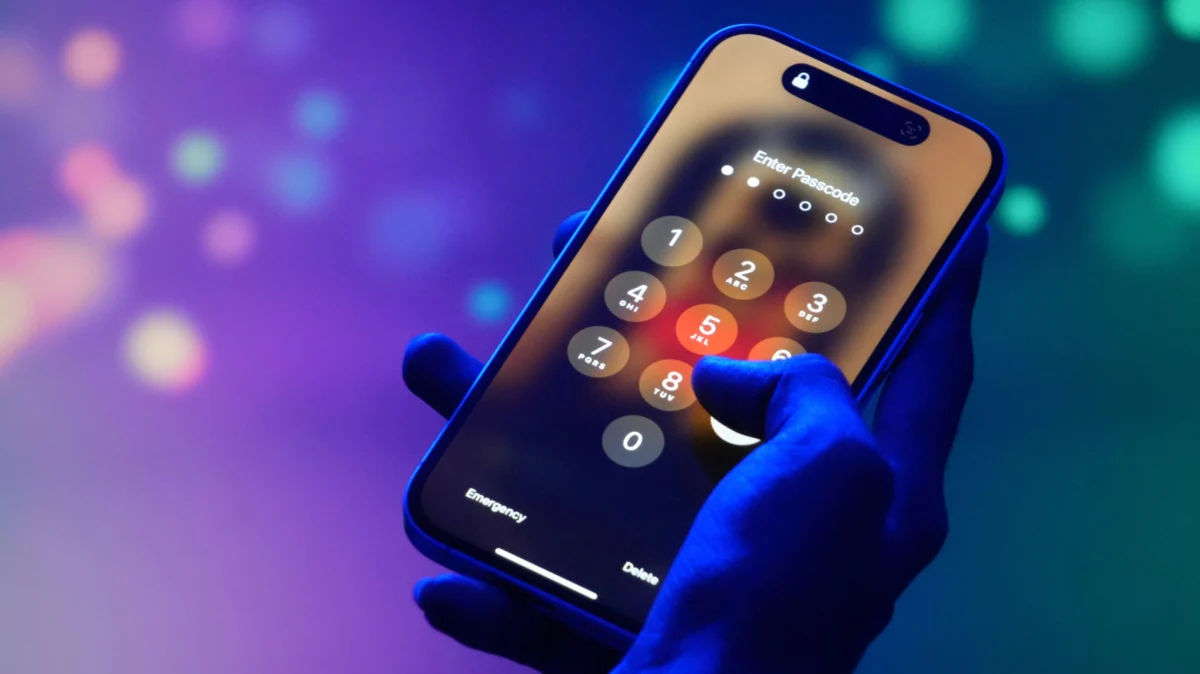
When initiating a trade-in via Apple’s website, the user answers a series of diagnostic questions regarding the device’s health, screen condition, and physical integrity. Once the purchase is completed, Apple ships a pre-paid trade-in kit directly to the consumer. This kit includes all necessary packaging and shipping labels. The consumer is then responsible for factory-resetting the device, signing out of their Apple ID, and disabling "Find My" before mailing the unit. Credit is usually applied as a refund to the original payment method after the device has been received and verified by Apple’s inspection facility.
The In-Store Advantage
Visiting an Apple Store offers the benefit of immediate verification. A specialist can inspect the device on the spot, confirm its condition, and apply the credit instantly toward a new purchase. This eliminates the uncertainty of shipping, where a device might be damaged in transit or mischaracterized upon arrival. The company advises that users back up their data via iCloud or a computer before arriving, as once the device is handed over and the trade-in is finalized, the process is irreversible.
Implications for the Consumer
Beyond the immediate financial gain, the implications of these programs are twofold: environmental and economic.
The Circular Economy
Apple’s aggressive expansion of its trade-in and recycling infrastructure is a cornerstone of its "Apple 2030" carbon-neutral commitment. By reclaiming older devices, the company recovers high-value materials such as rare earth magnets, gold, and cobalt. This reduces the need for virgin mining and positions the trade-in program as an environmental service, even if the user receives only a nominal amount of credit.
Strategic Upgrading
For the consumer, the existence of a robust trade-in program changes the calculus of ownership. If a device maintains a trade-in value of $100–$200 for several years, it essentially acts as a "rebate" on the total cost of ownership. Smart consumers have begun to view their iPhones not just as sunk costs, but as assets with a residual value that can be "liquidated" to keep the cost of an annual or biennial upgrade manageable.
The "Android-to-iOS" Bridge
Interestingly, Apple also offers trade-in credits for non-Apple devices, specifically from manufacturers like Samsung, Google, and OnePlus. While these values are generally lower than those offered for Apple hardware, they serve as a strategic "on-boarding" tool. By lowering the barrier to entry for users switching from Android to iOS, Apple successfully captures market share that might otherwise be deterred by the high upfront cost of a new flagship smartphone.
Conclusion: Is Your Old Phone Worth It?
The decision to trade in an older iPhone ultimately depends on the user’s priority. If the goal is a seamless, risk-free transition to a new device, Apple’s official program remains the gold standard. The process is professional, transparent, and environmentally sound. However, if the user is willing to navigate the complexities of the secondary market—taking photos, listing items, and negotiating with strangers—the financial reward can be significantly higher.
Regardless of the route chosen, the days of throwing an old smartphone into a junk drawer should be behind us. Whether you receive $35 or $400, extracting value from aging hardware is a practice that benefits both the consumer’s wallet and the planet’s resources. The "old" phone in your desk may be obsolete by today’s software standards, but it is far from worthless.

 Sagoh
Sagoh
 Raul Delapena Setiawan