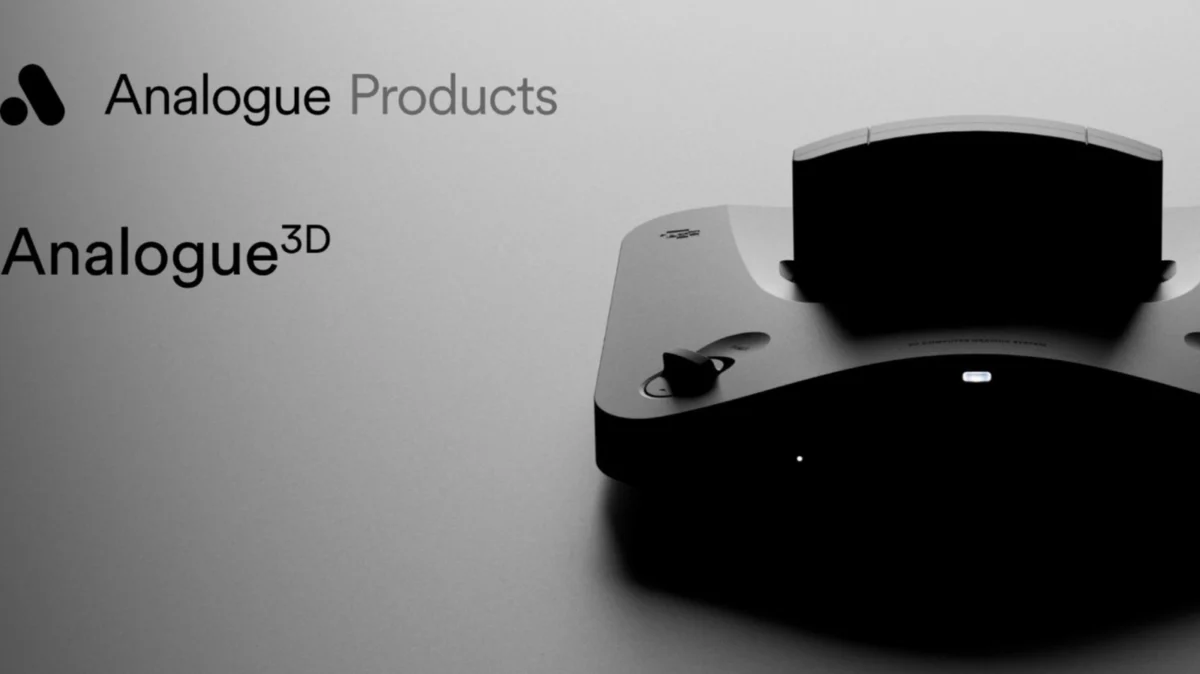
The debate surrounding retro gaming hardware has reached a fever pitch with the arrival of the Analogue 3D. For decades, enthusiasts have wrestled with a fundamental problem: how to play 30-year-old cartridge-based media on modern, high-definition displays without sacrificing the intended aesthetic or suffering through the input lag and visual degradation inherent in cheap adapters. Analogue, a company that has built a formidable reputation for high-end, FPGA-based hardware, claims to have solved this with their latest console. But as the marketing hype hits a fever pitch, it is essential to parse the technical reality of the Analogue 3D from the common misconceptions surrounding "4K retro gaming."
Main Facts: Decoding the 4K Promise
The most common point of confusion regarding the Analogue 3D is its headline resolution. To be clear: the Analogue 3D is not a device that "remasters" Nintendo 64 games into native 4K. It does not possess the processing power to replace low-resolution 1996 textures with modern, high-fidelity assets, nor does it rewrite game code to increase polygon counts or smooth out animations.
In the parlance of modern display technology, the Analogue 3D is an upscaler and a hardware-accurate reimplementation of the N64’s original logic. While it outputs a 3,840 x 2,160 pixel signal, it is effectively taking the original source material—typically rendered at resolutions ranging from 320 x 240 to 640 x 480—and processing that image before it reaches the TV. This distinguishes the 3D from software-based emulators, which often struggle with timing accuracy, and from budget "plug-and-play" consoles that provide muddy, artifact-heavy signals. The Analogue 3D acts as a bridge, ensuring that the original 32-bit color, geometry, and texture filtering are preserved while delivering them in a format that modern 4K panels can display without the "blurry" mess typically associated with converting analog signals to digital screens.
Chronology: The Evolution of Retro Preservation
The journey to the Analogue 3D did not happen in a vacuum. It represents the culmination of years of development in the field of Field Programmable Gate Array (FPGA) technology.
- The Early Days of Conversion: In the 2000s and 2010s, retro gamers relied on composite or S-Video connections to CRT televisions. As flat-panel displays became the standard, the "analog-to-digital" gap widened. Cheap HDMI converters introduced significant input lag and visual artifacts, effectively ruining the timing-sensitive gameplay of titles like F-Zero X or Star Fox 64.
- The Rise of FPGA: Companies like Analogue began utilizing FPGAs—chips that can be reconfigured to mimic the actual hardware circuitry of vintage consoles. Unlike software emulation, which simulates the console’s behavior, FPGA hardware replication offers cycle-accurate performance, ensuring that sound, input response, and graphical glitches behave exactly as they did on the original silicon.
- The Analogue Pocket and Beyond: Before the 3D, the Analogue Pocket proved that there was a massive, lucrative market for premium, high-accuracy portable retro gaming. The 3D is the logical, home-console successor to this philosophy, specifically targeting the notoriously difficult-to-emulate N64 architecture.
- The Modern Era: The 3D’s launch marks the transition from "trying to make old consoles work" to "designing hardware specifically for the modern living room," complete with variable refresh rate support and specialized display modes designed to replicate the phosphor glow of classic CRTs.
Supporting Data: Under the Hood
What truly separates the Analogue 3D from a standard Raspberry Pi or an off-the-shelf emulator is its commitment to the signal chain. When a stock N64 is connected to a 4K TV, the television’s internal scaler often creates a "smeary" image. The Analogue 3D intervenes by applying its own scaling algorithms.
Key technical features include:
- Customizable Display Modes: The console offers "Original Display Modes" that allow users to mimic the look of specific CRT displays. This isn’t just a filter; it is an attempt to capture the phosphor intensity and scanline patterns that were a fundamental part of the original game design.
- Variable Refresh Rate (VRR): By supporting VRR, the console helps mitigate the uneven frame rates that were common in the N64 era. While it cannot force a game to run at 60 frames per second if it was programmed to run at 20, it can ensure that the delivery of those frames to the display is as smooth as possible.
- Compatibility: The device is region-free and utilizes original cartridge slots. Analogue has confirmed that the system is compatible with the vast majority of the original N64 library, bypassing the licensing and "trademark toes" issues that often plague software emulators.
- Connectivity: The inclusion of four original controller ports, alongside modern Bluetooth and USB support, signals a commitment to the "couch co-op" ethos that defined the N64 generation.
Official Responses and Industry Context
Analogue has positioned the 3D not as a "modern remake" machine, but as a "faithful version of the original experience." In their official documentation, the company stresses that the goal is to make the experience "crisp and clear."
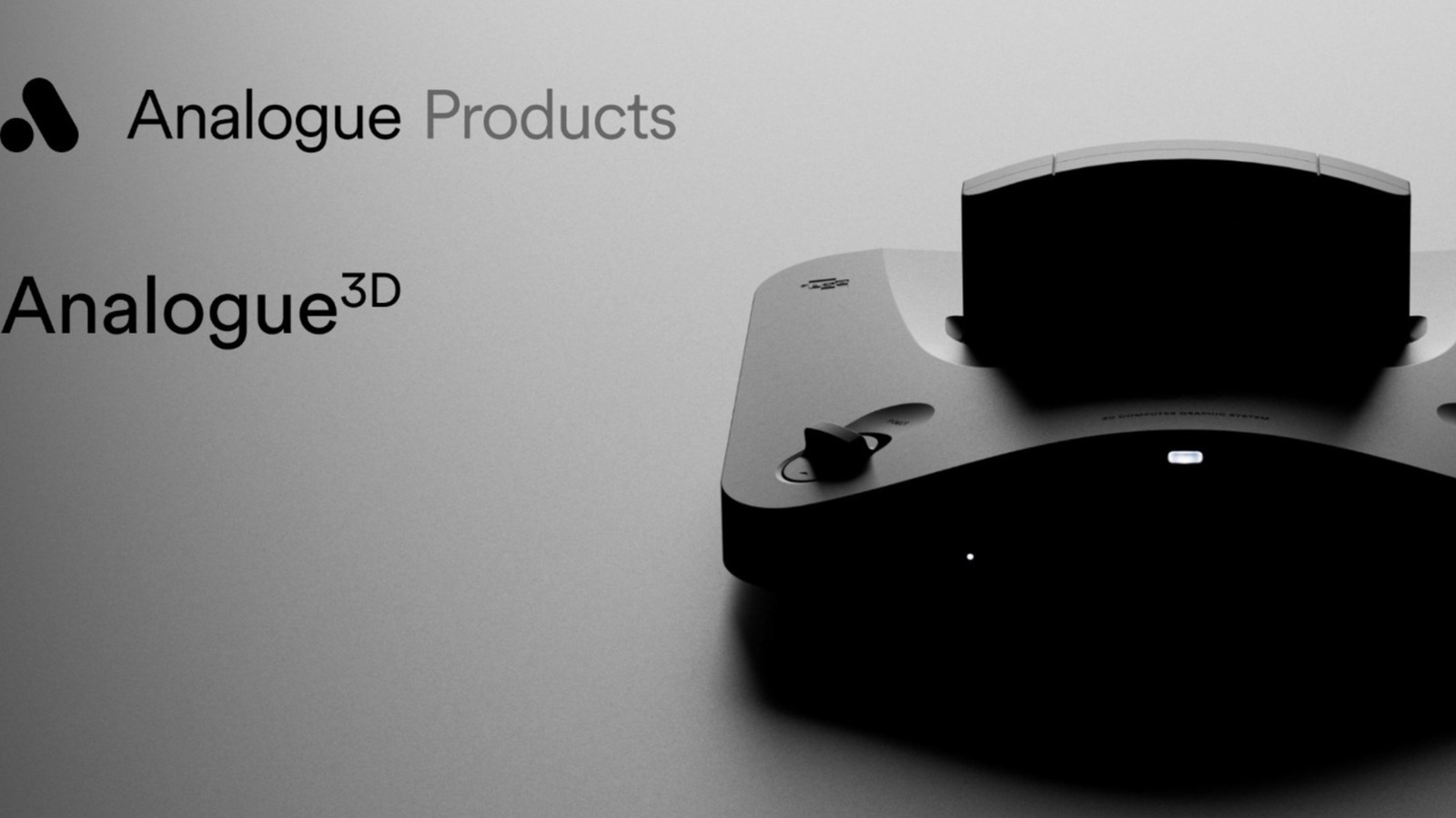
Industry experts have noted that the price point of $250 places the device in a premium category. For many, this is a point of contention. Critics argue that $250 for a machine that plays 30-year-old games is steep when software emulation is free. However, Analogue’s response—and the response from the collector community—is that the 3D is not competing with free software; it is competing with the headache of maintenance. By eliminating the need for bulky CRTs (which are becoming increasingly rare and difficult to repair) and complex signal-conversion chains, the Analogue 3D provides a "plug-and-play" solution that respects the integrity of the original hardware.
Implications: The Future of Retro Gaming
The success or failure of the Analogue 3D will likely set the tone for the next decade of retro hardware.
Preservation vs. Recreation
One of the most profound implications of the 3D is the shift in how we define "preservation." By focusing on hardware-accurate FPGA, Analogue is ensuring that the specific quirks of the N64—the exact way the fog renders, the specific way the anti-aliasing handled textures—are preserved in a format that won’t degrade over time. Unlike software emulation, which can change based on the underlying code of the emulator, this hardware-level approach acts as a permanent reference point for future generations.
The "4K Myth" and Consumer Expectations
The marketing surrounding the Analogue 3D highlights a growing tension in the gaming industry: the expectation of "4K" as a shorthand for "good graphics." As the Analogue 3D demonstrates, 4K is merely a container. The visual fidelity remains locked to the original 1996 assets. The implication here is a necessary industry pivot toward educating consumers that resolution is not the same as fidelity. If consumers can embrace the "original look" at a higher resolution, it opens the door for more authentic, high-quality reissues of classic titles.
The End of the "Remake" Controversy?
We live in an era where "remakes" often alter the source material significantly—changing art styles, game logic, or narrative beats. The Analogue 3D offers a third path: the "Refined Original." By providing a premium, hardware-accurate way to play the games as they were, it allows players to revisit their childhoods without the controversy of "reimagining" that often alienates purists.
In conclusion, the Analogue 3D is a triumph of engineering for a very specific, dedicated audience. It does not magically turn a low-poly N64 model into a modern character, but it does remove the barrier between the player and the pixel. By cleaning up the signal, offering authentic display modes, and providing a stable, high-definition output, it ensures that the Nintendo 64 library remains not just playable, but enjoyable, for the next 30 years. For those who value the tactile, authentic experience of original cartridges, the Analogue 3D stands as the new gold standard.