

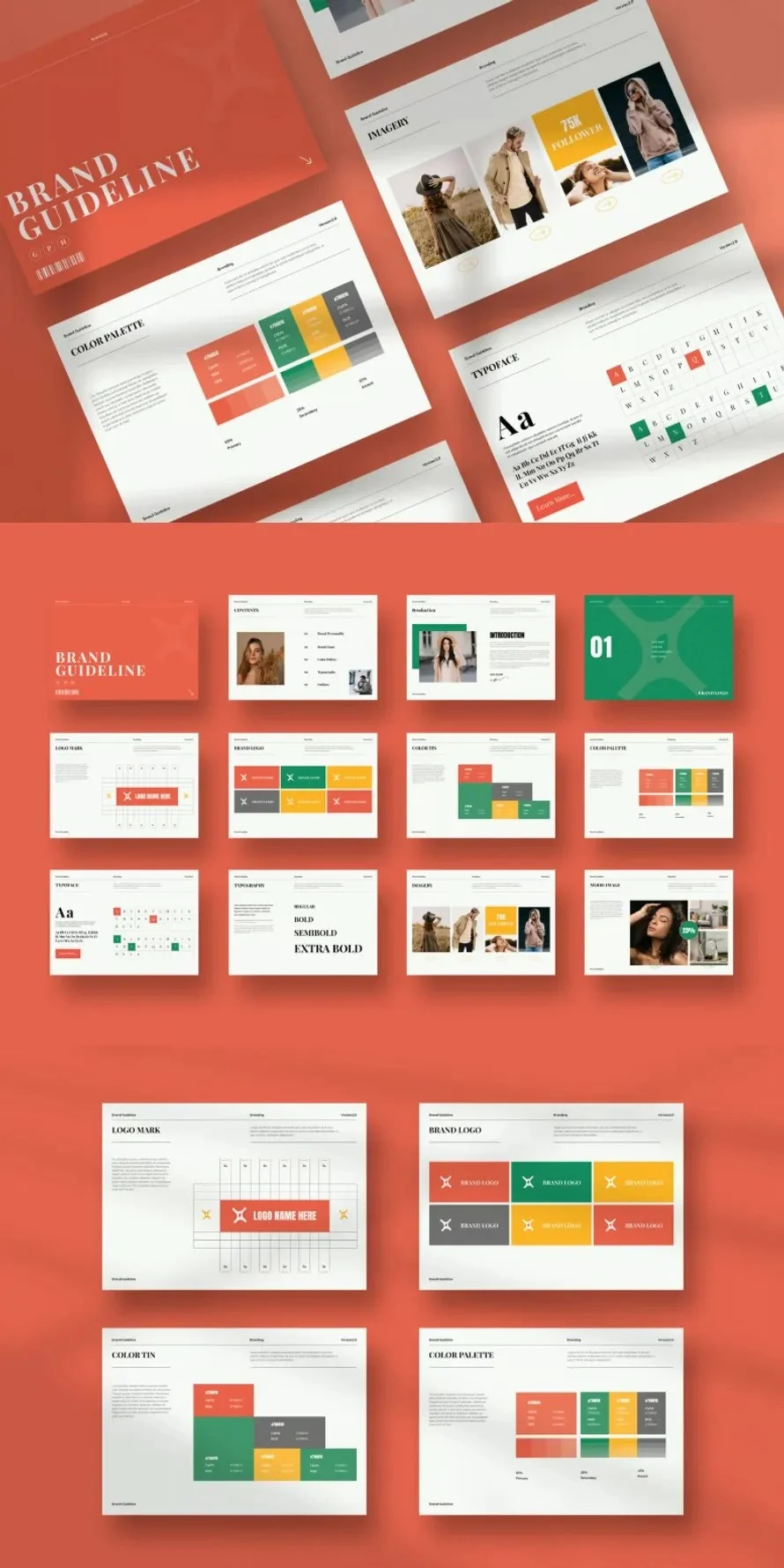
In the fast-paced world of digital marketing and corporate identity, consistency is not just an aesthetic preference—it is a business imperative. A company’s visual identity, spanning from its primary logo to the specific hex codes of its color palette, serves as the shorthand for its reputation. For agencies, startups, and established enterprises alike, maintaining this cohesion across diverse platforms requires a robust set of brand guidelines.

As businesses strive to scale their reach, the reliance on high-quality brand guideline presentation templates has moved from a convenience to a necessity. By bypassing the labor-intensive process of designing slide decks from scratch, creative professionals are reclaiming their time, allowing them to focus on the strategic nuance of brand storytelling rather than the technicalities of grid alignment.

The Evolution of Brand Identity Management: A Chronology
The history of the "brand book" is a transition from static, printed manuals to dynamic, digital ecosystems.

- The Era of Print (1970s–1990s): Brand guidelines were traditionally physical binders. These were rigid, often hundreds of pages long, and notoriously difficult to update or distribute to global teams.
- The PDF Revolution (2000s–2015): As design software like Adobe InDesign became the industry standard, brand guidelines shifted to PDF formats. While easier to email, these files were static, often becoming outdated the moment they were exported.
- The Template & SaaS Era (2016–2022): The rise of platforms like Canva, PowerPoint, and Google Slides introduced the template-based approach. Designers began creating modular, editable frameworks that allowed for rapid iteration.
- The AI-Integrated Future (2023–Present): Today, we are in the era of "intelligent design." Designers now combine professional-grade templates with AI-driven presentation tools. This synergy allows for the automatic generation of slide structures and content suggestions, further reducing the friction between concept and final presentation.
Why Templates are the Industry Standard
Building a brand identity guide involves articulating complex information: mission statements, logo usage rules, typography hierarchies, photography styles, and the nuances of brand voice. When an agency handles multiple clients simultaneously, creating these documents from scratch for every project is fiscally and operationally inefficient.

Efficiency and Scalability
Templates provide a structural blueprint. By utilizing pre-defined layouts, designers ensure that the most critical information—such as logo clear-space requirements and primary color swatches—is presented in a logical, professional hierarchy. This scalability is essential for small businesses transitioning into larger markets, where they need to maintain a polished image without a massive internal design team.

The Role of AI in Modern Workflows
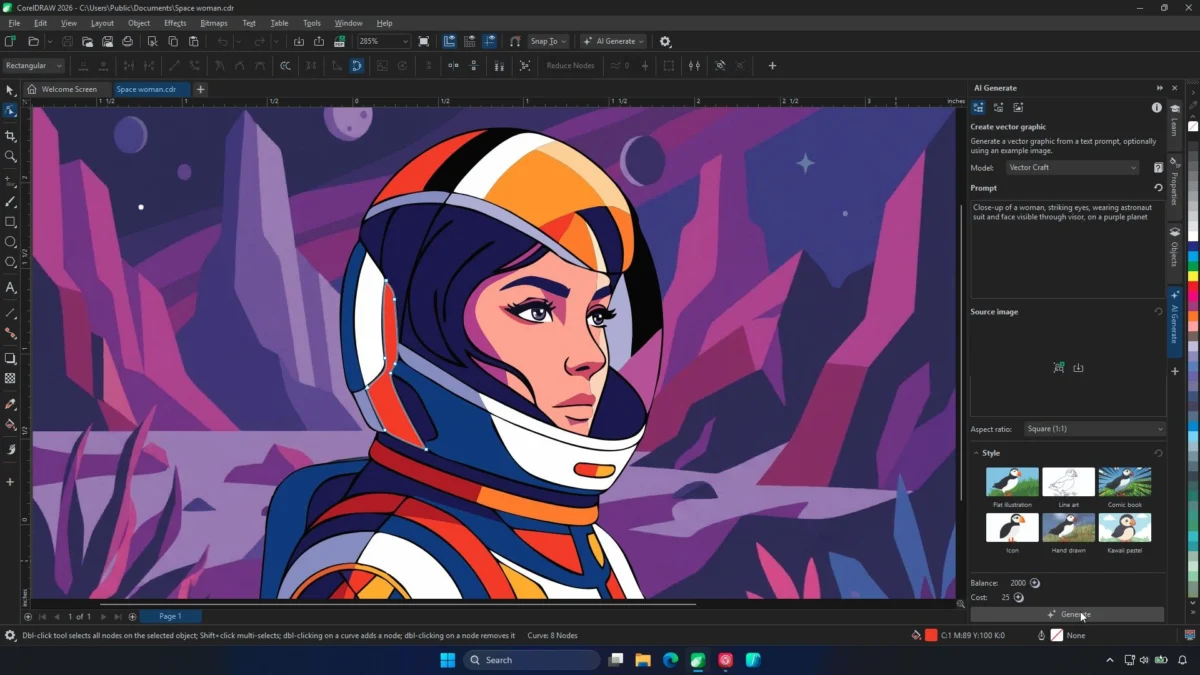
The integration of AI presentation tools has been a game-changer. These tools can analyze raw brand data and suggest visual layouts that adhere to design principles like white space, contrast, and visual balance. When paired with a high-quality, professionally designed template, AI acts as an accelerator. It organizes the "heavy lifting" of data entry and initial structural planning, leaving the creative professional to handle the refined, human-centric storytelling that defines a brand’s soul.

Supporting Data: The Business Impact of Consistency
Consistency is a measurable asset. According to recent industry reports on branding:

- Revenue Growth: Brands that are presented consistently across all platforms see an average revenue increase of 23%.
- Recognition: It takes, on average, 5 to 7 impressions for consumers to remember a brand. If the visual presentation fluctuates, that number increases significantly, diluting the brand’s impact.
- Time Savings: Utilizing a professional template reduces the time required to compile a brand manual by approximately 60% to 70%, allowing designers to bill for strategy rather than production.
Official Perspectives: The Professional View
Design leaders and brand strategists emphasize that a template is not a replacement for creativity; it is a tool for professional discipline.

"The value of a template lies in its ability to enforce standard-setting," says one senior creative director. "When we provide a client with a template, we are providing them with a system. It ensures that when their marketing team creates a new social media post or their sales team drafts a proposal, they are working within the guardrails we’ve established. It prevents the ‘death by a thousand cuts’ that happens when a brand’s visual identity is slowly degraded by inconsistent application."

Implications for Future Branding Projects
As we look toward the future, the demand for agility will only increase. Agencies are now expected to provide "living" brand books—presentations that are not just static slides, but evolving documents that grow with the brand.

The Importance of Customization
While templates provide the structure, the "soul" of the brand must remain unique. The most successful templates are those that allow for deep customization. Whether it is a minimalist design for a tech startup or an elegant, typography-heavy layout for a luxury fashion house, the ability to swap assets—fonts, imagery, and colors—while maintaining the underlying professional structure is what defines a top-tier template.

The "All-in-One" Toolkit
For any modern designer, the ideal toolkit now includes:

- The Framework: A set of 20+ professional-grade templates (PowerPoint, Google Slides, or InDesign).
- The Assets: A library of high-quality mockups and icon sets.
- The Automation: AI tools to assist in layout generation and copy refinement.
Navigating the Collection: How to Choose the Right Template
When browsing for templates, consider the specific needs of your project. If you are developing a guide for a corporate entity, prioritize "Clean" and "Professional" layouts that emphasize clarity and formal typography. If you are working with a creative agency, look for "Minimalist" or "Modern" templates that allow for large, high-impact imagery.

Key features to look for in a template:

- Fully Editable Layouts: Ensure the template is compatible with your preferred software (e.g., Canva, Adobe InDesign, or Google Slides).
- Comprehensive Sections: Does it have dedicated slides for color palettes, typography, iconography, and photography style?
- Visual Balance: Does the template use grid systems that allow for easy readability?
- Extensibility: Can you easily add or remove pages without breaking the document’s design logic?
Final Thoughts: Investing in Your Workflow
In conclusion, the adoption of brand guidelines presentation templates is a strategic decision that prioritizes professional output and operational efficiency. By leveraging these resources, designers can ensure that every brand they touch is presented with the authority and consistency it deserves. Whether you are a solo freelancer or part of a global creative agency, the right template is more than just a file—it is a foundation for long-term brand success.

As the design industry continues to evolve, the tools we use will become more intuitive, but the fundamental goal remains the same: to create a visual language that is clear, consistent, and undeniably compelling. By investing in a curated library of high-quality templates today, you are ensuring that your future self has the time and the resources to create the work that truly matters.









No comments yet. Be the first to join the conversation!