Jia Lissa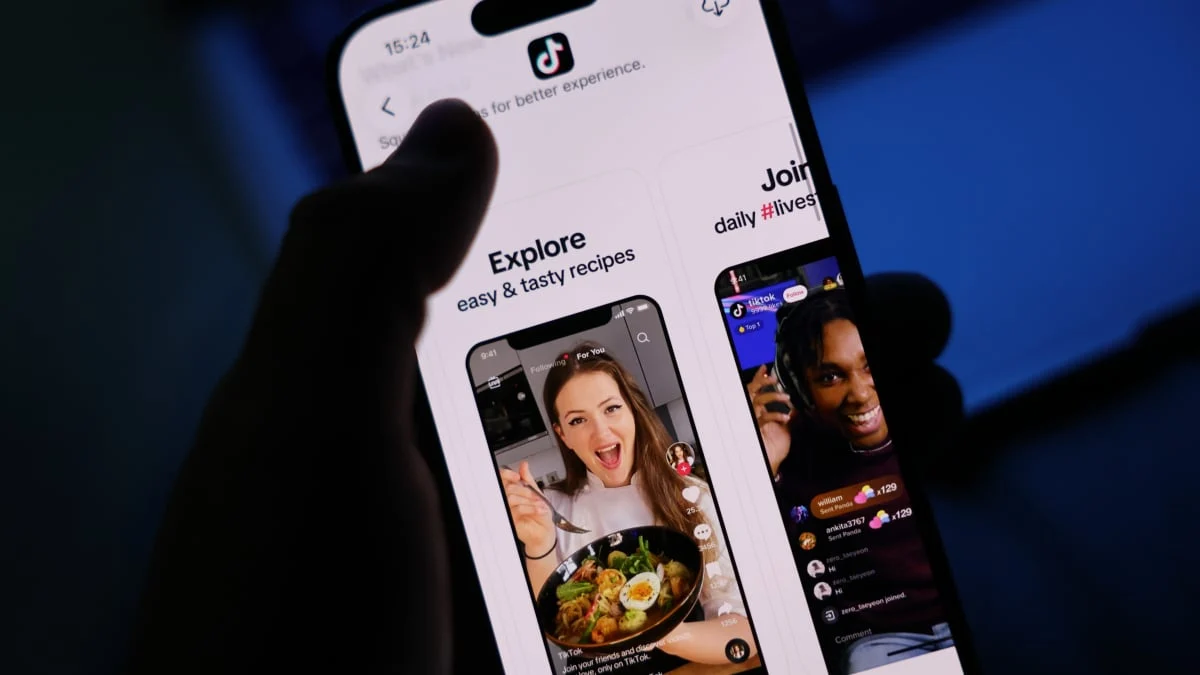
In the landscape of modern digital consumption, few phenomena have been as transformative—or as controversial—as the rise of GLP-1 receptor agonists. While drugs like Ozempic, Wegovy, and Zepbound have revolutionized medical approaches to diabetes and obesity, their soaring popularity has birthed a dangerous side effect: a burgeoning, unregulated “gray market.” According to a scathing new report from the gender justice nonprofit UltraViolet, TikTok has become the primary staging ground for this illicit trade, failing to curb the proliferation of accounts peddling unverified, “research-grade” pharmaceuticals to a vulnerable user base.
The investigation highlights a systemic failure in platform moderation, where sophisticated algorithms ostensibly designed to boost engagement are instead directing users toward black-market transactions, circumventing FDA oversight and placing public health in significant jeopardy.
The Anatomy of an Unregulated Market
The report, titled Unregulated, Unmoderated, and Unsafe: The GLP-1 Gray Market on TikTok, exposes a digital pipeline that begins with seemingly benign content and ends in private, encrypted transactions. Researchers at UltraViolet identified hundreds of TikTok accounts dedicated to promoting non-FDA approved weight loss drugs, including substances like retatrutide, which are often marketed under the guise of "research-grade" chemicals.
These accounts operate with a high degree of sophistication. Rather than conducting sales directly on TikTok—a move that would trigger immediate automated takedowns—creators use the platform as a top-of-funnel marketing tool. They post testimonials, "before and after" photos, and aggressive marketing copy, only to funnel interested users off-platform to encrypted messaging services such as WhatsApp, Discord, and Telegram. Once in these private channels, the guardrails disappear, and users are left to purchase substances of unknown origin, purity, and safety.
The accessibility of this content is perhaps the most alarming finding. Whether a user had a TikTok account or not, they could easily encounter these promotional videos. Furthermore, the platform’s "Discover" and search features frequently suggested related terms, effectively acting as an automated concierge for the gray market.
A Persistent Problem Across Ownership Transitions
One of the most critical aspects of the UltraViolet study is its temporal scope. The researchers monitored the platform in two distinct phases: the first in late 2025, prior to the high-profile transition of TikTok’s U.S. operations to an American board of investors, and the second in early 2026, following the change in control.
Despite updated Community Guidelines and a revised Terms of Service implemented in January 2026, the volume of illicit GLP-1 content remained virtually unchanged. This persistence suggests that the issue is not merely a matter of policy enforcement, but a fundamental failure of the platform’s algorithmic curation. The study notes that even with stricter language regarding "unofficial markets," the platform’s recommendation engine continued to surface accounts that clearly violated these standards.
When UltraViolet reported 202 of these suspicious accounts to TikTok for policy violations, only about one-third were removed. This discrepancy between reported content and administrative action underscores a "whack-a-mole" dynamic where the platform is unable—or unwilling—to keep pace with the influx of bad actors.
Targeting Women: The Intersection of Health and Harassment
The report highlights a disturbing trend regarding the demographics targeted by these gray-market sellers. Many of the identified accounts explicitly targeted women, utilizing both real and AI-generated imagery to establish a facade of relatability and authority.
The messaging accompanying these posts often veered into harmful territory, employing tropes related to beauty standards and extreme weight loss. In many instances, the content included sexual imagery or promoted pseudo-scientific claims about women’s health. By exploiting insecurities and perpetuating unrealistic body standards, these accounts create a toxic environment that disproportionately affects women, particularly those already struggling with body image or disordered eating.
Jenna Sherman, campaign director at UltraViolet, did not mince words regarding the implications of these findings. "We’ve seen this movie before," she stated. "Tech oligarchs gain control of huge swaths of the internet and shape the content and ads we see for their own political and financial gain at the cost of user safety and the public good." She characterized the current situation as a "disaster," fueled by the convergence of hyper-efficient algorithms, the high demand for miracle weight-loss solutions, and a pervasive societal obsession with thinness.
The Regulatory Gap and Corporate Policy
TikTok’s official stance on pharmaceuticals is governed by a complex set of rules. The platform does not prohibit the discussion of GLP-1 medications entirely; in fact, it permits pharmaceutical advertising in accordance with regional laws. However, it explicitly forbids the promotion of disordered eating, dangerous weight-loss behaviors, and the sale of regulated, high-risk goods.
Under its current guidelines, TikTok prohibits ads and sponsored posts marketed for "weight loss, weight gain, fat reduction, detox, [or] appetite suppressants." The policy specifically names GLP-1s as restricted terms. Furthermore, the platform’s terms explicitly ban the "trading, marketing, or providing access to regulated, prohibited, or high-risk goods and services."
Despite these clear prohibitions, the gap between policy and practice remains a chasm. The platform’s failure to prevent the redirection of users to third-party messaging apps for the purpose of acquiring these substances represents a significant violation of its own stated commitment to user safety. When contacted for comment, TikTok declined to provide an official response to the UltraViolet report.
The Broader Pharmaceutical Landscape
The chaos on social media is occurring against the backdrop of an increasingly aggressive pharmaceutical arms race. In early 2025 alone, major players like Novo Nordisk (makers of Wegovy and Ozempic) and Eli Lilly (makers of Zepbound and Mounjaro) spent a combined $700 million on marketing. The sheer volume of legitimate pharmaceutical advertising has created an environment where users feel "inundated" by content related to weight loss.
This climate of saturation makes it increasingly difficult for the average consumer to distinguish between an FDA-approved advertisement from a legitimate pharmacy and a predatory gray-market pitch. For individuals in recovery from eating disorders, the constant barrage of weight-loss content is not just annoying—it is a significant psychological trigger. Many users have reported unsuccessful attempts to filter or block this content, leading to a sense of helplessness as the algorithm continues to serve them material that is fundamentally detrimental to their health.
Furthermore, the legal landscape is becoming increasingly contentious. The recent lawsuit filed by Novo Nordisk against Eli Lilly, alleging deceptive marketing practices, highlights the intensity of the competition within this sector. As these companies fight for market share, the digital discourse surrounding these drugs becomes more polarized, providing the perfect cover for gray-market operators to blend in with legitimate industry messaging.
Implications: The Cost of Algorithmic Negligence
The findings presented by UltraViolet point to a future where user safety is increasingly subordinated to the goals of algorithmic growth. When a platform’s curation features prioritize engagement above all else, the potential for harm becomes exponential. By amplifying content that leads to the purchase of unverified, off-market drugs, TikTok is not merely hosting content; it is acting as a facilitator for a public health crisis.
The implications are threefold:
- Public Health Risks: The consumption of "research-grade" substances purchased through encrypted apps poses severe risks, including contamination, incorrect dosing, and the absence of medical supervision.
- Platform Responsibility: The failure of TikTok to effectively purge these accounts—even after they are flagged—raises questions about the adequacy of their moderation teams and the effectiveness of their automated detection tools.
- Regulatory Scrutiny: As lawmakers increasingly look toward the influence of Big Tech on public health, the failure to police the gray market may accelerate calls for stricter federal oversight of social media platforms as health information gatekeepers.
The "gray market" for GLP-1s is not just a niche problem; it is a symptom of a larger digital infrastructure that is failing to protect its users. As long as platforms like TikTok remain the primary gateway to these illicit markets, the responsibility for harm will continue to rest on the shoulders of the companies that facilitate the traffic. Until the algorithms are realigned to prioritize safety over reach, the most vulnerable users will continue to bear the cost.
Disclaimer: The information contained in this article is for informational purposes only and is not intended as medical or health advice. Always consult a qualified professional with any questions regarding a medical or health issue.

 Nana Wu
 Ammar Sabilarrohman