Dwi Wanna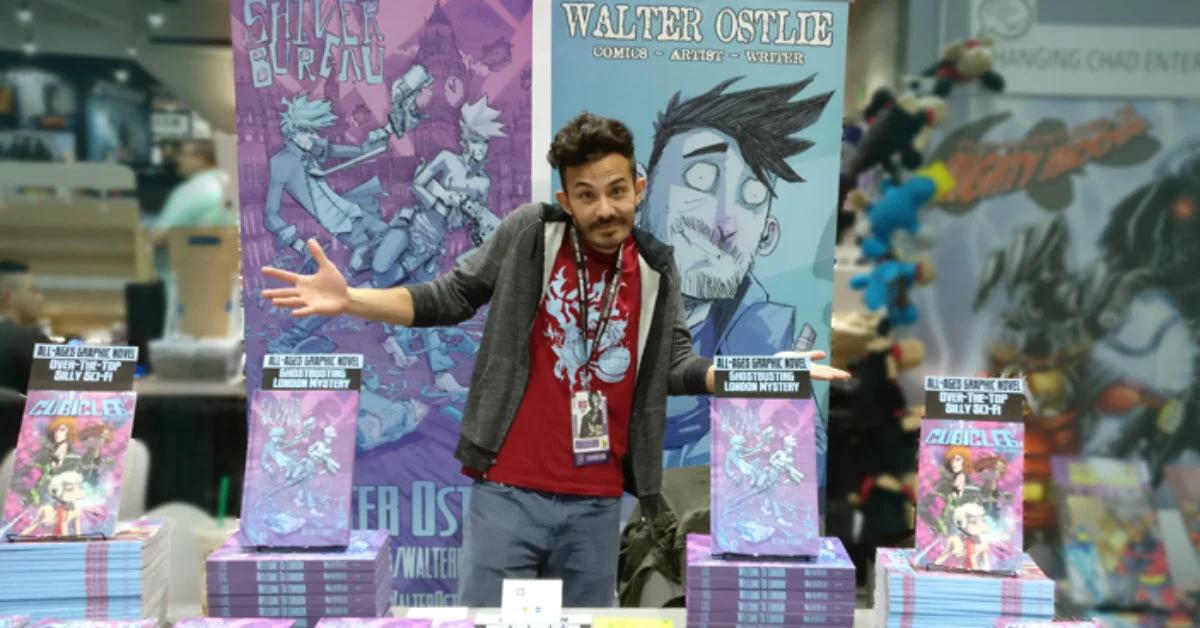
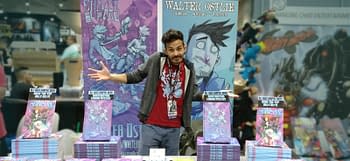
In the ever-shifting landscape of modern sequential art, few creators have managed to bridge the gap between traditional independent publishing and the digital-first revolution as effectively as Walter Ostlie. A self-taught polymath of the medium, Ostlie’s career serves as a blueprint for the contemporary "creator-as-entrepreneur." From the humble beginnings of his graphic novel Cubicles to the high-octane, demon-slaying absurdity of his Kickstarter smash Metalshark Bro, Ostlie has navigated the industry with a focus on adaptability, technical efficiency, and a relentless work ethic.
A Chronology of Artistic Growth
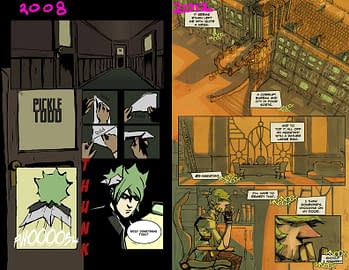
Walter Ostlie’s journey into the professional comic book arena began in 2008, a period he describes as his "self-taught phase." By 2011, he had successfully launched his first graphic novel, Cubicles, published via Red5 Comics. This initial foray into the industry provided the foundation upon which he would build a diverse portfolio.
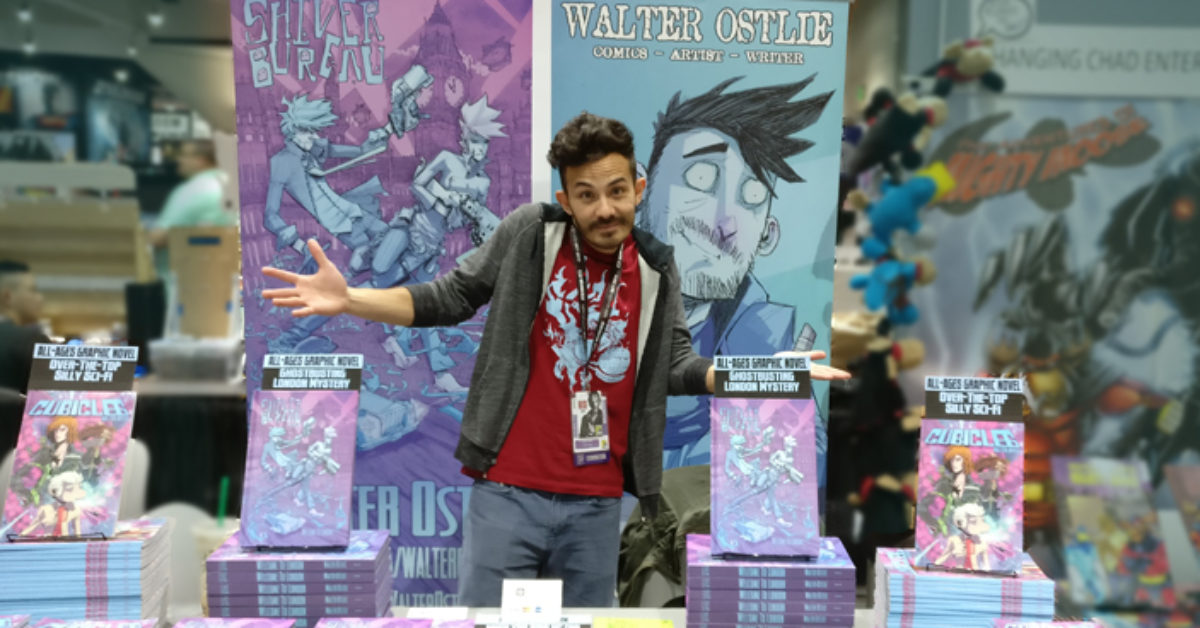
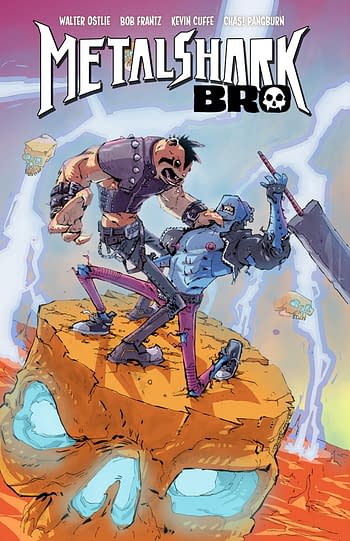
His sophomore effort, Shiver Bureau, marked a pivotal shift in his career. By leveraging the then-nascent power of crowdfunding, Ostlie raised over $13,000 on Kickstarter. The project was initially self-published but eventually caught the eye of Scout Comics, leading to a broader distribution deal through Diamond. This trajectory—from self-published passion project to industry-vetted trade paperback—became the hallmark of his career path.
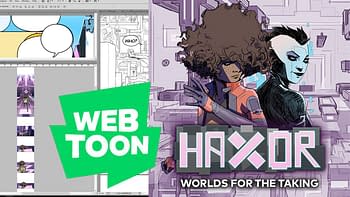
The success of these early works brought Ostlie to the attention of the Webtoon editorial team. His contribution to the platform, Haxor, served as the catalyst for his transition into full-time, professional comic creation. Most recently, Ostlie has found massive success with Metalshark Bro, a project that garnered over $50,000 in crowdfunding, further cementing his status as a powerhouse in the independent scene. Beyond his original works, Ostlie has been a vital collaborator on various projects, including the acclaimed Is’nana: The Were-Spider series, written by Greg Anderson Elysee.
The Webtoon Revolution: A New Paradigm for Creators
Perhaps the most significant development in Ostlie’s professional life was his decision to pivot toward the Webtoon format. For many traditional comic creators, the move to web-based platforms is met with skepticism, yet Ostlie views it as a "game-changer."
"Webtoon is webcomics, but to the power of one million," Ostlie explains. The platform functions as a dual-model ecosystem: it allows independent creators to host their work and monetize via ad revenue, while simultaneously offering an "Originals" program where the company funds creators directly. Crucially, creators retain their intellectual property rights.
This shift has forced a fundamental change in how Ostlie approaches storytelling. Traditional American comics rely on the "page" as the unit of measurement; Webtoon utilizes an "infinite vertical scroll." This allows for a different pacing structure. "I could use ten panels of the same face, slowly changing the expression from confusion to horror if I wanted," Ostlie notes. "It really allows for a lot of character building." However, he cautions that traditional techniques—such as the splash page or wide establishing shots—often lose their impact in the digital vertical format, necessitating a complete re-learning of visual composition.
The Mechanics of a Full-Time Creator
For those curious about the daily grind of a professional comic artist, Ostlie’s schedule is both rigorous and disciplined. Operating on a six-day work week, he maintains a strict regimen: waking at 7:00 AM, beginning his drawing sessions by 8:00 AM, and working steadily until the evening.
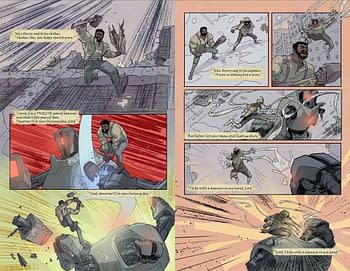
This level of productivity is not merely a result of passion; it is a necessity driven by the demands of the digital format. "The schedule for Webtoon is pretty intense," Ostlie reveals. "They release a new episode every week. An episode equates to about 6-8 traditional American comic pages, which is nuts."
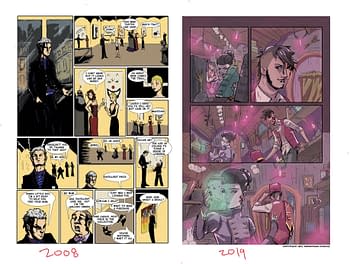
To manage this, Ostlie has developed a highly efficient workflow. Over the last seven years, he has focused less on "artistic style" in the abstract and more on speed and efficiency. "Stuff that would have taken me a few hours to draw, I can now draw in 30 minutes," he explains. This speed, he argues, is the true catalyst for his current style. By simplifying his process, he is able to churn out more content without sacrificing the narrative integrity of his work.
Mentorship and the "YouTube School of Comics"
In addition to his creative output, Ostlie has become an educator. His YouTube channel, which boasts over 4,500 subscribers, provides a comprehensive breakdown of the comic-making process, covering everything from writing and scripting to technical lettering.
His motivation for starting the channel was twofold: first, to provide a resource that would answer the recurring questions he received from aspiring creators, and second, to demystify the technical barriers to entry. "People are overwhelmed by the technical stuff, so I wanted to simplify that," he says. "Take away that stress so people could focus on their stories."
The "Metalshark Bro" Phenomenon: Why It Works
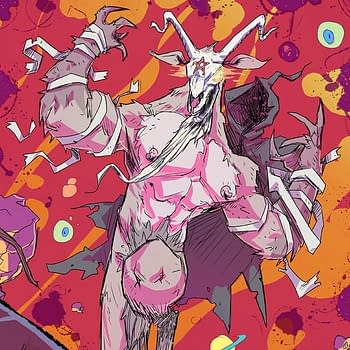
The runaway success of Metalshark Bro—a title that, as Ostlie admits, "doesn’t really make sense"—highlights a shift in consumer demand toward high-concept, irreverent storytelling. The premise, which involves a "were-shark battling demons," serves as a perfect vehicle for Ostlie’s stylized, kinetic art.
"I think people see the name Metalshark Bro and immediately think they are gonna get some type of ‘bro’ book," he observes. "Then they open up the book and just aren’t ready for what it really is." The success of the project is a testament to the power of creative freedom. By working with writers Bob Frantz and Kevin Cuffe, who allowed him "free rein" to interpret their scripts, Ostlie was able to inject the book with a unique visual identity that balanced absurdity with genuine narrative stakes.
Implications for the Future of Comics
Walter Ostlie’s career trajectory offers several implications for the future of the comic book industry:
- The Decline of the "Gatekeeper" Model: By utilizing platforms like Kickstarter and Webtoon, creators can build a sustainable living without relying solely on traditional publishers.
- The Importance of Versatility: As demonstrated by his work on Is’nana: The Were-Spider and his own creator-owned series, the ability to adapt to different narrative voices is a crucial skill for modern artists.
- Efficiency as a Creative Tool: Ostlie’s emphasis on speed suggests that the modern comic artist must be as much a project manager as they are an illustrator. The ability to produce high-quality work on a weekly deadline is becoming the primary metric for professional success.
- The Collaborative Necessity: Despite his focus on creator-owned works, Ostlie maintains that the best results come from open, communicative relationships between writers and artists. "A writer needs to be okay with telling an artist that something isn’t right," he says. "An artist needs to be okay with telling a writer that a scene doesn’t work."
Conclusion: Looking Ahead
As of mid-2020, Ostlie remains as busy as ever. Having recently signed contracts for his next major project, he is entering a phase of professional consolidation, choosing to limit freelance work to focus on his long-term goals. While fans of his earlier work, such as Shiver Bureau, continue to clamor for more content, Ostlie remains measured about his future commitments.
His philosophy on creativity remains refreshingly grounded: "I don’t feel like I have a choice; it’s just what I do. Like breathing." For a creator who has successfully turned a childhood passion into a multifaceted career, the next chapter in Walter Ostlie’s story will likely continue to challenge the boundaries of what is possible in both print and digital comics. Whether he is drawing giant sharks or collaborating on mythological reimaginings, Ostlie has proven that for the modern comic creator, the only limitation is the speed of one’s own pen.

 Layla Zulfa
 Muslim