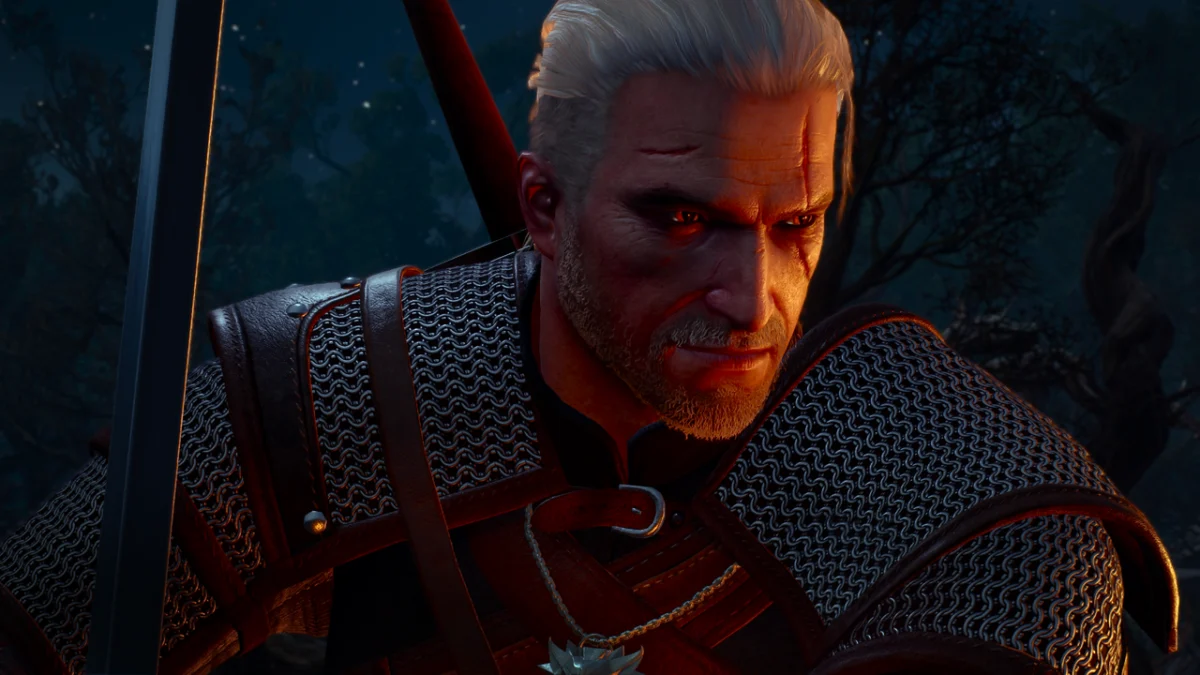
Since its monumental debut in 2015, The Witcher 3: Wild Hunt has occupied a singular space in the gaming pantheon. It is a title frequently debated, analyzed, and cited as a contender for the greatest RPG of all time. Yet, for some—even those who deeply admire the technical prowess and narrative density of CD Projekt Red’s (CDPR) work—the experience hasn’t always felt like a perfect fit. However, as the industry turns its gaze toward the distant horizon of The Witcher 4, expected no earlier than 2028, a new development has emerged that might finally bridge the gap for the skeptics: the upcoming expansion, Songs of the Past.
Unveiled with fanfare at Gamescom 2026, Songs of the Past represents more than just a content drop. It is a technical and mechanical reimagining that arrives alongside a full-scale remaster of the base game.
The Technical Marvel: A Remaster for the Modern Era
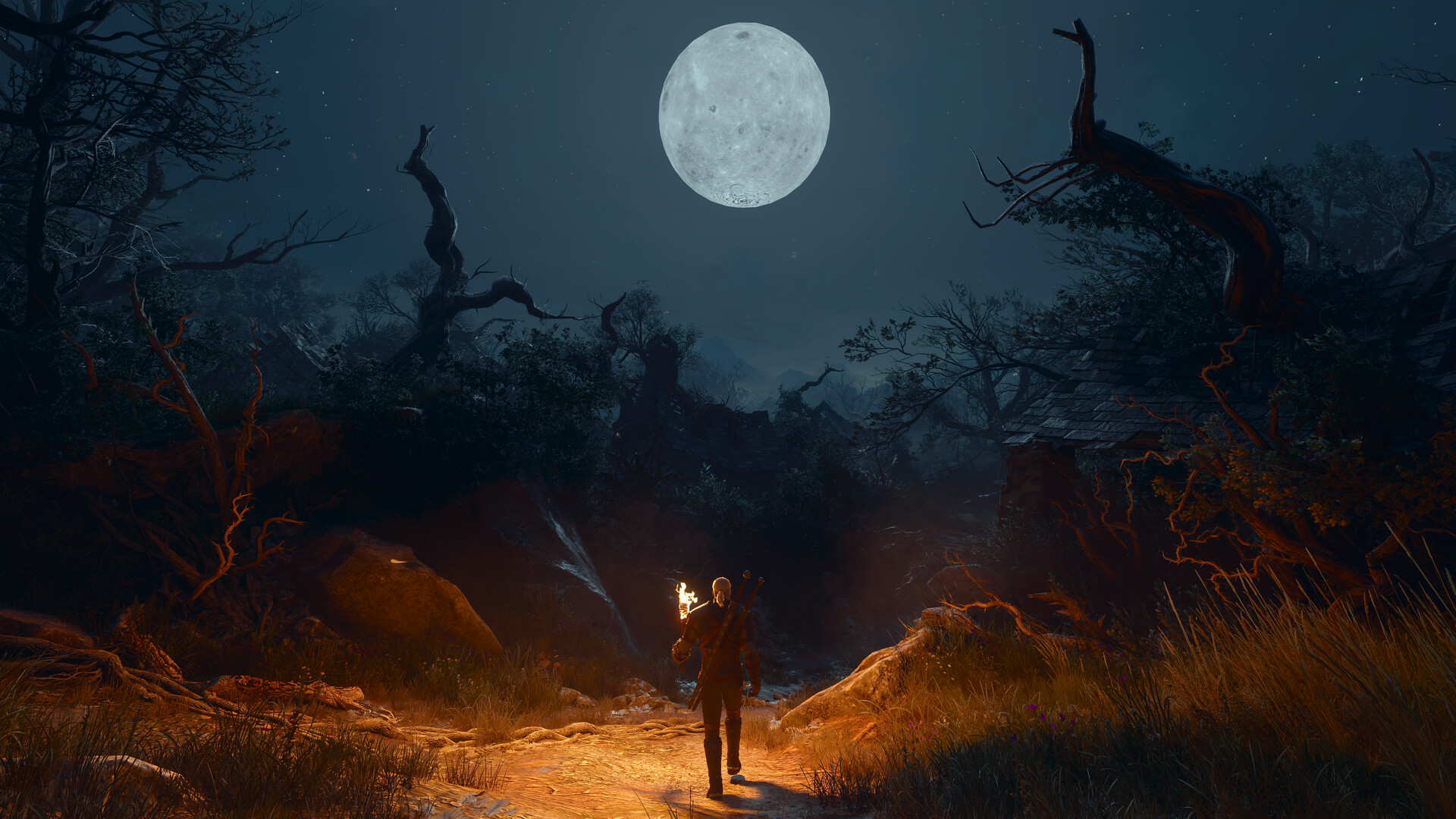
During a live demonstration at Gamescom, observers were treated to a build of the game running on high-end hardware featuring NVIDIA’s latest RTX 50-series GPUs. The visual fidelity was, frankly, jarring for a project rooted in a decade-old codebase. The lighting, environmental textures, and character models have been overhauled to a degree that suggests a modern current-gen title rather than a decade-old legacy project.
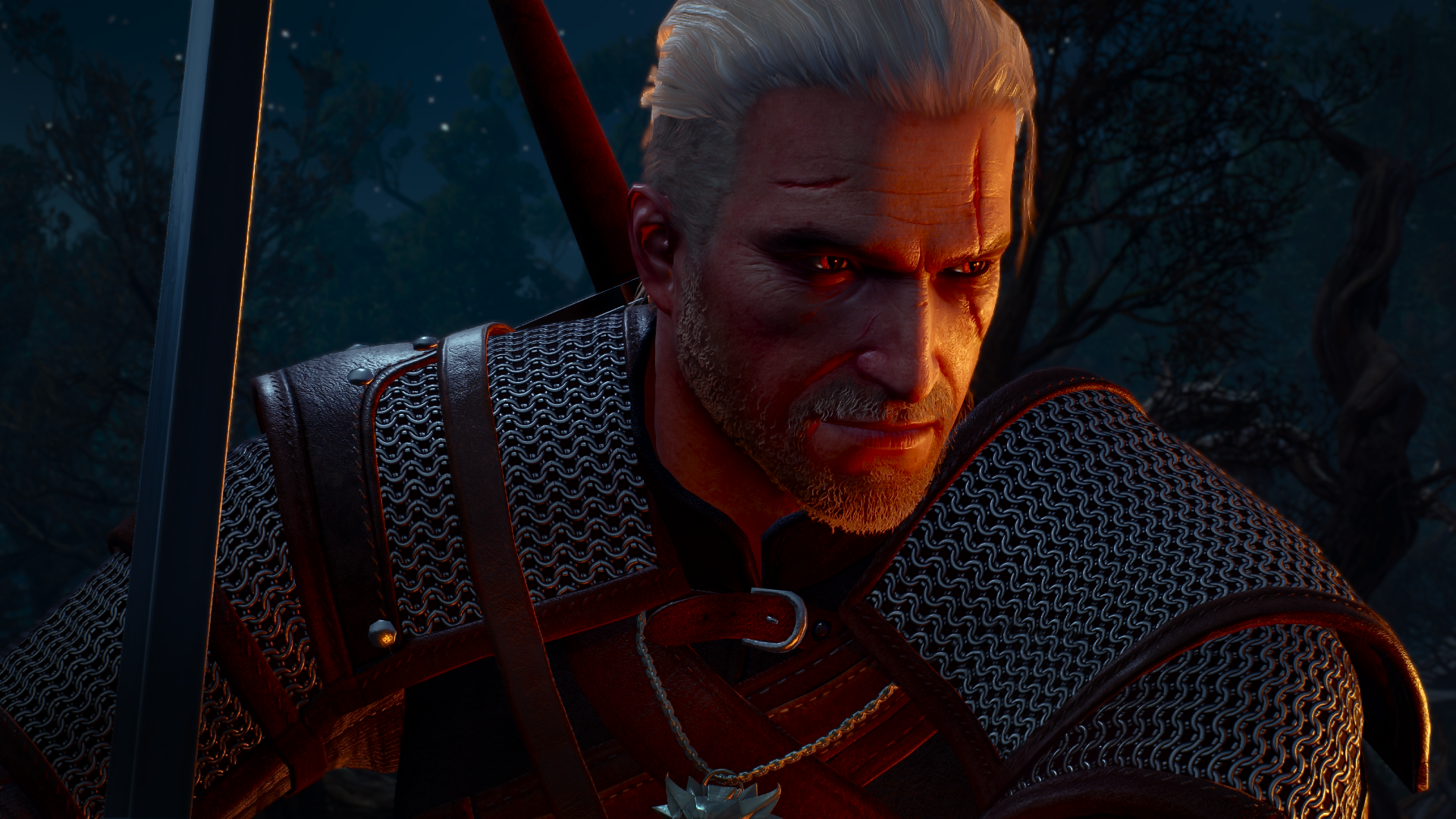
This is not a simple update; it is a full remaster arriving on September 29. For existing owners of The Witcher 3, this remaster—and the accompanying expansion—will be provided free of charge, continuing CD Projekt Red’s tradition of offering extensive post-launch support without hidden costs or aggressive monetization. This approach remains a rarity in an industry increasingly defined by live-service pressure and premium season passes.
A New Frontier: The Region of Letten
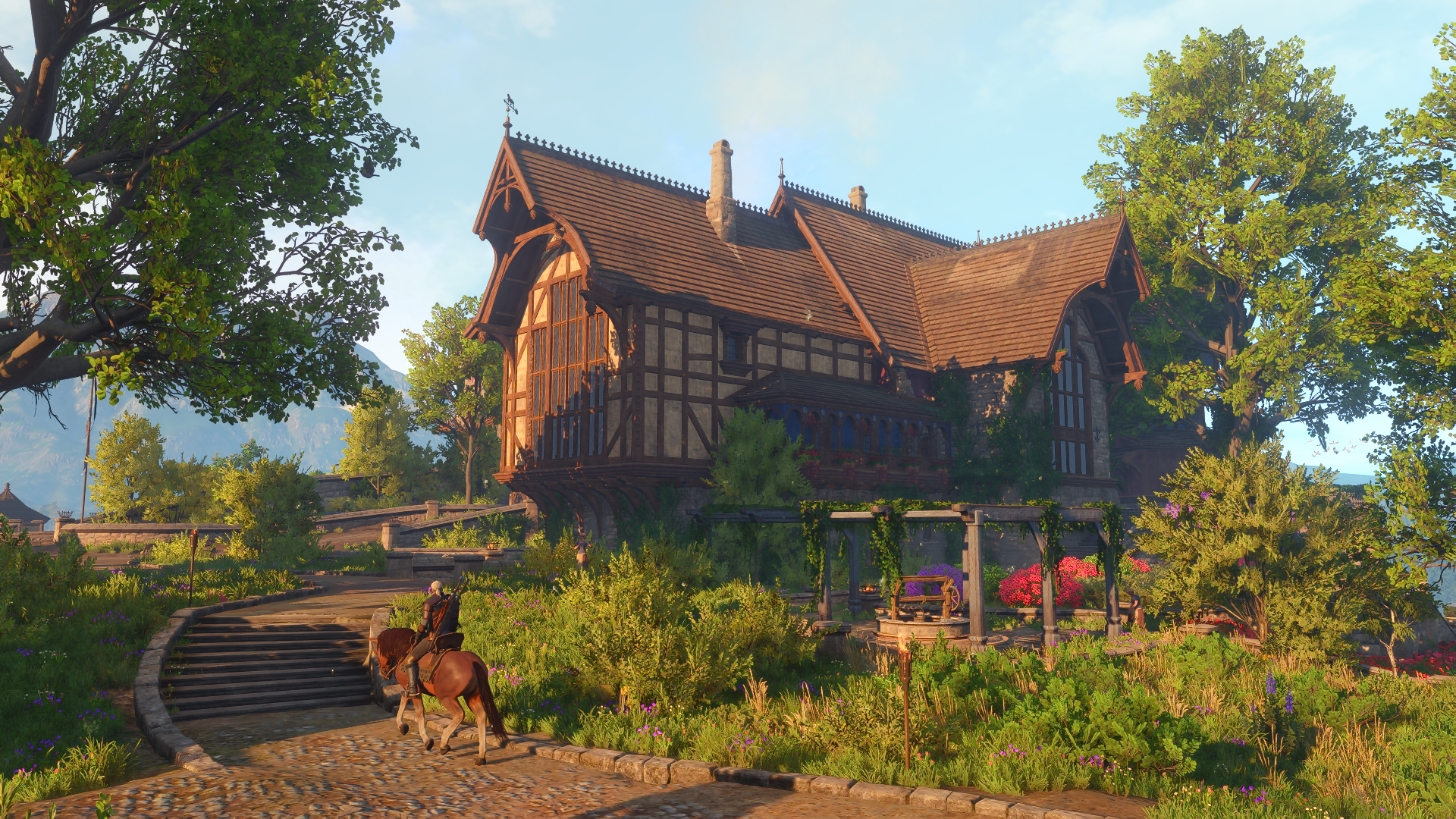
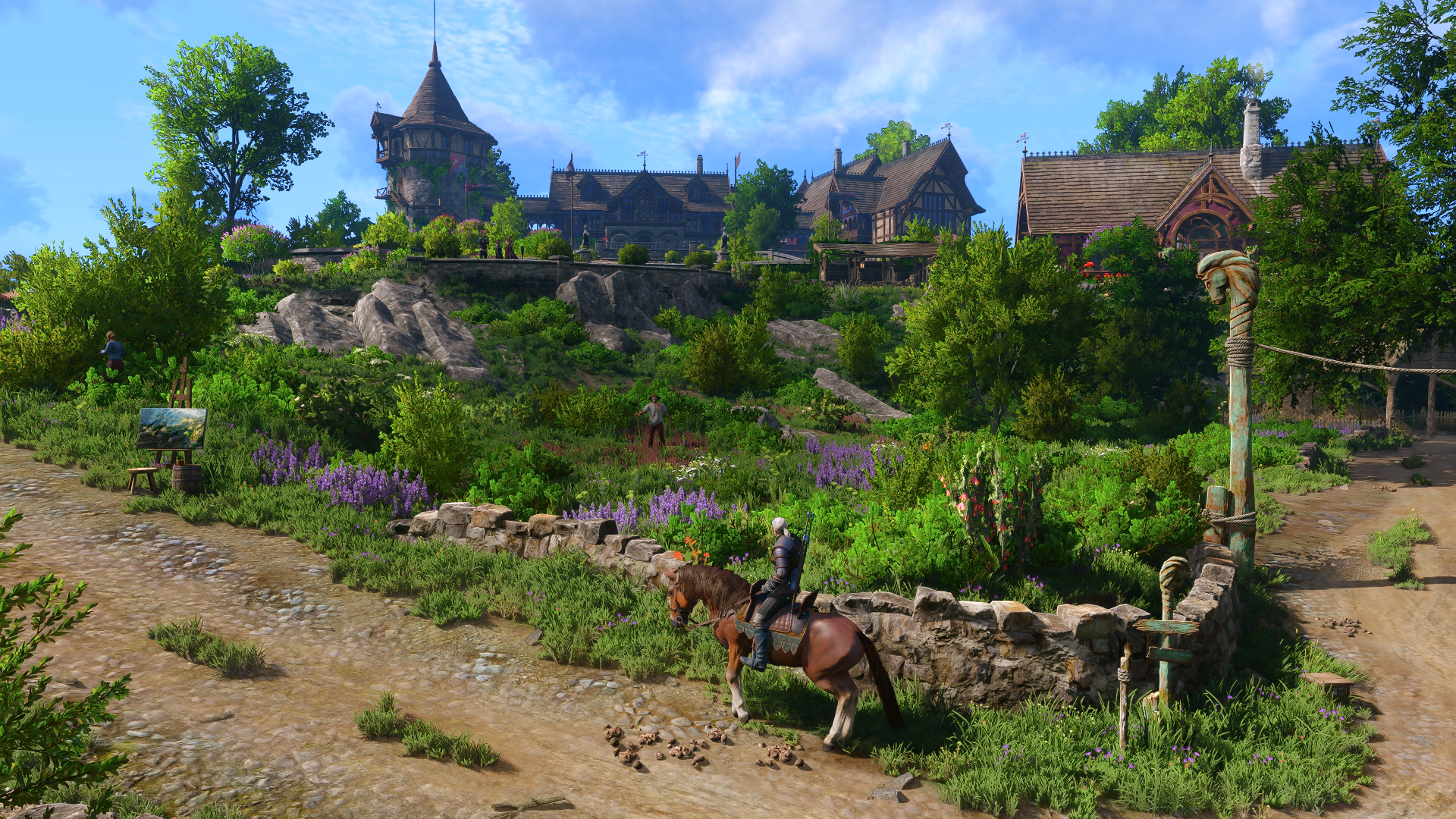
The heart of Songs of the Past lies in the introduction of "Letten," a brand-new region that serves as a stark departure from the grim, war-torn landscapes typical of the Northern Kingdoms. Drawing inspiration from the lush, pastoral landscapes of both the English and Polish countrysides, Letten is designed to be an idyllic, serene getaway.
In the lore of The Witcher, Geralt of Rivia is a man perpetually caught in the friction between his role as a monster slayer and the prejudice of those he protects. Letten, however, acts as a sanctuary. The region is physically isolated from the geopolitical turmoil of The Continent, offering players a rare opportunity to engage with the world of The Witcher in a setting defined by its beauty rather than its decay.
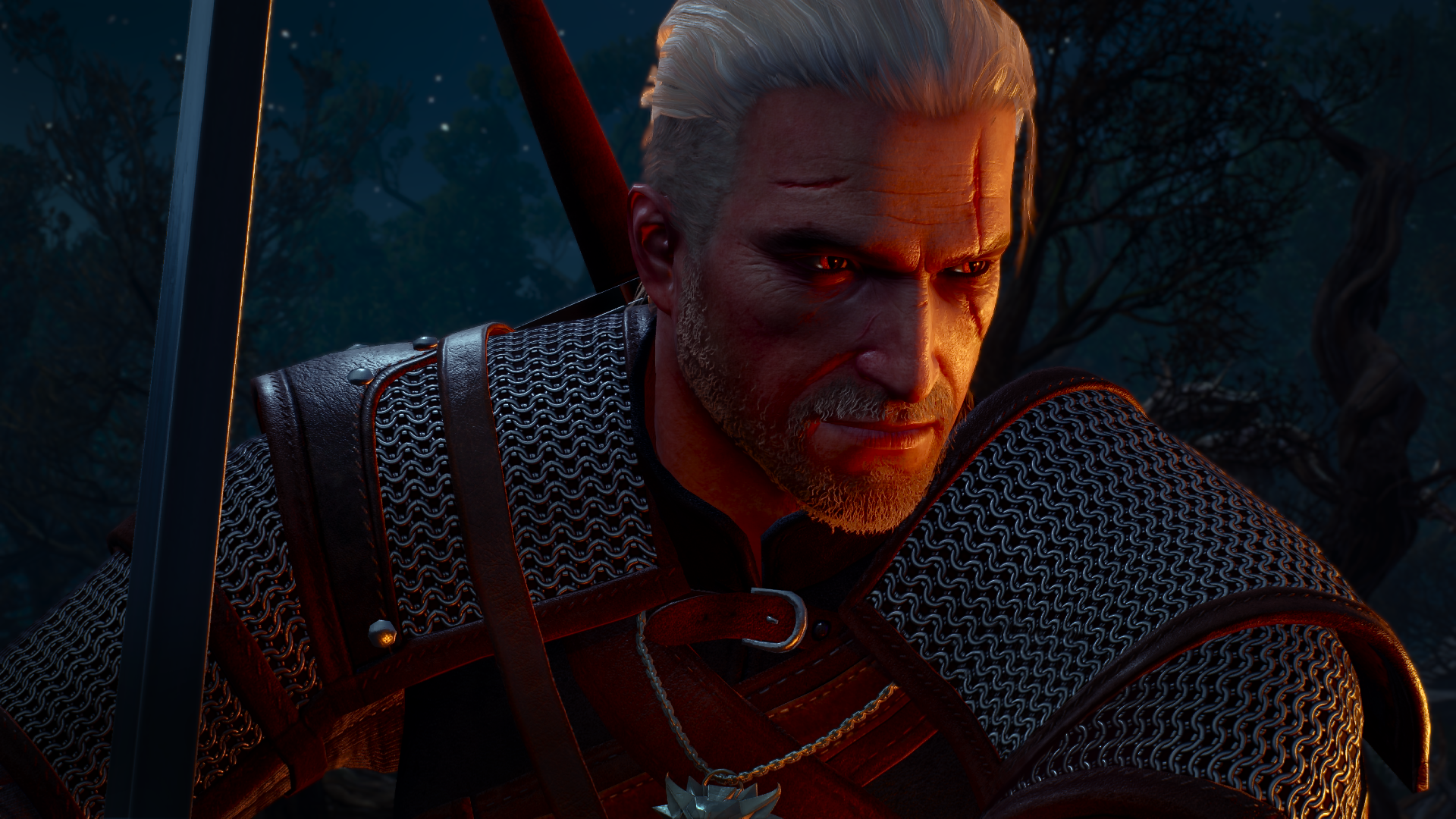
The narrative setup is equally refreshing. The expansion begins in the aftermath of a local festival. Players encounter a version of Geralt who is notably more relaxed, even wearing traditional, cozy attire. This framing device allows the player to experience a moment of respite before the inevitable call of the Witcher’s trade pulls them back into the fray.
Deepening the Narrative: The Dandelion Connection
Central to the mystery of Letten is the sudden disappearance of Jaskier, known to many as Dandelion. Upon arriving at his ancestral home, the player is introduced to his family—the grand matriarch Astrid and his cousins, including Lilla.
The narrative execution here is a masterclass in environmental and character-based storytelling. The tensions within the Dandelion household are not merely explained through expositional dialogue; they are etched into the character animations. Subtle shifts in facial expressions, micro-gestures, and body language during conversations signal years of underlying conflict, forcing the player to navigate a complex social dynamic that feels distinctly "Witcher-esque" without relying on traditional combat-heavy quests.
Combat Reimagined: Addressing the Legacy Grievance
For all its acclaim, The Witcher 3 has always faced one persistent critique: its combat system. Often described as "clunky" or weighed down by long-winded, unresponsive animations, the combat has been the primary barrier for many players trying to engage with the game’s deep systems. Songs of the Past serves as a vehicle to finally rectify these issues.
The Evolution of the Skill Tree
The remaster introduces a fully revamped skill tree, designed to offer granular control over playstyle. Whether the player prefers the agile swordplay of the Cat school, the defensive mastery of the Bear, or the sign-heavy focus of the Griffin, the new menus allow for much faster, more tactical adjustments on the fly.
Introducing the Chain: A New Tactical Tool
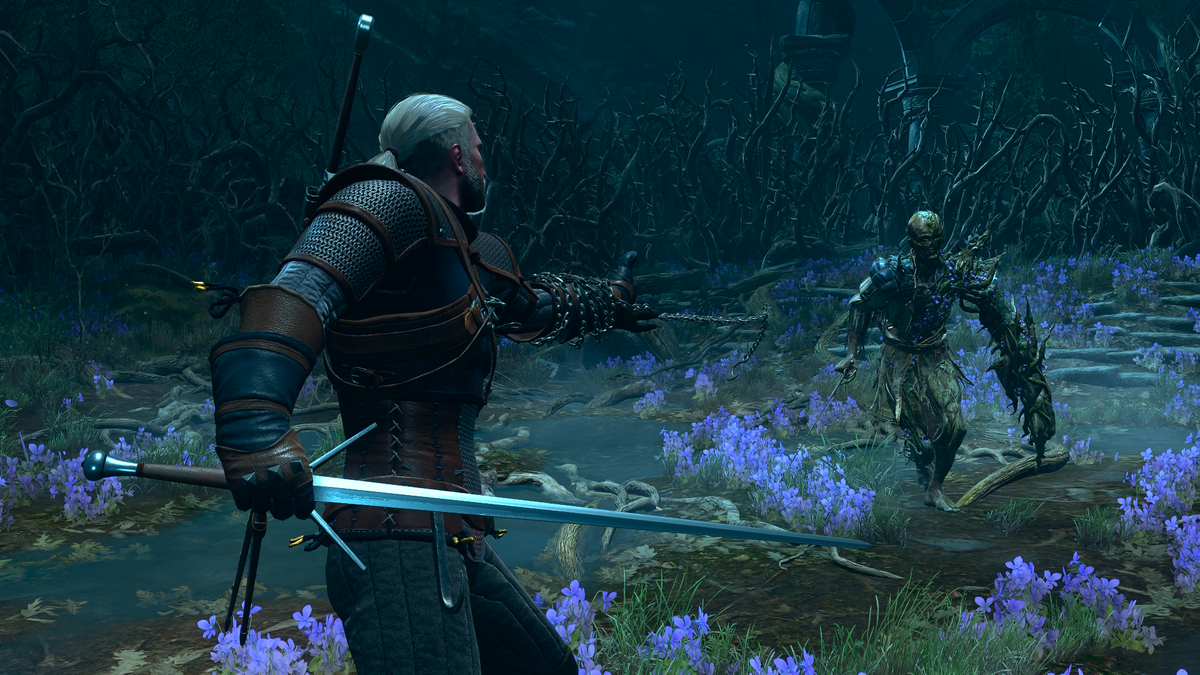
Perhaps the most significant addition is "The Chain," a versatile new weapon tool that fundamentally changes the rhythm of combat. The Chain functions as a crowd-control device, allowing Geralt to pull distant enemies into range or reposition himself during chaotic brawls.
In a standout combat sequence against a new humanoid monster known as the "Swarmion," the utility of the tool was on full display. The developer demonstrated a seamless flow: yanking the creature with the Chain and following up with a swift, clean decapitation using the silver sword. These new animations, combined with updated VFX for signs, create a kinetic energy that was entirely absent in the 2015 original.
Cross-Platform Expectations: The "Impossible" Port 2.0
One of the most surprising revelations during the Gamescom demo was the platform focus. Much of the high-fidelity gameplay footage shown was captured on the upcoming Nintendo Switch 2.
CD Projekt Red appears to be positioning this remaster as a showcase for next-generation portable gaming. For the original "impossible" port of The Witcher 3 on the original Switch, the game was a technical marvel that pushed the hardware to its absolute limit. Now, with the Switch 2, the studio is aiming to provide a parity experience that feels, looks, and plays on par with the higher-spec console versions.
The Broader Implications
The release of Songs of the Past in 2027 serves as a strategic bridge for CD Projekt Red. As the studio shifts its resources toward the next installment of the franchise, this expansion provides a platform to refine their engine, test new combat mechanics, and maintain fan engagement.
Chronology of Developments
- 2015: The original Witcher 3: Wild Hunt launches to critical acclaim.
- 2022: A "Next-Gen" update provides graphical upgrades for modern consoles.
- 2026 (Gamescom): Songs of the Past is unveiled, alongside a full, engine-level remaster.
- September 29 (Year of Release): The remaster launches for PC, PS5, Xbox Series X/S, and Switch 2.
- 2027: Songs of the Past expansion officially releases.
Supporting Data and Community Response
While excitement for the expansion is high, it follows a period of transition for the studio. The recent, somewhat controversial rebranding of the CD Projekt Red logo has served as a point of contention for some long-time fans, sparking debates about the studio’s identity as it moves into its next decade. However, the goodwill generated by the commitment to free upgrades for existing players remains the bedrock of their relationship with the community.
Conclusion: A Fitting Encore
Whether one is a veteran of the White Orchard or a newcomer lured in by the promise of next-gen visuals and a more responsive combat system, Songs of the Past feels like a genuine gift to the fanbase. It is an acknowledgment that while The Witcher 3 is a masterpiece of its time, there is always room to improve, iterate, and refine.
As Geralt of Rivia prepares for this, perhaps his final major adventure in this iteration of the engine, the focus on beauty, family, and refined combat suggests that the "Witcher-pilling" of new audiences is far from over. CD Projekt Red has proven once again that they are not just developers; they are curators of a world that continues to demand our attention, even a decade after the first song was sung.