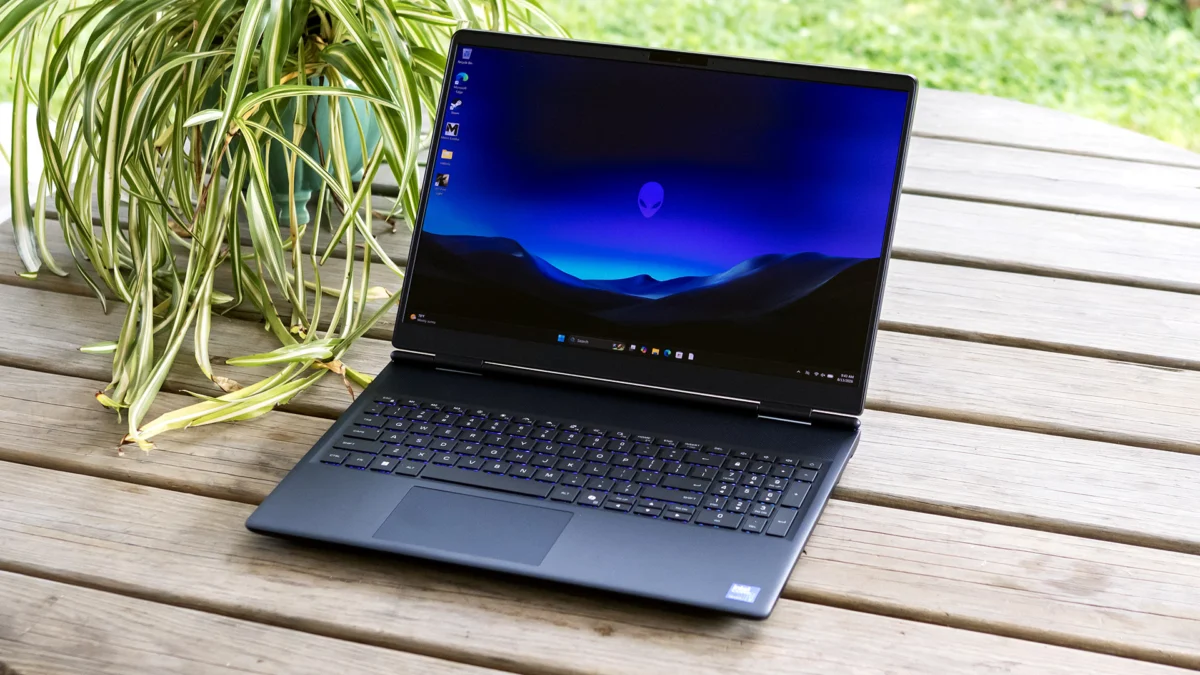
In the high-stakes arena of premium gaming laptops, Alienware has long been synonymous with aggressive, futuristic aesthetics and unapologetic bulk. However, the release of the Alienware 16X Aurora (starting at $1,979.99) signals a definitive pivot in the company’s design philosophy. By embracing "performance-first minimalism," Alienware has delivered a machine that prioritizes clean lines and structural integrity over the RGB-heavy extravagance of its predecessors. But does this shift toward restraint come at the cost of the raw, unbridled power users expect from the brand? After extensive testing, it is clear: the Aurora 16X is a refined, highly capable desktop replacement that anchors itself firmly as a workstation-class gaming machine.
Main Facts: The New Standard for Alienware’s 16-Inch Lineup
The Alienware 16X Aurora is designed for the gamer who values build quality and display fidelity above all else. At its core, the device is powered by Intel’s latest Core Ultra HX-series processors, paired with Nvidia’s formidable RTX 50-series graphics. These components are housed within an "interstellar indigo" chassis that eschews the flashy light strips of the past for a more mature, professional appearance.
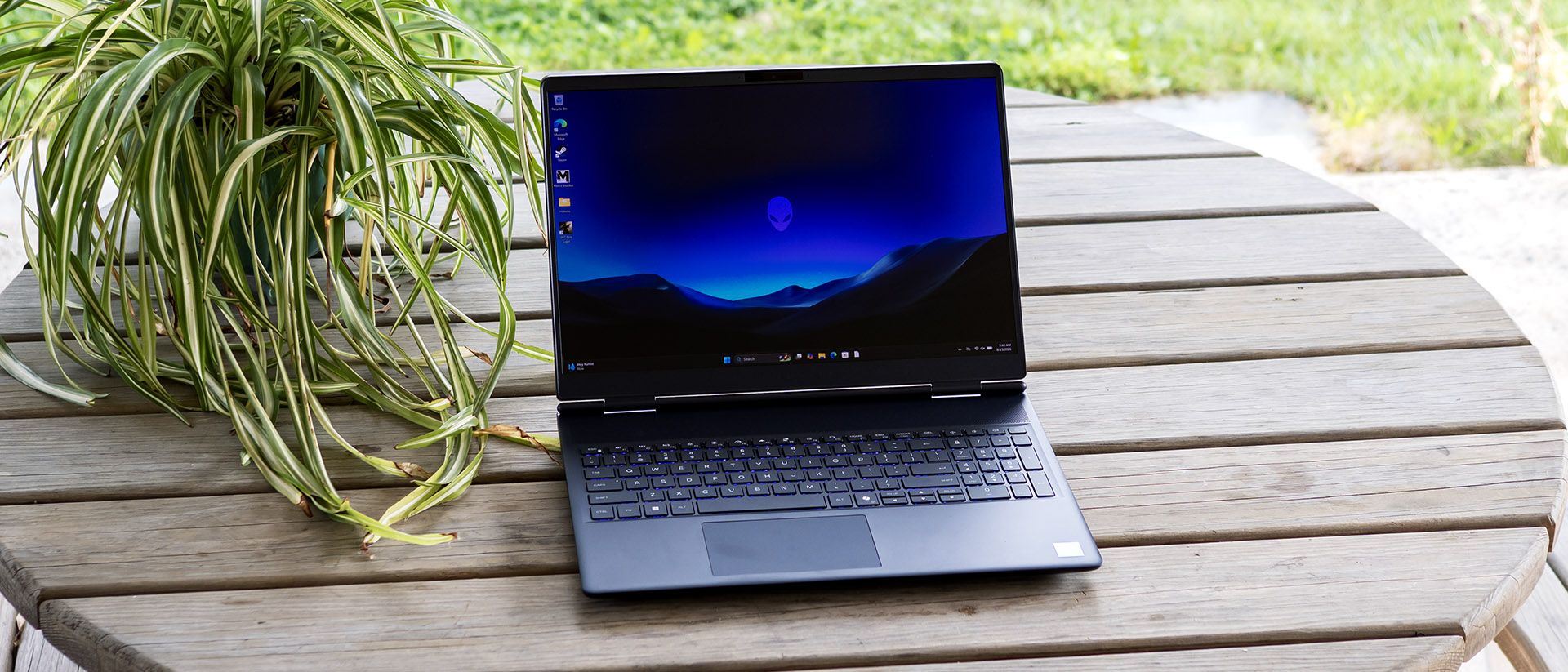
The centerpiece of the experience is undoubtedly the 16-inch OLED panel. Boasting a 2560 x 1600 resolution and a 240 Hz refresh rate, the display is not just a gaming spec—it is a visual experience that redefines what a laptop screen can offer in terms of contrast, color accuracy, and motion clarity. While the laptop excels in performance, its physical footprint—weighing in at 5.66 pounds—and its mediocre battery life confirm its role as a "desk-bound" titan rather than a portable daily driver.
Chronology of Innovation: From Flashy to Functional
For years, the Alienware identity was built on aggressive chassis designs and an abundance of customizable "AlienFX" lighting. The 16X Aurora represents the latest chapter in a long-standing evolution.
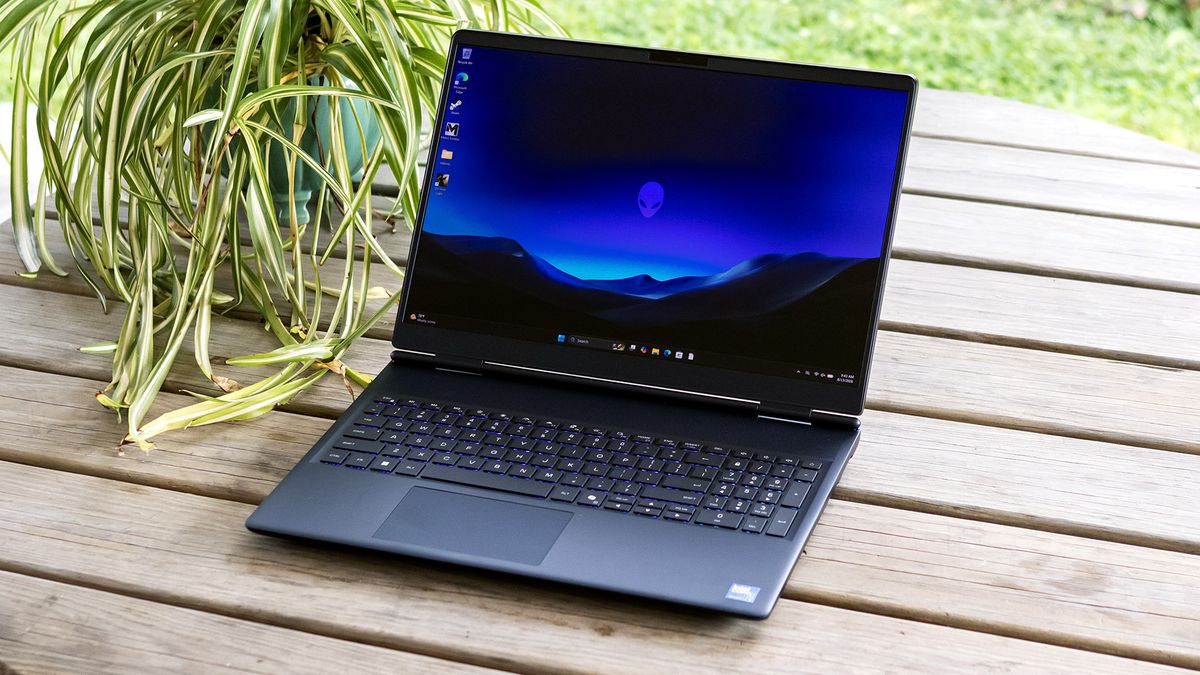
- Design Shift: Moving away from the "Legend" design language that defined the last half-decade, the Aurora 16X opts for a cleaner, flatter, and more subtle aesthetic. The iconic alien head logo on the lid remains, but it is now understated and integrated seamlessly into the chassis.
- Engineering Focus: Alienware shifted the internal architecture to accommodate better airflow for the power-hungry Intel Core Ultra HX CPUs. By prioritizing a magnesium internal frame and aluminum exterior panels, the engineering team has achieved a level of rigidity that feels significantly more premium than many competitors in the sub-$2,000 price bracket.
- Component Integration: With the transition to Wi-Fi 7 and the inclusion of the latest Nvidia RTX 50-series architecture, the 16X Aurora represents the current cutting edge of mobile gaming silicon, balancing thermal efficiency with raw output.
Supporting Data: Benchmarking the Beast
To understand how the Aurora 16X stacks up against the current market, we put it through a gauntlet of synthetic and real-world gaming tests.
Gaming Performance
In our testing, the Aurora proved to be a reliable performer. While it faced stiff competition from lighter units like the Acer Nitro V 16S AI and the Gigabyte Aero X16, the Aurora consistently held its own. In titles such as Shadow of the Tomb Raider and Far Cry 6, the RTX 5060 provided a 20-25% performance lead over its RTX 5050 and 5060-equipped rivals.
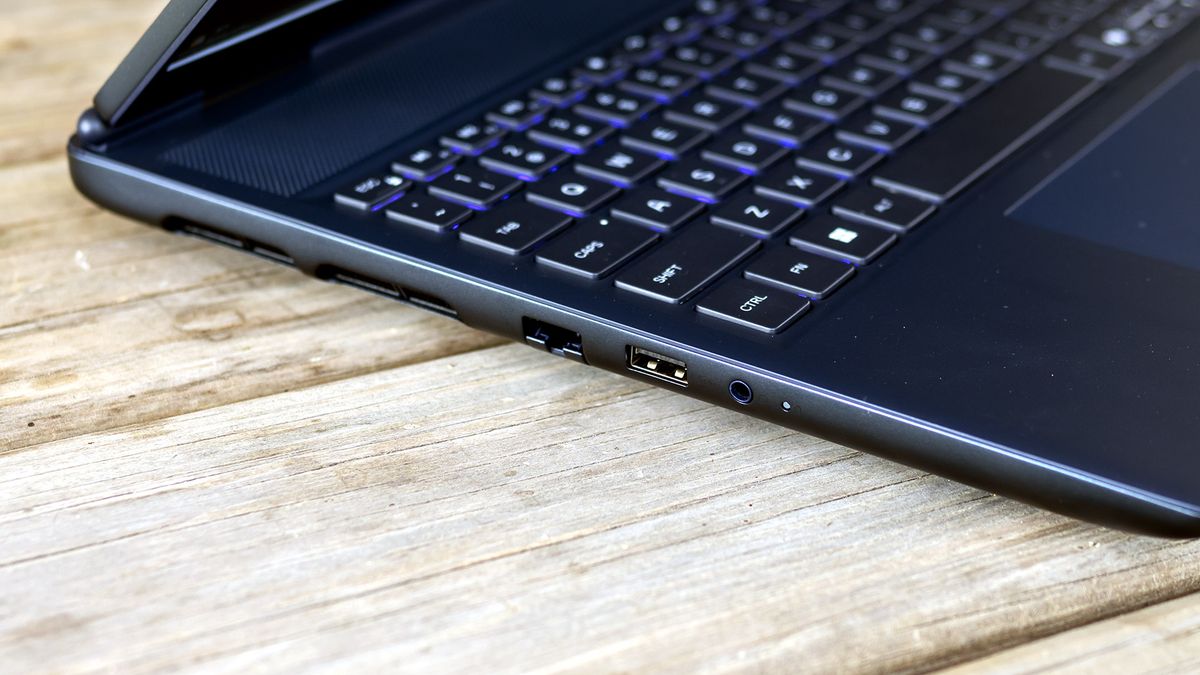
At its native 2560 x 1600 resolution, the laptop handles modern AAA titles with grace, though frame rates in demanding games like Cyberpunk 2077 demonstrate the limits of the hardware. However, the machine’s thermal management remains a highlight. During a 15-loop stress test of Metro Exodus, the internal components maintained steady temperatures, with the Core Ultra 7 270HX averaging 67°C and the GPU holding at 73°C—a testament to the effectiveness of the chassis’s thermal design.
Productivity and Throughput
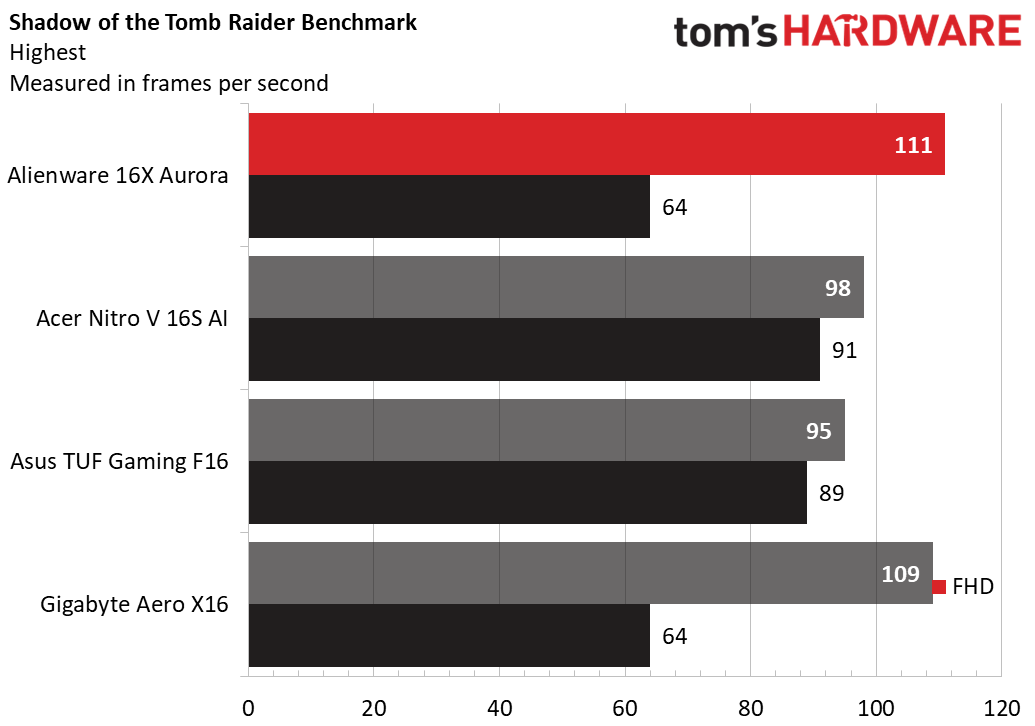
The productivity numbers tell a similar story of dominance. Thanks to the Core Ultra 7 270HX Plus, the Aurora shattered records in Geekbench 6, posting a single-core score of 3,065 and a multi-core score of 17,753. These results effectively widen the gap between the Aurora and competitors like the Asus TUF Gaming F16, proving that this machine is as comfortable in a rendering suite as it is in a game lobby. Furthermore, the 1TB PCIe 4.0 SSD is lightning fast, leading the pack in our 25GB file transfer test with an average speed of 2,358.23 MBps.
Official Perspectives: The User Experience
Alienware’s software suite, the Alienware Command Center, serves as the nervous system of the 16X Aurora. While early versions of this software were often criticized for being bloated, the current iteration is surprisingly streamlined. It allows users to toggle between battery-saving, quiet, balanced, and high-performance power profiles with minimal latency.
One area where the user experience shines is in its upgradeability. Unlike many modern gaming laptops that solder memory to the motherboard, the Aurora 16X remains a tinkerer’s dream. By removing the Philips-head screws on the bottom, users gain access to:
- Two DDR5 SO-DIMM slots for memory expansion.
- Two M.2 2280 drive slots for storage upgrades.
- An M.2 2230 wireless card.
- A user-replaceable 96 Whr battery.
This commitment to longevity is becoming increasingly rare in the laptop industry and is a significant value proposition for long-term ownership.
Implications: Who is the Aurora 16X For?
The implications of the Alienware 16X Aurora’s design are clear: it is a desktop replacement. While the tech industry often pushes the narrative of "thin and light" gaming, the Aurora chooses a different path. It accepts that to provide a premium OLED experience, robust cooling, and high-wattage performance, the machine needs mass.
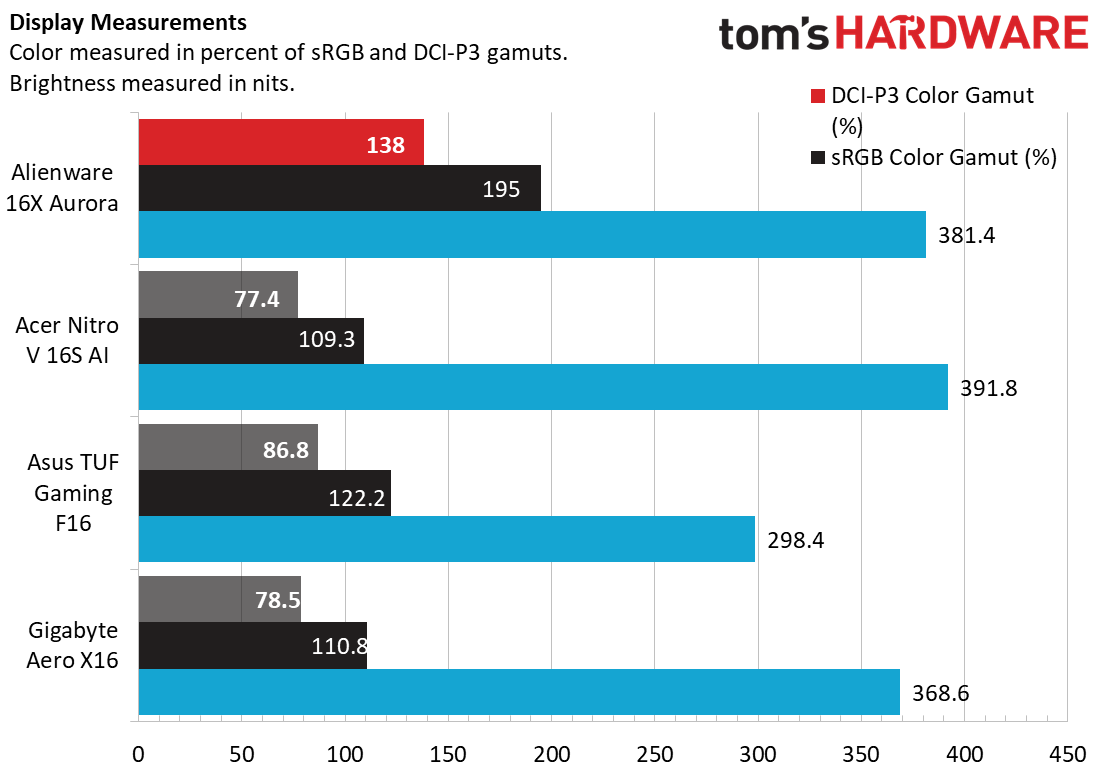
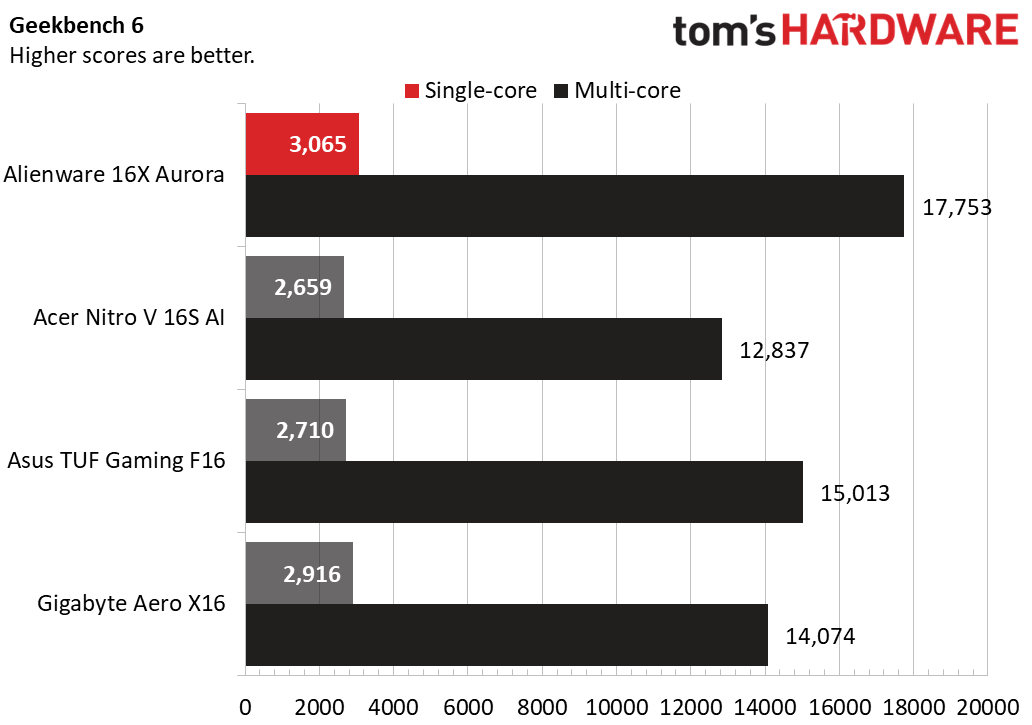
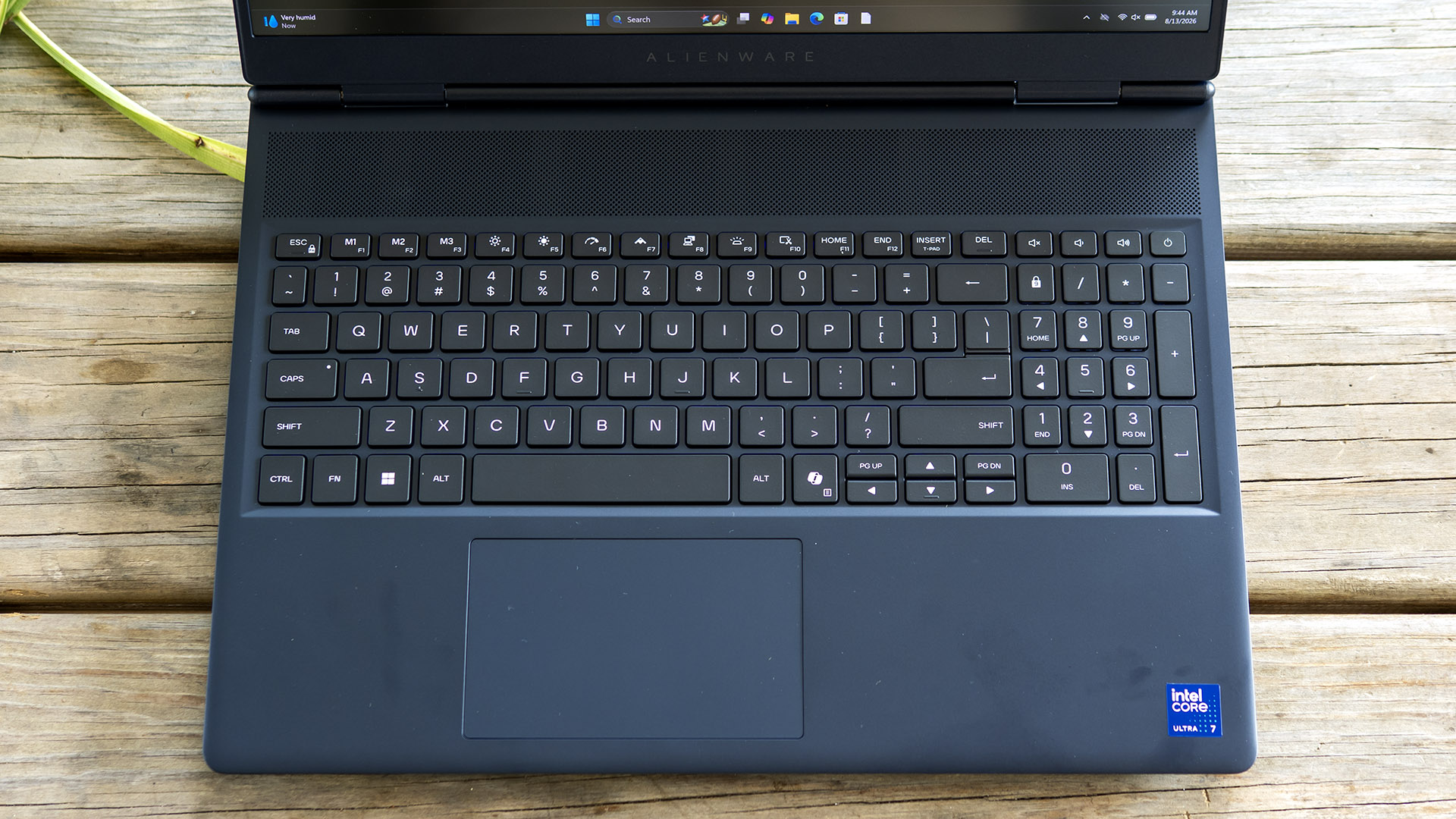
For the remote worker who wants a powerful machine that can handle professional video editing during the day and high-fidelity gaming at night, the 16X Aurora is an ideal candidate. Its keyboard is precise, its port selection—including Thunderbolt 4, HDMI 2.1, and Ethernet—is comprehensive, and the display quality is simply class-leading.
However, if you are a student or a frequent traveler who needs to haul a laptop in a backpack every day, the 5.66-pound weight and the necessity of carrying a 180W power brick might be a dealbreaker. Compared to the Razer Blade 16 or other ultra-portable gaming machines, the Aurora is a stationary companion.
Final Verdict
The Alienware 16X Aurora is a triumphant entry for the company’s new design direction. It is a device that knows what it is: a serious tool for serious performance. By ignoring the trends of excessive RGB lighting and shaving every millimeter of thickness at the expense of cooling, Alienware has created a machine that feels sturdy, reliable, and exceptionally fast.
While it isn’t the most portable option on the market, and its battery life is admittedly middle-of-the-road, these are minor concessions for a laptop that excels in virtually every other metric. If your primary goal is to have a high-performance system that looks at home in a boardroom but dominates in a gaming session, the Alienware 16X Aurora is a top-tier recommendation. It is, quite simply, a well-rounded powerhouse that reminds us why Alienware remains a titan of the gaming industry.
Quick Specs Summary
| Feature | Specification |
|---|---|
| CPU | Intel Core Ultra 7 270HX Plus |
| GPU | Nvidia GeForce RTX 5060 (8GB GDDR7) |
| Memory | 16GB DDR5-5600 (Upgradable) |
| Display | 16-inch, 2560 x 1600 OLED, 240 Hz |
| Weight | 5.66 lbs (2.57 kg) |
| Starting Price | $1,979.99 |