

By Jamie Lang | June 1, 2026
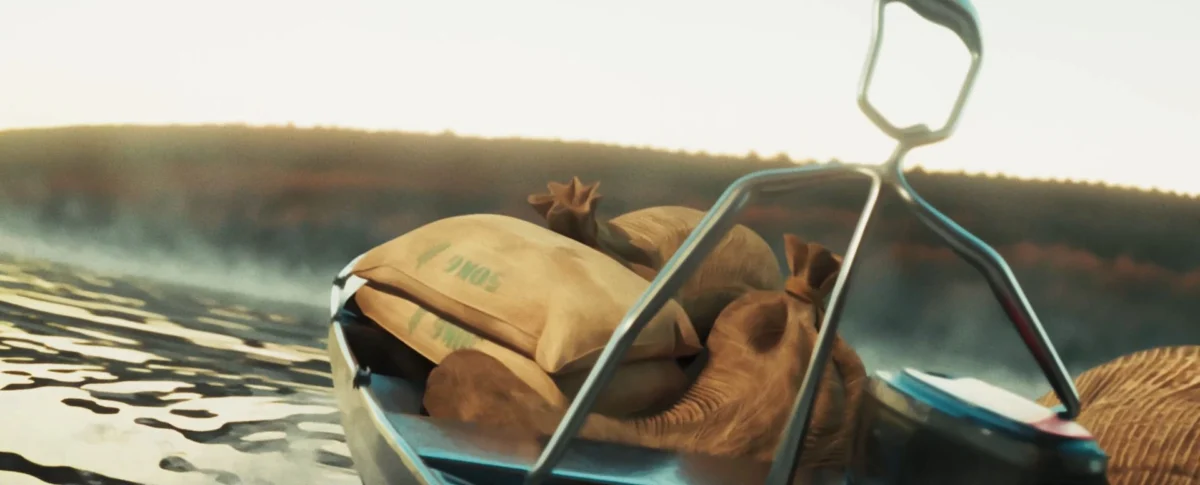
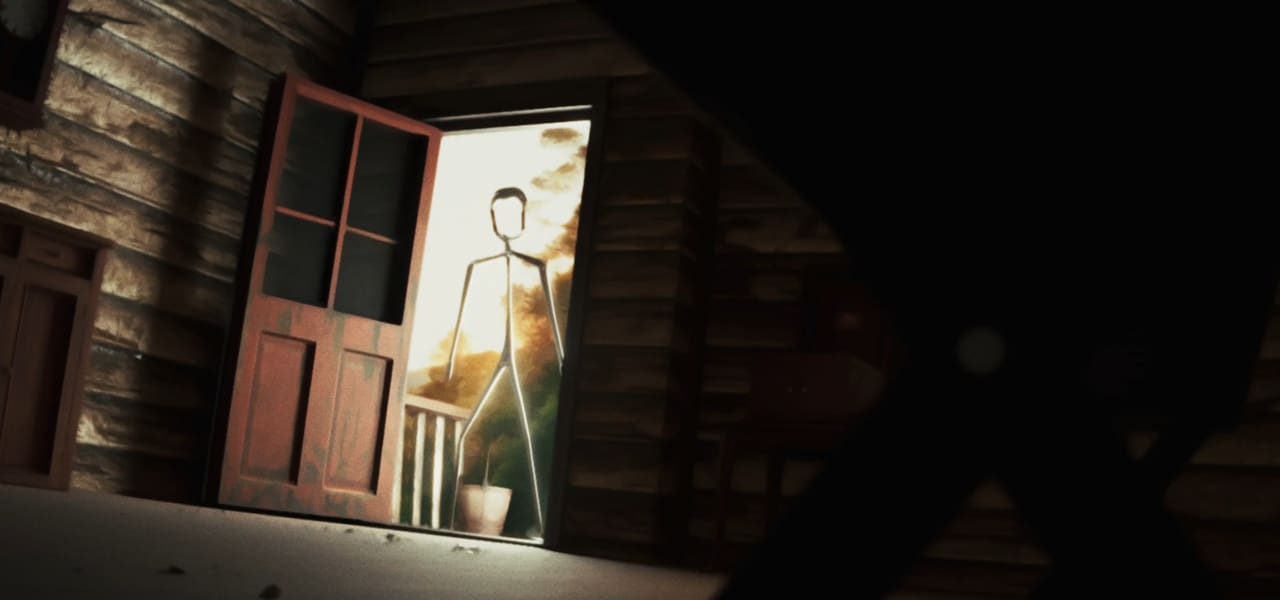
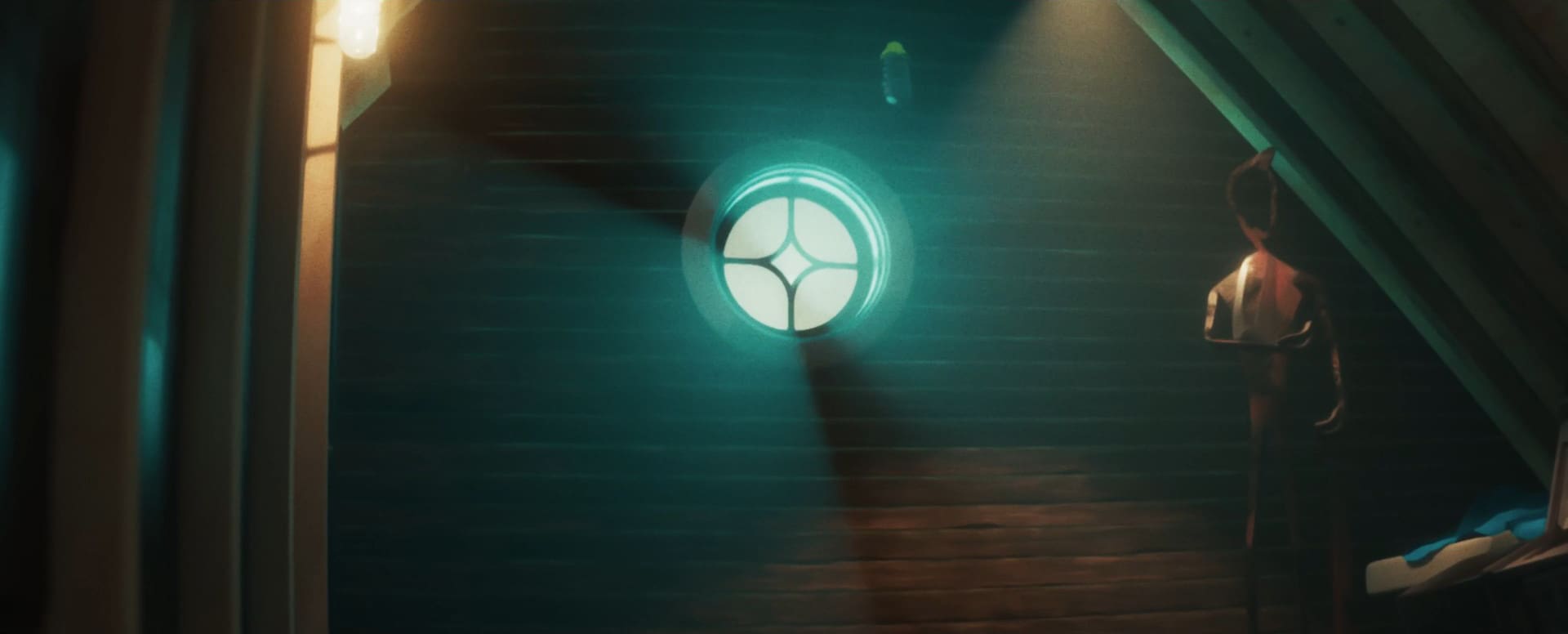
In an era increasingly dominated by generative AI, sprawling cinematic universes, and dialogue-heavy exposition, Spanish filmmaker Juan Carlos Mostaza has chosen a path of radical restraint. This month, he arrives at the 2026 Tribeca Festival with Under the Lake, a 14-minute animated thriller that stands as a testament to the power of pure, visual storytelling. The film, which makes its world premiere in competition, marks a significant evolution in Mostaza’s decade-long exploration of his signature "wire characters"—faceless, metallic humanoids that exist in a world defined by silence, shadows, and the weight of unspoken dread.
The Narrative Core: A Story Without Words
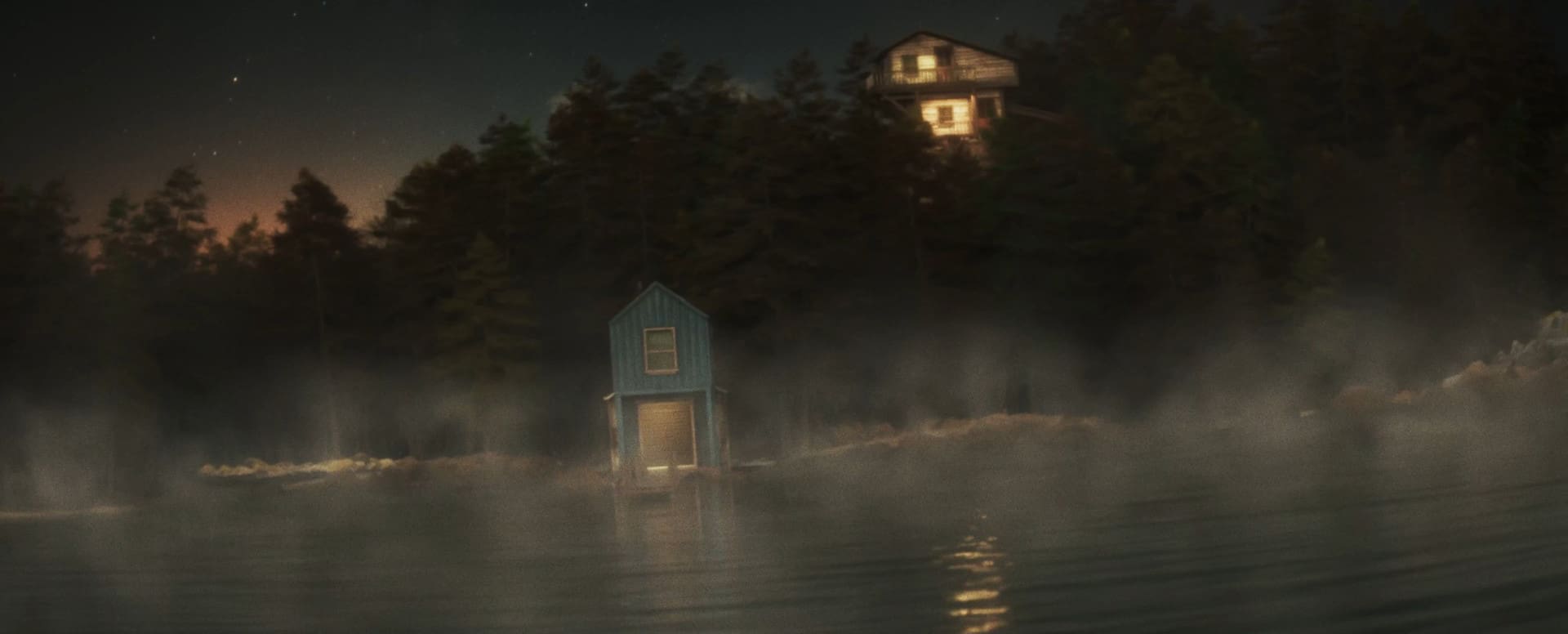
Under the Lake, produced by The Cathedral Media Productions, centers on a father and son living in isolation beside a desolate lake. The narrative catalyst is simple yet profound: the boy rescues an injured stranger who washes ashore, an act of mercy that triggers a series of tense, ominous events.
For those familiar with Mostaza’s body of work, the faceless figures will be recognizable, yet the filmmaker is quick to emphasize that this is not a sequel to his previous works. "I have two previous shorts with these wire characters," Mostaza explains. "One was in 2006, and another, Down to the Wire, was released ten years later. The stories are not connected except for the world of these characters. I keep experimenting with new things, but they always involve crime or something dark, and all of them are without dialogue."
By removing dialogue, Mostaza forces himself to adhere to a rigid artistic discipline. Without facial expressions or spoken words, the emotional labor of the film falls entirely onto the camera’s movement, the characters’ body language, and the environment itself. It is an exercise in pure cinematic grammar.
A Chronology of Artistic Evolution
To understand the trajectory of Under the Lake, one must look at the ten-year cycles that define Mostaza’s relationship with his wire characters. Since 2006, these figures have served as a recurring canvas for his stylistic growth.
- 2006 (The Origin): Mostaza first introduced the wire characters. At this stage, the focus was on establishing the visual identity of these beings—metallic, humanoid, yet devoid of human features.
- 2016 (Down to the Wire): A decade later, he revisited the concept. This iteration focused on refining the "grounded" realism of the world, pushing the technical boundaries of what could be achieved with such abstract designs.
- 2026 (Under the Lake): The current film represents a stylistic departure. Mostaza consciously moved away from the "wire" moniker in the title to signal a shift from the hyper-realism of his past works toward a more ethereal, illustrative aesthetic.
"I wanted this one to feel separate from the others," Mostaza notes. "The previous films searched for total realism. This one is still realistic, but it has something more like an illustration. The use of light is different. I didn’t want it to feel like a spin-off. I wanted it to stand apart."
Technical Limitations as Creative Fuel
One of the most striking aspects of Under the Lake is the production methodology. In a climate where major studios are investing millions into cloud computing and massive render farms, Mostaza took the opposite approach. He wrote, directed, produced, edited, animated, and designed the film entirely on a single laptop. Furthermore, he explicitly avoided the use of generative AI, opting instead for a manual, labor-intensive process.
"I always set another technical limitation," the director explains. "I have to do the visual side on one computer only. This time it was a laptop. These are limitations I impose on myself because I work better when I’m limited."
This self-imposed restriction is not merely a gimmick; it is the cornerstone of his creative philosophy. Mostaza, who balances his time as a VFX supervisor and educator, treats animation as a control mechanism. "I started in animation because I wanted to make live-action films but control absolutely everything," he says with a laugh.
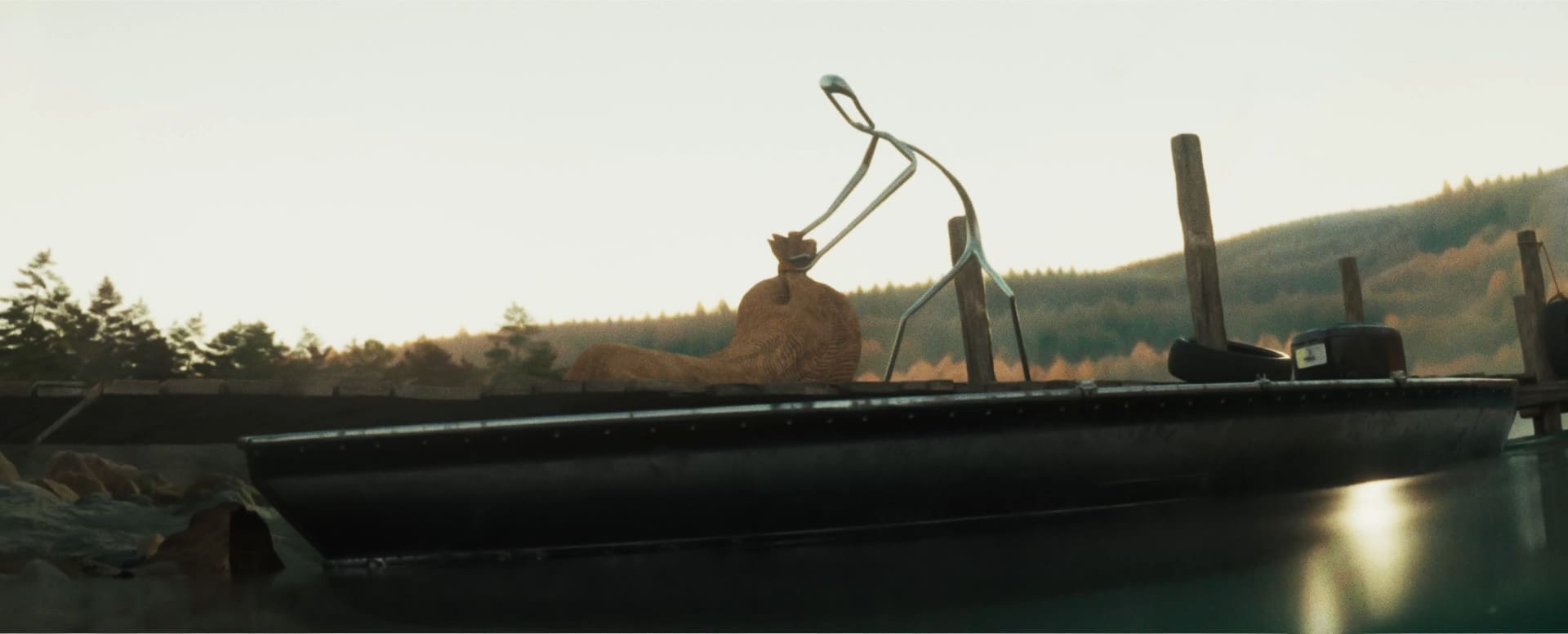
The film is presented in a sweeping Cinemascope aspect ratio, utilizing simulated real-world lenses that include optical imperfections and texture. By mimicking the flaws of physical film, Mostaza bridges the gap between digital animation and the tactile grit of live-action cinema.
The Sound of Silence: Constructing the Atmosphere
If the visual language of Under the Lake is minimalist, its soundscape is maximalist. Because the characters cannot speak, the environment must convey the narrative’s tension. Sound designer Pablo Vega was tasked with creating a "dense" track where the water—a central thematic and visual element—acts as a character in its own right.
"I wanted the water to feel extremely present, much louder than in a normal film," Mostaza says. "Because nobody speaks, the soundscape became very difficult. We had to invent little details constantly: birds, wind, metallic movements, just to create richness."
The attention to detail extended to the wire characters themselves. Vega crafted specific metallic Foley effects for their movements, giving the characters a physical presence that suggests weight and friction. This was complemented by the score from composer Amy Fajardo, who was tasked with blending the "Western" spirit of the narrative with the psychological tension found in the works of Bernard Herrmann.
"I told her to make it sound American with guitar textures, but also like Bernard Herrmann composing for Hitchcock," Mostaza recalls. "The story is very western in spirit."
Cinematic Influences and Philosophical Underpinnings
Mostaza makes no secret of his reverence for the masters of American cinema. His influences are a "who’s who" of suspense and narrative precision: Steven Spielberg, David Fincher, Martin Scorsese, and the Coen brothers. He cites No Country for Old Men as the primary atmospheric touchstone for Under the Lake.
"For me, Spielberg is one of the great references," says Mostaza. "What I love about Spielberg’s films is that you can watch them without sound and still understand everything because the camera tells the story."
This philosophy defines his approach to the medium. He rejects the label of "experimental" for his work, arguing that his shorts are strictly narrative. "Everything is based on cinematic narration," he asserts. "The idea is that you completely forget you are watching animation."
Implications for the Future of Independent Animation
Under the Lake arrives at a pivotal moment for independent animation. As the industry grapples with the ethical and creative implications of artificial intelligence, Mostaza’s film serves as a reminder of the power of the singular human vision. By completing the film in just five to six months of continuous work—a feat he attributes to the evolution of modern software tools—he demonstrates that high-quality, author-driven animation does not require a massive infrastructure.
Furthermore, his success highlights the growing viability of the "laptop filmmaker." By treating the computer as a tool for personal expression rather than a machine for automation, Mostaza provides a roadmap for emerging animators looking to maintain creative control in a high-pressure industry.
Conclusion: A Journey Back to the Roots
For Juan Carlos Mostaza, the world premiere at the Tribeca Festival is more than a professional milestone. It is a homecoming of sorts. His work is so deeply informed by the language of American cinema that bringing Under the Lake to New York feels like a closing of the circle.
"Being at Tribeca is much more than a professional achievement," he said in the film’s press materials. "In a way, it connects me back to the origins of my passion for movies, deeply shaped by American filmmaking."
As audiences gather for the premiere on June 6, they will be met with a film that refuses to explain itself, relying instead on the cold, metallic heartbeat of its wire characters and the relentless, lapping sound of the lake. It is a bold, uncompromising vision—a testament to what can be achieved when a filmmaker chooses to say everything by saying nothing at all.
Under the Lake will be screened at the Tribeca Festival on June 6, with an encore screening scheduled for June 13.









No comments yet. Be the first to join the conversation!