

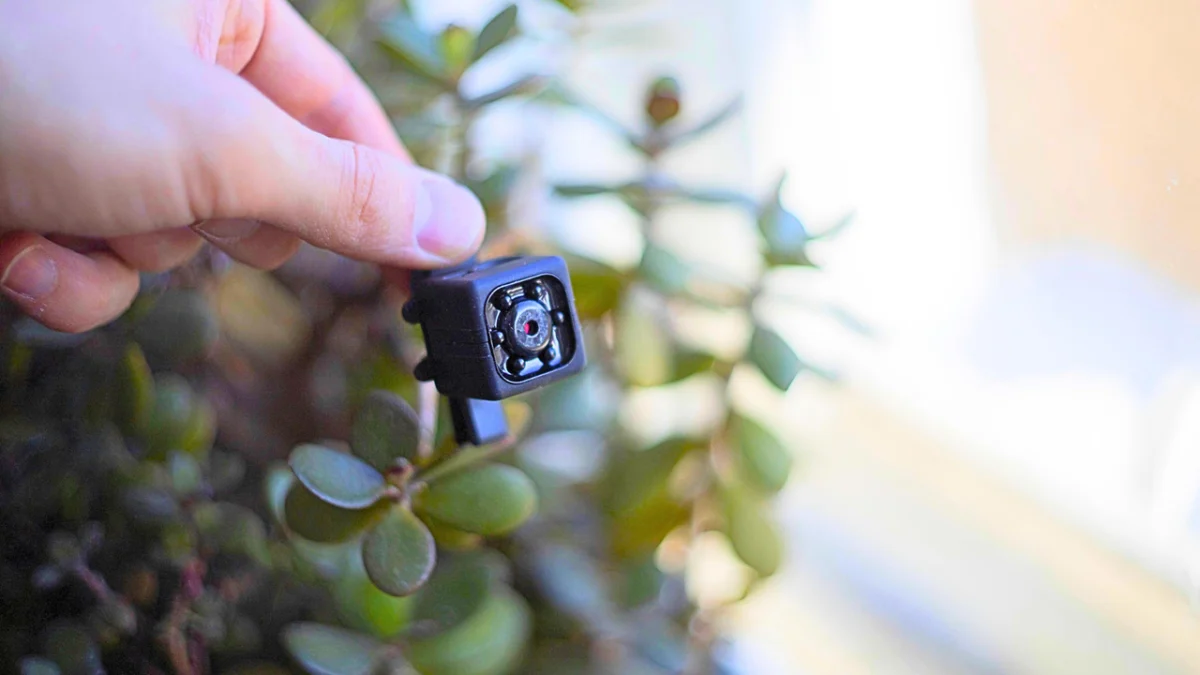
The sanctity of private spaces—hotel rooms, rental apartments, and public changing facilities—has been increasingly undermined by the proliferation of miniature, often undetectable, surveillance devices. For years, the battle against "spy cams" has been an asymmetric one, with perpetrators hiding high-definition lenses in everyday objects while victims relied on antiquated, manual detection methods. However, a breakthrough from a collaborative team of researchers in South Korea and Singapore may finally tip the scales back in favor of the individual.
A research coalition led by Professor Han Jun of the Korea Advanced Institute of Science and Technology (KAIST), in partnership with the National University of Singapore (NUS) and Singapore Management University (SMU), has unveiled "SweepLED." This novel technology, which combines a low-cost, magnetically attached LED grid with a sophisticated AI-driven smartphone application, promises to revolutionize how individuals secure their private environments.
The Mechanics of Detection: How SweepLED Works
At the heart of the SweepLED system is a fundamental principle of optics: the unique way light interacts with the specific geometry of a camera lens. Most hidden cameras, regardless of how cleverly they are disguised, share a common architecture consisting of a lens, an aperture, and an image sensor. These components create a distinctive reflection pattern when exposed to specific, moving light sources.
The SweepLED hardware is remarkably modest—a grid of LED lights that attaches magnetically to the back of a user’s smartphone. The cost of manufacturing this grid is estimated at approximately $7 (roughly KRW 10,000), making it an incredibly accessible tool for the average consumer.
The innovation lies in the system’s dynamic approach. The LED grid does not simply emit a static beam; it modulates the light, causing the reflections on various surfaces to shift, flicker, or disappear in a controlled sequence. Because a camera lens is a complex optical structure, it reflects light in a way that is vastly different from the reflections produced by a flat mirror, a piece of plastic, or a wall. The accompanying AI application, running on the smartphone, analyzes the video feed in real-time. It identifies these specific, high-contrast reflection patterns that are characteristic of optical lenses, effectively filtering out the "noise" of ordinary surfaces.
A Chronology of the Crisis and Innovation
The development of SweepLED arrives at a critical juncture in the global discourse on privacy. The timeline of this issue reflects a growing technological divide between those who use devices for illicit surveillance and the public’s ability to defend against them.
- 2018: The Catalyst. In South Korea, the societal impact of illicit filming (often referred to as "molka") reached a breaking point. Massive, widespread protests erupted, highlighting a systemic failure to protect individuals—primarily women—from the violation of being recorded without consent in private spaces. This movement brought global attention to the pervasiveness of hidden cameras.
- 2021–2024: The Tech Gap. As technology became cheaper and smaller, the prevalence of hidden cameras in short-term rentals and public restrooms spiked. Consumers turned to "hacks," such as using smartphone flashlights to look for lens glints or downloading basic reflection-analysis apps. However, these methods proved notoriously unreliable, often missing well-hidden devices or triggering false positives that caused undue anxiety.
- 2025: The Research Phase. Recognizing the limitations of manual detection, the team at KAIST began exploring how machine learning could augment human effort. By training neural networks on the specific optical signatures of various hidden camera lenses, they sought to create a system that could differentiate between a harmless shiny object and a recording device.
- 2026: The Breakthrough. Following rigorous real-world testing, the researchers successfully demonstrated that the SweepLED system achieved a 93.9% accuracy rate across 30 different testing scenarios. The study, which was presented in academic circles, signaled a shift from reactive, manual troubleshooting to proactive, AI-assisted security.
Supporting Data: Why AI Outperforms the Human Eye
Traditional methods of camera detection are fundamentally flawed. Shining a flashlight into a room and hoping to catch a "glint" requires patience, excellent eyesight, and a significant amount of luck. Furthermore, many modern hidden cameras are coated with anti-reflective materials or placed behind dark glass, making them invisible to the naked eye.
The SweepLED study provides a compelling data-driven argument for the transition to automated detection:
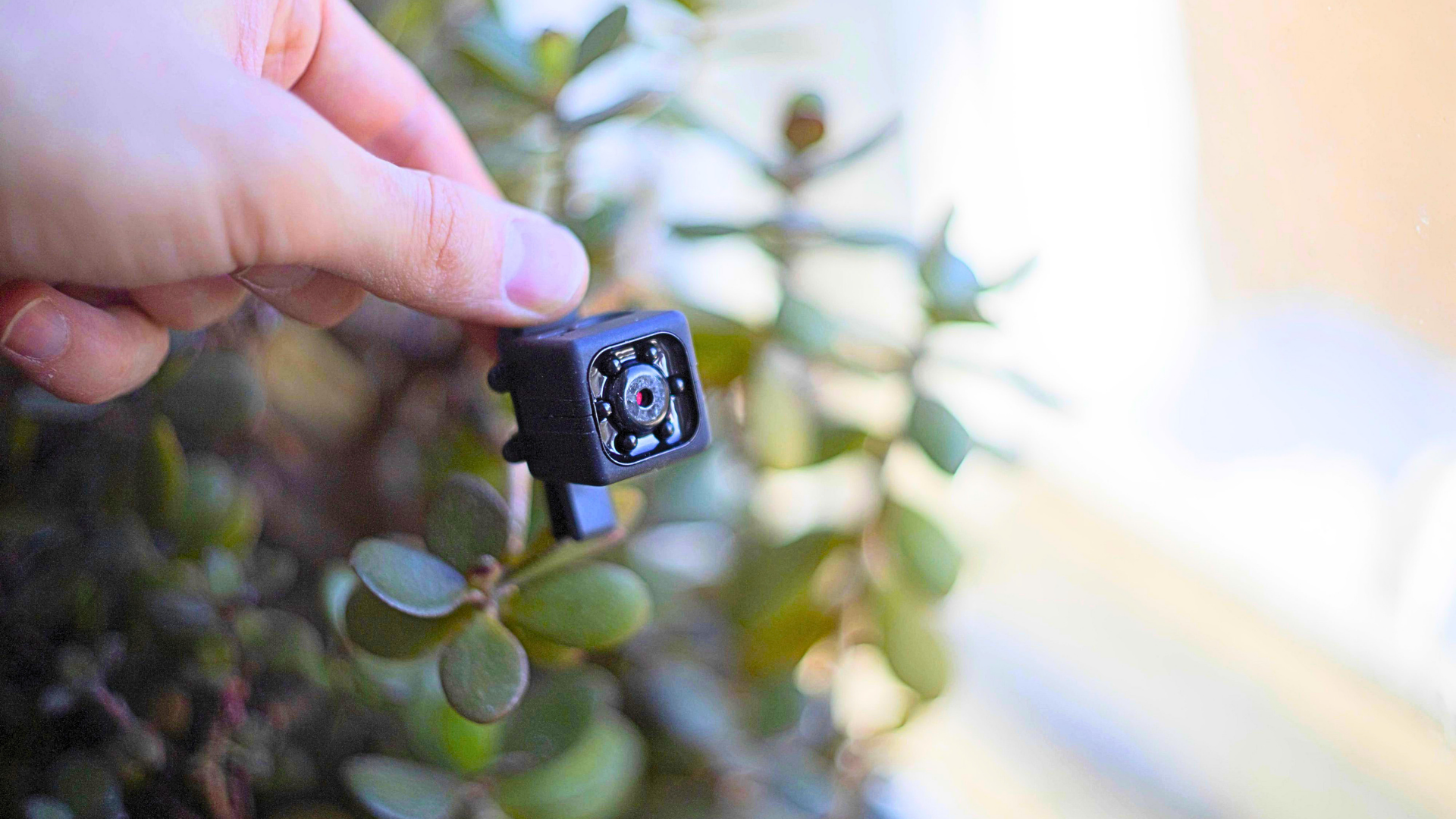
- High Detection Rate: With a 93.9% success rate, the system significantly reduces the "miss rate" associated with human error. The researchers utilized a diverse set of testing environments to ensure that the system could distinguish lenses from other reflective surfaces like mirrors, metal fixtures, and screens.
- Efficiency: Manual scanning can take upwards of 30 minutes for a single room, and it is prone to the psychological fatigue of the user. SweepLED automates the process, allowing for a thorough scan of a room in a fraction of the time.
- Low Cost, High Accessibility: By keeping the hardware cost at $7, the researchers have ensured that this technology is not merely a high-end enterprise solution but a consumer-grade peripheral that can be mass-produced and integrated into the everyday "travel kit" of the modern individual.
The Broader Implications: A World Under Surveillance
While SweepLED offers a robust defense against localized, hidden voyeuristic cameras, it exists within a larger, more complex landscape of privacy erosion. The developers themselves acknowledge that this tool is not a panacea for the total collapse of privacy in the digital age.
The Problem of Unsecured Infrastructure
The researchers highlighted a disconcerting statistic: there are over 40,000 security cameras globally that are currently streaming footage to the public internet without any form of password protection or encryption. These are not hidden spy cams; they are legitimate security cameras that have been improperly configured. SweepLED cannot detect or secure these devices, as they are part of the network infrastructure rather than clandestine hardware.
The Rise of Wearable Tech
Beyond fixed hidden cameras, the proliferation of "smart glasses" and other wearable devices that can record high-definition video without a visible shutter or recording light presents a new, largely unregulated frontier. The social contract of being in public is shifting; the expectation of anonymity is increasingly difficult to maintain when any passerby could be recording.
Official Responses and Institutional Banning
The concerns surrounding clandestine recording are not limited to private citizens. Institutional awareness has reached the highest levels of government and military policy. The U.S. Air Force, for instance, has implemented strict bans on the use of smart glasses and other recording-capable wearable tech across its bases. This policy reflects a growing consensus that the mere presence of these devices, regardless of intent, represents a significant security vulnerability that can lead to the accidental or malicious exposure of sensitive information.
Conclusion: The Path Forward
The SweepLED project is a landmark in personal cybersecurity. By leveraging AI, it addresses a genuine, pervasive human anxiety with a practical, low-cost engineering solution. It proves that the most effective way to combat the misuse of technology is often to apply better, more intelligent technology to the problem.
However, the 93.9% success rate of SweepLED should not encourage complacency. As cameras continue to shrink and become more integrated into the fabric of our physical world, the burden of privacy will continue to shift toward the individual. While tools like SweepLED provide a necessary shield for our most intimate spaces, they are ultimately one component in a much larger, ongoing battle for the right to be unobserved in a hyper-connected, hyper-monitored world.
For travelers and individuals concerned about their privacy, the emergence of this technology is a welcome development. It represents a move away from the "hope for the best" approach to privacy and toward a scientific, data-backed standard of personal security. Whether or not this technology will be adopted by mainstream manufacturers remains to be seen, but its potential to protect millions of people from surreptitious filming is, at the very least, a significant victory for digital and personal rights.











