The power supply unit (PSU) is often referred to as the "heart" of a computer. It is the critical bridge between the raw, chaotic energy of the electrical grid and the delicate, high-precision components that allow your PC to function. When a PSU fails, the consequences are rarely subtle—but a recent incident captured on CCTV in Vietnam has shocked the enthusiast community, serving as a visceral reminder of why choosing a quality power supply is the most important decision a system builder can make.
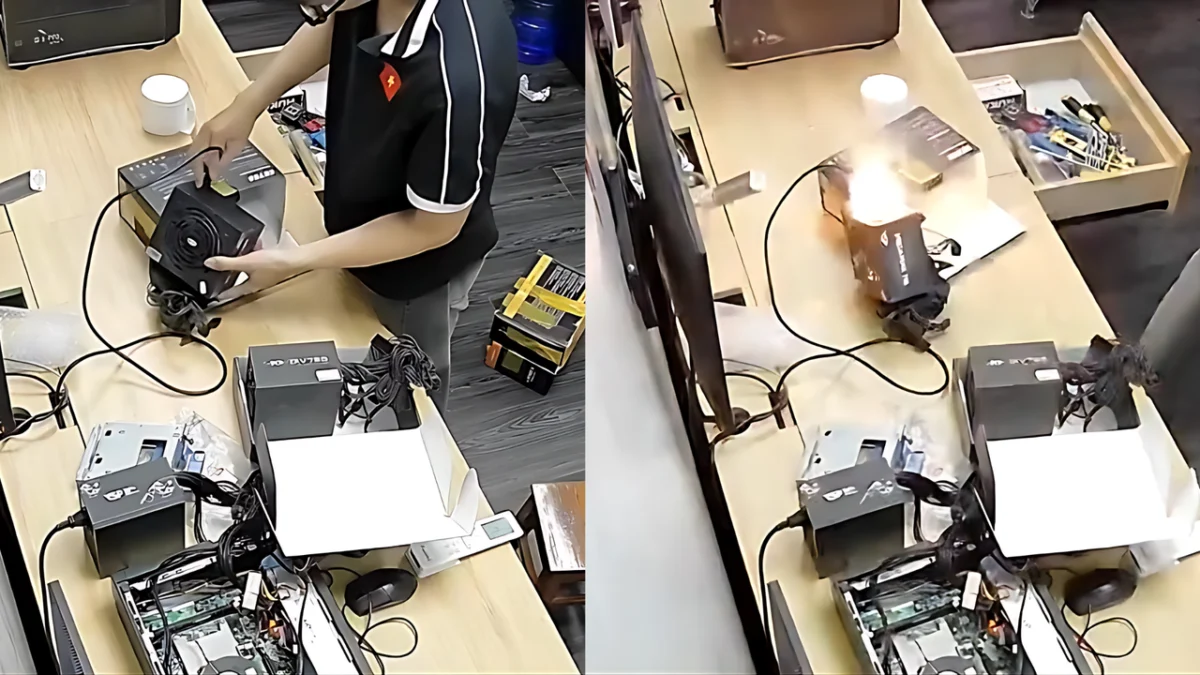
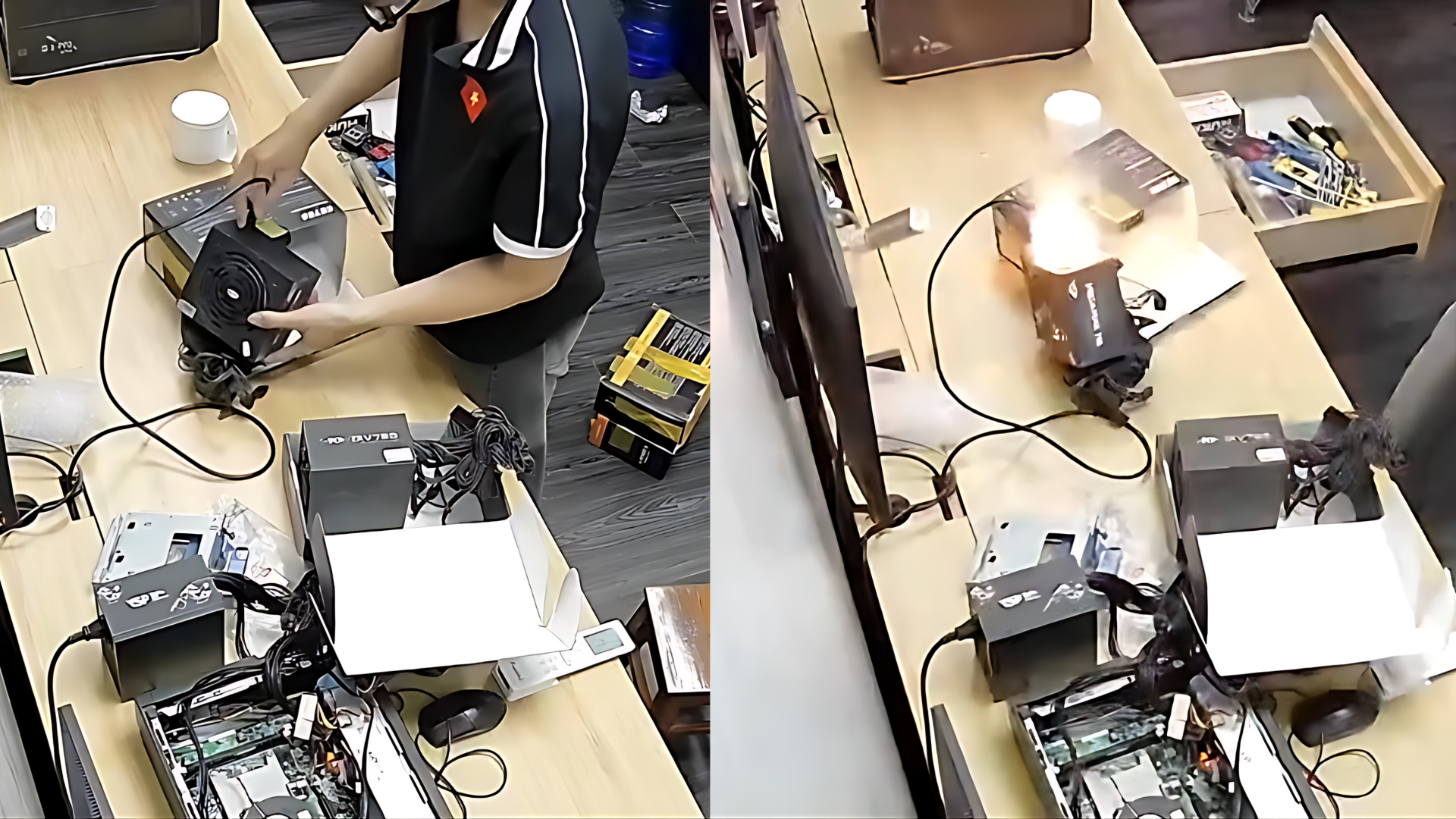
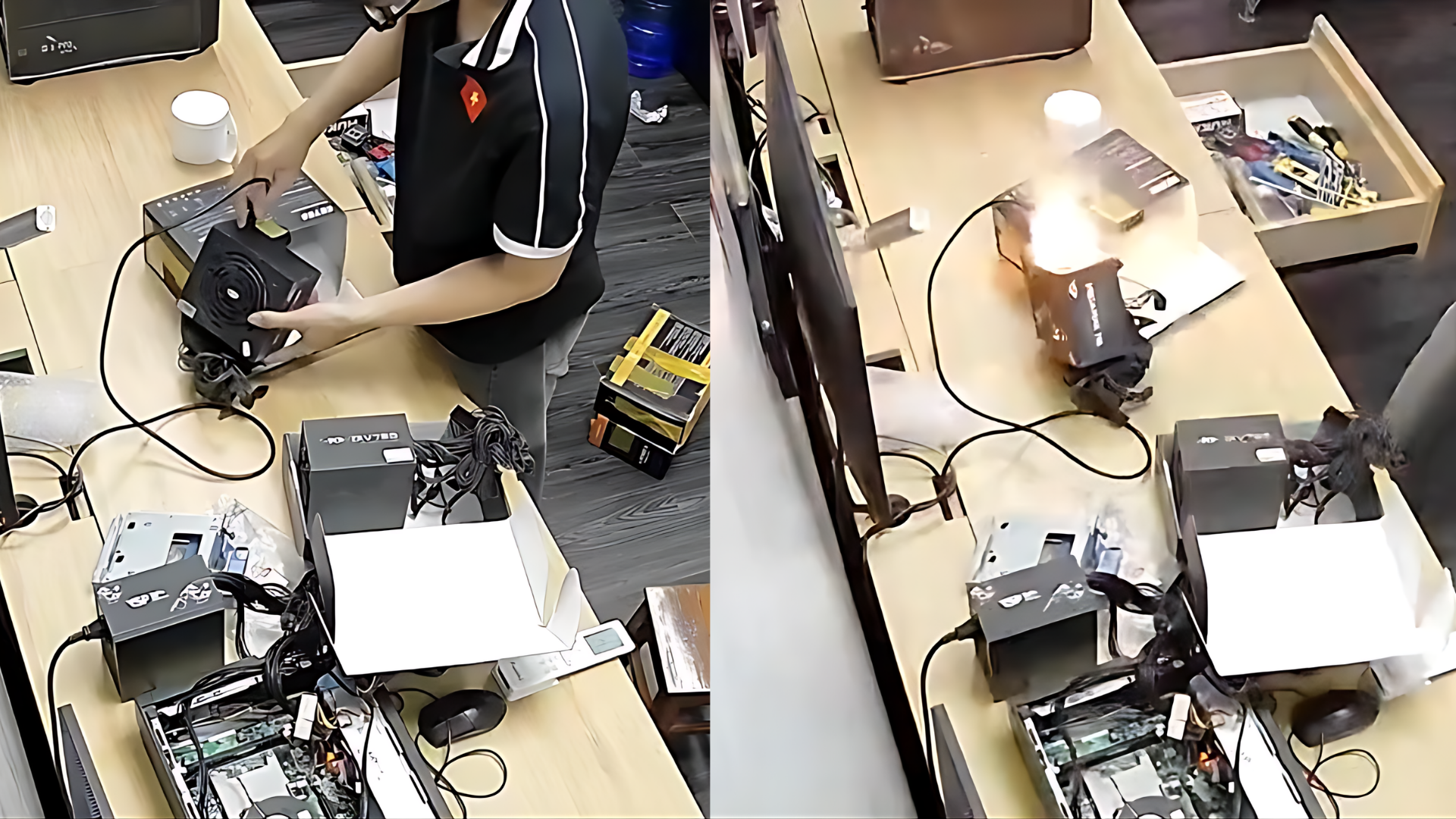
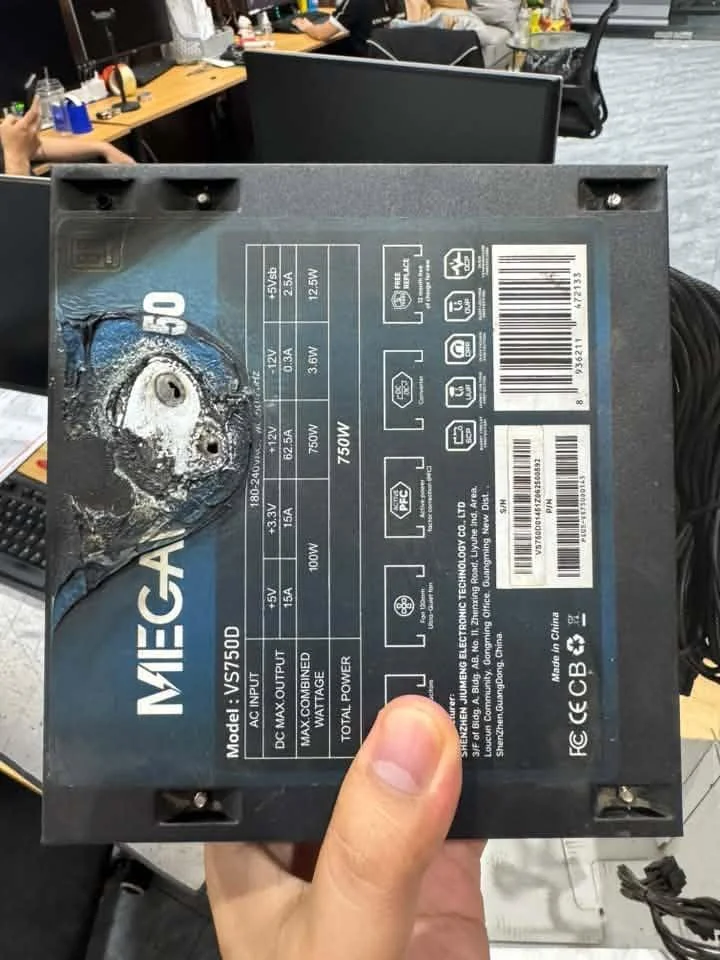
In a viral clip shared on the r/pcmasterrace subreddit, a technician at a Vietnamese service center is seen plugging a VSP MEGA MAX VS750D power supply into a wall outlet. Within a fraction of a second, the unit violently erupts into a shower of sparks and a plume of fire. The incident has since ignited a broader conversation regarding hardware safety, the dangers of "Tier E" power supplies, and the importance of professional handling protocols when dealing with suspected faulty hardware.
The Incident: A Chronology of a Catastrophic Failure
The footage, which has circulated rapidly across social media platforms, provides a disturbing look at how quickly a hardware failure can escalate into a fire hazard.
The Setup
The video begins in what appears to be a standard electronics repair shop. The technician is handling a VSP MEGA MAX VS750D, a budget-oriented power supply unit. It is important to note that the unit is not fresh out of a retail package; the technician retrieves it from a bin, and it is revealed to be a return unit submitted for a Return Merchandise Authorization (RMA) claim. The customer had clearly reported issues with the unit, necessitating this "live" test to confirm the fault.
The Moment of Ignition
The technician holds the power cable, preparing to interface it with the PSU. As soon as the AC plug makes contact with the unit’s input port, the internal circuitry immediately fails. The reaction is instantaneous: an intense arc of electricity is followed by a flare of orange flames. The technician, visibly startled, recoils but maintains enough presence of mind to yank the power cord from the wall.
The Aftermath
Despite the unit being unplugged, the fire persists for a brief moment. In a move that safety experts would describe as highly reckless, the technician picks up the smoldering unit to "blow out" the flames. While the fire is extinguished, the unit continues to vent thick, acrid smoke—a telltale sign of burning capacitors and melting plastic insulation. Miraculously, no one was injured, though the wooden floor and the surrounding environment were exposed to high-temperature debris.
Analyzing the "Tier E" Phenomenon
To understand why this unit failed so spectacularly, one must look at the industry standards for power supply quality. The VSP MEGA MAX VS750D is widely categorized by enthusiast communities—specifically those who curate the "PSU Tier List"—as a "Tier E" unit.
Understanding PSU Tiers
In the world of PC building, power supplies are not created equal. They are ranked based on their build quality, component choice (such as the quality of capacitors and soldering), and their performance under stress.
- Tier A/B: High-end units, often using Japanese capacitors and high-efficiency topologies. These are designed to fail safely if they do fail.
- Tier E: Often referred to as "Avoid" or "Tier F" in many circles, these units are frequently white-labeled products built by obscure manufacturers with minimal quality control. They often lack basic safety protections like Over-Power Protection (OPP), Over-Voltage Protection (OVP), and Short-Circuit Protection (SCP).
The failure of the VSP unit suggests a catastrophic internal short. While the exact component failure is currently under forensic investigation by those analyzing the video, the nature of the spark indicates a direct path between the AC input and the chassis or a massive failure in the bridge rectifier.
Technical Hypotheses: What Went Wrong?
While the video is of low resolution, electrical engineers and hardware enthusiasts have been debating the root cause of the explosion.
The Bridge Rectifier Failure
The bridge rectifier is the component responsible for converting the alternating current (AC) from the wall into a crude form of direct current (DC). If the bridge rectifier is poorly designed or uses low-grade components, it can fail instantly under load. Given that the explosion occurred the moment power was applied, it is highly probable that the rectifier suffered a "dead short," creating an uncontrolled path for the 220V mains electricity to bypass the rest of the unit’s safety systems.
MOSFET and Transformer Issues
Another theory involves the MOSFETs (Metal-Oxide-Semiconductor Field-Effect Transistors). These are the "switches" that pulse the current through the transformer. If a MOSFET is improperly gated or physically damaged, it can remain permanently "open," allowing current to surge through the primary side of the transformer without any regulation. This would explain the sudden spray of sparks and the intense heat that caused the casing to melt.
PCB Isolation Concerns
A significant concern raised by the Reddit community is the lack of proper isolation between the printed circuit board (PCB) and the metal casing. If the PCB is not properly spaced (or "standoff-ed") from the chassis, the high-voltage side of the board can arc directly to the metal case. Given the budget nature of the VSP unit, it is possible that manufacturing defects, such as sloppy soldering or a loose component, allowed a high-voltage trace to touch the grounded chassis the moment the unit was moved or powered.
The Risks of Improper Handling
The video serves as a cautionary tale not just for manufacturers, but for IT professionals and hobbyists alike. The technician’s decision to handle the unit with bare feet and to pick up a burning piece of electronics is a masterclass in what not to do.
The Dangers of ESD and Static
While the video shows a wooden floor, the technician is barefoot. In many professional environments, ESD (Electrostatic Discharge) mats and proper footwear are required. While the PSU was ultimately destroyed by its own internal failure, the risk of transferring static electricity to sensitive components during the troubleshooting process is a legitimate concern that can turn a "maybe broken" part into a "definitely broken" part.
Fire Safety Protocols
Picking up a device that is actively venting toxic smoke and fire is dangerous. Electronics fires often involve burning plastics and lithium-based components that release toxic fumes. Furthermore, if the fire had been caused by a different type of failure—such as a battery-related surge—the technician could have sustained severe chemical or thermal burns. The standard protocol for such an incident should always be: disconnect the power source, evacuate the immediate area, and use a Class C fire extinguisher if necessary.
Broader Implications for the PC Industry
This incident underscores a growing tension in the hardware market: the trade-off between price and safety.
As the cost of high-end graphics cards and processors continues to climb, users are increasingly tempted to shave costs by purchasing "value" power supplies. This trend is dangerous. A high-end GPU can cost upwards of $1,000; pairing that component with a $30, Tier E power supply is effectively a ticking time bomb.
Manufacturer Accountability
There is a significant lack of regulation in the global PSU market regarding the "Tier" systems. While many units carry an "80+ White" or "80+ Bronze" certification, these ratings only measure electrical efficiency—not safety or build quality. A unit can be "80+ White" efficient and still be a massive fire hazard. Industry groups and retailers are facing increased pressure to vet the products they sell more rigorously to prevent these "Tier E" units from reaching the hands of unsuspecting consumers.
Conclusion: A Lesson in Reliability
The viral footage from the Vietnamese repair shop is more than just a shocking clip for the internet; it is a vital warning. The VSP MEGA MAX VS750D failure is a stark reminder that the power supply is the one component in your PC that you should never skimp on.
When building or repairing a computer, the priority must always be quality over cost. Investing in a reputable brand with a proven track record of safety testing is not just about extending the lifespan of your components—it is about ensuring the safety of your home and your workspace. As this technician learned the hard way, when a power supply decides to go out, it rarely does so quietly. Let this be a reminder to check your hardware, understand your power supply’s reliability, and always prioritize safety over the urge to save a few dollars on the "heart" of your machine.