As September arrives, the global technology sector is holding its breath. The upcoming Apple event is more than just another annual cycle; it marks a significant leadership transition, with newly appointed CEO John Ternus taking the stage for his first major keynote. While the industry is buzzing with rumors regarding the long-awaited folding "iPhone Ultra," the real story for power users and creative professionals may lie in the familiar chassis of the iPhone 18 Pro.
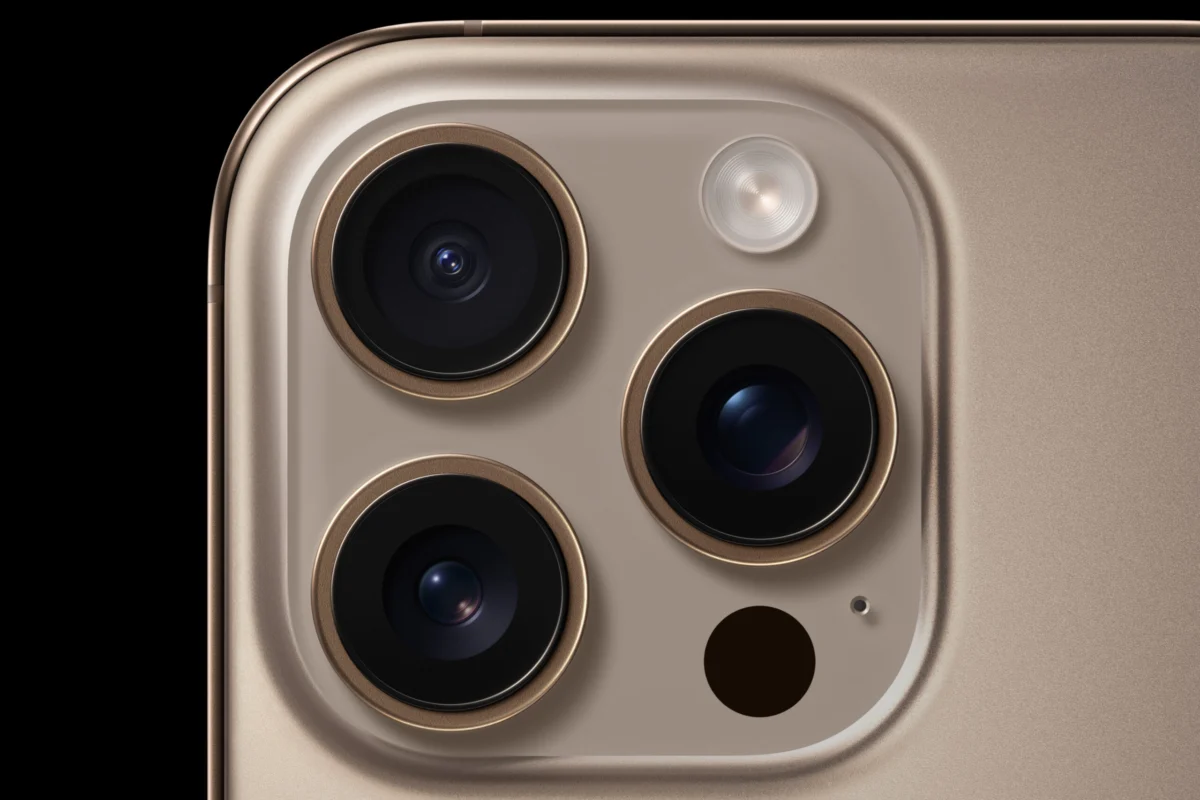
Beyond the external aesthetics—which are expected to remain consistent with previous iterations—the iPhone 18 Pro is poised to introduce a hardware breakthrough that could fundamentally alter the landscape of smartphone photography: the implementation of a variable aperture lens.
The Evolution of the Apple Event
The significance of this year’s event cannot be overstated. With John Ternus stepping into the role of CEO, the market is looking for a clear vision of Apple’s post-Tim Cook strategy. Traditionally, September events focus on the "Pro" lineup, serving as the benchmark for mobile performance and imaging.
While the "iPhone Fold" (or Ultra) is expected to dominate the news cycle—representing Apple’s answer to the expanding foldable market—the internal hardware of the iPhone 18 Pro suggests that Apple is not abandoning the traditional form factor. Instead, they are doubling down on the pursuit of "DSLR-quality" imaging in a pocketable device.
The Technical Revolution: Variable Aperture Explained
For years, smartphone camera advancements have been largely quantitative: more megapixels, faster processors for computational photography, and larger sensors. However, the move to a variable aperture—a feature rumored for the iPhone 18 Pro—is a qualitative leap.
How it Works
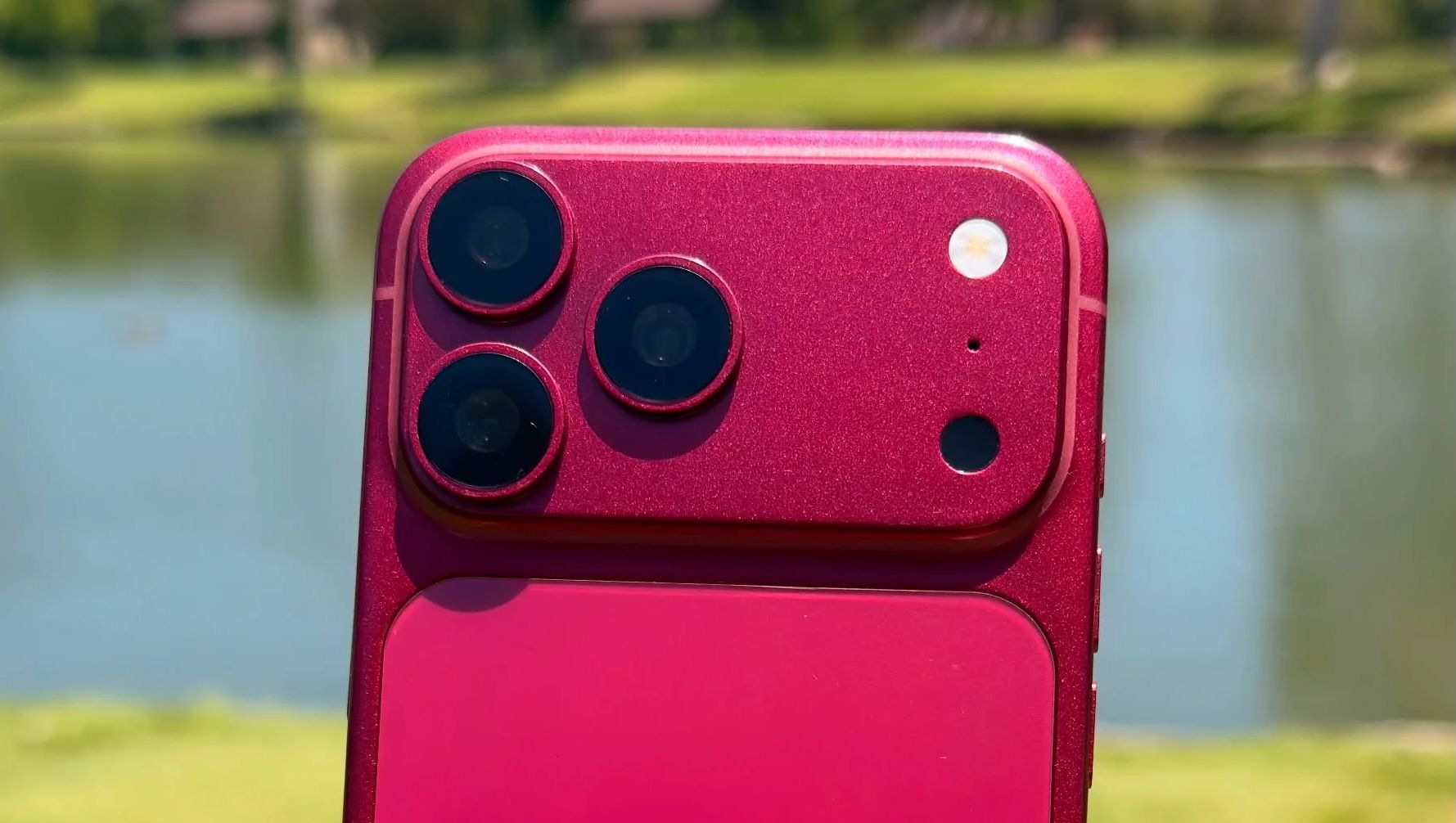
In a standard smartphone camera, the aperture is fixed, meaning the amount of light entering the lens is constant. Software algorithms are then used to simulate depth of field (the "Portrait Mode" effect). A variable aperture lens allows the physical diaphragm within the camera module to expand or contract. This offers several distinct advantages:
- True Optical Control: By physically adjusting the aperture, users can dictate how much light hits the sensor, providing better control over exposure in bright conditions and preventing overblown highlights.
- Natural Depth of Field: Unlike computational bokeh, which often struggles with fine details like hair or translucent objects, a physical aperture creates natural optical blur, resulting in a more professional, organic look.
- Low-Light Performance: A wider aperture setting allows for significantly better low-light capture, reducing the reliance on aggressive noise-reduction software that can sometimes "smooth away" fine textures in images.
This transition marks a departure from purely algorithmic solutions toward a hybrid approach, where high-end physics meets the processing power of the A-series chips.
Battery Capacity and Power Management
Photography and videography are notoriously battery-intensive tasks. Alongside the camera upgrades, supply chain leaks suggest that the iPhone 18 Pro Max will feature a substantial battery increase, potentially reaching 5,500 mAh.
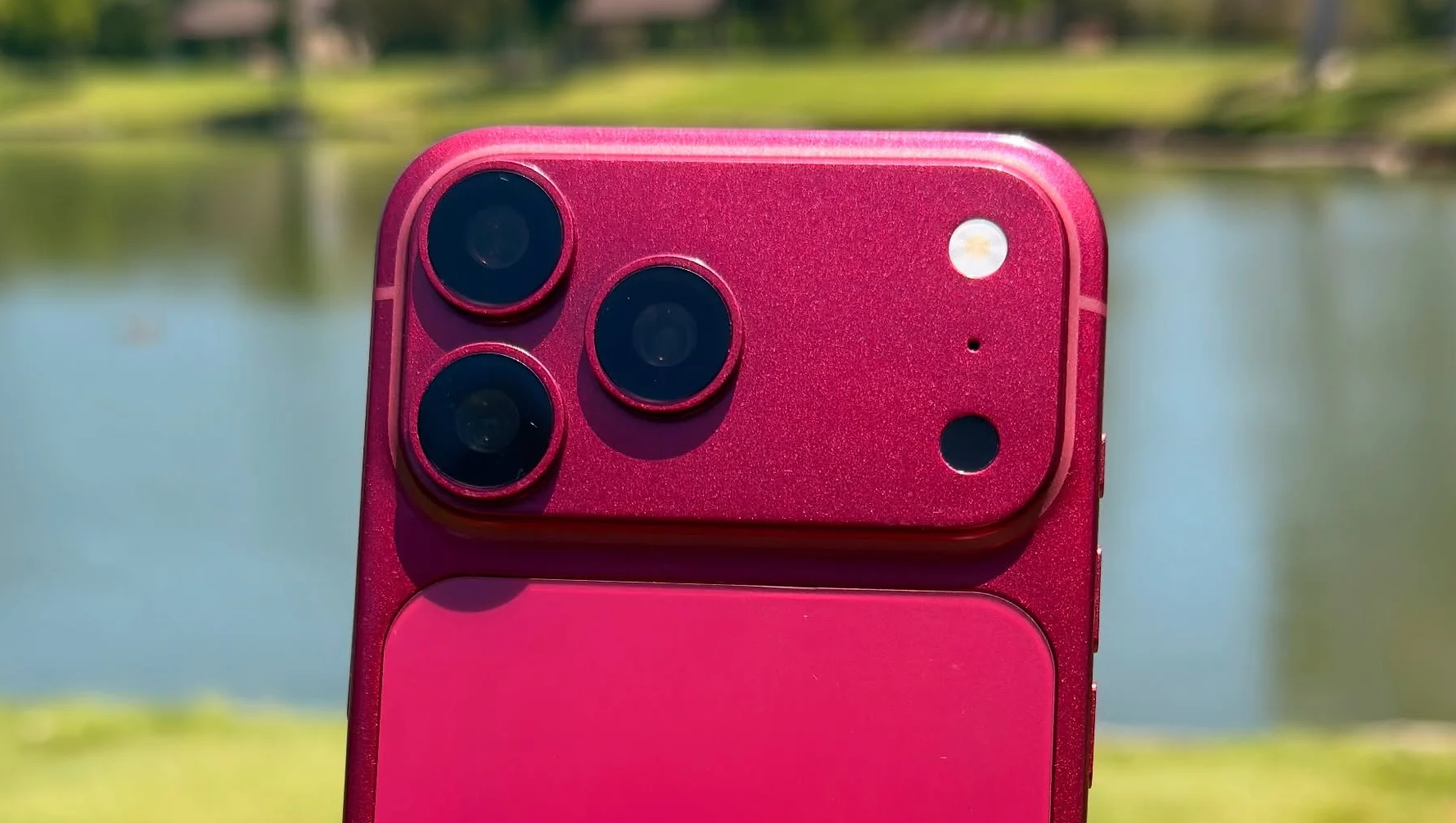
This is a critical, often overlooked detail. If Apple intends for the iPhone 18 Pro to function as a legitimate primary camera for professional content creators, the device must survive a full day of high-bitrate video recording and heavy computational processing. The integration of a larger battery, combined with the power efficiency expected from the next-generation silicon, could position the 18 Pro Max as the most reliable tool in a creative professional’s kit.
Chronology of Rumors and Development
The path to the iPhone 18 Pro has been paved with years of industry speculation and patent filings.
- 2022–2023: Early reports began circulating regarding Apple’s experimentation with mechanical lens assemblies. Patent filings showed various designs for "multi-aperture" camera modules.
- 2024: Industry analysts confirmed that Apple was aggressively sourcing components related to high-end optical actuators, suggesting that the "Pro" camera system was due for a hardware overhaul.
- Early 2025: Supply chain reports indicated that the foldable device (iPhone Ultra) would likely prioritize form factor over camera capability, leaving the "Pro" line as the primary destination for the most advanced imaging technology.
- September 2026 (Present): The launch window. Expectations are high that the variable aperture will be the "hero" feature of the keynote, designed to keep traditional iPhone users within the ecosystem despite the allure of the folding alternatives.
The Competitive Landscape: Pro vs. Foldable
A recurring theme in the discourse surrounding this launch is the divergence of the iPhone lineup. The "iPhone Ultra" is rumored to feature a sophisticated folding screen but may be limited to a dual-lens camera system due to the space constraints of a foldable hinge.
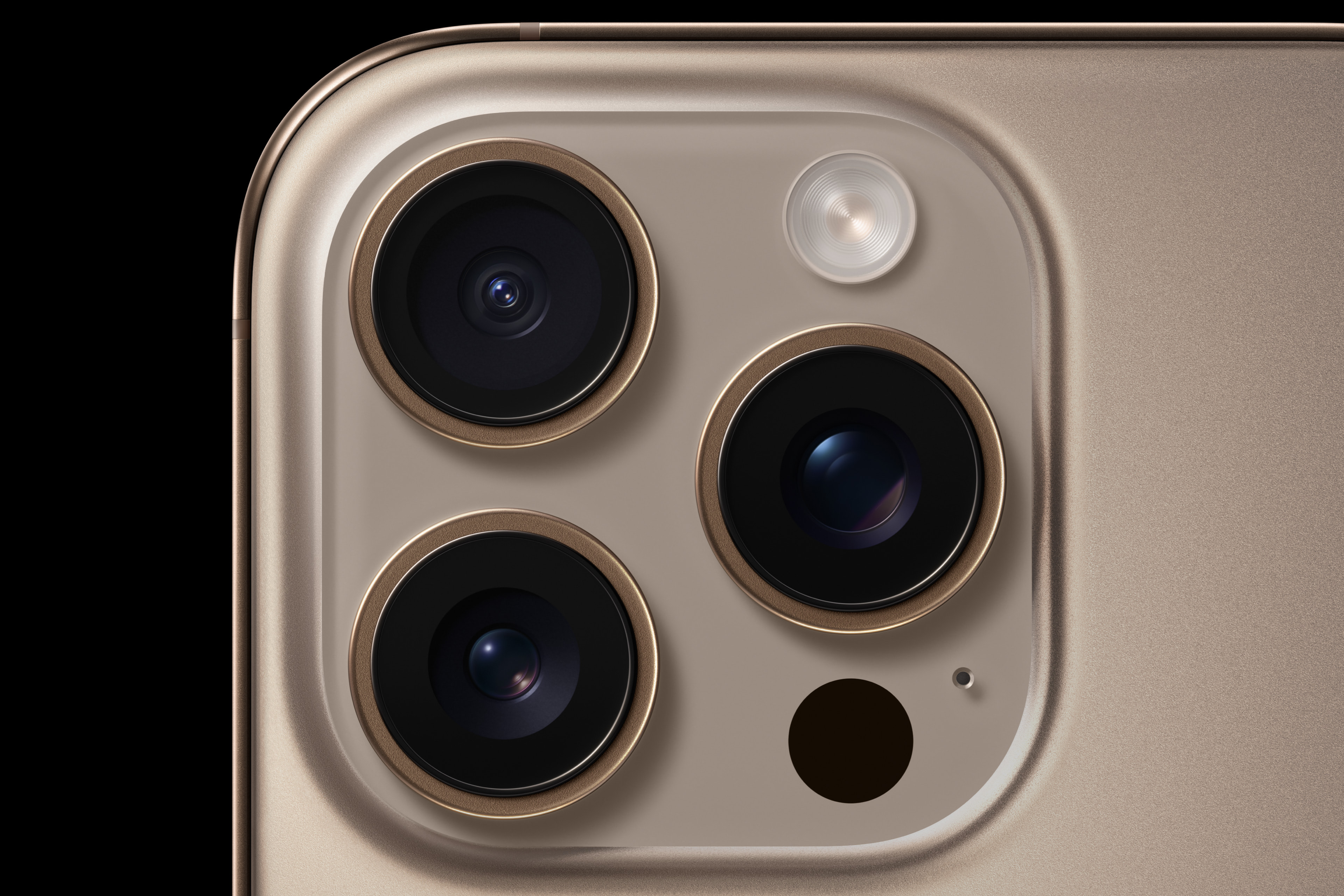
This creates an interesting dichotomy. If the user wants the latest in hardware design and screen real estate, they choose the Ultra. However, if the user requires the absolute best in optical performance—the "gold standard" for mobile photographers—the iPhone 18 Pro remains the superior choice. Apple is effectively segmenting its professional user base: those who prioritize form and innovation, and those who prioritize lens performance and workflow reliability.
The Economic Context: Rising Costs
The excitement surrounding these hardware advancements is tempered by the reality of global market conditions. The tech industry has been reeling from significant RAM and semiconductor shortages throughout 2026, forcing a restructuring of pricing strategies across the board.
Recent reports confirm that Apple, like many of its competitors, is adjusting its pricing models to reflect increased manufacturing costs. Consumers should expect a price hike of approximately 15% across the new lineup. For the average consumer, this raises a pertinent question: does the inclusion of a variable aperture and a larger battery justify the increased premium? For professional photographers who rely on their iPhone for daily work, the answer is likely yes. For the casual user, the price increase may push them toward older models or the standard (non-Pro) versions of the 18 series.
Implications for the Future of Mobile Photography
What does this mean for the industry at large? The inclusion of a variable aperture lens in the iPhone 18 Pro signals a shift in the "camera war." For years, the battle was fought in the realm of AI and software processing. By introducing physical optical changes, Apple is effectively forcing other manufacturers to follow suit.
If the iPhone 18 Pro proves successful, we can expect a rapid transition in the industry where flagship devices move away from "all-software" solutions and back toward high-quality, physical lens components. This is a win for purists who have long argued that no amount of AI can replace the physics of light.

Conclusion: A New Era Under John Ternus
As we look toward the upcoming event, the narrative is clear. While the "folding" future is finally arriving, Apple is not abandoning the foundation of its success. By refining the camera system of the iPhone 18 Pro, the company is reaffirming its commitment to the creative professionals—the photographers, the filmmakers, and the designers—who helped build the iPhone’s reputation as a creative tool.
Under the leadership of John Ternus, Apple appears to be balancing the need for radical innovation (the fold) with the necessity of evolutionary hardware improvements (the camera). Whether the market will embrace these changes at a higher price point remains to be seen, but one thing is certain: the iPhone 18 Pro is shaping up to be a definitive piece of hardware in the history of mobile imaging. As always, the truth will be revealed when the devices reach the hands of users and the rigorous testing process begins. For now, the anticipation—and the speculation—continues.