Raul Delapena Setiawan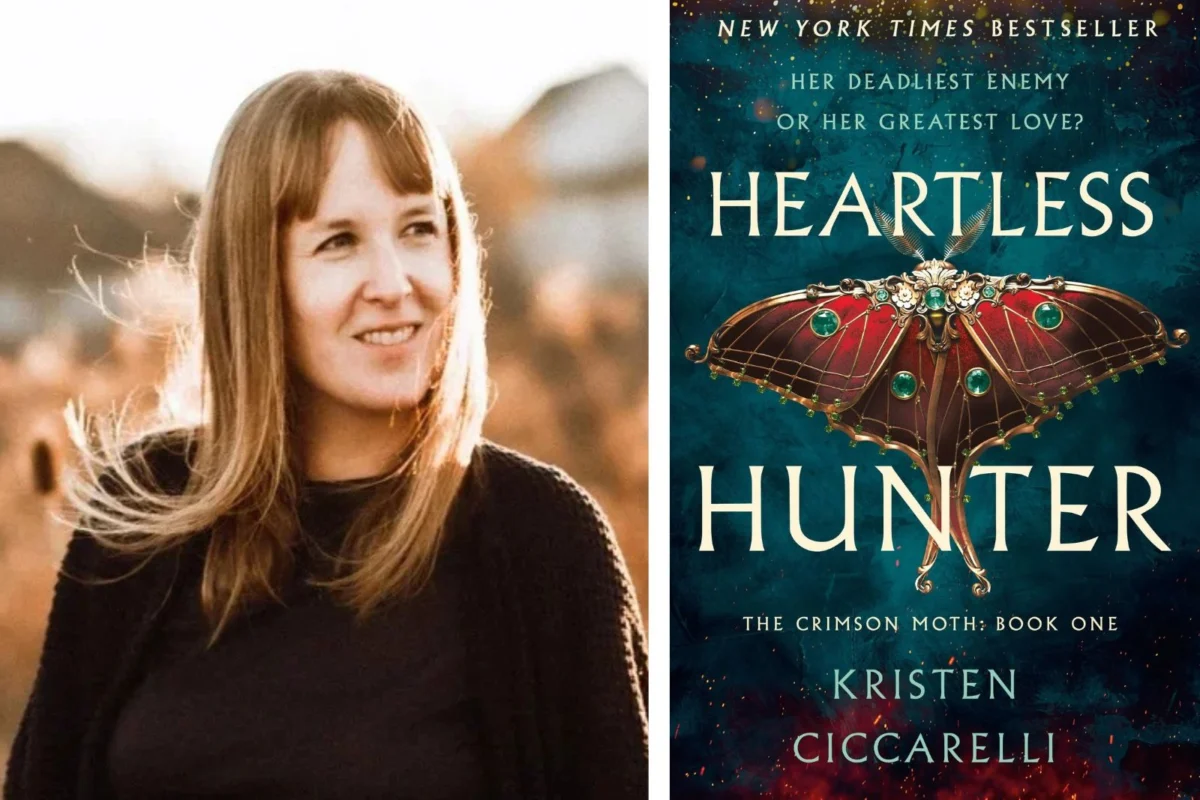
The literary landscape of “romantasy”—a high-growth genre blending sweeping romantic tension with intricate magical world-building—is bracing for another massive expansion. Following the runaway success of screen adaptations like A Court of Thorns and Roses (in development) and the cinematic reach of Fourth Wing discourse, industry insiders have confirmed that Kristen Ciccarelli’s acclaimed Crimson Moth series is officially headed to television.
The project, which is currently in the early stages of development, marks a significant milestone for the franchise. The series, which began with Heartless Hunter and continued with Rebel Witch, has captivated readers with its high-stakes political intrigue, dangerous magic, and the classic, tension-filled “enemies-to-lovers” dynamic. As the series moves into the competitive arena of television, fans and industry analysts alike are turning their attention to the powerhouse creative team attached to the project.
The Creative Powerhouse Behind the Moth
The adaptation is being steered by a trio of industry heavyweights, each bringing a pedigree of high-concept fantasy and serialized drama to the table. Writer-director Georgia Lee—whose resume includes critical darlings and fan-favorite hits such as The Expanse, The 100, and the gothic fantasy Carnival Row—is leading the charge alongside Joe Henderson, the co-showrunner who helped turn Netflix’s Lucifer into a global phenomenon. Rounding out the core team is Chad Kennedy, who has secured the rights to Ciccarelli’s novels.
Perhaps most encouraging for the established fanbase is the news that Kim Shumway, a writer-producer celebrated for her work on the gritty, world-building masterclass The 100, has been tapped to write the adaptation. Reports indicate that the pilot script is already complete and is currently being shopped to major streaming platforms and studios. The inclusion of talent with such deep experience in long-form, high-stakes storytelling suggests that the production is aiming for a faithful yet expansive translation of Ciccarelli’s vision.
Chronology of a Success Story
The journey of the Crimson Moth series from a debut novel to a television property has been swift, reflecting the current appetite for "book-to-screen" content.
- The Debut: The series launched with Heartless Hunter, which introduced readers to the republic of Achenia—a world where magic is treated as a contagion and witches are hunted to the brink of extinction.
- The Expansion: Following the critical and commercial reception of the first book, the second installment, Rebel Witch, deepened the lore and confirmed the series’ status as a cornerstone of modern YA/crossover fantasy.
- The Deal: News broke recently that the project had officially secured its core creative team and that a pilot script was finalized.
- The Future: In a surprise announcement coinciding with the adaptation news, it was revealed that Wednesday Books has acquired the rights to a third and fourth book in the series, signaling that the franchise is moving from a planned duology to a much larger, multi-part saga.
Understanding the World of Achenia
At the heart of the Crimson Moth series is the dual life of Rune, the protagonist. In a post-revolutionary landscape where witches are oppressed, Rune disguises herself as a vapid, high-society socialite to avoid suspicion. By night, however, she assumes the mantle of the "Crimson Moth," a vigilante who smuggles witches to safety.
The narrative hook that has propelled the books to the top of bestseller lists is the cat-and-mouse romance between Rune and Gideon Sharpe. Gideon, a relentless witch hunter, is tasked with eradicating the very people Rune is trying to save. When the two begin a fake courtship—Gideon hoping to expose the Moth, and Rune hoping to glean intelligence from the heart of the hunter’s organization—the resulting friction creates the kind of explosive, slow-burn romantic tension that is notoriously difficult to capture on screen, yet highly lucrative for streamers.
Supporting Data: The Romantasy Phenomenon
The decision to greenlight Crimson Moth is part of a broader industry trend. Data from book retail platforms like Goodreads and BookTok (the subset of TikTok dedicated to literature) shows a massive shift in consumer behavior. Fantasy titles featuring central, complex romances have seen a 400% increase in reader engagement over the last three years.
Studios are responding to this by prioritizing "book-to-screen" pipelines. Because the Crimson Moth series has a built-in audience, the risk assessment for studios is significantly lower than for original scripts. With a finalized script by Kim Shumway and the backing of producers who have proven they can handle massive, complex fanbases (specifically the Lucifer and The 100 demographics), the project is positioned as a "prestige" genre play.
Implications for the Genre and the Industry
The shift of Crimson Moth into a four-book series from its original two-book structure has major implications for the television adaptation.
Long-term Narrative Potential
By expanding the literary series, the showrunners have secured a runway for a multi-season arc. In the current streaming climate, where renewals are often based on the strength of the source material, having a guaranteed four-book roadmap allows the writing team to plan long-term character arcs that avoid the "rushed ending" trap that often plagues fantasy shows.
The "A-List" Adaptation Standard
With the involvement of Georgia Lee and Joe Henderson, there is a clear intent to elevate the material. The aesthetic requirements of a world defined by "decadence and superficiality" masking a "fiercely intelligent" resistance suggest a high budget for costume design, world-building, and cinematography. This aligns with the current trend of "prestige fantasy," where the production values are expected to rival feature films.
Challenges of Translation
While the pedigree of the creative team is strong, the challenge remains in the tonal balance. Heartless Hunter relies heavily on the internal monologue and the shifting perspectives of the two leads. Translating the "fake dating" trope while maintaining the high-stakes political thriller elements requires a delicate hand. If the show leans too heavily into the romance, it risks alienating fans of the political world-building; if it focuses too much on the "witch hunt," it may lose the romantic core that made the books famous.
Official Responses and Next Steps
As of this writing, neither Kristen Ciccarelli nor the production team have provided details regarding casting or a projected release date. Given that the pilot script is only just beginning to circulate among studios, fans should anticipate a development phase of at least 12 to 18 months before cameras begin to roll.
However, the excitement surrounding the announcement is palpable. For Wednesday Books, the acquisition of two additional novels in the series ensures that the television marketing will have fresh content to draw from, potentially aligning the release of the final books with the premiere of the first season.
Conclusion
The transition of Heartless Hunter from the written page to the screen is a testament to the power of the romantasy genre. By combining a high-concept "hunter vs. prey" romance with a seasoned team of writers and producers, the Crimson Moth adaptation has all the ingredients necessary to become the next major tentpole series for a streaming service. While the project remains in its infancy, the clear structure, the established creative leadership, and the expansion of the source material suggest that the story of Rune and Gideon is one we will be watching on our screens for many years to come.

 Nana Muazin