

Introduction
The intersection of artificial intelligence and the music industry has long been a flashpoint for legal and ethical debates, but a recent, unauthorized advertising campaign featuring R&B legend Mary J. Blige has turned the temperature from simmering to boiling. The incident, involving AI music generation platform Suno, serves as a cautionary tale regarding identity rights, the pitfalls of rapid-fire digital marketing, and the fragile trust between technology companies and the artists they claim to admire.
For fans and industry observers alike, the sight of the "Queen of Hip-Hop Soul" seemingly endorsing a generative AI tool that mimics her signature sound was jarring. However, the revelation that the partnership was entirely fabricated—the result of a deceptive business deal with an unauthorized third party—has sparked a broader conversation about the unchecked nature of AI-driven content.
The Anatomy of the Controversy
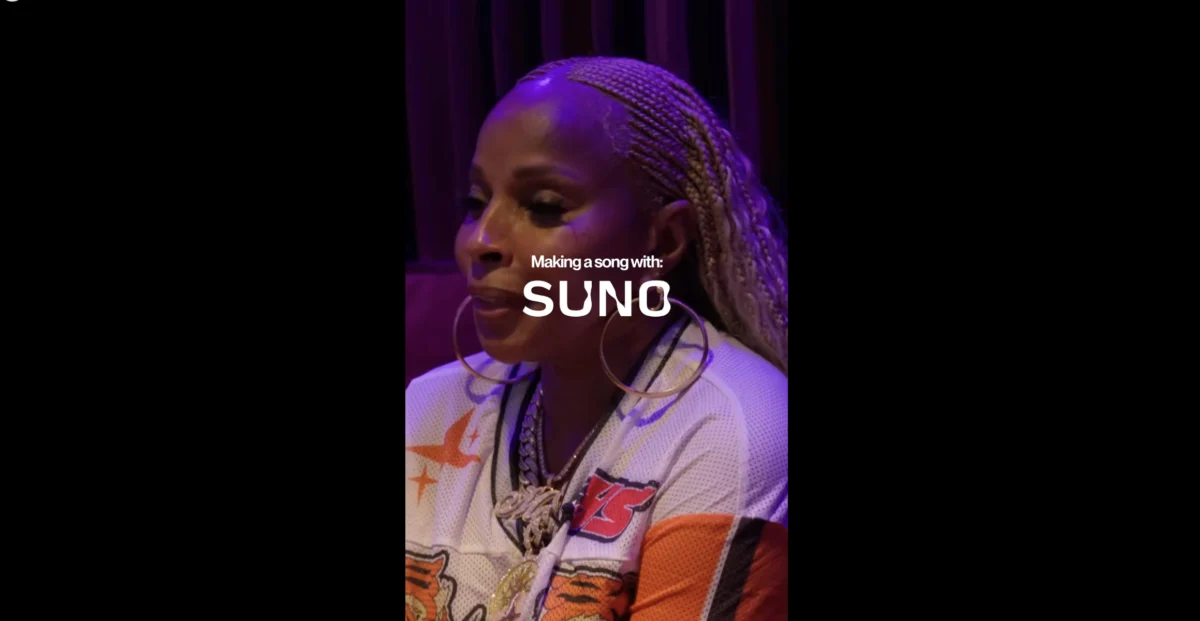
The controversy centers on an 85-second promotional video that surfaced late last month. In the footage, Mary J. Blige is seen inside a recording studio, engaged in a conversation with an unnamed producer. The video showcases the producer utilizing Suno’s AI technology to construct a track titled "Pretty Flowers," a song that bears a striking, if uncanny, resemblance to the soulful, R&B-infused sound that defined Blige’s chart-topping career throughout the 1990s and 2000s.
In the clip, Blige is depicted directing the producer, asking for the inclusion of strings and a rhythmic beat. As the AI generates the track in mere seconds, Blige appears visibly impressed, using terms like "amazing" and "dope."
The optics of the video were catastrophic for the artist’s reputation among fans who staunchly oppose the encroachment of AI into human creativity. Blige became the target of a swift and vitriolic barrage of online abuse, with critics accusing her of selling out or validating a technology that threatens the livelihoods of songwriters and producers. The reality, however, was far more complex: Blige had never authorized the ad, and the entire production was predicated on a fraudulent representation of her professional interests.
Chronology of a Misstep
The timeline of the Suno-Blige incident highlights a breakdown in corporate due diligence.
- Pre-Campaign: An individual approached Suno, presenting themselves as an authorized representative of Mary J. Blige. Suno, eager to align its platform with an iconic figure of Blige’s stature, entered into a business agreement based on these claims.
- Late Last Month: The 85-second promotional video was released on Suno’s social media channels, specifically its Facebook page.
- Immediate Backlash: The public response was instantaneous. Fans expressed outrage, questioning the authenticity of the video and the integrity of the artist’s involvement in promoting an AI tool.
- The Exposure: As the video circulated, it became clear that the collaboration was not sanctioned. The discrepancy between the marketing materials and the artist’s actual business dealings prompted an internal review at Suno.
- Termination: Upon verifying that they had been misled by an unauthorized intermediary and realizing the extent of the discomfort caused to Blige, Suno pulled the campaign.
- Post-Mortem: A secondary, heavily edited version of the video began circulating—potentially created by third-party actors—further complicating the narrative by taking Blige’s comments even further out of context.
Official Responses and Corporate Accountability
The response from Suno has been characterized by a blend of sycophantic praise and defensive justification. In an official statement provided to Variety, a representative for the AI company wrote:
"Ms. Blige is an icon who we all deeply admire. Ever since she broke onto the scene with ‘What’s the 411,’ ‘No More Drama,’ ‘The Breakthrough,’ ‘Growing Pains,’ etc., she hasn’t stopped innovating. That’s why we wanted to work with her."
The statement then pivoted to the company’s defense regarding the unauthorized nature of the deal:
"We entered into a business deal with someone who presented themselves as Ms. Blige’s official representative. As soon as we learned this was not the case, and that Ms. Blige was uncomfortable, we terminated the advertising campaign."
While Suno attempted to frame the incident as a victimhood of deception, critics argue that the company failed to perform the most basic level of due diligence required when handling the likeness and reputation of a world-famous celebrity. To date, representatives for Mary J. Blige have declined to provide further comment, leaving the legal ramifications of the identity theft to be handled behind closed doors.
The Broader Landscape: Suno’s Rocky Path
The Mary J. Blige incident is merely the latest in a series of legal and public relations disasters for Suno. The company is currently engaged in what can only be described as a "war of attrition" with the traditional music industry.
The Legal Quagmire
Suno’s business model—which relies on scraping vast amounts of copyrighted data to "train" its models—has placed it in the crosshairs of the world’s largest music corporations. Universal Music Group and Sony Music have ongoing litigation against the company, alleging massive, systematic copyright infringement.
The Artist Rebellion
Beyond corporate lawsuits, individual artists are increasingly taking the lead. Earlier this week, Grammy-winning Americana artist Jason Isbell, alongside a cohort of other musicians, filed a lawsuit against Suno. The core of their complaint is that the company has enabled users to produce songs that mimic the specific vocal identities and stylistic nuances of real artists without their consent. This creates a market for "AI-clones" that directly compete with the artists being mimicked.
Global Judicial Scrutiny
The international legal environment is also turning against the platform. Last month, a German court delivered a significant blow to the company, ruling that Suno was in violation of both U.S. and German copyright laws. This ruling adds to the mounting pressure on the company to justify its data-gathering practices.
Implications for the Future of Music
The "Pretty Flowers" controversy serves as a microcosm of the existential threat posed by generative AI.
The Erosion of Identity Rights
The incident highlights how easily an artist’s persona can be hijacked. When an AI can be prompted to sound like a specific, beloved singer, the boundary between "inspiration" and "identity theft" vanishes. For legacy artists, their voice is their brand, their history, and their intellectual property. If that voice can be synthesized for a marketing campaign without their permission, the foundational protections of celebrity status are effectively dismantled.
The "Deepfake" Marketing Danger
The use of heavily edited clips, as seen in the secondary videos of Blige, signals a dark trend in digital marketing. When companies prioritize the "viral" potential of a video over its factual accuracy, they contribute to a digital environment where the audience can no longer distinguish between reality and a manufactured AI fabrication.
A Call for Stricter Regulation
The music industry is now calling for a "Right to Publicity" that is robust enough to handle the era of AI. The current legal framework, largely built on copyright, is struggling to catch up to the speed at which AI models can replicate the human experience. Legislative bodies in the U.S. and Europe are facing mounting pressure to introduce protections that specifically target the unauthorized use of an artist’s voice and likeness for commercial AI ventures.
Conclusion
The story of Mary J. Blige and Suno is more than just a marketing blunder; it is a flashpoint in the cultural war over the future of music. While Suno claims to be an innovator providing new tools for expression, its recent actions—and the actions of the bad actors who utilized its platform—demonstrate a reckless disregard for the human element of art.
As the legal battles against Suno continue to play out in courts across the globe, the industry watches with bated breath. The outcome of these cases will likely define whether the music industry of the future is one where technology empowers artists, or one where artists are reduced to data points, their voices harvested and repurposed for the benefit of tech giants. For now, the "Pretty Flowers" ad stands as a stark warning: in the age of AI, the most precious commodity is truth, and it is currently under fire.










