

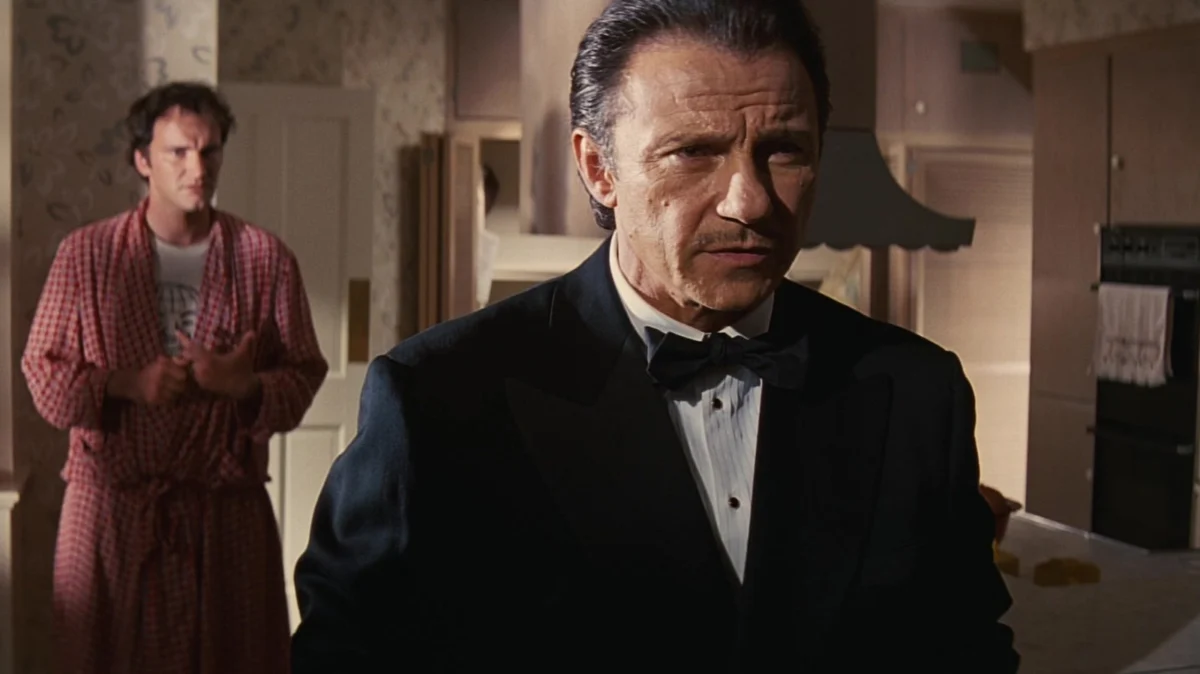
Before he was the master of menace in Reservoir Dogs, the cool-headed fixer in Pulp Fiction, or the introspective mobster in The Irishman, Harvey Keitel was just another aspiring actor navigating the grueling, unglamorous labyrinth of 1960s Hollywood. While modern audiences recognize Keitel as an icon of American independent cinema and a quintessential collaborator of Martin Scorsese, his path to stardom was paved with the kind of blink-and-you’ll-miss-it roles that define the early careers of the legendary. Among these forgotten credits, one stands out for its surreal intersection with pop culture history: a brief, uncredited appearance on the gothic, vampire-themed soap opera Dark Shadows.
The Genesis of a Legend: Early Struggles in the Industry
The mid-1960s were a period of intense creative volatility for Harvey Keitel. Like many of his contemporaries, he spent his days pounding the pavement, auditioning for bit parts, and honing a craft that would eventually make him one of the most respected, intense, and prolific actors in film history.
His earliest professional records reflect a standard apprenticeship. In 1966, he appeared as an uncredited German soldier in an episode of the iconic sitcom Hogan’s Heroes. The following year, he again found himself in a military uniform, this time as an uncredited soldier in John Huston’s heavy-handed drama Reflections in the Golden Eye. These early roles offered little in the way of screen time or character development, but they provided Keitel with something far more valuable: a foothold in the industry and the endurance required to survive the grind.
It was during this same period that Keitel’s trajectory shifted permanently. In 1967, he secured a leading role in Martin Scorsese’s directorial debut, Who’s That Knocking on My Door. This collaboration marked the beginning of a cinematic partnership that would span decades, resulting in masterpieces like Mean Streets, Alice Doesn’t Live Here Anymore, Taxi Driver, and The Last Temptation of Christ. The chemistry between Keitel and Scorsese was electric; the director famously altered the script of Taxi Driver to better suit Keitel’s specific intensity, a testament to the actor’s profound influence on the creative process.
The "Dark Shadows" Connection: A Gothic Footnote
While his Scorsese work remains his defining legacy, film historians and die-hard fans have long taken pleasure in excavating his minor credits. Perhaps the most intriguing of these is his appearance in episode 33 of the first season of the cult classic soap opera Dark Shadows.
Dark Shadows was not your average daytime drama. Filmed at a breakneck pace and often plagued by production errors—flubbed lines, visible boom mics, and erratic lighting—the show possessed an ethereal, low-budget charm that endeared it to a massive, dedicated audience. Though the series is best known for the introduction of the vampire Barnabas Collins (Jonathan Frid) in episode 211, the show had already established a weird, melodramatic tone by the time Keitel arrived on set.
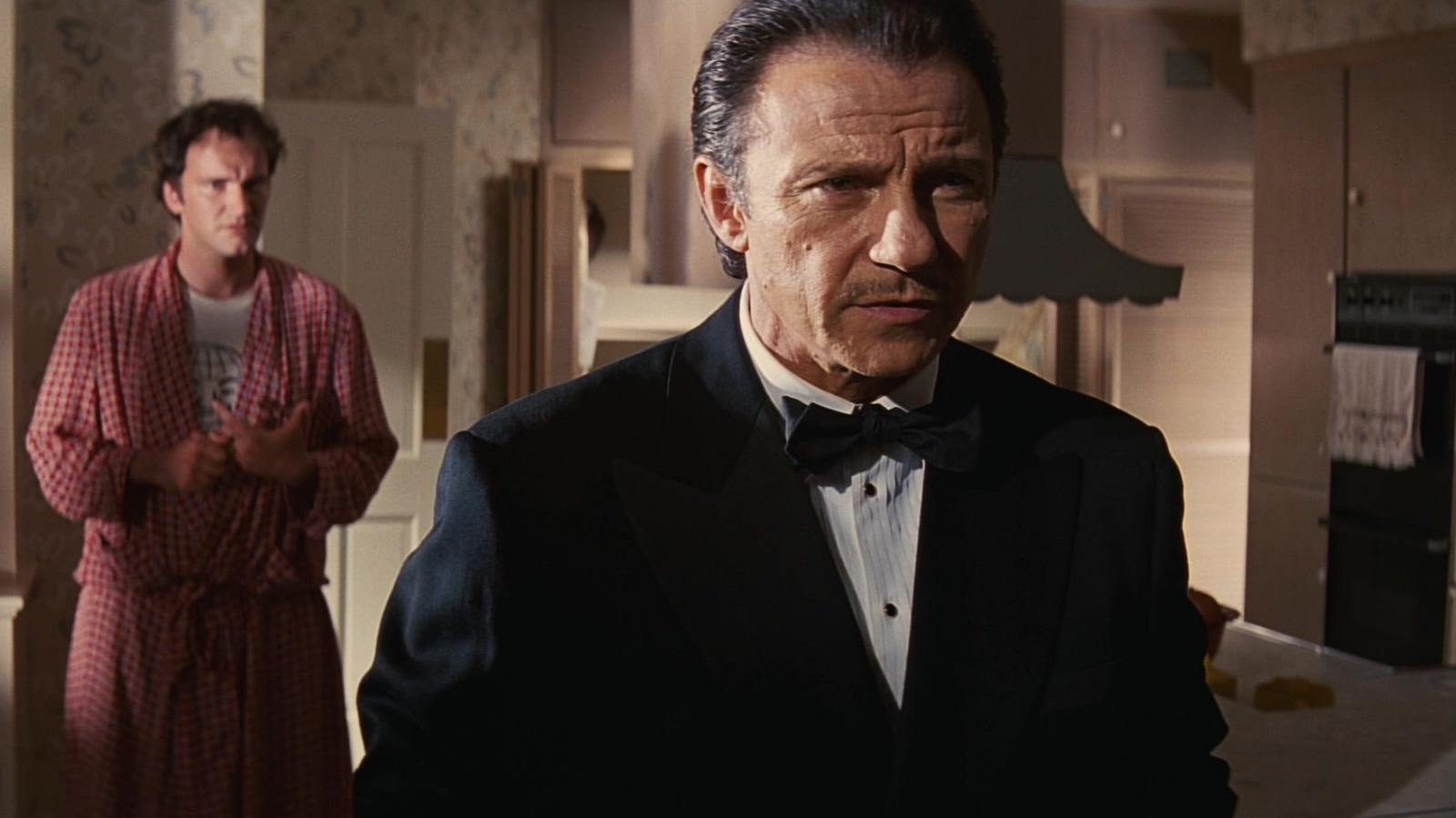
In the episode, which fans and scholars have affectionately dubbed "The One with Harvey Keitel," the plot centers on the character Joe (played by Joel Crothers). Distraught after a failed proposal to Carolyn (Nancy Barrett), Joe retreats to the local watering hole, The Blue Whale, to drown his sorrows. As the narrative progresses, the character of Victoria Winters (Alexandra Isles) finds herself at the same bar. In the background of this scene, amidst the smoky atmosphere of the 1960s set, a young Harvey Keitel can be seen dancing—a "groovy" background player completely unaware that his future would involve redefining the boundaries of cinematic acting.
Chronology of an Aspiring Star
To understand Keitel’s ascent, one must look at the timeline of his early work, which highlights the sheer breadth of his professional experimentation:
- 1966: Appears as an uncredited German soldier in Hogan’s Heroes.
- 1966: Makes an uncredited cameo as a dancer at The Blue Whale in Dark Shadows (Episode 33).
- 1967: Appears as a soldier in John Huston’s Reflections in the Golden Eye.
- 1967: Breaks out in Martin Scorsese’s Who’s That Knocking on My Door, establishing his reputation as a formidable talent.
- 1973: Solidifies his status as a Scorsese muse with Mean Streets.
- 1976: Delivers an iconic, intense performance as "Sport" in Taxi Driver.
- 1992: Reinvents the indie landscape by co-producing and starring in Quentin Tarantino’s Reservoir Dogs.
This timeline underscores that Keitel did not simply stumble into success. His early "bit parts" were part of a disciplined effort to observe, learn, and survive within the studio system until he could command the screen on his own terms.
Supporting Data: Why "Dark Shadows" Matters
The endurance of Dark Shadows as a cultural artifact is a testament to the power of camp and earnest storytelling. The show ran for 1,225 episodes over six seasons, evolving from a standard gothic mystery into a supernatural phenomenon that spawned movies, revivals, and a 2012 Tim Burton adaptation.
The fact that an actor of Keitel’s caliber walked through the halls of Collinwood is a trivia point that serves as a bridge between the high-art prestige of the 1970s New Hollywood movement and the pulp sensibilities of daytime television. While Keitel’s screen time was fleeting—he appeared in episode 33 and departed before the next—it remains a "holy grail" for fans of both the actor and the show. The website DarkShadowsCommentary.com has meticulously documented these appearances, providing a digital archive for those who wish to spot the future star amidst the dramatic fog of the Blue Whale.
Implications for Modern Acting
The story of Keitel’s early career serves as a vital lesson for contemporary actors: there is no such thing as a wasted role. In an industry that often obsesses over "breakout moments," the reality of a long-term career is built on the foundation of small, uncredited, and occasionally strange gigs.
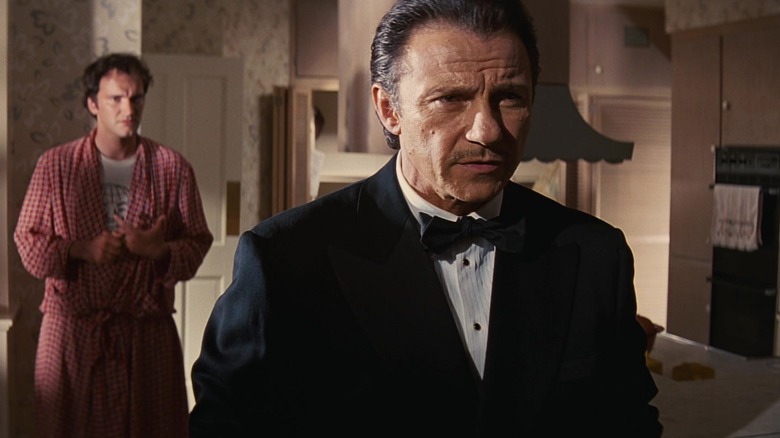
Keitel’s journey from a dancer in a soap opera to an actor who has worked with visionaries like Wes Anderson, Spike Lee, Jane Campion, and Adam Sandler highlights the value of adaptability. He did not let the limitations of a low-budget soap opera define his craft; rather, he used his early experiences to cultivate the intense, grounded, and often raw performance style that would eventually make him a household name.
Furthermore, his career trajectory mirrors the evolution of American film. By transitioning from the classical, stage-bound sets of the 1960s to the gritty, non-linear storytelling of the 1990s indie explosion, Keitel remained relevant by refusing to be pigeonholed. He became a "hero" of the independent scene not just by acting, but by actively producing films like Reservoir Dogs, proving that he understood the mechanics of the industry as well as he understood the mechanics of a character.
Conclusion: The Persistence of a Titan
At 87 years old, Harvey Keitel remains a force to be reckoned with. His filmography is so vast that even the most dedicated cinephile would struggle to list every project he has graced. From the dark, cavernous bars of Dark Shadows to the high-stakes world of The Irishman, Keitel has remained a constant, grounding presence.
His early days in Dark Shadows may have been obscure, but they were a necessary prologue to a life defined by unparalleled intensity and artistic curiosity. For those looking to understand the resilience required to make it in Hollywood, one need look no further than the blurry image of a young man dancing at The Blue Whale. It is a reminder that every legend begins in the background, waiting for the right moment to step into the spotlight.










