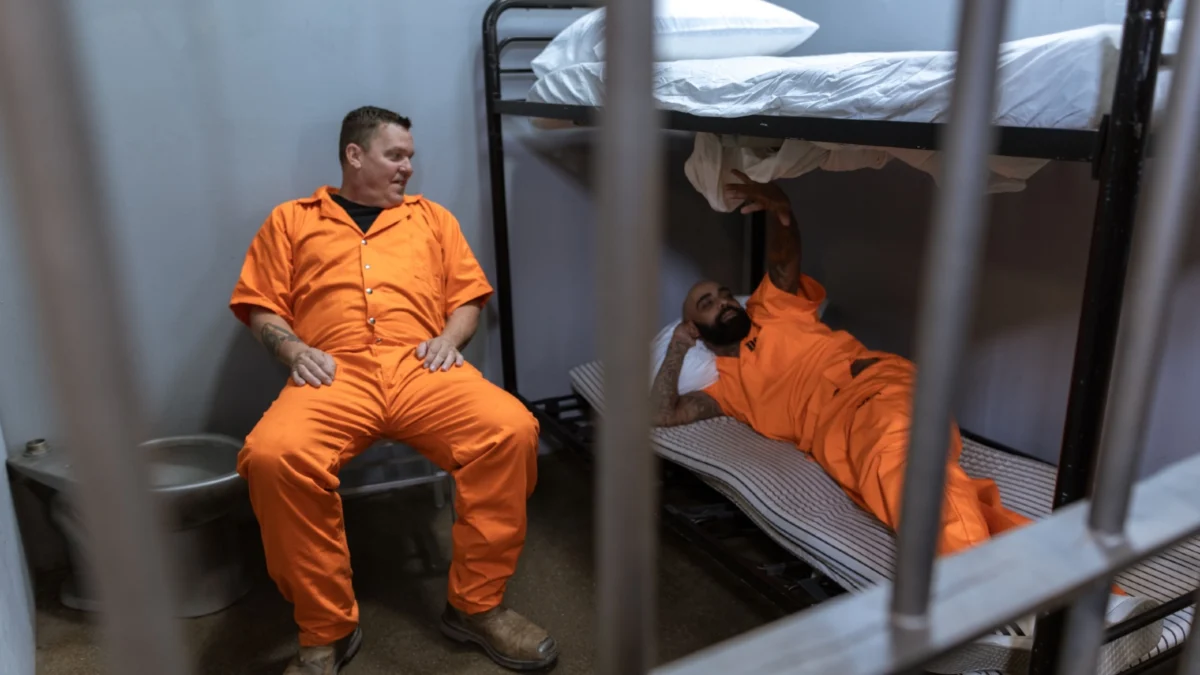
In a profound display of community spirit and restorative justice, an unexpected group of benefactors has stepped forward to address a pressing issue in Northwest Kansas. A coalition of inmates housed at the Norton Correctional Facility has successfully raised thousands of dollars to eliminate a significant portion of the outstanding school lunch debt at Norton Community Schools (USD 211), transforming a financial burden into a powerful lesson on empathy and societal contribution.
The Financial Crisis in the Cafeteria
At the close of the 2025-2026 academic year, Norton Community Schools found itself facing a common, yet distressing, challenge: a lingering unsettled debt of approximately $6,000. This deficit was not the result of administrative negligence, but rather a reflection of the economic hardships faced by families within the district.
Across the United States, public school districts are increasingly burdened by "lunch debt"—a situation where students are provided with breakfast and lunch regardless of their account balance, often as part of a commitment to combat childhood food insecurity. When families struggle with rising costs, unemployment, or unexpected emergencies, their children’s meal accounts often fall into arrears. For USD 211, this $6,000 represented hundreds of meals served to students who might otherwise have gone hungry, creating a fiscal gap that weighed heavily on the district’s ability to allocate resources elsewhere.
The Catalyst: Reaching Out From Within
The solution to this deficit emerged from a source few in the public sphere would anticipate. Inside the walls of the Norton Correctional Facility, a program known as Reaching Out From Within (ROFW) has been working to foster rehabilitation and personal growth.
ROFW is not merely a hobby group; it is a structured initiative designed to help inmates engage in deep self-reflection, address the roots of their past behaviors, and commit to a philosophy of nonviolence. The core mission of the group is to transition participants from a mindset of self-preservation to one of community accountability. When the group learned of the financial strain on the local school district—an institution that sits just miles away from the facility—they recognized an opportunity to take ownership of their role within the broader community.
The decision to fundraise was entirely inmate-led. Through internal coordination, members of the group began to pool their limited personal funds. These individuals, who possess very little in the way of personal wealth, sacrificed their own modest resources to ensure that local children could start the next school year with a clean slate.
A Chronology of Compassion
The initiative began in the late spring of 2026, as the school district began reconciling its year-end accounts. Upon discovering the extent of the lunch debt, the news circulated through the community, eventually reaching the ears of the inmates participating in the ROFW program.
- Late Spring 2026: The school district identifies the $6,000 deficit and seeks ways to address it without placing additional strain on the families.
- Early Summer 2026: The ROFW group at Norton Correctional Facility adopts the lunch debt as a philanthropic focus, launching an internal campaign.
- August 2026: Through collective effort and personal contributions, the inmates raise $3,810.
- Late August 2026: Recognizing the sincerity and momentum of the inmates’ efforts, staff members at the Kansas Department of Corrections (KDOC) decide to support the initiative, contributing an additional $457.
- September 2026: The total sum of $4,267 is officially presented to the school district, covering the vast majority of the outstanding balance.
Bridging the Gap: Official Responses and Human Impact
The moment of transfer was marked by a ceremony that transcended the typical boundaries between the correctional system and the public school system. Norton Community Schools Superintendent Corey Roy, who accepted the donation on behalf of the district, described the experience as deeply moving.
"I was very appreciative to have the chance to talk to them as a group, but also individually to hear how this made them feel to help someone else," Superintendent Roy stated. "I wanted them to know that they made a difference in a positive way."
Roy emphasized that the impact of the donation went far beyond the numbers on a spreadsheet. For the inmates, the act of giving provided a tangible connection to the outside world—a way to repair their relationship with the community they had previously harmed. "In listening to them, I believe this gave them a chance to reflect and know that moving forward they can make choices that are positive for themselves and others in the community," Roy noted.
The KDOC staff, who provided the "bridge" funding to bring the total to over $4,000, acted as facilitators of this restorative process. By matching the inmates’ enthusiasm with their own support, they reinforced the idea that rehabilitation is a collective effort involving both the incarcerated and the civil society that supports them.
The Broader Implications of Restorative Philanthropy
The actions taken by the men at Norton Correctional Facility serve as a compelling case study in the power of restorative justice. Often, the criminal justice system is viewed solely through the lens of punishment and isolation. However, programs like Reaching Out From Within suggest that when inmates are given the agency to contribute to the public good, the psychological benefits can be transformative.
Breaking the Cycle of Stigma
There is a persistent societal stigma that suggests those who have committed crimes are incapable of altruism. By actively working to alleviate childhood hunger, these inmates have disrupted that narrative. This act of service provides the participants with a sense of purpose and a tangible example of the impact they can have on the lives of others, which is a critical component of successful reintegration into society upon release.
Redefining Community
For the students of Norton Community Schools, the source of these funds may eventually become a lesson in itself. It demonstrates that help can come from unexpected places and that everyone, regardless of their past, has the capacity to be a force for good. The donation helps to stabilize the school’s budget, allowing the administration to focus on educational outcomes rather than debt recovery, but it also serves as a poignant reminder of the interconnectedness of all community members, even those behind bars.
Lessons in Personal Responsibility
For the inmates involved, the fundraiser was an exercise in deferred gratification and collective sacrifice. In an environment where resources are scarce, choosing to give away money for the benefit of strangers—specifically children—requires a level of emotional maturity and empathy that is often suppressed in the prison environment. This act serves as a "pro-social" behavior that, when reinforced, can be a predictor of successful long-term rehabilitation.
Moving Forward
While the $4,267 donation did not fully erase the $6,000 debt, it represented a monumental step in the right direction. It sparked a conversation about how the community views its incarcerated population and highlighted the persistent reality of food insecurity in rural America.
As school districts across the nation continue to grapple with the rising costs of providing universal or assisted meals, the story of the Norton Correctional Facility inmates offers a glimmer of hope. It suggests that when barriers are broken down—whether they be physical walls or social prejudices—communities can find common ground in the most basic of human values: ensuring that our children are fed and cared for.
This initiative is not just a one-time charity event; it is a template for how correctional facilities can integrate themselves into the fabric of the towns that host them. By fostering a culture of giving, programs like ROFW provide inmates with a pathway to redemption that is paved with genuine, observable impact. For the families of Norton, the generosity of these men means one less worry as they send their children to school each morning. For the inmates, it is a testament to the fact that, regardless of where they are, they still have the power to do good.