The digital landscape of the 2010s was defined by creative pioneers who pushed the boundaries of visual effects on a shoestring budget. Among these visionaries were Sam Wickert and Eric Uys, the duo behind SoKrispyMedia. Their flagship project, Chalk Warfare, debuted in 2012 as a high-concept short film series that captivated audiences with the whimsical yet dangerous premise of hand-drawn weapons coming to life. Over the last decade, the series has accumulated over 350 million views, cementing its place in YouTube history. Now, after years of development, SoKrispyMedia is finally transitioning from passive storytelling to active, chaotic multiplayer combat with the announcement of Chalk Warfare: The Game.
The Core Concept: Drawing the Battlefield
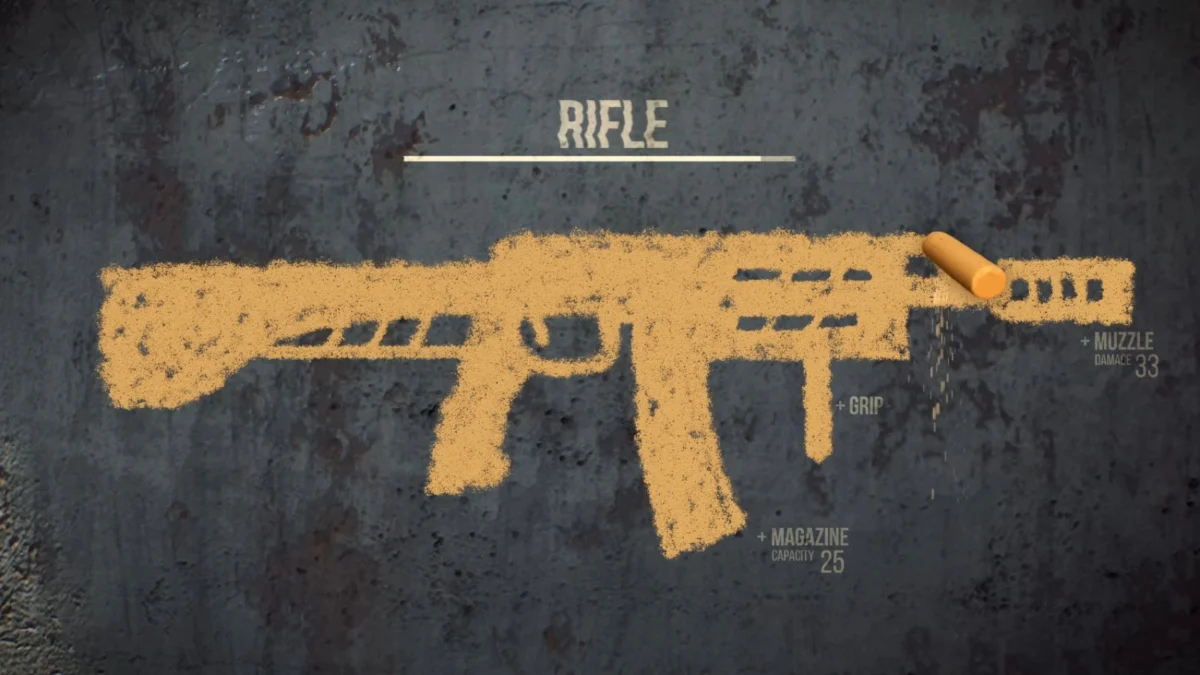
At its heart, Chalk Warfare is a multiplayer first-person shooter that challenges the conventions of the genre. Rather than selecting loadouts from a pre-determined menu, players are tasked with physically sketching their own weaponry.
The game utilizes a sophisticated, custom-built real-time drawing recognition system. When a player draws a weapon on their virtual canvas, the engine analyzes the geometry and strokes in real-time. This is not a system of pre-set templates; it is an intelligent architecture trained on a proprietary dataset. A grip changes the handling of the weapon, the addition of a sight allows for precision aiming, and the size of the magazine dictates ammunition capacity. Because the system interprets intent rather than matching patterns, every weapon created is a unique manifestation of the player’s imagination, creating a sandbox where creativity is just as lethal as aim.
A Decade of Iteration: A Chronology of Development
The road to bringing Chalk Warfare to the gaming space was far from a straight line. For Wickert and Uys, the project was a labor of love that spanned years of trial and error, characterized by a refusal to settle for a "good enough" experience.
The Third-Person Experiment
In the early stages of prototyping, the team explored a third-person perspective. While the mechanics functioned, the immersion felt detached. For a game predicated on the intimacy of "drawing your own weapon," the team realized that the player needed to be behind the sights, not watching a character model hold them.
The Failure of Templates
A significant hurdle occurred when the team experimented with weapon templates—a standard approach in many modern shooters. By allowing players to select from a list of pre-designed parts, they sought to simplify development. However, this stripped away the tactile magic that made the original YouTube shorts so compelling. The game ceased to be about personal expression and started feeling like a generic shooter with a gimmick. It was this realization that pushed them to scrap the template system entirely and commit to developing their own AI recognition engine.
The "Crunch" to Launch
The intensity of the development cycle peaked just days before the game’s showcase at Unreal Fest. During a final playtest involving a group of young testers, the team encountered significant technical bugs, including a jarring glitch where player hands would contort unnaturally during mid-session drawing. Recognizing that the demo needed to be flawless for the event, the developers committed to three consecutive all-nighters, pushing the engine to its limits to ensure stability and responsiveness.
The Technological Architecture
The magic of Chalk Warfare relies heavily on the bridge between machine learning and player input. At Unreal Fest, the studio showcased a live debug view of their AI architecture. Observers could see the AI "thinking" as lines were drawn, identifying the intent behind every stroke.
Training the Model
The team spent years cultivating a model that could interpret human input. By feeding the AI thousands of iterations of "doodles," they created a system that is robust enough to handle the chaotic nature of human sketching. Wickert noted that the model is designed to be iterative; it improves with every interaction, meaning the game effectively learns from its community.
Immersion and Legacy
To ground the player in the Chalk Warfare universe, the studio integrated familiar elements from their film series. Stuart, a beloved character from the original shorts, serves as the game’s guide. The team went to painstaking lengths to ensure the immersion was total, recording hundreds of individual voice lines for Stuart, particularly for when he is struck by player-created weaponry, to ensure that every interaction feels reactive and alive.
Official Responses and Creative Vision
For Sam Wickert, the development of this game represents more than just a commercial expansion of a brand; it is the culmination of a long-held dream. In a recent interview, he reflected on the fatigue that often comes with long-term projects and the revitalization he felt upon seeing players interact with the system.
"We always wanted it to be a game, but we knew we had to do it right," Wickert stated. "This is probably the first time I’ve been excited about an idea and about a game in a long while."
His sentiment highlights the difference between studio-led AAA projects and developer-led passion projects. While a large corporation might have pushed the game to market with templates to save on development costs, SoKrispyMedia chose the harder path of building a custom AI to preserve the integrity of their vision. This dedication to the "feel" of the experience is what has historically allowed indie developers to foster such deep connections with their player bases.
Implications for the Indie Gaming Landscape
The trajectory of Chalk Warfare reflects a broader trend in the gaming industry: the rise of the "creator-developer." As high-end game development tools like Unreal Engine become more accessible, content creators—who have already built massive, dedicated audiences on platforms like YouTube—are increasingly leveraging their IP to create interactive experiences that go beyond mere merchandising.
The Community Connection
The story of SoKrispyMedia echoes the recent narrative of indie developers who go to extreme lengths to accommodate their players. For example, the developer who implemented full language support for a single user in the Czech Republic set a precedent for what modern indie success looks like: it is defined not by mass-market appeal, but by deep, resonant engagement with a niche community.
The Future of Procedural Interaction
By utilizing AI not just for NPC behavior but for core gameplay mechanics like weapon creation, Chalk Warfare is pushing the boundaries of procedural generation. If successful, this could usher in a new wave of games where the player’s physical input—whether it be drawing, vocalizing, or gesturing—becomes the primary controller of the game world.
Conclusion
Chalk Warfare is a testament to the idea that some concepts are simply too large for a screen, and must be lived in. By moving from the passive observation of a viral video to the active creation of a combat experience, Sam Wickert and Eric Uys are inviting their fans to pick up the digital chalk and participate in the world they helped create.
As the game nears its release, it stands as a reminder that the most compelling games are often those born from a decade of refinement, the courage to scrap "good enough" prototypes, and the technical ambition to build something entirely new. For the millions who grew up watching the original shorts, Chalk Warfare: The Game is not just a release—it is an invitation to step inside the screen and finally, finally draw their own weapon.