Lina Irawan
In a watershed moment for the Cupertino giant, Apple has officially ushered in a new chapter of mobile computing. At today’s keynote—the first to be spearheaded by newly appointed CEO John Ternus—Apple unveiled its most significant hardware leap in a decade. The centerpiece of this transformation is the A20 Pro, a formidable 2-nanometer system-on-a-chip (SoC) that signals a total break from third-party reliance, bolstered by the debut of Apple’s proprietary C2 cellular modem.
This launch marks more than just an iterative update; it represents a fundamental shift in how Apple designs, cools, and powers its mobile ecosystem, culminating in the much-anticipated arrival of the foldable iPhone Duo.
The Technological Leap: The A20 Pro and C2 Modem
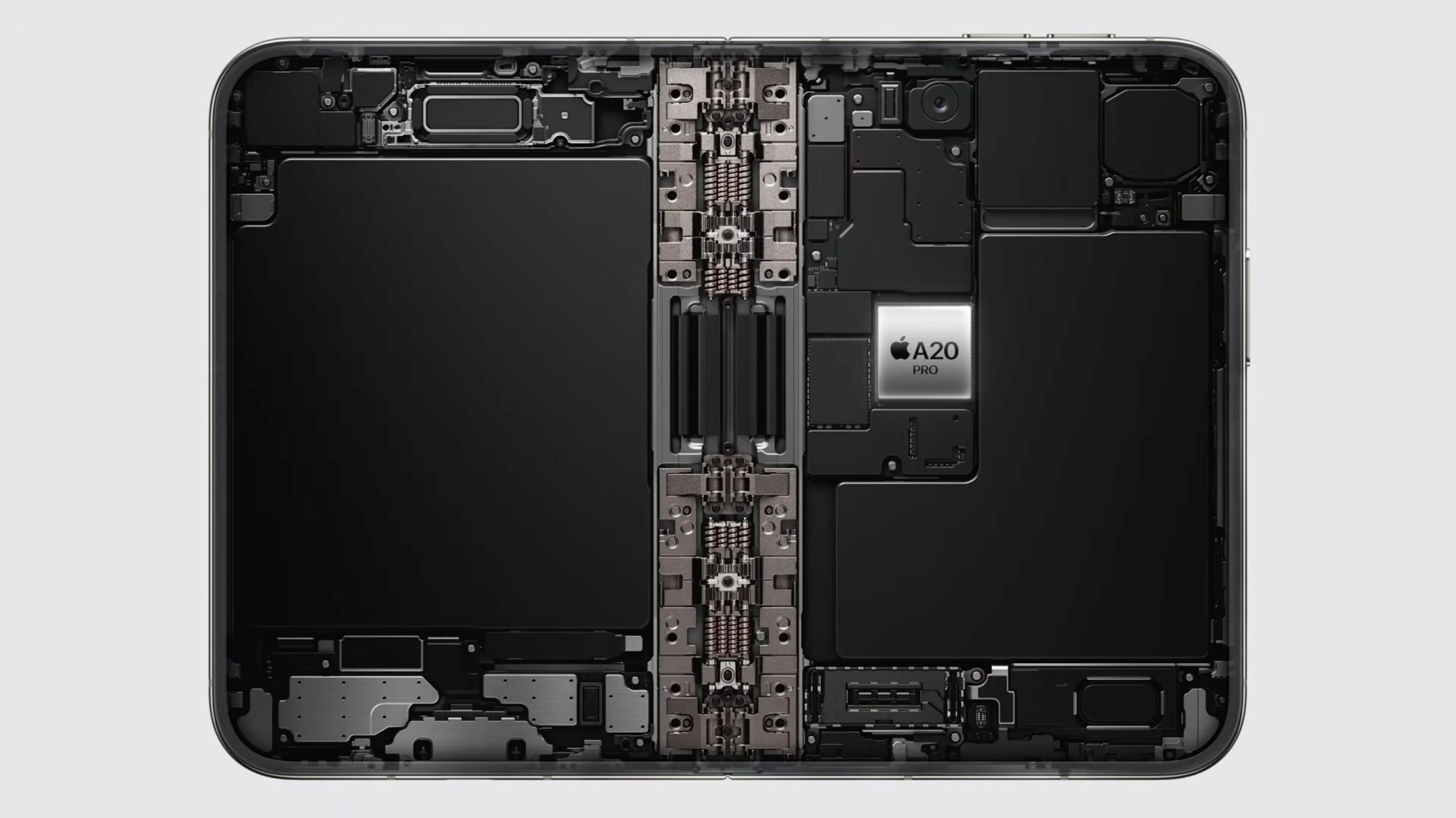
The A20 Pro stands as the crown jewel of Apple’s current silicon roadmap. As the company’s first 2nm chip integrated into a smartphone, the A20 Pro follows in the footsteps of the M6 desktop-class processor. By leveraging an advanced 2nm process, Apple has packed unprecedented density into the silicon, resulting in a chip that the company claims is the "fastest CPU ever in a smartphone."
Architecture and Performance
The A20 Pro features a sophisticated 6-core CPU architecture. It pairs two high-performance "super-cores"—which boast a 20% speed improvement over the previous generation—with four efficiency-focused cores equipped with advanced neural accelerators. This "desktop-class" performance is further complemented by a new 7-core GPU that delivers a 40% boost in graphical throughput.
Perhaps most impressive is the integration of dual neural engines comprising 32 cores in total. These engines facilitate a 2x increase in FP8 compute speed, providing a massive backbone for the next generation of on-device machine learning tasks. Furthermore, a 50% increase in memory bandwidth makes this the widest memory interface ever utilized in an iPhone, ensuring that data bottlenecks are a thing of the past.
The End of the Qualcomm Era
For years, the industry has speculated about Apple’s desire to move away from Qualcomm modems. Today, that speculation turned into reality with the introduction of the C2 cellular modem. Designed entirely in-house, the C2 modem is engineered to be more energy-efficient, drawing 15% less power than the previous C1X while delivering significantly faster upload speeds. Crucially, the C2 adds robust mmWave support for the U.S. market, paired with the N1 networking chip, which provides native support for Wi-Fi 7, Bluetooth 6, and Thread networking.
Thermal Engineering: Rethinking the Chassis
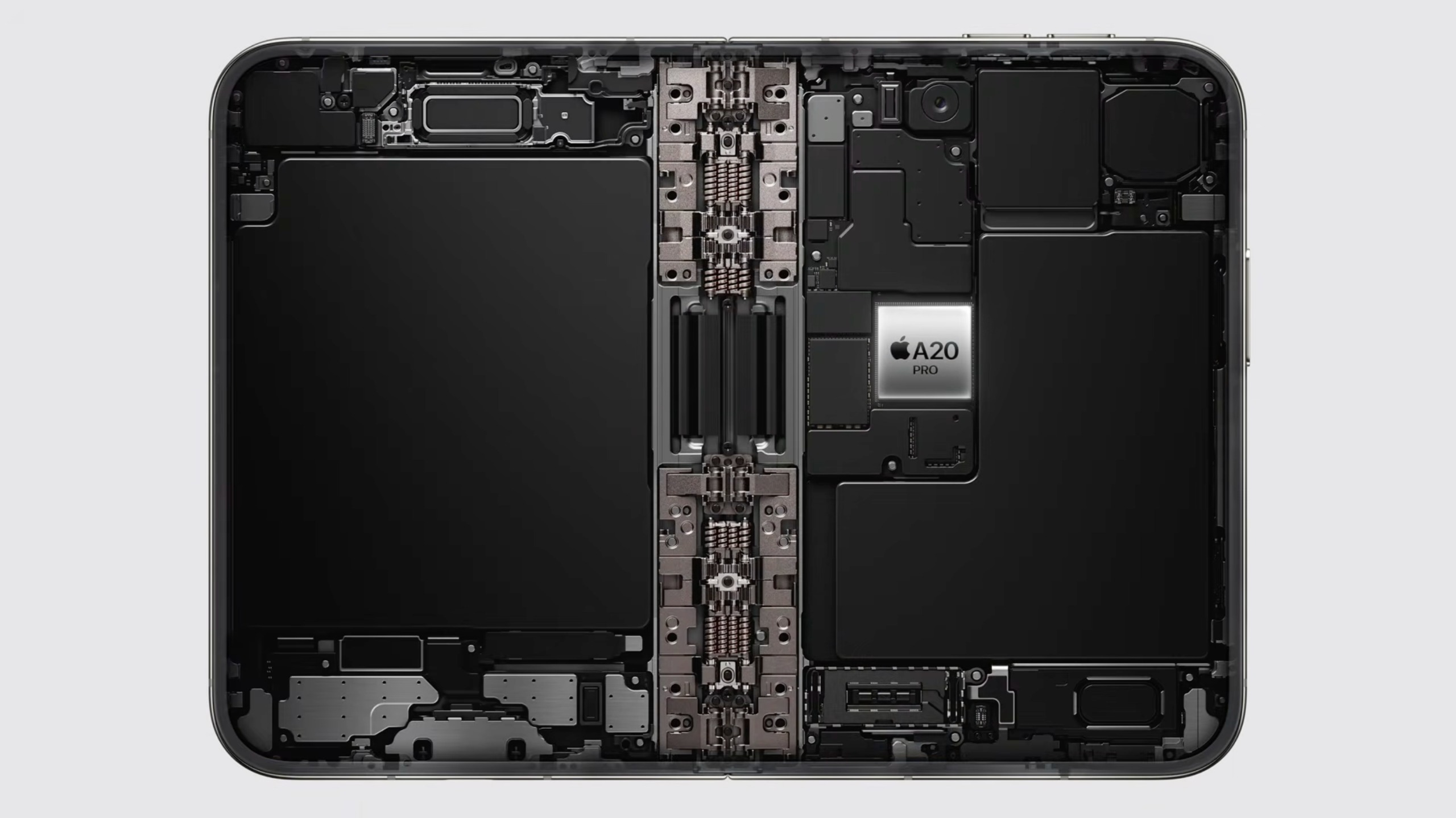
Apple has completely overhauled the internal packaging of the A20 Pro to accommodate its massive performance gains. By shifting the memory away from the primary thermal path of the SoC, engineers have allowed the silicon to attach directly to a redesigned vapor chamber. This chamber, which is three times larger than the one found in the iPhone 17 Pro, utilizes a combination of graphite, copper, and 80% recycled stainless steel to dissipate heat. These refinements allow the device to maintain a 40% increase in sustained performance over the iPhone 17 Pro, and a staggering 2x increase over the iPhone 16 Pro.
Chronology: The Evolution of the Foldable Dream
The journey to the iPhone Duo has been long, characterized by years of rumors and patent filings.
- 2022–2024: Persistent rumors regarding an "Apple Foldable" project circulate, with reports suggesting internal testing of various hinge mechanisms and display durability tests.
- August 2025: Apple announces the M6 2nm chip, setting the stage for the transition to 2nm mobile architecture.
- September 18, 2026 (Launch Day): John Ternus takes the stage to unveil the iPhone 18 Pro, Pro Max, and the highly anticipated iPhone Duo.
- October 23, 2026: Official retail availability of the iPhone Duo, marking the first time a foldable device has entered Apple’s premium lineup.
The iPhone Duo: A New Form Factor
The iPhone Duo represents Apple’s definitive answer to the foldable market. Designed to bridge the gap between pocketability and tablet-like utility, the device features an aerospace-grade titanium construction and a complex hinge mechanism housing over 100 individual components.

Display and Ergonomics
When fully unfolded, the Duo offers a 7.6-inch display, the largest ever seen on an iPhone. To mitigate the "crease" issue that has plagued foldable competitors, Apple has implemented a titanium plate behind the panel, paired with an anti-glare coating that the company claims feels indistinguishable from a standard glass display.
The software experience is equally transformed. iOS 27 introduces a contextual dock and UI controls that migrate to the sides of the display, ensuring that tools are always within reach of the user’s thumbs. Additionally, the device supports a "tent mode" for hands-free viewing and interaction, even when the device is not charging.
Biometrics and Photography
In a strategic departure from the Face ID systems found in the flagship slab phones, the Duo utilizes Touch ID. Apple argues that for a foldable device, a fingerprint sensor is more intuitive, as it remains accessible whether the device is open or closed, and allows for the enrollment of multiple fingers.
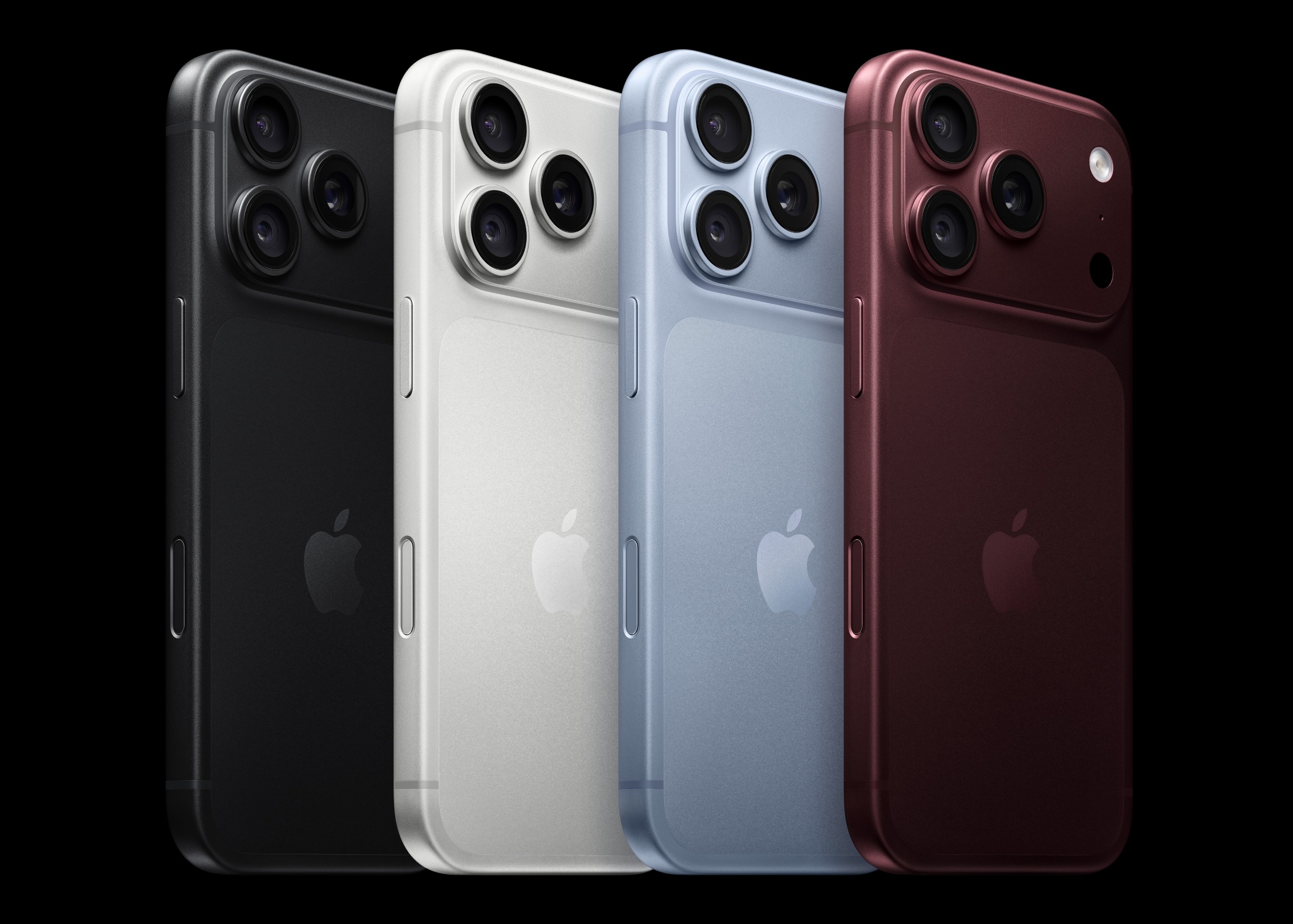
The camera system is equally robust. The rear features a dual-lens array: a 48MP main sensor capable of 2x telephoto, and an ultrawide secondary lens. The inner display houses a sophisticated under-screen FaceTime camera, maintaining a clean, uninterrupted viewing experience.
Supporting Data: Battery Life and Sustainability
One of the primary concerns regarding foldable devices has always been battery longevity. Apple addresses this by utilizing an eSIM-only configuration worldwide, which frees up internal space for dual batteries. These batteries operate in tandem under a unified power management system.
According to Apple’s internal testing, the Duo delivers:

- 31 hours of video playback on the inner display.
- 44 hours of video playback on the outer display.
- 24 hours of sustained performance under "balanced usage" (equal time on both screens).
Official Responses and Strategic Implications
During the keynote, John Ternus emphasized that the transition to the A20 Pro and the C2 modem was not merely about raw power, but about "cohesive integration."
"We are no longer just building phones; we are building environments," Ternus stated. "By owning the silicon, the modem, and the display engine, we have created a level of efficiency that allows for the iPhone Duo to be the thinnest foldable on the market while outperforming every other mobile device in its class."
Market Implications
The launch of the iPhone 18 series and the Duo at price points of $1,199, $1,299, and $1,999 respectively, indicates that Apple is confident in its premium positioning. The move to in-house modems is likely to have significant ripple effects for companies like Qualcomm, which has long been a critical partner in the Apple ecosystem.
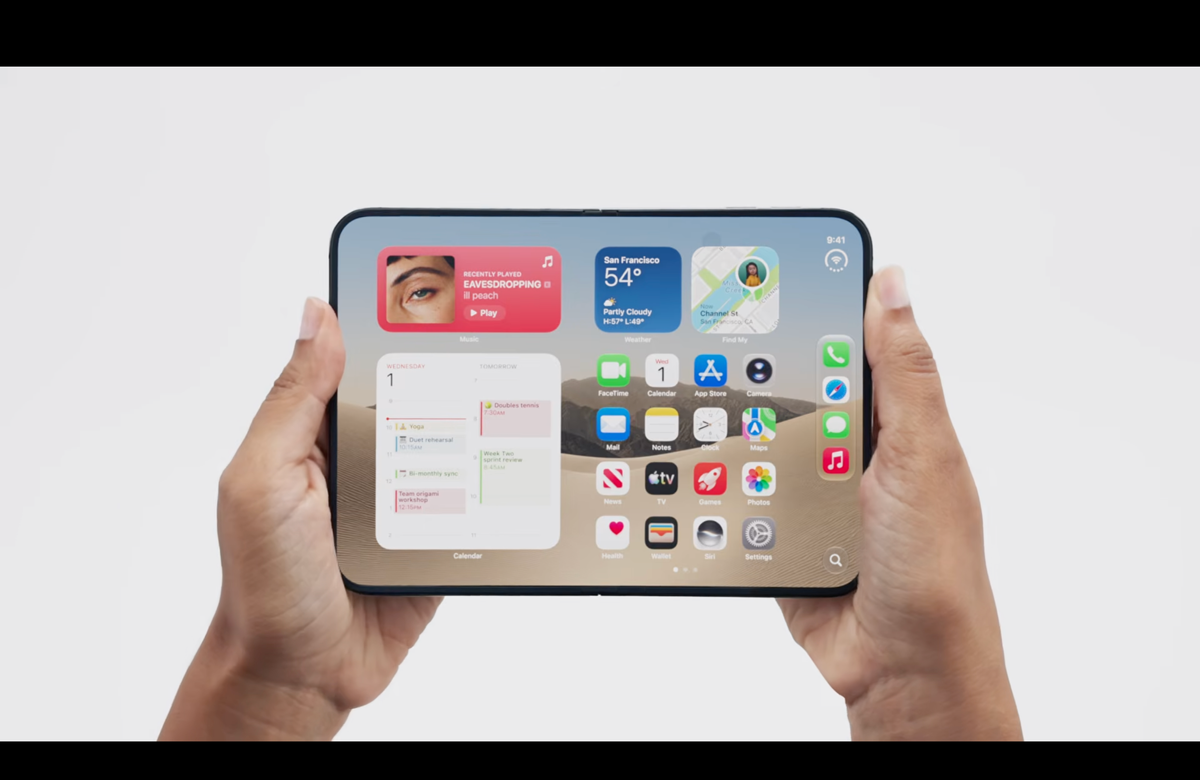
Furthermore, by introducing support for the Apple Pencil on the Duo (arriving in a future software update), Apple is clearly positioning the device as a productivity powerhouse for creatives, directly challenging the iPad Mini’s market share.
Conclusion: The Future of the "Apple Way"
The transition to the A20 Pro architecture and the release of the iPhone Duo mark a pivotal moment in the history of consumer electronics. Apple has successfully managed to scale its desktop-grade silicon to a 2nm mobile process, while simultaneously solving the complex thermal and structural challenges of a foldable form factor.
As the company looks toward the launch date of October 23, the question remains: will the market embrace the foldable form factor at the premium price point Apple has set? If the history of the iPhone is any indication, the combination of superior hardware, a refined operating system, and the sheer performance of the A20 Pro will likely ensure that the iPhone Duo becomes the new benchmark by which all other foldable devices are measured.


 Laily UPN
 Nana
Nana