Asro
Asro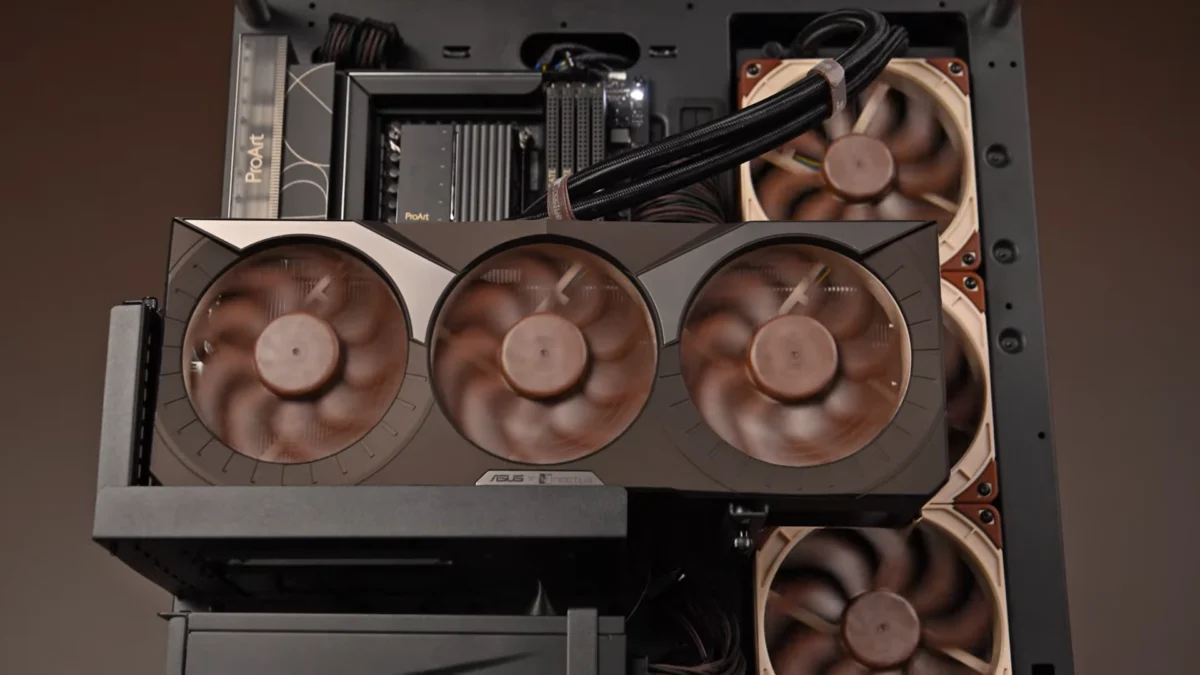
The landscape for high-end PC hardware has been shaken by a dramatic, compounding crisis surrounding Nvidia’s premier gaming graphics card, the GeForce RTX 5090. Once a standard, albeit expensive, component for high-end enthusiasts, the card has effectively vanished from major online retailers. In its wake, a vacuum has been filled by predatory third-party pricing, with units now commanding astronomical figures ranging from $6,500 to upwards of $9,500—prices that defy the logic of the consumer electronics market.
As inventory levels hit historic lows, the situation has devolved into a cautionary tale regarding supply chain volatility, the unchecked influence of speculative demand, and the persistent threat of digital fraud.
The Current State of Play: A Market in Disarray
For those seeking to purchase an RTX 5090 today, the online experience is uniform: empty shelves at major retailers like Best Buy or official Nvidia channels, and a "Wild West" environment on secondary marketplaces.
At Newegg, the few listings that remain are tethered to third-party entities with questionable track records. For instance, an MSI Ventus 3X, typically a mid-tier enthusiast choice, is currently listed by a seller with a 2.8/5 rating for a staggering $6,449. Over on Amazon, the situation is even more precarious. Listings for the Asus TUF Gaming OC have appeared at $6,395, yet recent buyer feedback is littered with one-star reports detailing unfulfilled orders, phantom shipping, and complete lack of communication from sellers.
The disparity between the card’s actual value and these "scalper-adjacent" prices is staggering. While the median price in June hovered around $4,299, the market has seen a rapid escalation since early September, when the lowest logged price was $5,199. To see these prices balloon by thousands of dollars in less than a fortnight indicates a severe breakdown in the traditional retail pipeline.
Chronology of a Shortage
To understand the current scarcity, one must look at the trajectory of the RTX 5090 over the last six months.
- Q2 2024 (Stability): Throughout the early summer, the RTX 5090 maintained a relatively stable, albeit premium, price point. While expensive, it was accessible through standard retail channels.
- August 2024 (The Shift): As AI-driven demand for high-VRAM, high-bandwidth hardware began to bleed over into the consumer sector, stock levels began to fluctuate. Retailers began reporting "out of stock" statuses more frequently.
- September 2024 (The Collapse): Within the first two weeks of September, virtually all legitimate retail inventory evaporated. The disappearance of standard stock forced the market to rely on third-party marketplace sellers, leading to the current pricing surge.
- Mid-September 2024 (The Present): The market is now defined by extreme price volatility, where the "cheapest" cards are marked up by nearly 150% of their base value, and the risk of fraud has reached a critical threshold.
Supporting Data: Why the RTX 5090 Is a Target
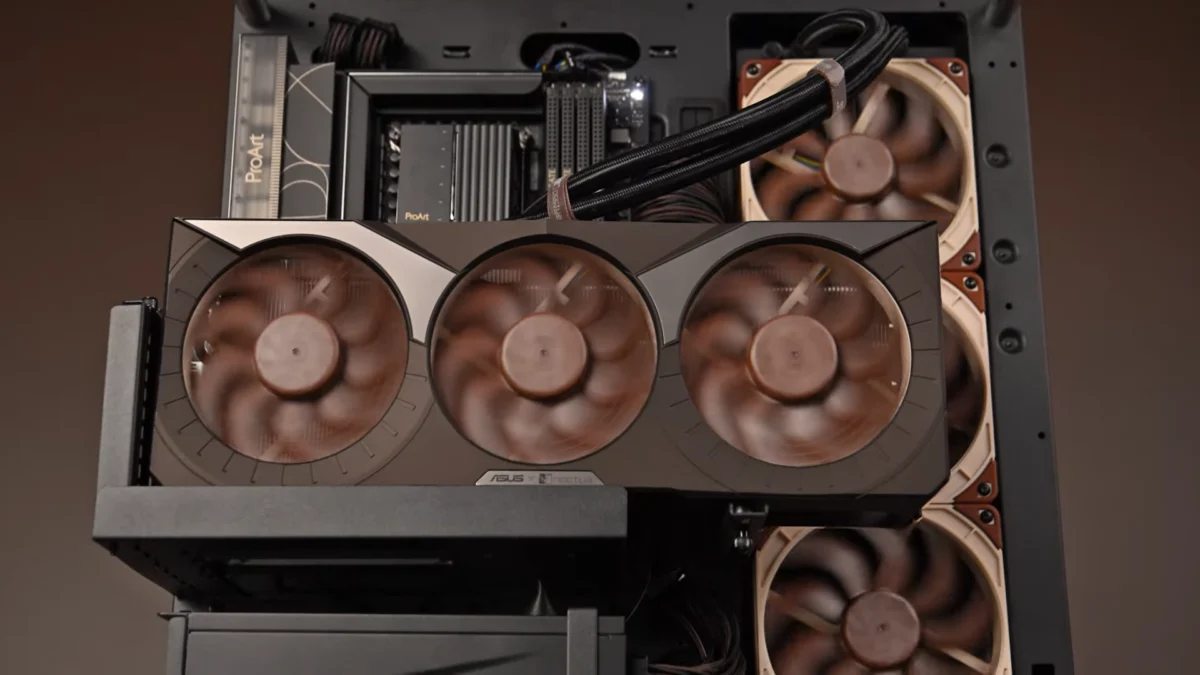
The demand for the RTX 5090 is not merely driven by gamers looking for the best frame rates; it is fueled by the insatiable appetite for AI-capable hardware. The RTX 5090 features the GB202 GPU architecture paired with 32GB of high-speed GDDR7 memory.
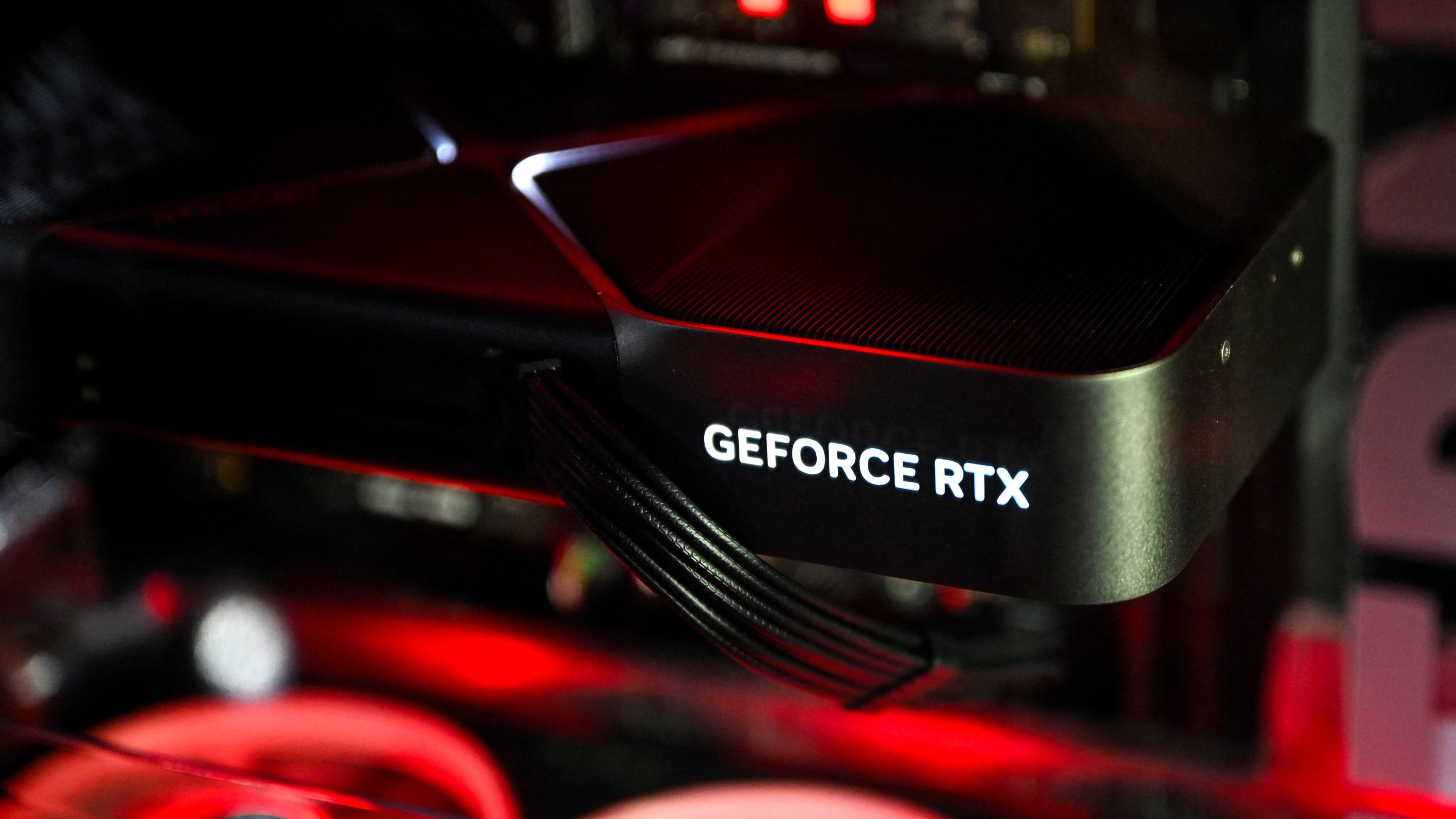
When compared to professional-grade hardware like the Nvidia RTX Pro 5000 (48GB), the RTX 5090 offers a significantly better value proposition. The Pro 5000, which features fewer enabled shader units and lower memory bandwidth, retails for between $7,000 and $9,000. In the eyes of small-scale AI developers, researchers, and boutique server builders, the RTX 5090 is effectively a "discounted" workstation card. This cross-pollination of industries has created a perfect storm where the supply intended for gamers is being absorbed by enterprise-adjacent demand.
The Scourge of Scams: A Warning to Consumers
The extreme pricing and scarcity have created a fertile breeding ground for malicious actors. High-ticket items are natural magnets for "bait-and-switch" scams, and the RTX 5090 has become a primary target.
In January, a significant scam involving 42 victims highlighted the danger of "too-good-to-be-true" listings. Buyers attempted to purchase an RTX 5090 at a $999 price point—a price that, while high, seemed potentially plausible during a moment of desperation. Instead of receiving a high-end GPU, victims received a cheap fanny pack. More recently, investigators have tracked a surge in "phantom hardware" sales, where scammers sell used or gutted cards—often with the core and memory modules physically removed—at prices near MSRP.
These instances serve as a stark reminder: if a listing appears on an unverified marketplace, it is almost certainly a trap. Consumers are strongly advised to avoid third-party sellers on sites like Amazon or Newegg unless the seller is a verified, long-standing entity with a significant, verifiable history of positive transactions.
The Exception: The Micro Center Model
Amid the chaos of the online market, one retailer has remained a bastion of relative stability: Micro Center. By maintaining a policy of in-person, brick-and-mortar sales, the company has effectively insulated its stock from the automated buyouts and bulk-scalping scripts that plague online storefronts.
At the time of this report, local Micro Center outlets still hold stock of the RTX 5090 at prices hovering around the $4,299 mark. This model demonstrates that while the supply chain is indeed constrained, the current "extortionate" pricing is largely an artifact of the online secondary market rather than a total lack of physical hardware. The ability to verify the product in person remains the only reliable safeguard against the current wave of digital fraud.
Implications for the Future of PC Gaming
The dominance of the RTX 5090 in the gaming sphere remains unchallenged, particularly as it serves as the primary vessel for testing and implementing technologies like DLSS 5 Neural Rendering. As Nvidia continues to push the boundaries of what is possible with Blackwell architecture, the RTX 5090 stands as the only card capable of fully capitalizing on these advancements.
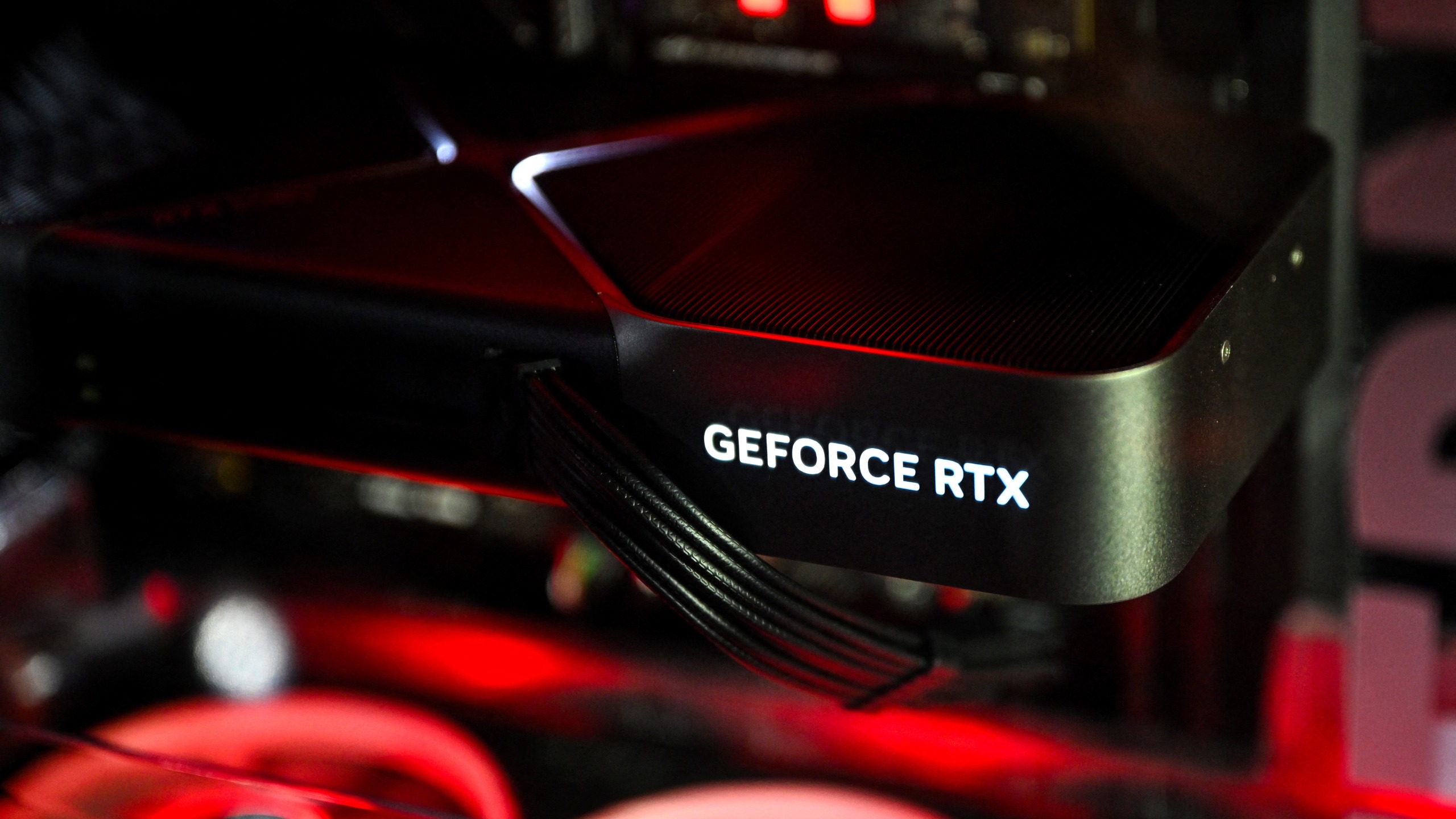
However, the implications of this shortage are grim for the average consumer. If high-end hardware continues to be siphoned off by AI-focused entities or trapped in cycles of artificial scarcity, the barrier to entry for enthusiast-level PC gaming will continue to rise.
Furthermore, this situation poses a significant PR challenge for Nvidia. While the company cannot control the actions of third-party scalpers, the optics of a flagship product being completely unavailable through official channels—while being listed for nearly $10,000 elsewhere—is damaging to the brand’s reputation among its core constituency.
Official Responses and Next Steps
We have reached out to Nvidia for an official comment regarding the current inventory crisis. Specifically, we have requested information on whether the company intends to adjust production schedules or implement measures to prioritize end-user gamers over bulk purchasers and scalpers.
As of the time of writing, we are awaiting a response. This story is a developing situation; as more information becomes available, we will provide updates on whether any measures are taken to restore market balance.
For now, the advice to the community remains the same: exercise extreme caution, avoid unverified third-party marketplaces, and, if you are in the market for an RTX 5090, look toward local, in-person retailers that can guarantee the authenticity and availability of your purchase. The, "fastest gaming graphics card on the market" is a crown jewel, but it is not worth falling victim to a thousands-of-dollars scam.

 Lina Hope
 Nana Wu