Layla Zulfa
Meta’s text-based social platform, Threads, is rapidly evolving from a simple microblogging alternative into a comprehensive ecosystem for creators. After a tentative rollout of podcast-focused features earlier in 2025, Meta has officially doubled down on its commitment to the audio medium, introducing a suite of robust tools designed to transform how podcasts are discovered, shared, and analyzed.
The new update integrates features that directly address the friction points creators have long faced when trying to convert social media followers into loyal podcast listeners. By offering in-app transcripts, sophisticated analytics, and streamlined saving mechanisms, Meta is positioning Threads as the premier destination for podcast promotion.
The Core Transformation: Key New Features
The latest update isn’t merely a minor tweak to the user interface; it represents a fundamental shift in how audio content is treated within the Threads ecosystem.
In-App Transcripts and Audio Previews
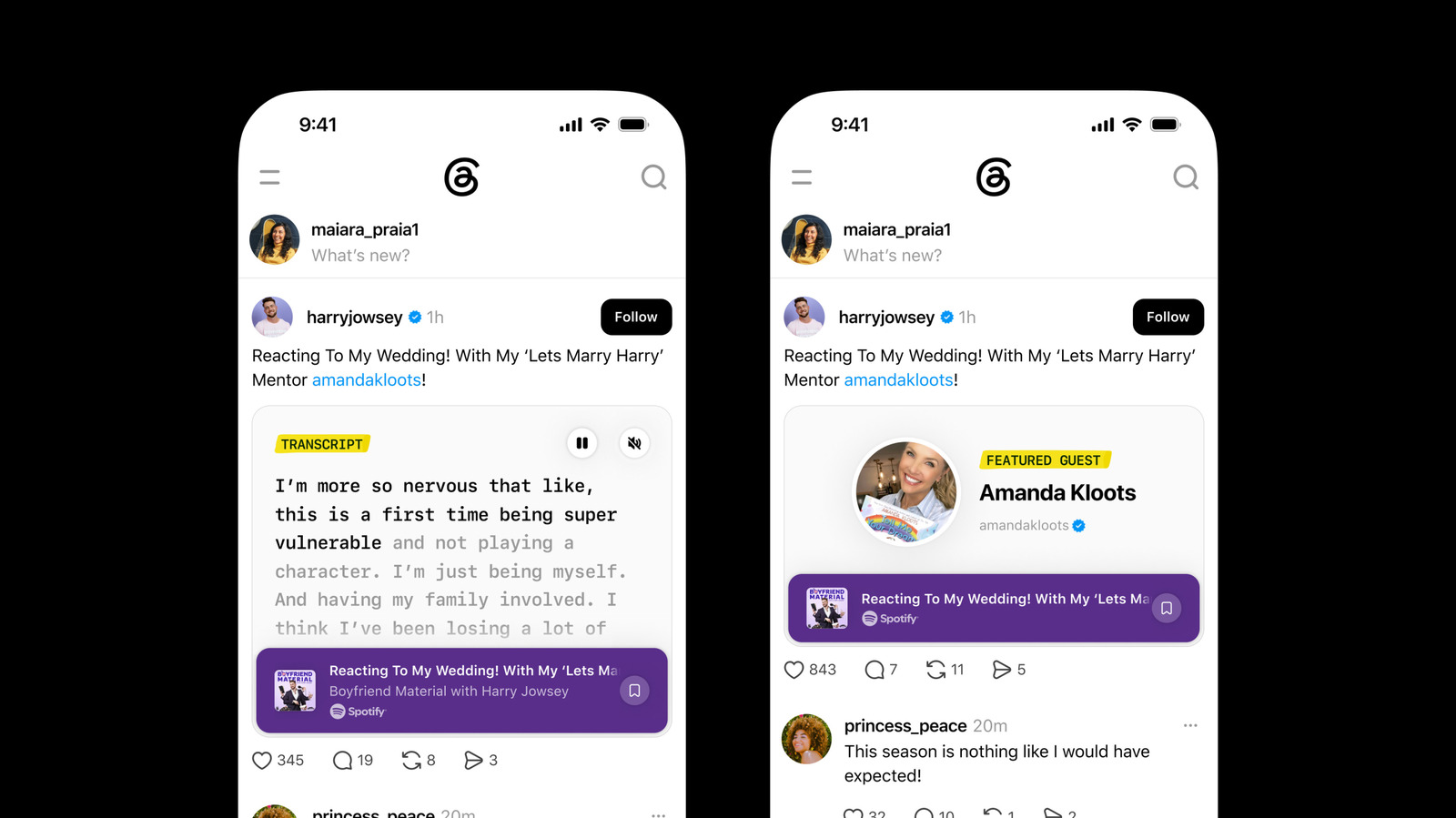
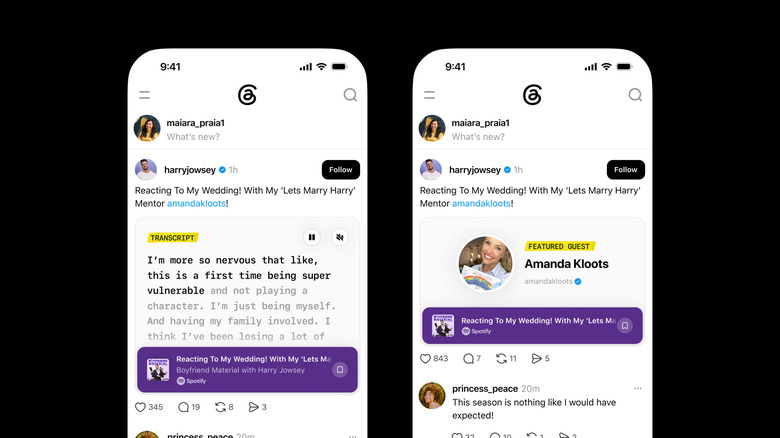
The most significant addition is the native support for podcast transcripts. First teased by Threads head Connor Hayes in August, this feature allows creators to display a written transcript of a segment directly within their posts. This is a game-changer for accessibility and discoverability. Users can now scan the text of an episode before committing to a full listen, making content easier to index and search. Furthermore, users can play an audio preview directly from the post, reducing the "click-away" friction that often discourages users from visiting external links.
The "Save for Later" Ecosystem
To combat the issue of "passive interest"—where users see a link but forget to engage with it—Threads has introduced a dedicated "save" functionality. By allowing users to bookmark episodes for later, the platform creates a personalized library of content, effectively increasing the likelihood that a casual scroll turns into a long-form listening session.
Enhanced Creator Analytics
Perhaps most surprising is the new approach to analytics. While Meta has historically been guarded about sharing data that tracks users leaving their ecosystem, the new podcast dashboard provides detailed insights into link clicks and saves specifically related to episodes. This transparency is a rare departure from the company’s broader strategy, which usually prioritizes keeping users within the app.
A Chronology of Integration: From Experiment to Essential
The journey of Threads toward becoming a "podcast-first" social app has been methodical, reflecting Meta’s cautious but deliberate strategy.
- Early 2025: Meta begins testing basic "podcast-specific" sharing features, allowing users to embed standard links with preview imagery.
- August 2025: Connor Hayes publicly acknowledges that the team is developing transcription tools, signaling a move toward deeper audio-to-text integration.
- Late 2025: The "soft launch" of creator nudges begins, where the app suggests that creators share their latest episodes immediately after they premiere on platforms like Spotify or Apple Podcasts.
- Current Day: The full suite of tools—transcripts, audio previews, "save" buttons, and specialized podcast analytics—goes live for all verified and professional creators.
This timeline demonstrates that Meta has been listening to the pain points of the creator economy. Rather than trying to build its own hosting platform, Meta is choosing to act as the ultimate "discovery engine" for the existing podcast infrastructure.
The Strategic Logic: Why Podcasting?
To understand why Meta is dedicating significant engineering resources to podcasts, one must look at the broader landscape of digital media. Video podcasts, in particular, have become the "holy grail" of content marketing.
The Multi-Platform Content Pipeline
Video podcasts are highly efficient. A single hour-long recording can be sliced into:
- Short-form clips for Reels, TikTok, and YouTube Shorts.
- Transcripts for SEO-optimized blog posts or Threads threads.
- Audio-only snippets for social media engagement.
- Long-form video for YouTube or streaming platforms like Netflix.
By integrating seamlessly with this pipeline, Threads becomes a necessary stop in the distribution cycle. Meta recognizes that if it can own the conversation around the podcast, it can capture the audience’s attention before they ever open their podcast player.
The "Default" Discovery Engine
As the internet becomes more fragmented, creators are struggling to find a "home base" for their audience. X (formerly Twitter) has become increasingly volatile for some creators, and YouTube is a video-first platform. Threads, with its focus on text-based conversation, provides the perfect environment for the intellectual, long-form discussions that podcasts often foster. Meta is betting that by making it easier to point "new eyes and ears" to shows, it can secure its place as the definitive social layer of the internet.
Addressing the Analytics Paradox
A critical point of discussion in the tech industry is Meta’s unique approach to podcast analytics. In the broader Threads ecosystem, Meta has recently overhauled its internal analytics to emphasize reach and engagement within the app while de-emphasizing outbound link clicks.
However, for podcasts, they have made an exception. By providing creators with granular data on who is clicking through to their audio hosting sites, Meta is acknowledging that the value of a podcast creator is tied to their ability to drive traffic to external platforms. This is a pragmatic, if unusual, concession that suggests Meta sees the "Podcast Creator" as a distinct, high-value user segment that requires special treatment to keep them active on the platform.
Implications for the Creator Economy
The implications of this update are profound for both established media companies and independent podcasters.
Leveling the Playing Field
Independent creators often lack the marketing budgets to run massive ad campaigns. By providing tools that increase organic discovery—such as the ability to highlight a guest via tags or share a transcript snippet—Meta is effectively providing free, high-quality promotional tools to the masses. This helps smaller shows compete with major media networks, provided they can craft compelling, shareable snippets of their content.
The Death of the "Link-in-Bio" Struggle
For years, the "link in bio" has been the bane of social media marketing. It is a dead-end that results in high drop-off rates. By moving the preview, the transcript, and the save button into the post itself, Meta is significantly reducing the number of steps required to start a podcast. This shift toward "frictionless engagement" is expected to increase click-through rates (CTR) for podcast links across the platform.
Looking Ahead: The Future of Audio on Threads
As we look toward the future, the integration of AI is the next logical step. Given Meta’s heavy investment in Llama and other AI initiatives, it is highly probable that we will soon see automated "summarization" features on Threads. Imagine a feature where, instead of a static transcript, an AI generates a bulleted summary of the most controversial or interesting parts of a podcast episode, automatically generating a conversation starter for the comments section.
Furthermore, the "nudges" currently being sent to creators to remind them to post are just the beginning. We may soon see automated "Remix" tools, where the app suggests the best 30-second audio-to-video clip for a creator to post based on audience engagement patterns.
A Strategic Conclusion
Meta’s aggressive move into the podcasting space is a calculated maneuver to solidify Threads as the "town square" for creators. By providing the tools that make podcasts more accessible, trackable, and shareable, Meta is not just adding a feature—it is embedding itself into the very fabric of the podcasting industry. For creators, the message is clear: if you want your voice heard, the conversation is happening on Threads.

 Nana Muazin
 Siti Muinah