Nana Wu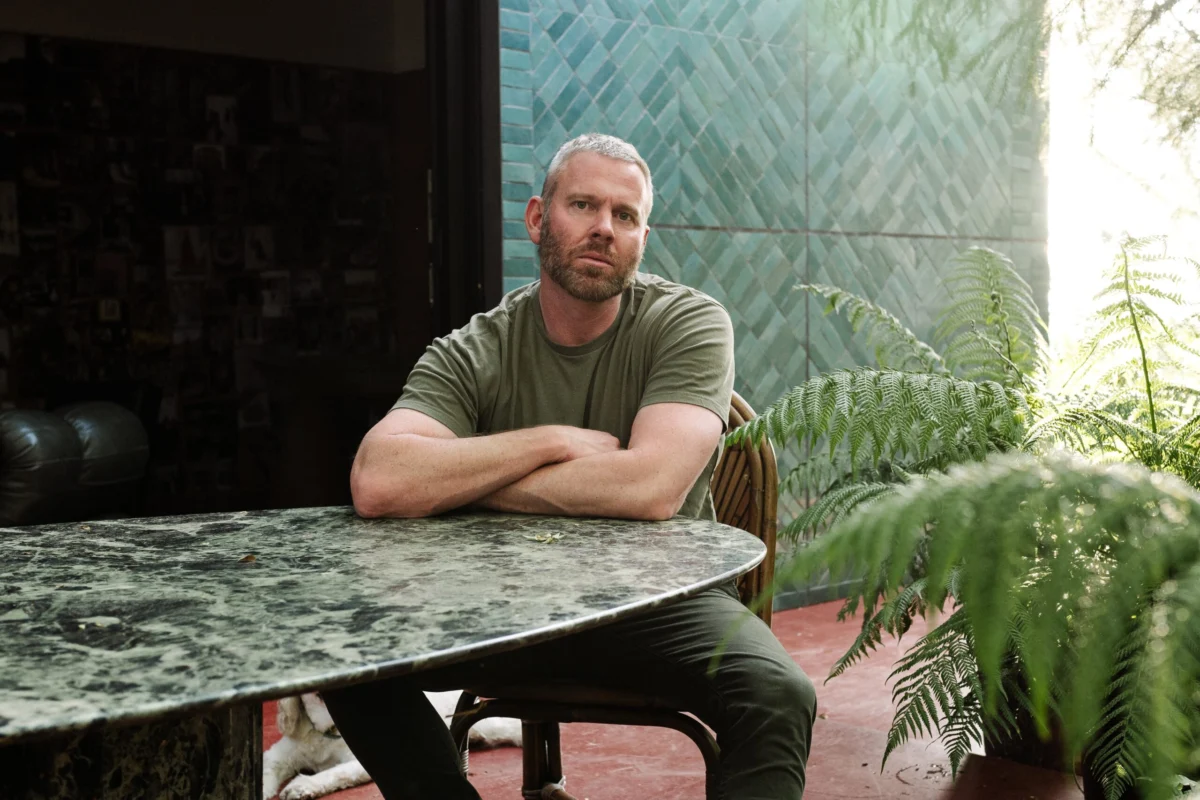
In the verdant, sun-drenched hills of Highland Park, Los Angeles, Richard Christiansen has built more than just a brand; he has cultivated a lifestyle movement. As the founder of Flamingo Estate, a farm-to-table lifestyle empire that bridges the gap between high-fashion aesthetics and agrarian tradition, Christiansen has become the architect of a new kind of celebrity partnership. By eschewing traditional endorsement models in favor of deep, mission-driven collaborations, he has turned the simple act of selling honey and artisanal goods into a powerful engine for philanthropic impact.
A Surprise Call and the Birth of an Unlikely Partnership
The story of how Pamela Anderson became a key collaborator for Flamingo Estate begins with a casual, albeit startling, phone call. Christiansen was busy at the Flamingo Estate offices when his phone rang. The voice on the other end was Brandon Lee, the son of Pamela Anderson.
“He said, ‘Would you like to do something with my mom? She’s a big gardener,’” Christiansen recalls.
Because of the discrepancy in their surnames, the connection didn’t immediately click. “I didn’t know who he was talking about, so I was like, ‘OK, who’s your mom?’ He said, ‘Pamela Anderson.’ I was like, ‘Holy shit!’”
That moment of realization sparked what would become one of the brand’s most successful charitable ventures. At the time, Flamingo Estate had already established a reputation for its bespoke, celebrity-driven honey lines. Christiansen, who grew up on a bee farm in Australia, had mastered the art of working with high-profile figures like Julianne Moore and LeBron James. These partnerships were built on a specific, non-transactional premise: the celebrities would lend their time and image to the brand, but they would not receive a paycheck. Instead, every dollar generated would be funneled directly into not-for-profit organizations.
The Evolution of the "Honey Pitch"
When Pamela Anderson arrived at the estate for their inaugural meeting, Christiansen came prepared with his standard pitch. He envisioned a limited-edition honey line, similar to the successes he’d achieved with other stars.

“I wanted her to do a honey, like many of the ones we’ve done,” Christiansen explains. He speaks with the authority of a man who knows the intricacies of apiary logistics. “Honey is easy for us. I take my hives to someone’s house to do. We tied them to LeBron’s roof, or for Ed Ruscha, we put the hives in his studio. Julianne Moore’s honey was from her garden in Montauk. It’s some of the best—dark, almost molasses, like whiskey.”
However, Anderson had a different vision entirely. She wasn’t interested in replicating the success of others; she wanted to bring a piece of her personal history to the brand. “She said matter-of-factly, ‘I want to do pickles with you. It’s my aunt’s recipe,’” Christiansen says.
The resulting collaboration—jars of artisanal pickles—became a massive hit. Priced at $38 per jar, the venture raised a staggering $500,000 for the California Wildlife Center, proving that when celebrity branding is tethered to genuine personal passion, the public responds with fervor.
Pleasure Principles: A Window into a Creative Mind
Christiansen’s influence is currently expanding beyond the shelves of boutique grocers and into the literary world with his new book, Pleasure Principles: An Almanac from the Garden. The 408-page volume is more than a coffee table book; it is a sprawling, gorgeously illustrated manifesto on living well.
The book acts as a repository for Christiansen’s eclectic interests, covering everything from the cinematic history of the moon to the sociological phenomenon of celebrity-owned restaurants in Los Angeles. It provides a rare glimpse into the mind of an entrepreneur who operates on instinct rather than rigid corporate strategy.
“I don’t have a car,” Christiansen reveals during our Zoom interview. “I ride my bicycle everywhere, and when I’m on my bike, I dictate into my phone. That’s maybe why everything’s short—these short little stories.” This nomadic, observational approach to life informs the philosophy of Flamingo Estate: that pleasure, nature, and community are not luxuries but fundamental principles of human existence.

The Hollywood Crossover: Practical Magic 2
The brand’s reach is now entering the cinematic sphere. In a first for Flamingo Estate, Christiansen has secured a movie tie-in with the highly anticipated Practical Magic 2.
The collaboration goes beyond mere product placement. Several signature Flamingo Estate items—including their prized olive oil and the iconic Green Goddess candles—are integrated into the film’s narrative world. Furthermore, Christiansen has curated a bespoke gift box inspired by the aesthetics of the Nicole Kidman and Sandra Bullock film. This move represents a strategic pivot for the company, signaling an intent to weave its products into the cultural fabric of Hollywood storytelling rather than just sitting on the periphery.
The One That Got Away: A Missed Opportunity with Dolly Parton
In the wake of the industry’s mourning following the death of Dolly Parton this past August, the conversation naturally turned to the icons Christiansen wished he could have brought into the fold.
“We were going to do a coffee with Dolly called ‘8 to 6’ instead of ‘9 to 5,’” he shares, a touch of melancholy in his voice. “We had some lovely conversations about it, and then it didn’t end up happening because we were too young at that point and our distribution probably couldn’t handle the weight of her reach. That was the one that got away.”
The anecdote highlights the rapid maturation of Flamingo Estate. Once a niche brand that feared the scale of a Dolly Parton partnership, it now operates with a level of logistical sophistication that allows it to collaborate with major Hollywood studios and A-list celebrities with ease.
Implications for the Lifestyle Industry
The trajectory of Flamingo Estate serves as a case study for the future of brand-celebrity relations. In an era where consumers are increasingly skeptical of hollow celebrity endorsements, the "Flamingo model" offers a blueprint for authenticity.

By demanding that partners be personally invested in the product—whether it’s a family pickle recipe or a garden-grown honey—Christiansen has successfully removed the "cash-grab" stigma from celebrity collaborations. The implication is clear: the modern consumer is willing to pay a premium when they know that the celebrity is not just a spokesperson, but a co-creator whose work is fueling a larger social good.
As the company continues to scale, the challenges will be maintaining this intimacy. How do you maintain the "small-batch" soul of a brand when you are partnering with major film franchises? For Christiansen, the answer seems to lie in the "Pleasure Principles" themselves—a commitment to the garden, the bicycle, and the small, dictated stories that keep the brand grounded, no matter how high its profile climbs.
Conclusion: Sustaining the Momentum
Flamingo Estate is no longer just a farm in Highland Park; it is a cultural touchstone. Through the guidance of Richard Christiansen, the brand has managed to commodify "pleasure" in a way that feels ethical, intentional, and profoundly human.
Whether it is the $500,000 raised for wildlife conservation through pickles, or the integration of agricultural goods into the magical realism of cinema, Flamingo Estate has proven that the most successful brand strategies are those that feel less like business and more like a shared experience. As Christiansen prepares for the launch of his book and the continued expansion of his partnerships, the industry will be watching to see if this marriage of high-concept lifestyle branding and humble, earth-bound values can continue to hold its own in a volatile market.
If his track record is any indication, the garden is only beginning to bloom.


 Layla Zulfa