Sagoh
Sagoh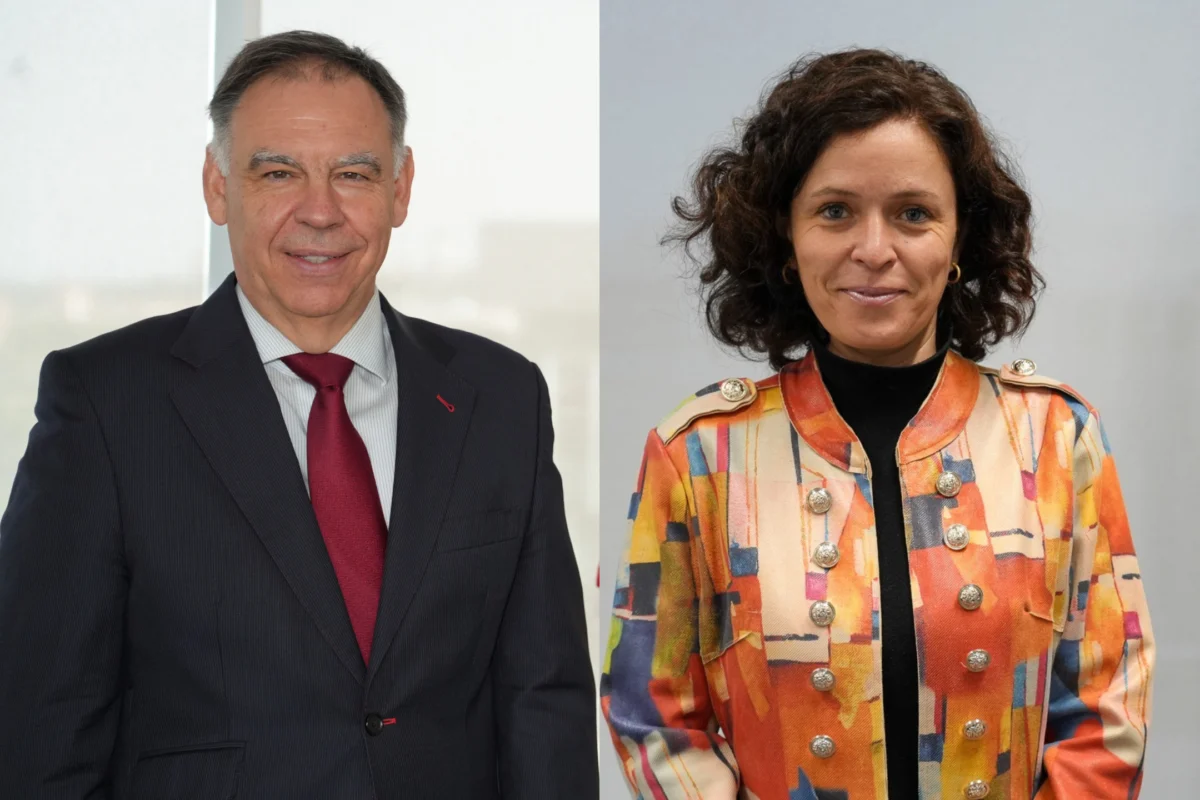
As the 2024 San Sebastián Festival (September 18–26) takes center stage, the conversation in the Spanish film and television industry is shifting from creative narrative to financial architecture. At the heart of this transformation is SETT, the venture capital arm of Spain’s Ministry for Digital Transformation.
Designed as a public-private bridge, SETT has become a cornerstone of the “Spain Audiovisual Hub” strategy. By deploying capital into the creative sector, the Spanish government is attempting to move beyond traditional subsidy models toward a dynamic, market-driven ecosystem that prioritizes scalability, intellectual property (IP) retention, and international competitiveness.
The Genesis: A New Financial Paradigm for Spanish Content
The inception of the Spain Audiovisual Hub was a direct response to the post-pandemic economic landscape. Financed through the European Union’s Next Generation recovery funds, the initiative was built to capitalize on the global surge in demand for high-quality audiovisual content.
Unlike traditional grants, which often focus on single projects, SETT’s mandate is structural. It aims to invest in the "backbone" of the industry: the production companies, animation studios, and multimedia firms that create the content. By providing equity and quasi-equity investments, SETT acts as a catalyst, encouraging private investors to join in on deals they might otherwise deem too risky or innovative.
The Chronology of Implementation
- 2021–2022: Launch of the Spain Audiovisual Hub strategy under the European Recovery Plan.
- 2022–2023: Initial phase of market testing, where the concept of public-private co-investment faced skepticism from traditional production houses accustomed to project-based funding.
- 2023–2024: Stabilization of the pari passu model, where public funds invest on equal terms with private entities.
- Late 2024: Transition toward the "España Crece" (Spain Grows) program, a massive €13.3 billion infrastructure initiative that will integrate the lessons learned from the initial Audiovisual Hub phase.
The Strategy: Why Sovereign Venture Capital?
Javier Ponce, Director General of SETT, argues that the rationale for a sovereign venture capital fund is rooted in the "innovation gap."
"Public-private collaboration is essential to launch initiatives that, due to their innovative nature, involve risks that make it difficult to attract purely private funding," Ponce explains. He notes that the audiovisual industry is capital-intensive and requires a scale that the fragmented Spanish market has historically struggled to provide.
By stepping in as a co-investor, the State does not merely provide a safety net; it provides a stamp of institutional approval. This strategy has allowed Spanish companies to retain their intellectual property rights—a critical factor for long-term growth—rather than selling them to international streamers or distributors to cover production costs.
Supporting Data: Moving the Needle
While the initial Spain AVS Hub fund had the potential to draw down up to €1.5 billion ($1.75 billion), the reality of bureaucratic timelines and the novelty of the model saw actual investments reach just under €250 million.
Critics have pointed to this gap as a failure of speed. However, María Coronado, Audiovisual Director at SETT, views this as a "learning phase." The industry required time to understand the nuances of partnering with a public entity that demanded both commercial rigor and developmental impact.
Key Transactions Illustrating the Model:
- International Expansion: The entry into South African-based entities such as The Refinery and Moonlighting (a €25 million combined investment) demonstrates a commitment to building a global network.
- Animation Prowess: The investments in Amuse Labs (€13 million) and Milo (€19 million) highlight the government’s focus on high-growth sectors where Spain has established a global competitive advantage.
These transactions are not merely cash injections; they are strategic partnerships that require the companies to demonstrate long-term business viability to private, non-governmental investors before the state signs off on its portion of the funding.
Official Perspectives: Navigating Challenges and Looking Forward
In discussions leading up to the San Sebastián festival, both Ponce and Coronado emphasize that the "experiment" has proved its worth. The primary challenge, they admit, was the strict implementation deadlines tied to European funding.
"Time became a critical factor," Ponce says. "Market participants first needed to understand the role and implications of partnering with a public investor that shared both risks and returns."
Looking toward the future, the integration of SETT’s expertise into the upcoming €13.3 billion "España Crece" program—managed alongside the Official Credit Institute (ICO)—signals that the government is doubling down on this model. The audiovisual sector will remain a strategic pillar, with the focus moving from "emergency funding" to "structural consolidation."
The "Pari Passu" Philosophy
Coronado outlines the three pillars that govern their investment choices:
- Industry-wide Focus: Investing in the business entity, not just the film.
- Equity-First: Using equity capital to build corporate balance sheets.
- Long-term Partnership: Ensuring that public and private capital stay aligned through shared risks and shared rewards.
Implications for the Future of Spanish Cinema
The introduction of sovereign venture capital is forcing a shift in the "producer’s mindset." For decades, the Spanish industry was largely dependent on subsidies and tax incentives. SETT is steering the industry toward a model where companies think like businesses—prioritizing balance sheet strength, IP protection, and international scale.
Can Spain Become a Global Hub?
For Spain to truly compete as a global audiovisual hub, the industry must tackle three remaining obstacles:
- Infrastructure: Providing the physical space and sound stages required for medium- and large-scale global productions.
- Human Capital: Strengthening technical training and fostering a pipeline of creative and management talent.
- Regulatory Competitiveness: Refining the tax framework to ensure that it remains one of the most attractive destinations for foreign investment in Europe.
"The goal," Coronado notes, "is to move away from focusing only on immediate projects and toward a medium- and long-term business strategy." By enabling companies to scale, SETT is effectively helping them build the infrastructure necessary to compete with the giants of the industry.
The Road Ahead: San Sebastián and Beyond
The upcoming events at the San Sebastián Festival serve as a platform for this new, more mature phase of the industry. On September 20, the Ministry for Digital Transformation will present a comprehensive review of the progress made, while subsequent roundtables with international funds will highlight the "maturation" of Spanish firms as viable investment assets.
As the industry gathers in the Basque country, the mood is one of guarded optimism. The transition from the urgency of the post-pandemic recovery phase to the long-term vision of "España Crece" suggests that the Spanish government has found a formula it intends to sustain.
Ultimately, the success of SETT will not be measured by the total volume of euros deployed, but by the number of Spanish companies that successfully transition from localized production houses to globally recognized, IP-holding powerhouses. The sovereign venture capital experiment in Spain is no longer just a policy trial; it is becoming the new standard for European state-led economic development in the creative sector.


 Siti Muinah
 Nila Kartika Wati