Nana
Nana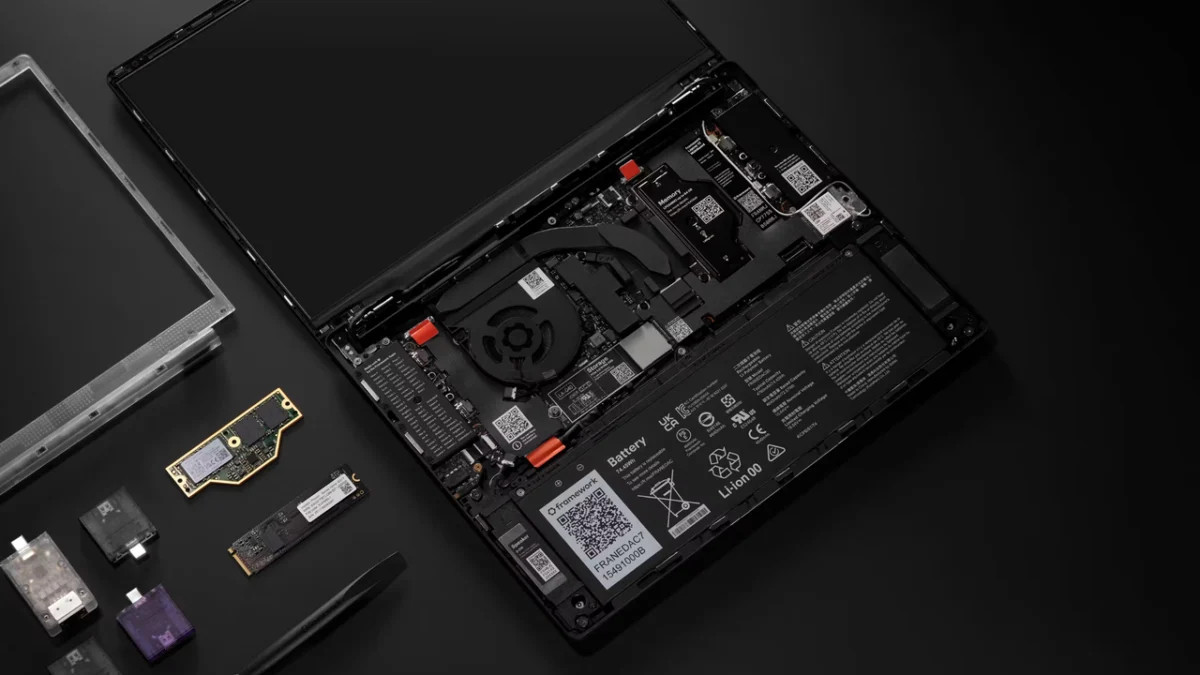
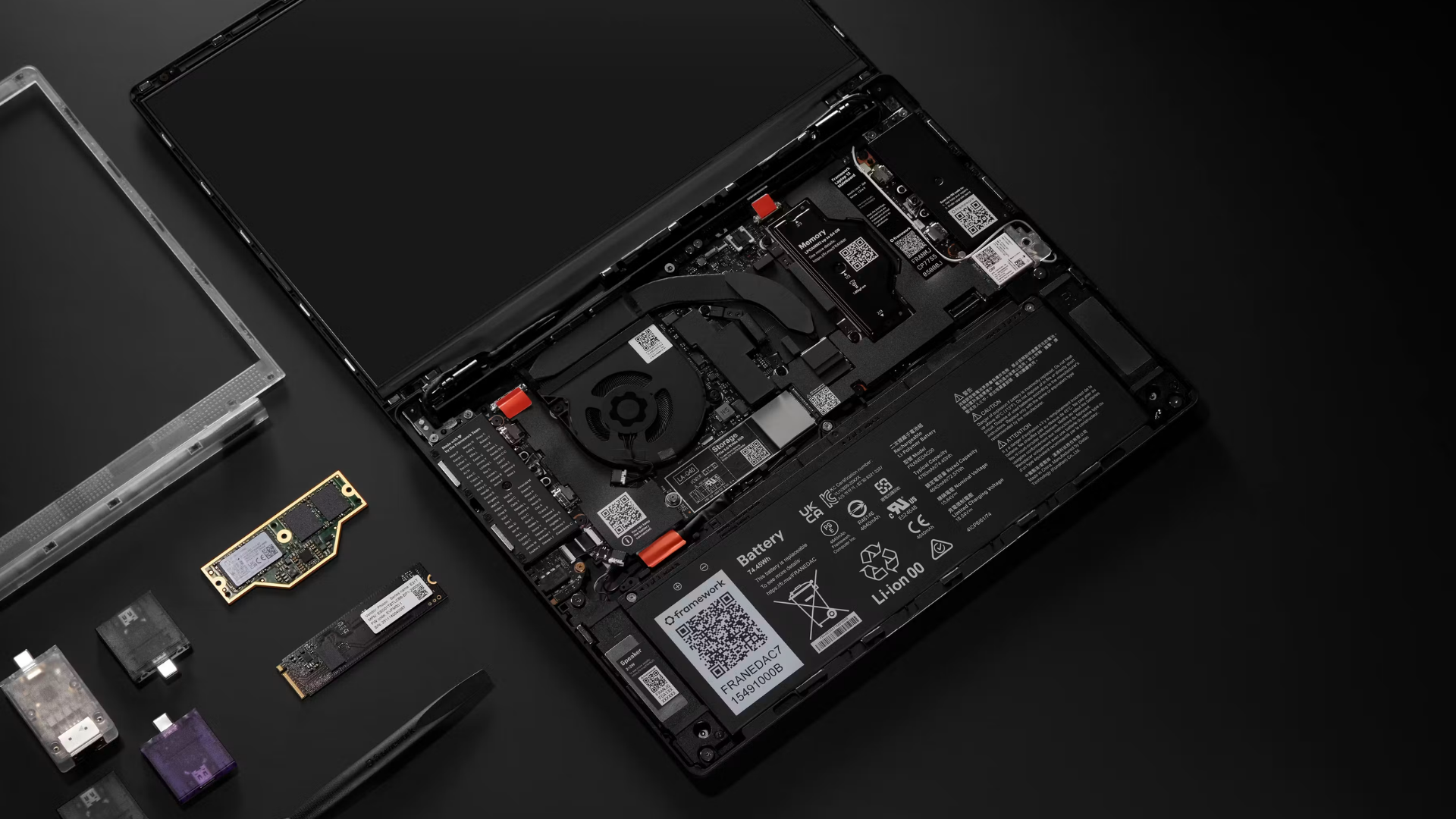
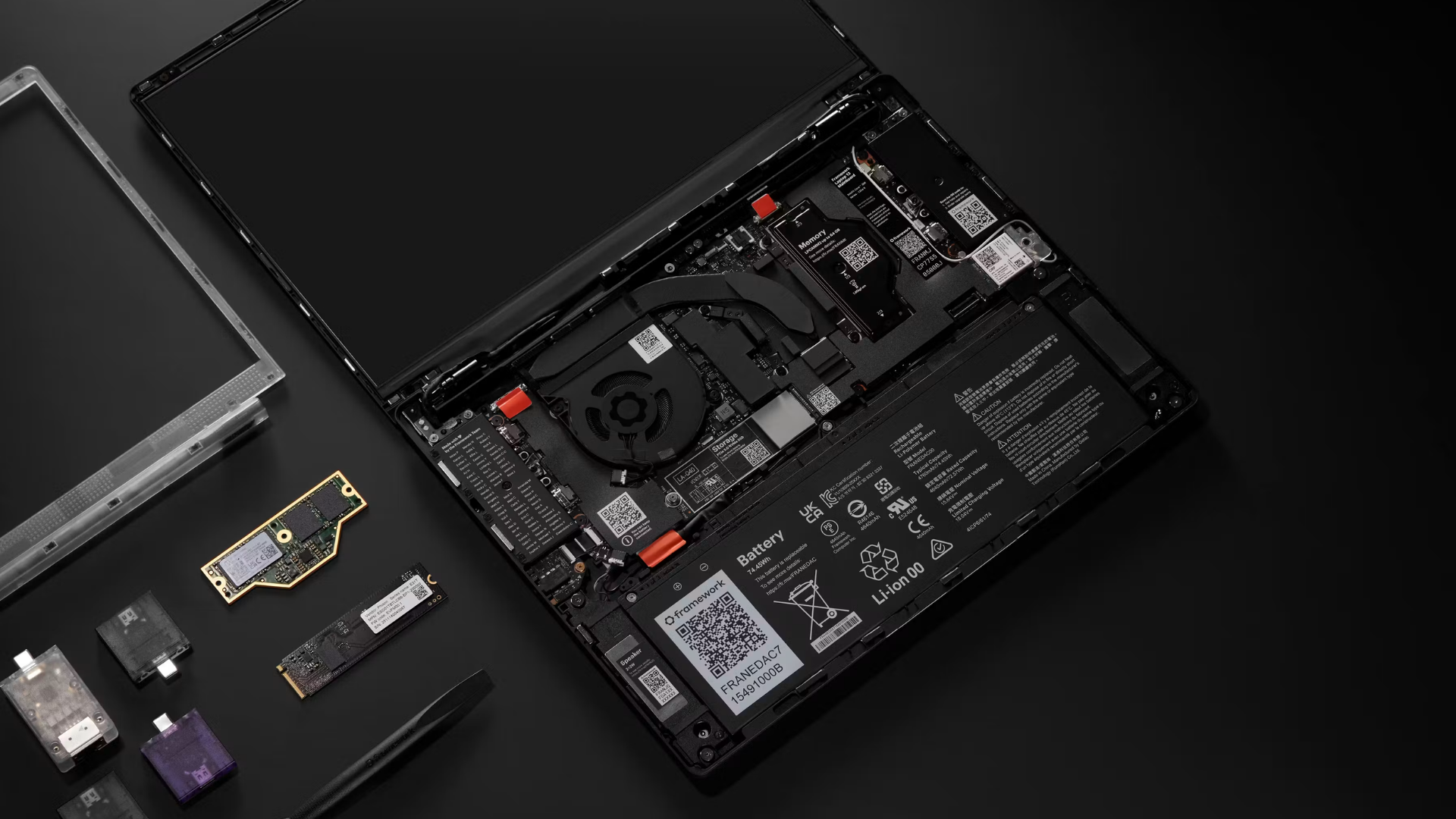
In a rare and consumer-friendly move, modular laptop manufacturer Framework has announced a significant reversal regarding the pricing of its LPCAMM2 memory modules. The company, which has built its reputation on repairability and transparency, confirmed this week that it has successfully secured a limited supply of 32GB and 64GB memory modules at a lower cost, allowing them to pass these savings directly to their customer base.
The adjustment addresses a controversial price hike implemented in July, which saw memory costs for the Framework Laptop 13 Pro—specifically those utilizing Intel Core Ultra Series 3 processors—skyrocket. In a move that underscores the company’s commitment to its "right-to-repair" ethos and customer loyalty, Framework is not only applying these lower prices to current pre-orders but is also issuing retroactive refunds to customers who already received their shipments at the previous, inflated price point.
The Volatility of the Memory Market
To understand why this price adjustment is significant, one must look at the broader context of the semiconductor and memory markets. LPCAMM2 (Low Power Compression Attached Memory Module) is a relatively new standard in the laptop industry. It offers the performance benefits of soldered memory—such as high speed and power efficiency—without sacrificing the user’s ability to upgrade or replace the RAM.
However, as a nascent technology, supply chains for LPCAMM2 are far less mature than those for standard SO-DIMM or soldered LPDDR5X RAM. In July, Framework CEO Nirav Patel explained that the company was facing extreme pressure from its supply chain. At that time, the company was forced to nearly double the pricing for its 32GB and 64GB kits. Patel noted that absorbing these costs would have placed the company in "real financial risk," effectively forcing them to choose between passing the costs to the consumer or potentially compromising the company’s long-term operational stability.
The memory market is notoriously volatile, influenced by global demand for AI-driven hardware, raw material availability, and the manufacturing yields of next-generation components. When a niche component like LPCAMM2 experiences a supply squeeze, small-to-medium-sized manufacturers like Framework—which lacks the massive procurement leverage of industry giants like Dell or HP—often bear the brunt of these fluctuations.
Chronology of the Pricing Struggle
The situation has unfolded in three distinct phases over the last several months:
- The Initial Launch: Framework introduced the Laptop 13 Pro with the promise of modular, high-speed LPCAMM2 memory, setting an initial price point that the market accepted.
- The July Spike: Citing extreme supplier costs, Framework announced a near-100% price increase for their 32GB and 64GB memory modules. The decision caused significant frustration among the community, as the modular nature of the laptop was intended to keep costs manageable over the long term, not escalate them.
- The October Correction: Following persistent efforts by their supply chain team, Framework secured a fresh batch of inventory at more favorable rates. The company immediately acted to lower prices for current and past customers, signaling a departure from the "market-price-only" approach many other tech firms adopt.
Transparency and Corporate Responsibility
Framework’s decision to offer retroactive refunds is highly unusual in the modern consumer electronics landscape. Most corporations operate under a "final price at point of sale" policy, where changes in manufacturing costs are absorbed into profit margins or passed down only to future buyers.
By opting to refund those who had already completed their purchases, Framework is reinforcing its brand identity as a company that prioritizes long-term relationships over short-term revenue protection. The company stated on its blog that it is "committed to passing on savings whenever we can." This approach serves as a case study in effective crisis management, converting a potentially brand-damaging situation into an opportunity to build trust.
Implications for the Modular Hardware Ecosystem
While this is a victory for current Framework users, the situation highlights the inherent risks of adopting cutting-edge, non-standardized hardware. The LPCAMM2 standard is promising, but its availability and pricing are currently at the mercy of a narrow supply chain.
For the average consumer, the lesson here is twofold. First, the benefits of modularity—the ability to upgrade RAM after purchase—are significant, but they rely on the availability of compatible components. If a manufacturer is the sole supplier of a proprietary or semi-proprietary module, the consumer is vulnerable to market fluctuations.
Second, the Framework model has shown that the "Right to Repair" community is a powerful force. The transparency displayed by CEO Nirav Patel and the engineering team allows for a level of discourse that is virtually non-existent between users and legacy laptop manufacturers. When Framework communicates a price hike, they explain the "why" in granular detail, and when they find a solution, they apply it retroactively.
Navigating Future Pre-Orders
The new, lower pricing structure is currently in effect for "Batch 10" pre-orders and beyond. However, Framework has been clear that this is not necessarily a permanent state of affairs. The current inventory is limited, and the company is utilizing a "first-come, first-served" model for the discounted modules.
For customers waiting on their orders, the process for updating their configuration is straightforward. Users can visit their order summary page to modify their RAM selection. If a user finds themselves unable to navigate the portal, the company has provided a dedicated Help Center resource to facilitate these changes. Furthermore, for those who already have their DIY Edition laptops and wish to swap to these specific memory modules, Framework has set up a specialized contact form to process returns and exchanges.
Looking Ahead: The Stability of Memory Standards
As the industry shifts further toward LPDDR5X and eventually DDR6, the transition to modules like LPCAMM2 will likely become more standardized. As production volumes increase, the price volatility that plagued Framework this summer should theoretically stabilize.
Until that maturity is reached, companies like Framework will continue to act as a bellwether for the industry. Their ability to negotiate better terms with suppliers—and their willingness to pass those terms on—will remain a primary differentiator in an increasingly consolidated laptop market.
For now, the message from the Framework team is one of cautious optimism. While they have successfully navigated this specific pricing crisis, they remain at the mercy of global silicon availability. However, for the users currently holding a Framework Laptop 13 Pro, the check in their bank account or the lower final invoice serves as a tangible reminder that in the world of modular hardware, the manufacturer is working as a partner rather than just a vendor.
Summary of Actionable Steps for Customers
If you are currently a Framework customer impacted by these changes, the following steps are recommended:
- Check Your Order Status: If you have an existing pre-order, the price adjustment should be reflected in your account. If it is not, contact support.
- Monitor Your Financials: If you already paid for your order, the refund process is automatic. Depending on your banking institution, this may take several business days to process.
- Review Configuration Options: If you are part of the current or future batches, use the order summary page to ensure you are selecting the memory capacity that best suits your needs, now that the price barrier has been significantly lowered.
- DIY Swaps: For those who already have their hardware and wish to take advantage of the new pricing for specific modules, utilize the official contact form provided by Framework to initiate an exchange.
As this story continues to develop, it serves as a reminder that the health of the hardware ecosystem is deeply intertwined with the supply chain. By prioritizing transparency and consumer equity, Framework is proving that a company can succeed by treating its users with the same respect it accords its products.

 Dwi Wanna
 Rifan Muazin