Basiran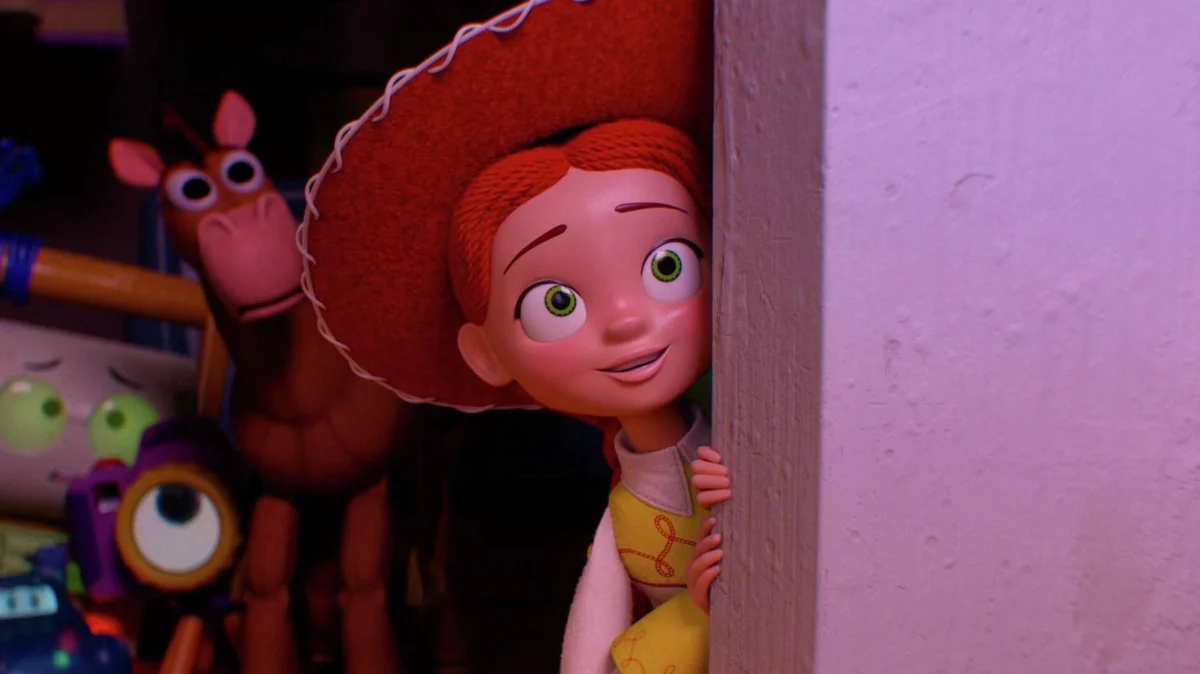
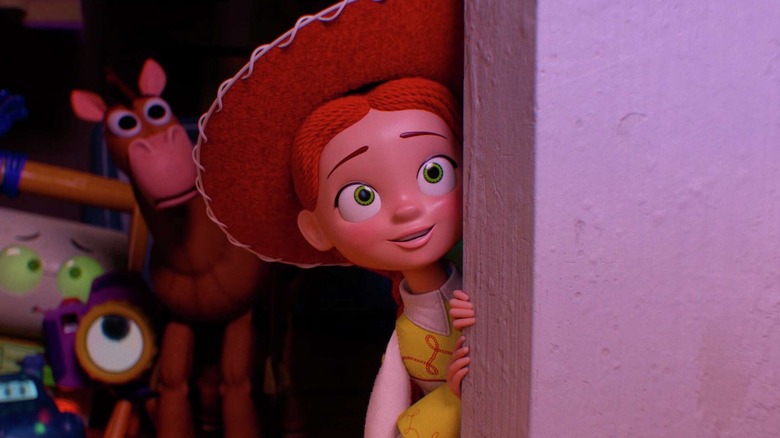
The Toy Story franchise has long served as the heartbeat of Pixar Animation Studios. Since the groundbreaking release of the original film in 1995, the series has moved beyond simple tales of sentient playthings to explore profound themes of abandonment, purpose, transition, and the indelible bond between humans and their most cherished possessions. With the release of Toy Story 5, the studio has returned to the well once more, shifting the narrative focus away from Woody—who has moved on to a life of independent exploration—and placing the spotlight firmly on Jessie the Cowgirl.
In a poignant return to the character’s roots, Toy Story 5 bridges the gap between the modern era of Bonnie’s room and the haunting, sun-drenched memories of Jessie’s original owner, Emily. While the final cut of the film offers a cathartic resolution that has left audiences reaching for their tissues, behind-the-scenes revelations suggest that the story almost took a significantly different path—one that would have fundamentally altered the franchise’s emotional landscape.
The Burden of the Past: Jessie’s Journey
To understand the weight of Toy Story 5, one must revisit the trauma established in Toy Story 2. Jessie’s introduction remains one of the most devastating sequences in animation history: a musical montage set to Sarah McLachlan’s "When She Loved Me," detailing her life with Emily, a young girl who eventually outgrows her cowgirl doll, leaving her to be donated to charity. For decades, Jessie carried the psychic scar of that abandonment, believing she was disposable—a mere relic of a childhood that had moved on.
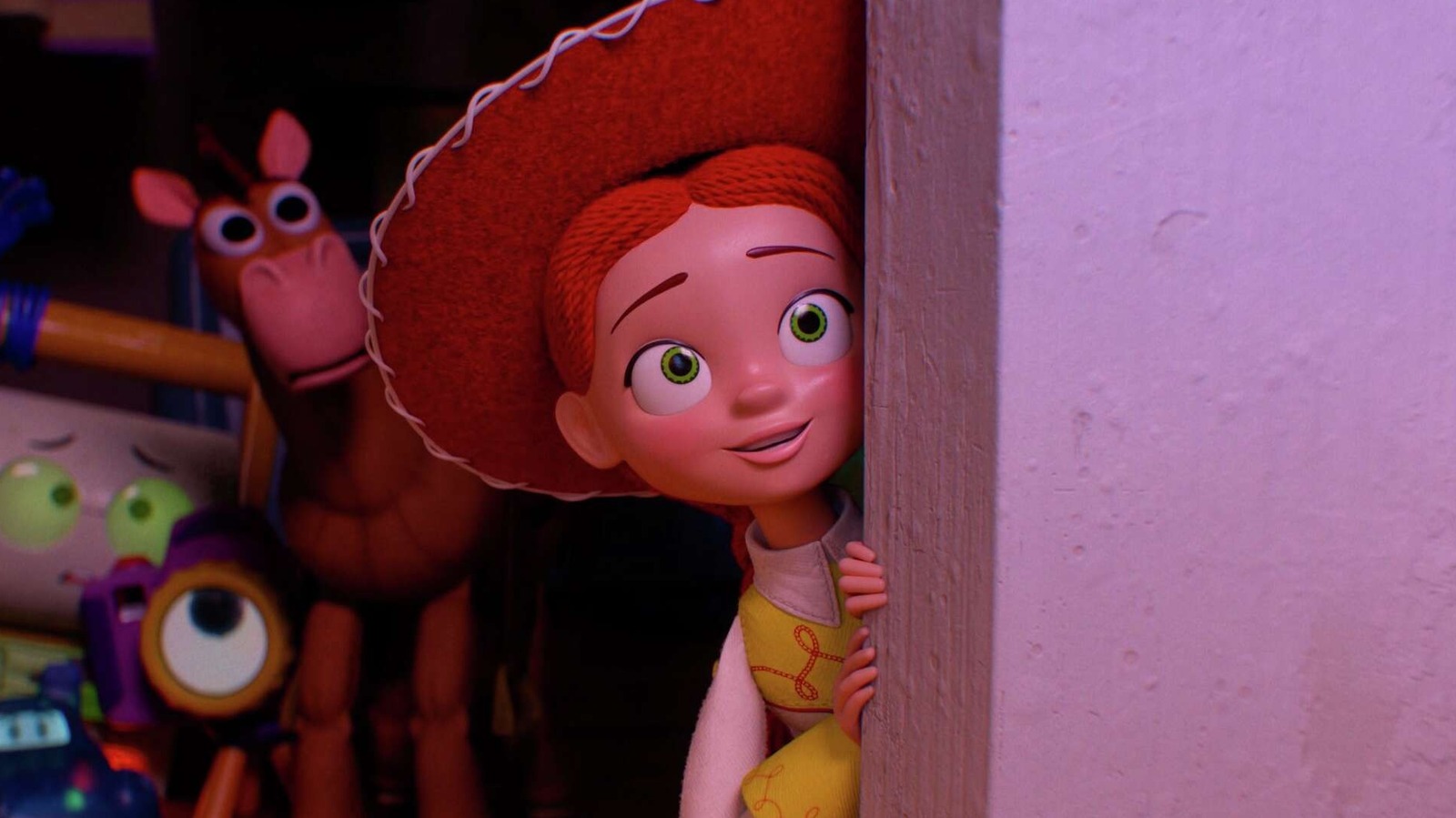
In the years following her rescue by Woody and Buzz, Jessie transitioned into a central leader within the toy community. However, in Toy Story 5, she finds herself struggling to maintain that confidence. With Woody no longer present to provide guidance, Jessie grapples with a crisis of identity, eventually finding herself thrust back into the very house where her life with Emily began. This physical return to the site of her "trauma" serves as the catalyst for the film’s central emotional arc.
A Different Path: The Scrapped Reunion
As detailed in the companion volume, The Art of Toy Story 5, the creative team at Pixar toyed with several iterations of how to resolve Jessie’s lingering pain. The most notable discarded concept involved a direct, face-to-face encounter between an aged Emily and her long-lost doll.
According to co-writer and director Kenna Harris, early drafts of the script featured a sequence where a grandmotherly Emily, having returned to her childhood home, rediscovers her beloved doll. "Emily was now a grandmother and introduced her beloved childhood doll to her grandbaby in a touching climactic sequence," Harris explained. "I drew this in exploration of that special, nostalgia-filled moment."
This narrative choice would have been a "fan-service" dream, providing a literal closure that few franchises dare to offer. It would have allowed the audience to see the human impact of the toy’s existence in real-time. However, the production team ultimately pivoted away from this reunion, choosing instead to focus on the internal validation Jessie receives through the discovery of a time capsule—a lunchbox buried beneath a tire swing—that reveals Emily’s lifelong reverence for her first friend.
The Significance of the Shift
The decision to abandon the physical reunion in favor of a thematic one was a calculated artistic risk. By having Jessie discover that Emily named her own daughter "Jessie" to honor the doll, the film shifts the agency back to the toy.
"Though the film ultimately went in a different direction, we always knew that Jessie’s special connection to Emily would be key to ‘Toy Story 5,’" Harris noted. By opting for the discovery of the lunchbox, the filmmakers allowed Jessie to come to her own conclusion about her worth. She was not "validated" by being looked at by an old woman; she was validated by the realization that she had shaped a human life.
This change reflects a maturation in Pixar’s storytelling. It moves the characters away from the need for external, physical validation and toward a more nuanced, internal peace. As story artist Tessa Abrams noted, the scene was designed to rewrite the narrative of Jessie’s history. "She defined her time with Emily by how it ended—being forgotten and thrown away—but here, she finally understands that it was worth much more than that."
Industry Context: The Difficulty of Narrative Evolution
The evolution of Toy Story 5 is indicative of the broader challenges inherent in continuing a franchise that is nearly thirty years old. The studio faces a delicate balancing act: honoring the legacy of established characters while ensuring that their growth feels earned rather than forced.
Production history within Pixar often reveals that characters go through multiple "lives" before reaching the screen. Similar to the revelations regarding Bullseye—who was originally intended to have a complex, separate origin story that was eventually trimmed to keep the focus on the primary emotional stakes—Jessie’s journey underwent rigorous editing to ensure the pacing of Toy Story 5 remained focused on the present.
The inclusion of these behind-the-scenes details in The Art of Toy Story 5 provides a masterclass in modern animation production. It highlights how directors and story artists must kill their "darlings"—even the most beautiful, sentimental scenes—to serve the greater structural integrity of the film.
The Emotional Legacy of Toy Story
Why does this specific emotional arc matter? Because for many, the Toy Story films are a reflection of their own childhoods. The transition from the carefree play of early childhood to the responsibilities of adulthood is the core subject matter of the entire franchise.
In Toy Story 5, the creative team recognizes that the audience has grown up alongside these toys. By focusing on the "afterlife" of a toy—the legacy it leaves behind in the memories of a child who has grown into an adult—the film touches on a universal human experience: the fear that we are forgotten by the things and people we loved most. The revelation that Emily cherished Jessie enough to pass the name down to her own child is a powerful, resonant message of continuity. It suggests that even when a chapter closes, the influence of that love remains.
Conclusion: A Fitting Chapter
As Toy Story 5 continues its theatrical run, the discourse surrounding its narrative choices serves as a testament to the film’s depth. The choice to favor the "lunchbox discovery" over the "grandmother reunion" stands as a bold, mature storytelling decision that prioritizes the internal emotional arc of the character over the spectacle of a reunion.
For fans of the series, this film represents a sophisticated exploration of grief and reconciliation. Whether or not this truly marks the end of the Toy Story saga, the filmmakers have succeeded in bringing Jessie’s story full circle. She is no longer the discarded toy from Toy Story 2; she is a survivor who has finally reconciled with her past, proving that while toys may be made of plastic and yarn, their impact on the human heart is, in every sense, permanent.
As viewers continue to pack theaters, the success of Toy Story 5 confirms that as long as there is a story left to tell about the quiet lives of our childhood companions, there will be an audience waiting, tissues in hand, to listen.

 Reynand Wu