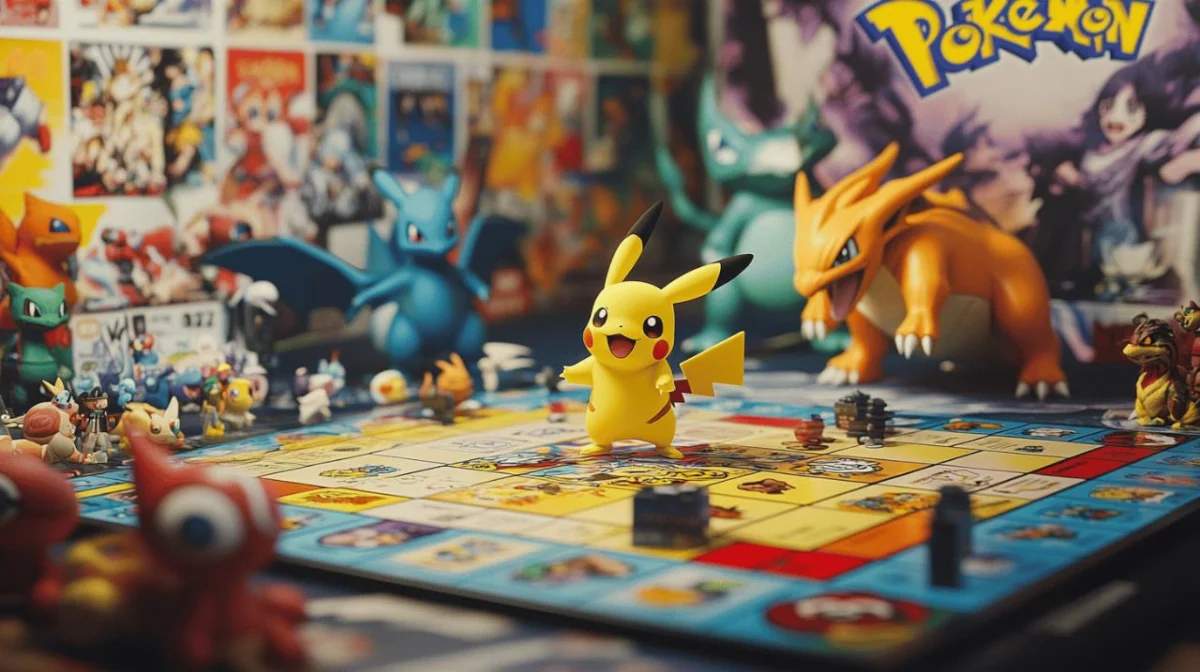
The intersection of two titans of family entertainment has long been the subject of fan speculation, but 2025 marks a definitive milestone in tabletop gaming. By merging the aggressive economic mechanics of the world’s most famous board game with the adventurous spirit of the Pokémon franchise, developers have created a hybrid experience that transcends traditional gameplay. This isn’t merely a thematic reskin; it is a fundamental transformation of the Monopoly engine into a tactical "Dresseur" (Trainer) quest.
Available for a suggested retail price of €29.99, this special edition invites players to explore the Kanto region, manage "Poké Balls" instead of currency, and embark on a mission to become the ultimate Pokémon Master.
Main Facts: A New Way to Play
At its core, the game retains the competitive spirit of Monopoly while replacing predatory real estate acquisition with the strategic capture of 48 different Pokémon. Instead of accumulating rent from hotels, players navigate a board modeled after iconic Kanto landmarks such as Pallet Town and Saffron City.
The game is designed for 2 to 4 players and is accessible for children aged 8 and up, with average play sessions lasting approximately 45 minutes. The shift in currency is the most significant departure from the classic formula: the paper banknotes of old have been entirely replaced by Poké Balls, which function as both the medium of exchange and the primary resource for "catching" wild Pokémon encountered on the board.
Key Components of the Experience
- Player Tokens: Players no longer choose between a thimble or a car. Instead, they select from iconic figurines: Pikachu, Sprigatito (Poussacha), Fuecoco (Chochodile), or Quaxly (Coiffeton).
- The Capture Mechanic: A specialized "Capture Die" has been introduced. When a player lands on a Pokémon encounter space, they must roll this die to determine if their capture attempt is successful.
- Winning Conditions: The goal is no longer to bankrupt opponents, but to be the first to collect a Pokémon of every type or to be the final player remaining with a supply of Poké Balls.
Chronology: From Concept to Retail
The development of this crossover has been a highly anticipated event within the hobbyist community. Following teasers in late 2024, the product saw a full-scale launch in the French market in January 2025.
- Q3 2024: Initial licensing agreements between The Pokémon Company and Hasbro are finalized, sparking massive interest on social media platforms.
- January 2025: Official retail release in France, with a rollout to broader European markets following shortly thereafter.
- Mid-2025: The game establishes itself as a staple in both toy retailers and hobby shops, with a 4.5/5 average user rating cited on major e-commerce platforms.
- Present Day: The game is currently in its prime distribution phase, with availability across major retailers like Amazon and Smyths Toys.
Supporting Data: The Economics of the Game
While the game retails for €29.99, market analysis shows a dynamic landscape for potential buyers. Depending on the retailer, shipping fees for the product generally start at €2.50, though many distributors waive these costs for orders exceeding €49.00.
The game’s success is measured not just in sales volume, but in its high engagement metrics. Data from early adopters suggests that the transition to the "Capture" mechanic has significantly increased the game’s replayability compared to the traditional version. With 48 unique Pokémon to collect, players are incentivized to engage in repeated sessions, contributing to the game’s high retention rate among younger demographics.
Official Perspectives and Game Design Philosophy
The design philosophy behind this edition was centered on "gamification of exploration." By replacing standard properties with legendary Kanto locations, designers aimed to foster a sense of adventure.
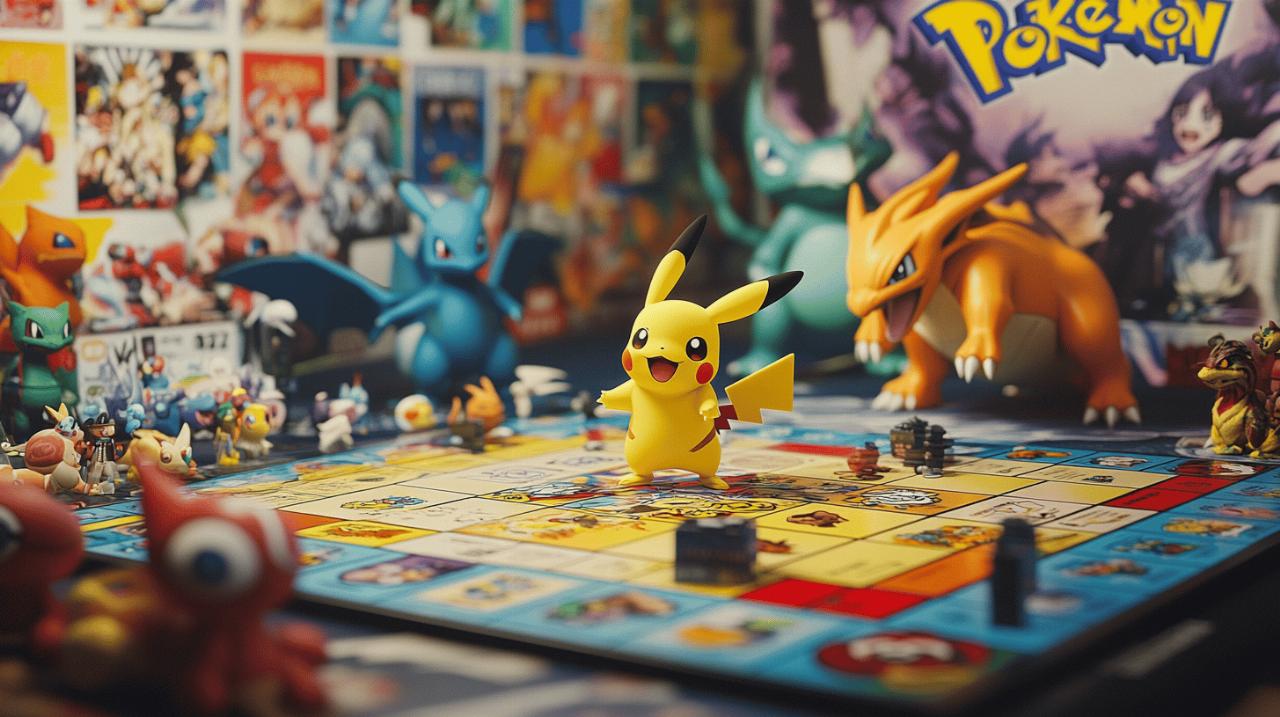
"We didn’t want to just paint a Pikachu on the box," a spokesperson noted during the initial reveal. "We wanted the player to feel the tension of a trainer walking through high grass. The decision to use Poké Balls as the primary currency was deliberate—it forces the player to choose between spending resources to secure a rare Pokémon or hoarding them to survive the late-game challenges."
The Role of the "Professor"
The game introduces dynamic challenges, such as those issued by Professor Oak (Professeur Chen). These missions provide a structured narrative flow, rewarding players with bonus Poké Balls for capturing specific types of Pokémon. These missions are designed to mitigate the "luck-heavy" nature of traditional Monopoly, forcing players to prioritize long-term strategy over short-term financial gains.
Implications: The Future of Licensed Tabletop Games
The success of this collaboration has broad implications for the board game industry. It demonstrates that consumers are increasingly looking for "hybridized" experiences that blend established mechanics with deep intellectual property (IP) lore.
Impact on Collector Markets
Because this edition features unique components—including high-quality trainer figurines—it has already caught the attention of the collector community. As with any limited-run edition, the condition of the box, the completeness of the 48-Pokémon set, and the state of the specialized dice will likely dictate its value on the secondary market in years to come. Experts advise that for those looking to preserve the game’s value, it should be stored in a climate-controlled, dry environment to prevent the degradation of the cardboard elements and the finish on the figurines.
Strategic Shifts in Family Gaming
The shift toward 45-minute playtimes—a stark reduction from the potentially multi-hour sessions of standard Monopoly—is a direct response to modern consumer behavior. Families are increasingly favoring games that offer high-intensity, short-duration engagement. This Pokémon adaptation provides a "best-of-both-worlds" scenario: the nostalgic brand recognition of Pokémon and the fast-paced, high-stakes decision-making of modern hobbyist games.
A New Standard for Licensed Crossovers
Ultimately, the merging of these two worlds has proven that legacy brands can stay relevant by innovating their core mechanics. By allowing players to interact with the Kanto region through the lens of a familiar game, the developers have successfully created a bridge between generations. Whether you are a fan of the original 1996 games or a newcomer to the franchise, this version of the board game offers a fresh, tactical, and highly immersive way to engage with one of the most beloved universes in pop culture history.
As the retail landscape continues to evolve, this specific title serves as a case study in how to effectively leverage IP. By respecting the source material—through the inclusion of specific Pokémon, trainer logic, and environmental storytelling—the creators have avoided the "cash-grab" stigma often associated with licensed products. Instead, they have delivered a robust, strategic, and genuinely fun tabletop experience that warrants its place on the shelf of any family or collector.