Ali Ikhwan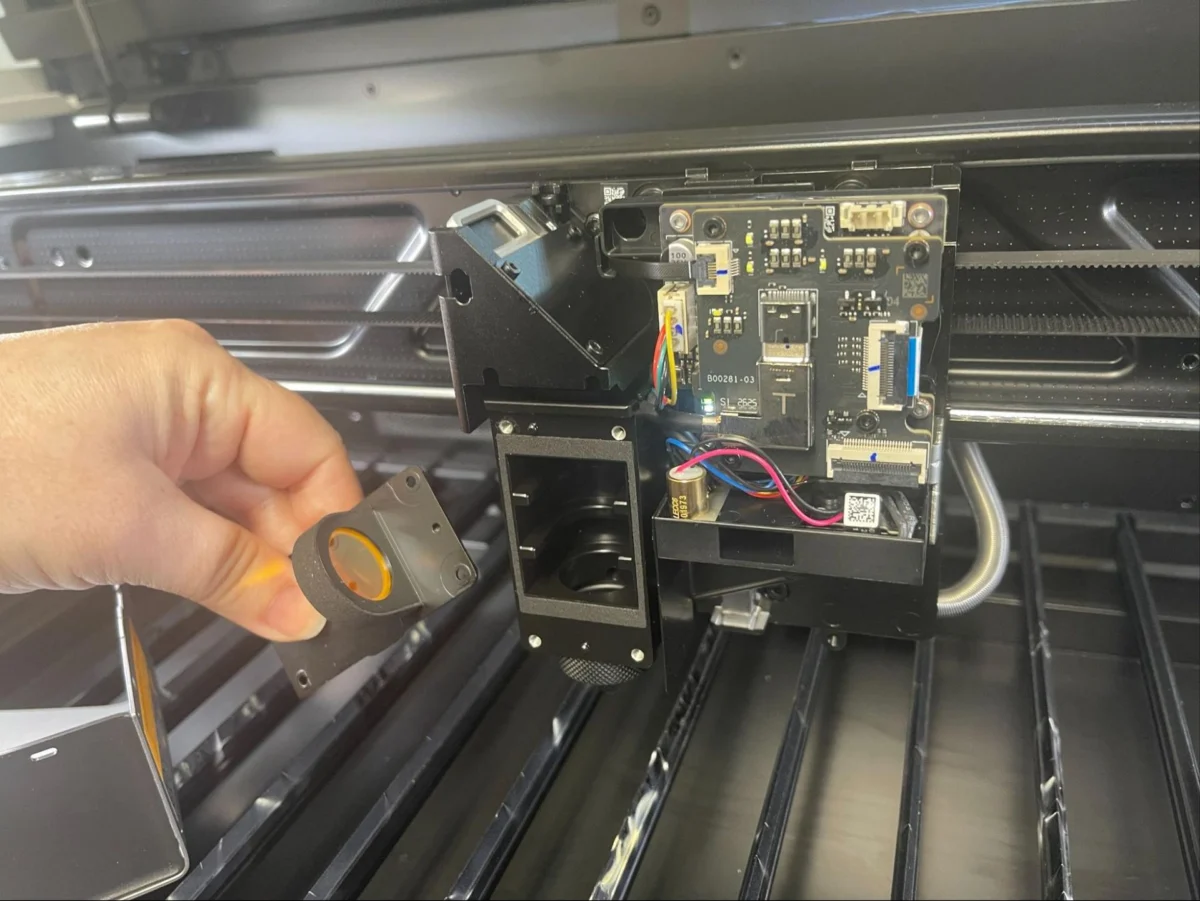
Bambu Lab, a company that fundamentally disrupted the consumer 3D printing market with its high-speed Core XY machines, has officially pivoted its engineering prowess toward the laser engraving and cutting industry. Following a period of intense industry scrutiny and mixed feedback regarding its earlier experiments with integrated diode lasers, the company has released the Bambu Lab R1.
This standalone 55W CO2 laser cutter represents a significant departure from the company’s previous strategies, moving away from "all-in-one" hybrid machines to a dedicated, high-performance tool. For the professional maker, small business owner, or hobbyist, the R1 is not merely an iteration; it is a direct challenge to established players in the laser market.
The Main Facts: Defining the R1’s Capabilities
The Bambu Lab R1 is a 55W CO2 laser system designed to bridge the gap between expensive industrial machines and entry-level hobbyist tools. Priced aggressively at $2,499, the unit enters a competitive mid-range market, offering a generous 600 x 300 mm work surface.
Unlike diode lasers, which struggle with transparent materials like acrylic and glass, the CO2 architecture of the R1 allows for high-speed cutting and engraving across a much wider array of substrates. Key technical highlights include:
- 55W CO2 Laser Tube: Provides the raw power needed for clean, deep cuts in wood, leather, and acrylic.
- Integrated Vision System: A high-resolution "bird’s eye" camera facilitates remote positioning, allowing users to align designs perfectly with their materials without the guesswork typical of older laser cutters.
- Software Ecosystem: The R1 leverages the same software philosophy that made Bambu’s 3D printers successful—a streamlined, intuitive user interface that minimizes the barrier to entry for beginners while providing enough depth for power users.
A Chronological Evolution: From H2D to R1
To understand the significance of the R1, one must look at the trajectory of Bambu Lab’s hardware design.
The Early Experiment: The H2D
Bambu Lab’s entry into the laser space began with the H2D, an integrated 40W diode laser system. While technically capable, the product faced significant pushback from the community. The core issue was "cross-contamination": many users were uncomfortable with the idea of a laser cutter—a machine that produces soot, smoke, and debris—operating within the same enclosure as their high-precision 3D printers. The logic was clear: the environmental conditions required for 3D printing (cleanliness, controlled airflow) are diametrically opposed to the harsh, particle-heavy environment of laser cutting.
The Pivot: Learning from Feedback
Bambu Lab recognized that while their software and motion control systems were top-tier, the hardware integration was a strategic error. The R1 represents the company’s "mea culpa" and a refined pivot. By moving the laser to a standalone, sealed chassis, Bambu has successfully addressed the concerns of its user base. They have effectively taken the software efficiency of the H2D and transplanted it into a dedicated, robust, and professional-grade CO2 environment.
Supporting Data and Performance Metrics
In independent testing, the R1 stands out not just for its power, but for its consistency. The transition from a 40W diode to a 55W CO2 laser provides a measurable increase in production throughput.
- Material Compatibility: During testing, the 55W CO2 source handled 6mm birch plywood and cast acrylic with ease, producing clean, charred-free edges that often require significant post-processing on weaker diode lasers.
- Software Integration: The "Bambu experience"—characterized by plug-and-play setup and seamless cloud integration—remains the R1’s strongest selling point. While many CO2 lasers require a steep learning curve with software like LightBurn or RDWorks, Bambu’s proprietary suite lowers the technical ceiling, making it highly accessible for those who are not CAD experts.
- Mechanical Precision: The R1 benefits from Bambu Lab’s experience in high-speed motion systems. The acceleration and deceleration profiles are smooth, leading to less vibration during intricate engraving tasks, which is a common failure point in cheaper, chassis-flexible laser cutters.
Official Stance and Market Positioning
Bambu Lab has remained relatively quiet regarding the specific controversies surrounding their earlier hybrid models, preferring instead to let the R1’s performance speak for itself. In promotional materials, the company emphasizes "Reliability" and "Accessibility," two pillars that have defined their brand since the launch of the X1 Carbon.
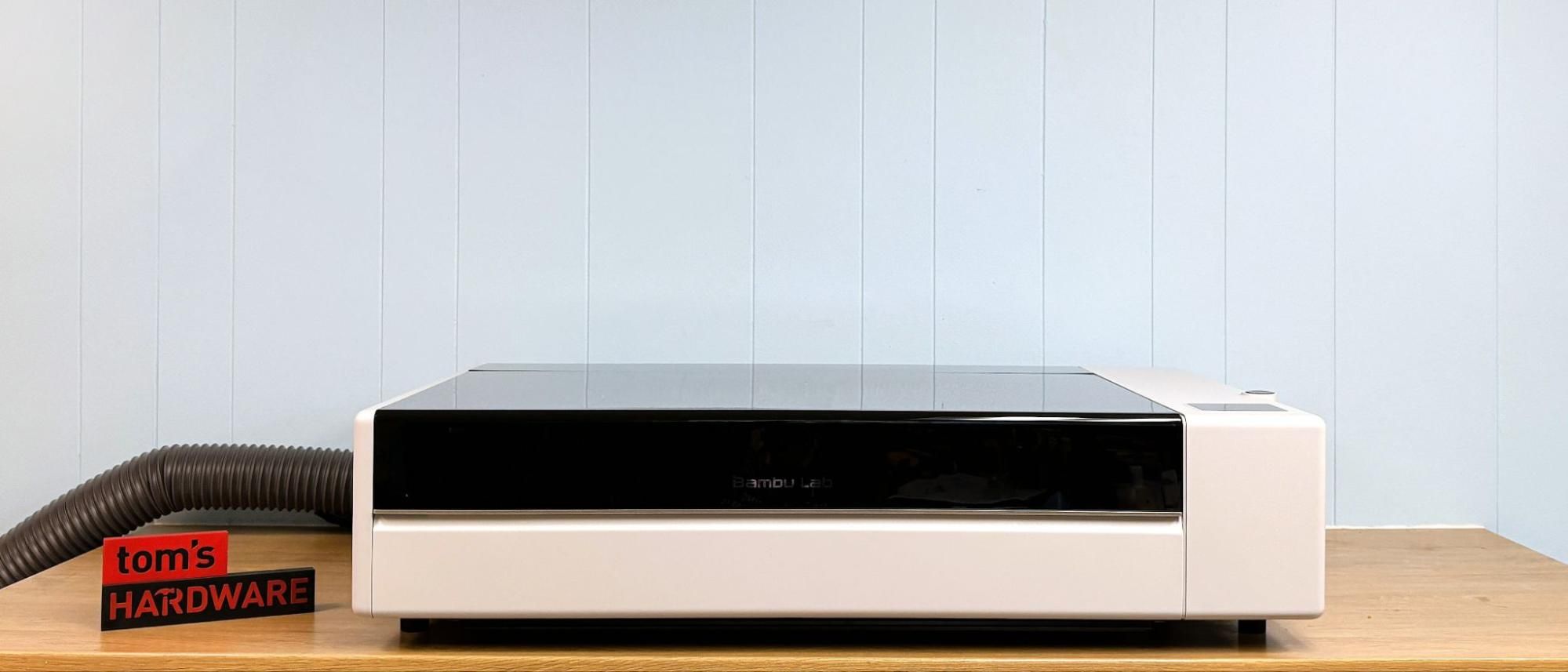
Market analysts suggest that at $2,499, the R1 is intentionally positioned to disrupt the "prosumer" space. It effectively undercuts industrial-grade lasers that cost double or triple the price, while offering a superior user experience compared to the "do-it-yourself" kits that dominate the lower end of the market. By providing a "locked-in" ecosystem, Bambu is betting that users are willing to pay a premium for a machine that simply works the moment it is plugged in.
Implications for the Industry
The release of the R1 has several profound implications for the laser-cutting market.
1. The Death of the "Tinkerer" Requirement
For years, buying a CO2 laser meant being prepared to replace mirrors, align optics, and troubleshoot firmware. Bambu Lab is pushing the industry toward a "consumer electronics" model, where the laser is an appliance rather than a project. This will likely force legacy laser manufacturers to modernize their software and user support to remain relevant.
2. Market Consolidation
The success of the R1 could lead to a consolidation of the market. As Bambu Lab scales its manufacturing capabilities, the price of high-quality CO2 lasers may drop across the board. Companies that cannot compete with the software-to-hardware synergy of the R1 will likely see their market share erode.
3. Safety and Regulation
With more accessible, powerful CO2 lasers entering homes and small studios, the conversation around safety—specifically ventilation and fire suppression—becomes critical. Bambu Lab’s inclusion of advanced safety features and a well-thought-out enclosure suggests they are positioning themselves as a responsible leader in a market that has historically been plagued by "wild west" safety standards.
Final Verdict: Is it Worth the Investment?
The Bambu Lab R1 is a masterclass in product iteration. By listening to the criticisms of the H2D and applying those lessons to a dedicated CO2 platform, Bambu has created a tool that is as reliable as it is powerful.
For the professional, the 600 x 300 mm work area provides enough room for meaningful small-batch production, while the software suite ensures that downtime is kept to a minimum. While it may lack some of the granular, "hackable" control that hardcore hobbyists demand, it makes up for it in sheer efficiency and ease of use.
Ultimately, the R1 is a "best in class" contender. It manages to capture the sophisticated, user-friendly ethos of a modern tech product while maintaining the rugged, industrial utility of a CO2 laser. If you have been waiting for the laser-cutting equivalent of the smartphone revolution—a device that is powerful, intuitive, and consistent—the Bambu Lab R1 is, without a doubt, the machine to beat.
About the Reviewer:
Denise Bertacchi is a Contributing Writer for Tom’s Hardware US, specializing in 3D printing and additive manufacturing. With a background rooted in the early days of personal computing and a passion for blending high-tech machinery with creative expression, she provides deep-dive analysis on the tools that are shaping the future of the maker movement.

 Nana
Nana
 Rifan Muazin